Topic

Non-speaking order

A non-speaking order in Indian law is a judicial or administrative order that lacks reasoning, justification, or opportunity for hearing, violating the principle of audi alteram partem.

13 articlesLatest July 2026
Non-Speaking Orders Violate Natural Justice | Special Appeal Maintainable Under Chapter VIII Rule 5 of Allahabad HC Rules : Allahabad HC
Case Law Analysis
|Allahabad High Court

Non-Speaking Orders Violate Natural Justice | Special Appeal Maintainable Under Chapter VIII Rule 5 of Allahabad HC Rules : Allahabad HC

Allahabad High Court holds that non-speaking orders by a Single Judge breach principles of natural justice, entitling aggrieved parties to a special appeal under Chapter VIII Rule 5 of the Allahabad High Court Rules, 1952. The ruling reinforces judicial accountability by mandating reasoned orders and ensuring procedural fairness in appellate mechanisms.

Natural Justice | Non-Speaking Orders in Service Matters Violate Principles of Natural Justice: AP HC Sets Aside CAT Order
Case Law Analysis
|Andhra Pradesh High Court

Natural Justice | Non-Speaking Orders in Service Matters Violate Principles of Natural Justice: AP HC Sets Aside CAT Order

The Andhra Pradesh High Court ruled that orders rejecting interim relief in service matters must provide reasons, as non-speaking orders violate natural justice. The court set aside a Central Administrative Tribunal order, reinforcing that disciplinary proceedings under CCS (CCA) Rules, 1965, require reasoned decisions to ensure fairness and transparency for government employees.

SC/ST Act Section 14A(1) | Non-Speaking Summoning Order Invalid If Accused Is Physically Incapacitated: Allahabad HC
Case Law Analysis
|Allahabad High Court

SC/ST Act Section 14A(1) | Non-Speaking Summoning Order Invalid If Accused Is Physically Incapacitated: Allahabad HC

The Allahabad High Court has ruled that a summoning order under the SC/ST Act must contain reasoned findings, especially when the accused suffers from severe physical disability like paralysis. The judgment mandates that courts cannot issue cryptic orders without evaluating medical evidence, reinforcing procedural fairness and substantive justice for disabled defendants in caste-based atrocity cases.

Natural Justice in Remission | Gravity of Offence Insufficient Without Custodial Conduct Analysis: SC
Case Law Analysis
|Supreme Court of India

Natural Justice in Remission | Gravity of Offence Insufficient Without Custodial Conduct Analysis: SC

The Supreme Court has ruled that denying premature release to a life convict based solely on the gravity of the offence, without evaluating conduct in custody, violates the right to a reasoned decision under Article 21. This sets a binding precedent for all state parole and remission boards, requiring transparent, individualized assessments in every case involving life imprisonment.

Rule 358(6)(ix) Chhattisgarh Jail Rules | Single Prosecution with Multiple Victims Does Not Constitute 'Two or More Cases' for Premature Release Denial : CGHC
Case Law Analysis
|Chhattisgarh High Court

Rule 358(6)(ix) Chhattisgarh Jail Rules | Single Prosecution with Multiple Victims Does Not Constitute 'Two or More Cases' for Premature Release Denial : CGHC

The Chhattisgarh High Court has ruled that denying premature release based on multiple deaths arising from a single criminal case violates the plain meaning of Rule 358(6)(ix), which requires separate prosecutions. This sets a critical precedent for prisoners convicted in compound offenses, ensuring that victim count alone cannot override statutory eligibility. Non-speaking orders rejecting release are now clearly invalid.

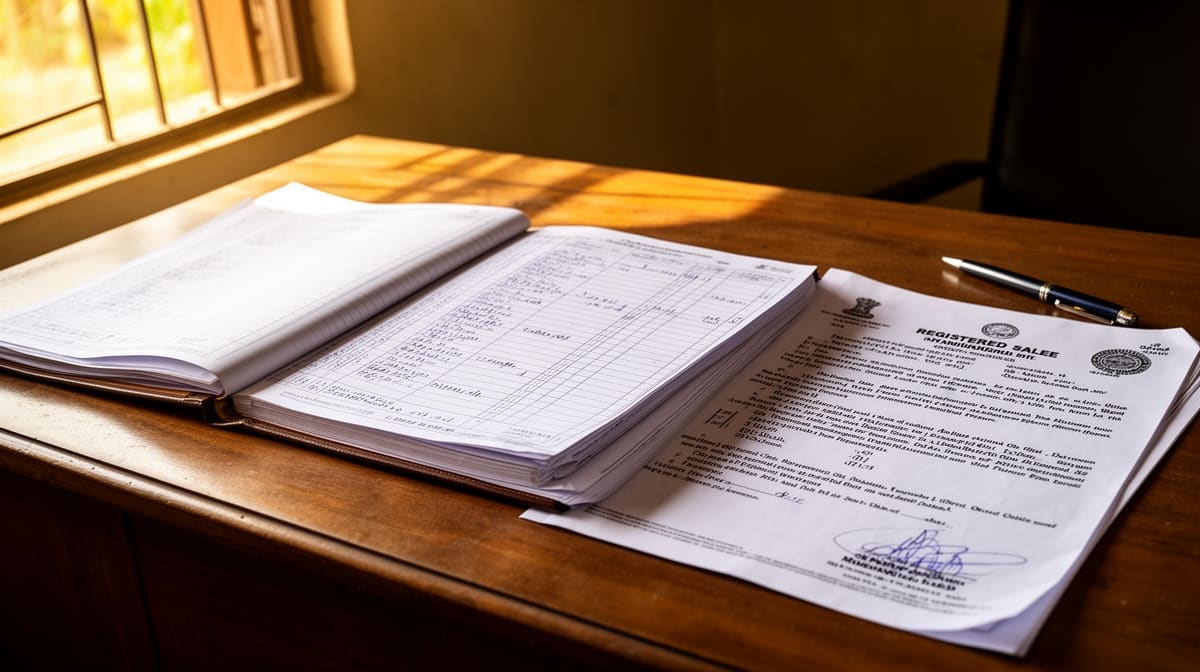
Registration Act | Non-Speaking Refusal of Settlement Deed Registration Violates Natural Justice : Madras HC
Case Law Analysis
|Madras High Court

Registration Act | Non-Speaking Refusal of Settlement Deed Registration Violates Natural Justice : Madras HC

Madras High Court quashes a sub-registrar's refusal to register a settlement deed without providing a reasoned order or hearing the parties, reinforcing that administrative authorities cannot adjudicate title disputes under the Registration Act. The ruling mandates compliance with natural justice principles, ensuring fair procedure in deed registration.

Order VI Rule 17 CPC | Non-Speaking Amendment Orders Violate Judicial Reasoning Mandate : MP HC Gwalior Sets Aside Cryptic Trial Court Order
Case Law Analysis
|Madhya Pradesh High Court

Order VI Rule 17 CPC | Non-Speaking Amendment Orders Violate Judicial Reasoning Mandate : MP HC Gwalior Sets Aside Cryptic Trial Court Order

MP High Court rules that orders allowing amendments under Order VI Rule 17 CPC must be reasoned and address objections, not merely cryptic. The decision reinforces that judicial orders affecting pleadings in long-pending suits must demonstrate application of mind, especially when reviving previously dismissed claims.

Patent Refusal Under Section 15 Patents Act | Non-Speaking Orders Violate Natural Justice & Patent Office Manual: Bombay HC
Case Law Analysis
|Bombay High Court

Patent Refusal Under Section 15 Patents Act | Non-Speaking Orders Violate Natural Justice & Patent Office Manual: Bombay HC

Bombay HC quashed a patent refusal order for failing to provide independent reasoning or address the applicant’s submissions, violating natural justice principles. The court mandated a holistic assessment under the Patent Office Manual, emphasizing that novelty and inventive step objections must be explicitly notified and reasoned.

Section 202 CrPC | Non-Speaking Summoning Orders Void for Violating Natural Justice: Punjab & Haryana HC Quashes SC/ST Act Summons
Case Law Analysis
|Punjab and Haryana High Court

Section 202 CrPC | Non-Speaking Summoning Orders Void for Violating Natural Justice: Punjab & Haryana HC Quashes SC/ST Act Summons

The Punjab & Haryana High Court ruled that non-speaking summoning orders under Section 202 CrPC violate natural justice by failing to consider inquiry reports or prior adversarial proceedings. The court quashed summoning orders under the SC/ST Act and IPC, emphasizing that mechanical orders without judicial application of mind are legally unsustainable and prejudicial to accused rights.

Non-Speaking Orders Violate Natural Justice | Madras HC Quashes Stamp Duty Demand Without Opportunity of Hearing : Madras HC
Case Law Analysis
|Madras High Court

Non-Speaking Orders Violate Natural Justice | Madras HC Quashes Stamp Duty Demand Without Opportunity of Hearing : Madras HC

Madras High Court sets aside non-speaking stamp duty orders, ruling that failure to provide a hearing opportunity violates principles of natural justice. The Court remands the matter for fresh adjudication with strict timelines: petitioner must respond within two weeks, and authorities must issue a reasoned order within four weeks.

Principles of Natural Justice | Non-Speaking Refusal Orders Under Registration Act Violate Audi Alteram Partem : Madras HC
Case Law Analysis
|Madras High Court

Principles of Natural Justice | Non-Speaking Refusal Orders Under Registration Act Violate Audi Alteram Partem : Madras HC

The Madras High Court ruled that refusal orders for property registration must be reasoned and afford a hearing, failing which they violate natural justice principles. The court quashed a non-speaking refusal slip, directing fresh consideration with due opportunity for submissions, reinforcing the mandatory compliance with audi alteram partem in administrative actions.