Topic

judicial directions

Judicial directions in Indian law are binding orders issued by courts to enforce legal rights, ensure procedural compliance, or remedy administrative inaction.

14 articlesLatest July 2026
Maharashtra PAP Rehabilitation Act Section 3 | State Must Constitute Grievance Redressal Committee to Curb Illegal Land Allotments : Bombay HC
Case Law Analysis
|Bombay High Court

Maharashtra PAP Rehabilitation Act Section 3 | State Must Constitute Grievance Redressal Committee to Curb Illegal Land Allotments : Bombay HC

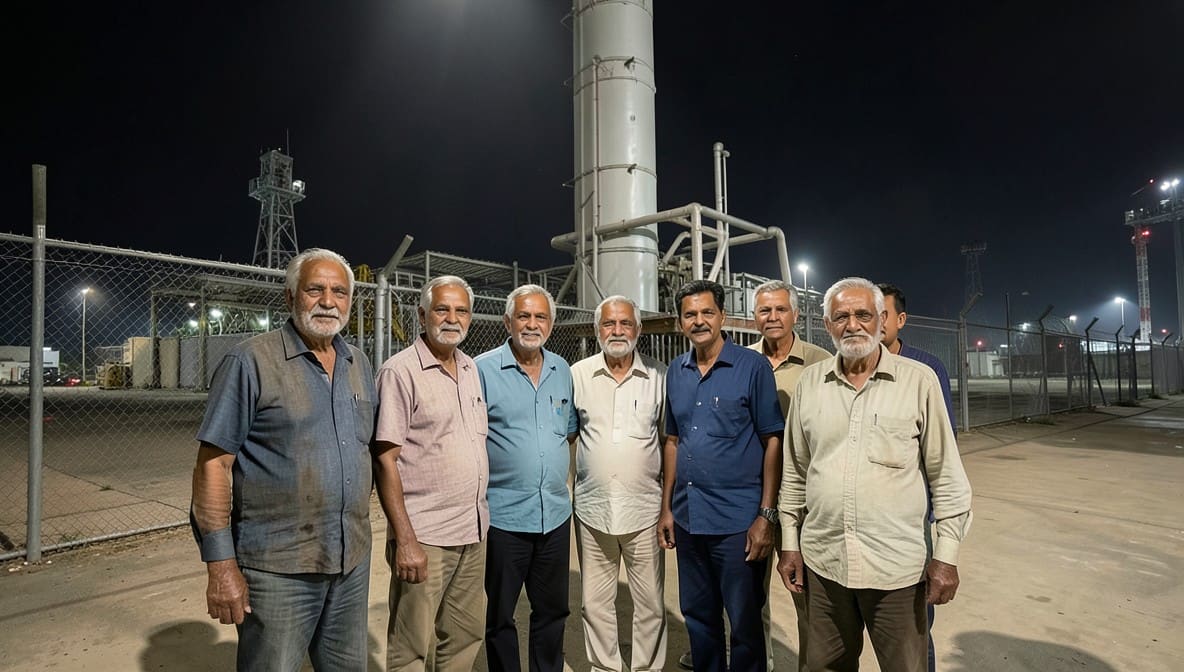
Bombay High Court directs Maharashtra to establish a State Level Grievance Redressal Committee under the Maharashtra Project Affected Persons Rehabilitation Act, 1999, to address rampant illegal land allotments and pending grievances of project-affected persons (PAPs). The ruling mandates uniform criteria for land allotments to prevent arbitrariness and ensure statutory compliance.

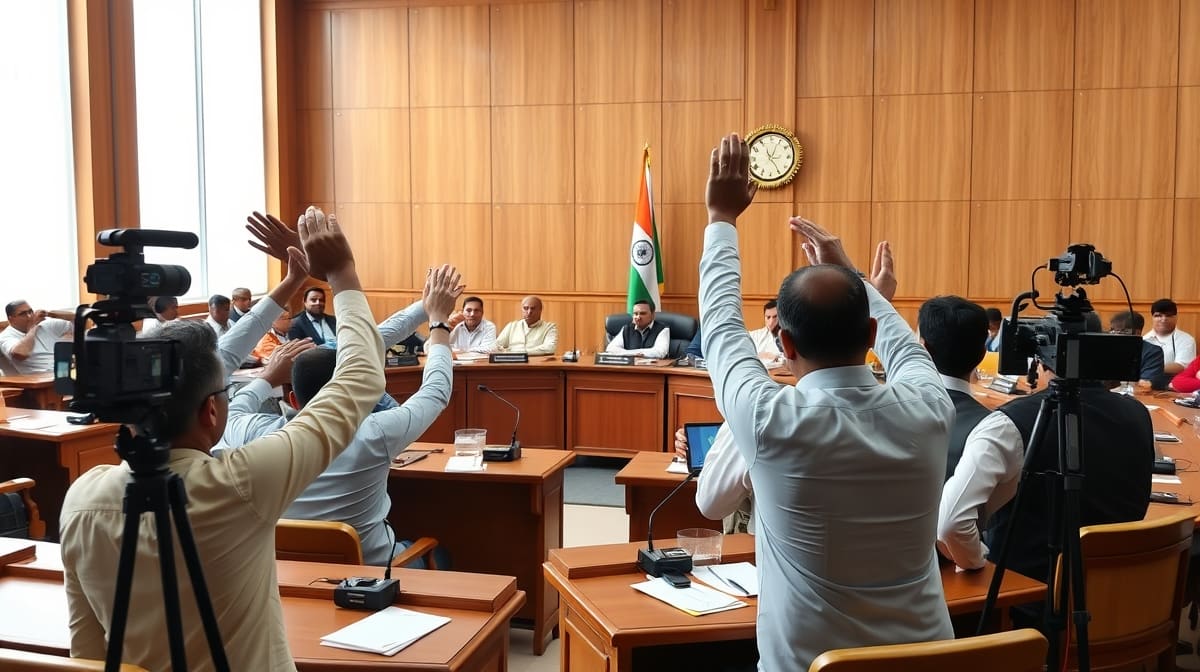
Punjab Municipal Election Rules 1994 | Detained Councillors Must Be Allowed to Take Oath & Vote; Videography Mandatory for Transparency : Punjab & Haryana HC
|Punjab and Haryana High Court

Punjab Municipal Election Rules 1994 | Detained Councillors Must Be Allowed to Take Oath & Vote; Videography Mandatory for Transparency : Punjab & Haryana HC

The Punjab & Haryana High Court ruled that detained councillors cannot be barred from taking oath or participating in municipal elections, ensuring their right to vote under the Punjab Municipal Election Rules, 1994. The Court mandated videography of the election process and directed the Deputy Commissioner to comply within 10 days, reinforcing transparency and procedural fairness in local governance.

Section 28A Land Acquisition Act | 6-Month Deadline for Disposal of Enhanced Compensation Applications: Bombay HC
|Bombay High Court

Section 28A Land Acquisition Act | 6-Month Deadline for Disposal of Enhanced Compensation Applications: Bombay HC

The Bombay High Court has mandated that Land Acquisition Officers must decide pending Section 28A applications for enhanced compensation within six months, ending decades-long delays that denied landowners timely justice. This directive ensures enforceable timelines for statutory remedies under the 1894 Act, directly impacting thousands of pending claims across Maharashtra.

Six-Week Deadline for Compensation Applications | Administrative Inaction Violates Procedural Fairness Under Writ Jurisdiction : Bombay HC
Case Law Analysis
|Bombay High Court

Six-Week Deadline for Compensation Applications | Administrative Inaction Violates Procedural Fairness Under Writ Jurisdiction : Bombay HC

The Bombay High Court has mandated that competent authorities must decide pending compensation applications within six weeks of closure for orders, treating prolonged administrative silence as a violation of procedural fairness. This binding timeline empowers claimants facing indefinite delays in state-led compensation processes and sets a new benchmark for accountability in public administration.

BNSS Section 35(3) | Mandatory Compliance with Arnesh Kumar Directions Before Arrest in ≤7-Year Offences : AP HC
Case Law Analysis
|Andhra Pradesh High Court

BNSS Section 35(3) | Mandatory Compliance with Arnesh Kumar Directions Before Arrest in ≤7-Year Offences : AP HC

Andhra Pradesh High Court reinforces that police must strictly follow Arnesh Kumar guidelines and BNSS Section 35(3) before arresting accused in offences punishable with imprisonment up to seven years, ensuring procedural safeguards against arbitrary detention. The ruling mandates prior scrutiny of necessity and proportionality of arrest, impacting law enforcement practices in non-heinous offences.

SARFAESI Act Section 14 | Fresh Application Mandatory After Failure to Comply with Prior Court Directions: Andhra Pradesh HC
Case Law Analysis
|Andhra Pradesh High Court

SARFAESI Act Section 14 | Fresh Application Mandatory After Failure to Comply with Prior Court Directions: Andhra Pradesh HC

The Andhra Pradesh High Court has ruled that banks cannot rely on previously issued warrants of commission under SARFAESI Section 14 if they have ignored prior judicial directives. A fresh application with full compliance is now required, reinforcing that procedural adherence is not optional but a precondition for enforcement. This impacts all financial institutions pursuing recovery through coercive possession orders.

Judicial Mandate for Permanent Regularisation | SC Directs State to Create Posts for Long-Term Daily Wage Workers Under Constitutional Duty : SC
Case Law Analysis
|Supreme Court of India

Judicial Mandate for Permanent Regularisation | SC Directs State to Create Posts for Long-Term Daily Wage Workers Under Constitutional Duty : SC

Supreme Court reinforces that judicial directions for permanent regularisation of daily wage workers are binding on the state, mandating immediate creation of posts within four weeks. The ruling extends benefits to all similarly situated workers, framing regularisation as a constitutional obligation rather than a discretionary scheme.

No Ownership Right in Government Service Quarters After Retirement | 12-Week Eviction Notice Required Under Public Housing Scheme : Bombay HC
Case Law Analysis
|Bombay High Court

No Ownership Right in Government Service Quarters After Retirement | 12-Week Eviction Notice Required Under Public Housing Scheme : Bombay HC

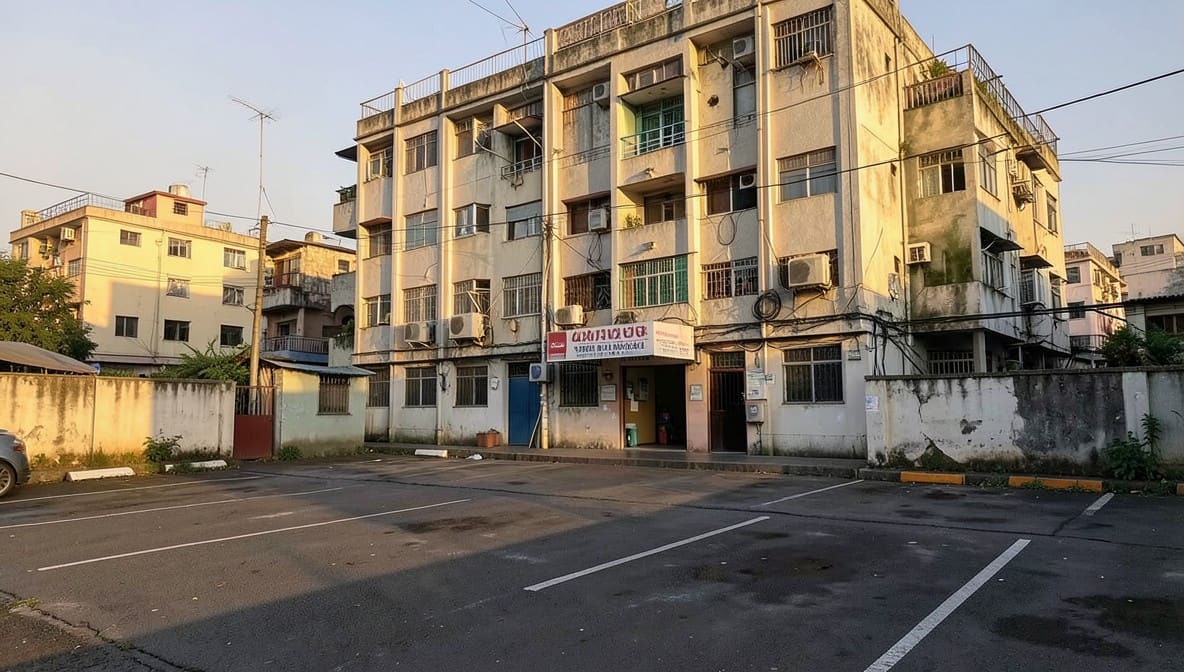
The Bombay High Court has ruled that government employees occupying service quarters under public housing schemes acquire no ownership rights, even after 15 years of continuous occupation. Upon retirement, occupancy ceases automatically, and eviction may follow after a 12-week notice period, reinforcing that such accommodation is a privilege tied to service, not a property right.

Contempt of Court Requires Explicit Judicial Directions, Not Mere Observations: MP HC Jabalpur Dismisses Contempt Petition for Lack of Direct Order
Case Law Analysis
|Madhya Pradesh High Court

Contempt of Court Requires Explicit Judicial Directions, Not Mere Observations: MP HC Jabalpur Dismisses Contempt Petition for Lack of Direct Order

The Madhya Pradesh High Court ruled that contempt proceedings cannot be initiated based solely on judicial observations unless there is an explicit direction issued by the court. The judgment clarifies that passive remarks or general instructions do not meet the threshold for contempt, impacting public interest litigants and government authorities enforcing court orders.

MTP Act & Article 21 | Telangana HC Directs Immediate Medical Board for 25-Week Abortion of POCSO Victim : Telangana HC
Case Law Analysis
|Telangana High Court

MTP Act & Article 21 | Telangana HC Directs Immediate Medical Board for 25-Week Abortion of POCSO Victim : Telangana HC

Telangana High Court mandates constitution of a Medical Board within 24 hours to assess the feasibility of abortion for a 13-year-old POCSO victim, reinforcing victim rights under the MTP Act and constitutional guarantees. The ruling sets a precedent for expedited medical evaluations in cases involving minors and advanced pregnancies.

Court Fees Refund | Collector of Stamps and Pay & Accounts Department Must Refund Within 4 Weeks of Order : Bombay HC
Case Law Analysis
|Bombay High Court

Court Fees Refund | Collector of Stamps and Pay & Accounts Department Must Refund Within 4 Weeks of Order : Bombay HC

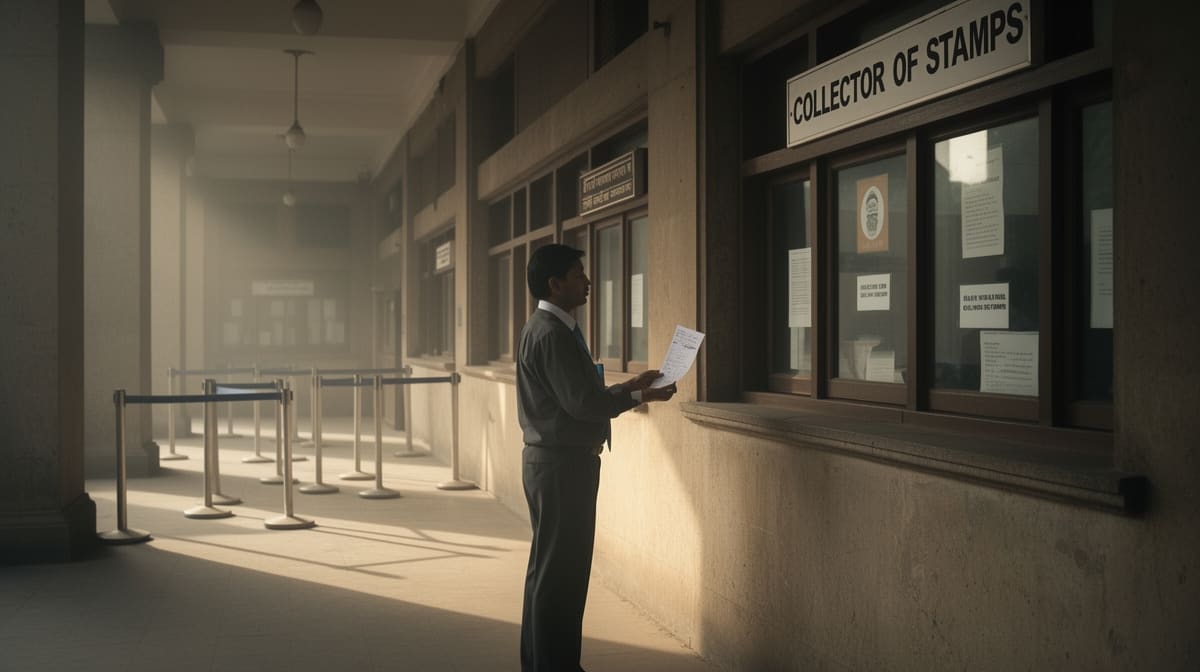
The Bombay High Court has mandated that the Collector of Stamps and the Pay & Accounts Department must process and issue court fee refunds within four weeks of receiving a server copy of the order, closing a systemic delay that undermines litigants' access to justice. This binding directive applies to all pending and future refund requests, holding state departments accountable for procedural compliance under judicial oversight.