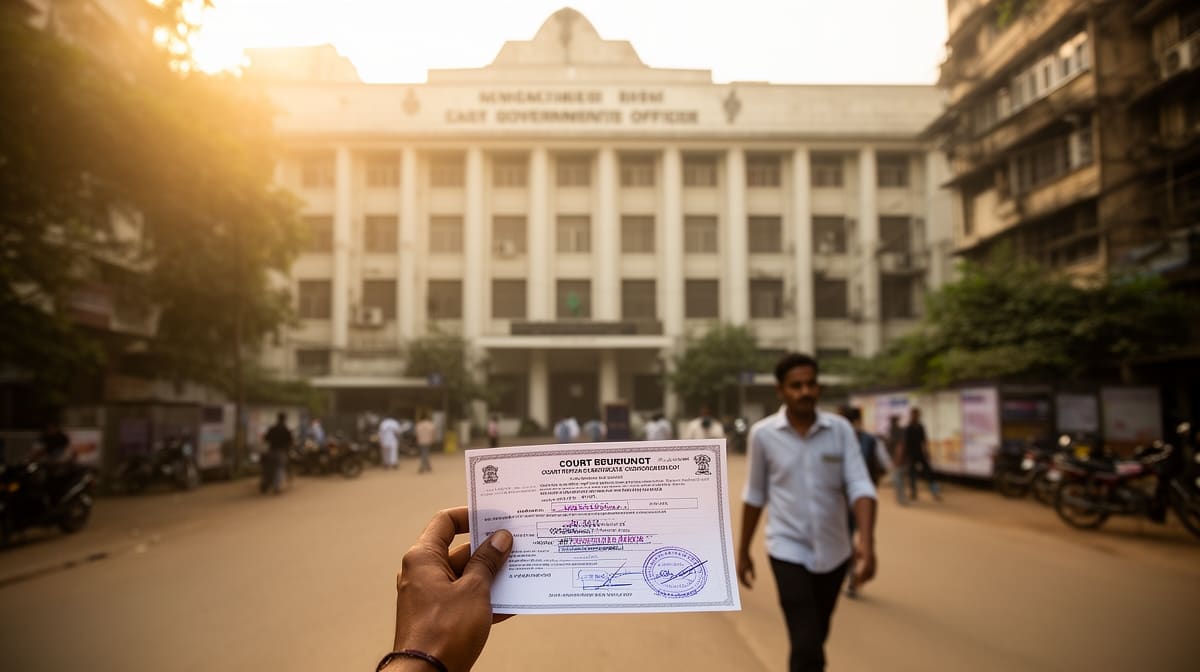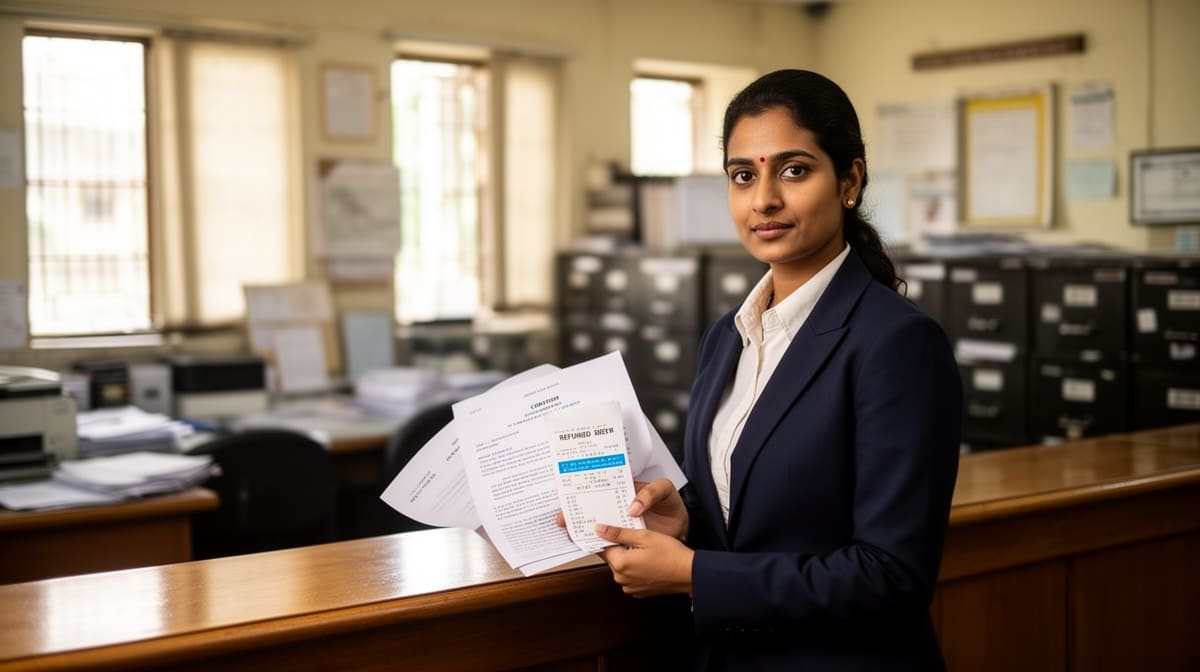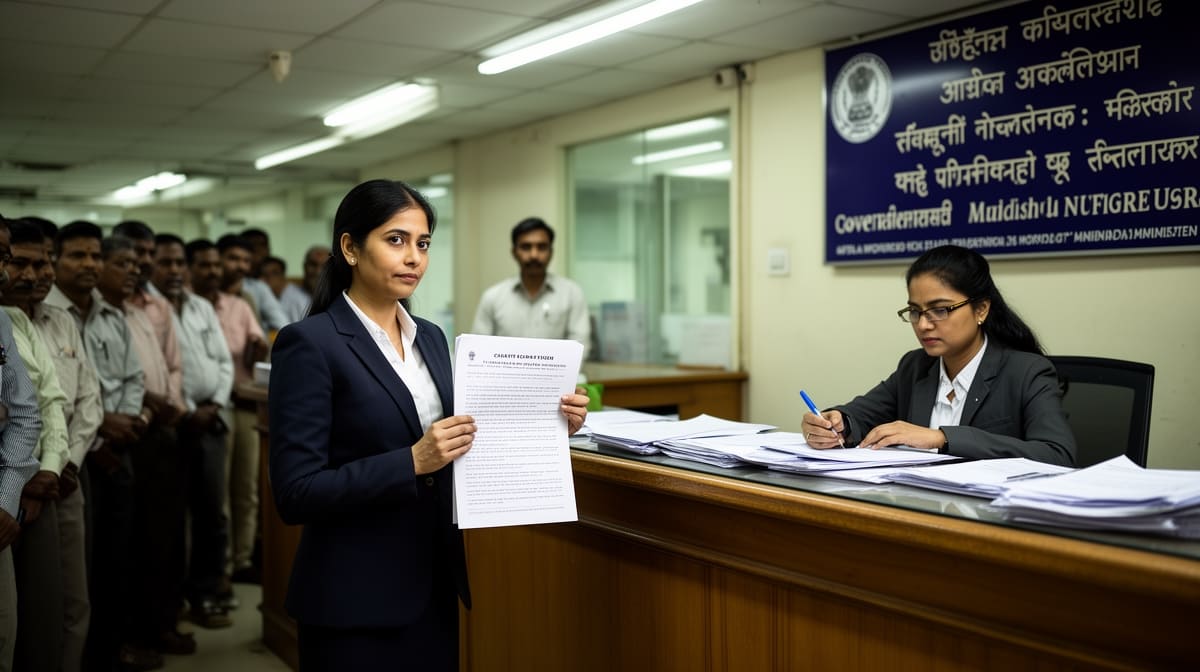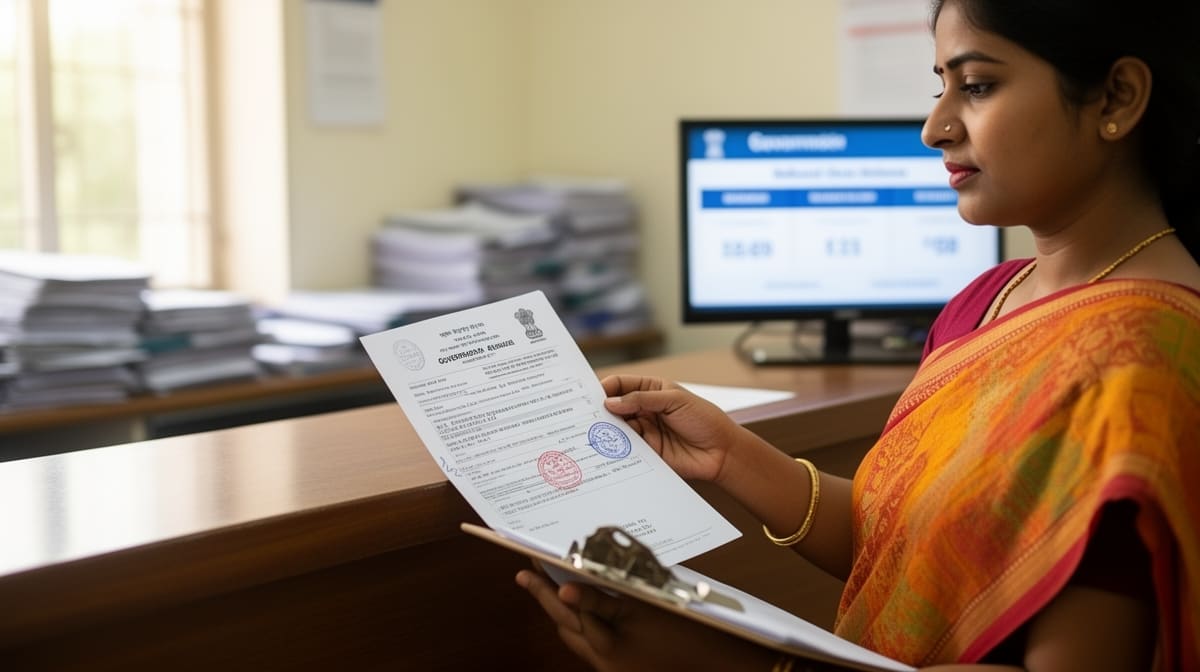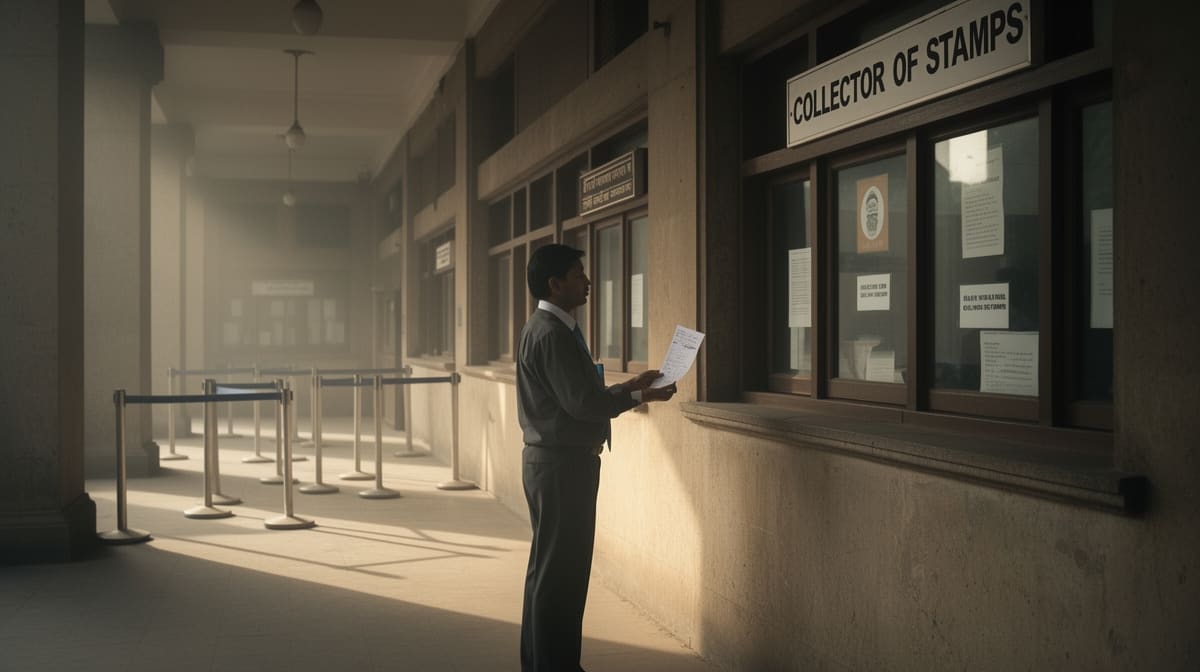
The Bombay High Court has issued binding directives to state authorities to ensure prompt refund of court fees, addressing systemic delays that undermine litigants’ access to justice. This order, though arising from a withdrawn petition, establishes a critical procedural safeguard with nationwide implications for court administration.
Background & Facts
The Dispute
The petition, filed by Gurkirat Kaur Malik, sought relief under testamentary jurisdiction concerning the estate of her deceased husband. However, before any substantive hearing, the petitioner sought to withdraw the petition. The Court permitted withdrawal, triggering the statutory right to refund of court fees under the Court Fees Act and relevant Maharashtra rules.
Procedural History
- The petition was filed in 2025 under the Bombay High Court’s Testamentary and Intestate Jurisdiction
- On March 11, 2026, the petitioner filed a praecipe seeking withdrawal
- The Court granted withdrawal without adjudicating merits
- The petitioner became entitled to refund of court fees paid at the time of filing
Relief Sought
While the petition itself was withdrawn, the petitioner’s counsel highlighted the persistent and unjustified delays in court fee refunds by the Collector of Stamps and the Pay and Accounts Department, prompting the Court to issue proactive directions.
The Legal Issue
The central question was whether the Court has the authority to enforce timely refund of court fees by state revenue authorities when delays violate the principle of access to justice under Article 21 of the Constitution.
Arguments Presented
For the Petitioner
Ms. Samridhi Lodha, counsel for the petitioner, argued that prolonged delays in refunding court fees - sometimes exceeding a year - constitute a denial of effective remedy and impose undue financial hardship on litigants. She cited Article 14 and Article 21 to assert that procedural delays in refunding fees erode public confidence in the judiciary and amount to arbitrary state action.
For the Respondent
No opposing party appeared. The Court noted the absence of any representation from the Collector of Stamps or the Pay and Accounts Department, indicating a systemic failure to respond to judicial directives.
The Court's Analysis
The Court observed that while withdrawal of a petition is a procedural right, the right to refund of court fees is a statutory entitlement that must be honored without delay. It emphasized that litigants are not mere participants in litigation but stakeholders in the justice system, and delays in refunding fees amount to a de facto penalty for seeking judicial redress.
"This Court in the present roster has received several complaints that even after orders for refund are issued by the Registry of this Court... the same takes an invariably long period of time to get the refund of Court fees and sometimes more than a year."
The Court rejected the notion that administrative inertia is an acceptable norm. It held that timely refund of court fees is not a privilege but a constitutional obligation flowing from the right to access justice. The Court invoked its inherent powers under Article 227 to supervise subordinate authorities and ensure compliance with judicial orders.
It further noted that the refund process involves multiple layers - Collector of Stamps, Pay and Accounts Department - and that failure at any stage defeats the purpose of the order. The Court therefore imposed non-negotiable timelines: refund certificate to be issued within two weeks, and actual refund to be processed within four weeks of receipt of the request.
The Verdict
The petitioner’s petition was withdrawn, but the Court issued binding directions to the Collector of Stamps and the Pay and Accounts Department. The Court held that delay in refunding court fees violates the right to access justice and mandated strict compliance with a four-week timeline for all future refunds ordered by the Bombay High Court.
What This Means For Similar Cases
Refund Timelines Are Now Judicially Enforced
- Practitioners may now cite this order to demand compliance when refunds are delayed beyond four weeks
- A server copy of the order is sufficient for initiating refund; no additional documentation should be demanded
- Non-compliance can be brought to the Court’s notice through a contempt petition
State Departments Are Now Under Direct Judicial Supervision
- The Collector of Stamps and Pay and Accounts Department are now formally directed to comply with timelines
- The Registrar General must circulate this order to all relevant offices across Maharashtra
- This precedent will apply to all High Courts issuing similar refund orders
Procedural Delays Cannot Be Excused as Administrative Inertia
- Courts will no longer tolerate systemic delays as "routine" or "unavoidable"
- Litigants may now seek cost penalties or contempt proceedings for non-compliance
- This judgment shifts the burden to the state to prove why a refund cannot be processed within the stipulated period