Topic

impleadment

Impleadment in Indian civil procedure allows a party to bring a third party into a lawsuit when they have a direct legal interest in the outcome, governed primarily by Order I Rule 10 of the Code of Civil Procedure.

27 articlesLatest July 2026
Hindu Succession Act | Class-I Heirs Exclusively Entitled to Service Benefits; Class-II Heirs Cannot Be Impleaded: Karnataka HC
|Karnataka High Court

Hindu Succession Act | Class-I Heirs Exclusively Entitled to Service Benefits; Class-II Heirs Cannot Be Impleaded: Karnataka HC

The Karnataka High Court ruled that Class-I heirs under the Hindu Succession Act hold exclusive rights to service benefits, barring Class-II heirs like sisters from being impleaded in disputes. This reinforces the statutory hierarchy, impacting inheritance claims in service-related benefits and necessitating strict adherence to legal heir classification.

Order I Rule 10 CPC | Counter-Claim Cannot Be Filed Against Non-Parties to the Suit : MP HC Gwalior
Case Law Analysis
|Madhya Pradesh High Court

Order I Rule 10 CPC | Counter-Claim Cannot Be Filed Against Non-Parties to the Suit : MP HC Gwalior

The Madhya Pradesh High Court has held that a defendant cannot assert a counter-claim against a person not already a party to the suit, reinforcing that the plaintiff's dominus litis status cannot be undermined by extending claims to strangers. This clarifies the limits of impleadment under Order I Rule 10 and protects litigants from being dragged into unrelated disputes through backdoor counter-claims.

Agreement to Sell Does Not Confer Standing in Partition Suit | Decree for Specific Performance Required Before Impleadment: Karnataka HC (Dharwad)
Case Law Analysis
|Karnataka High Court

Agreement to Sell Does Not Confer Standing in Partition Suit | Decree for Specific Performance Required Before Impleadment: Karnataka HC (Dharwad)

The Karnataka High Court holds that a buyer under an agreement to sell cannot implead as a party in a partition suit involving the vendor’s property unless they first obtain a decree for specific performance. This clarifies that equitable rights under contract are not sufficient to intervene in ownership disputes - only a judicially enforced title grants standing, protecting co-owners from speculative claims.

Section 151 CPC | Failure to Amend Cause Title After Impleadment Is Ministerial, Not Fatal: Karnataka HC (Dharwad)
Case Law Analysis
|Karnataka High Court

Section 151 CPC | Failure to Amend Cause Title After Impleadment Is Ministerial, Not Fatal: Karnataka HC (Dharwad)

The Karnataka High Court has ruled that omitting a consequential amendment to the cause title after impleadment is a mere ministerial oversight, not a ground to dismiss a Section 151 application. This clarifies that procedural technicalities cannot override substantive justice in property disputes, empowering litigants to correct clerical errors without risking dismissal of their claims.

Order I Rule 10 CPC | Third-Party Resident Affected by Unauthorized Construction May Be Impleaded as Proper Party Despite No Relief Sought Against Them : Bombay HC
Case Law Analysis
|Bombay High Court

Order I Rule 10 CPC | Third-Party Resident Affected by Unauthorized Construction May Be Impleaded as Proper Party Despite No Relief Sought Against Them : Bombay HC

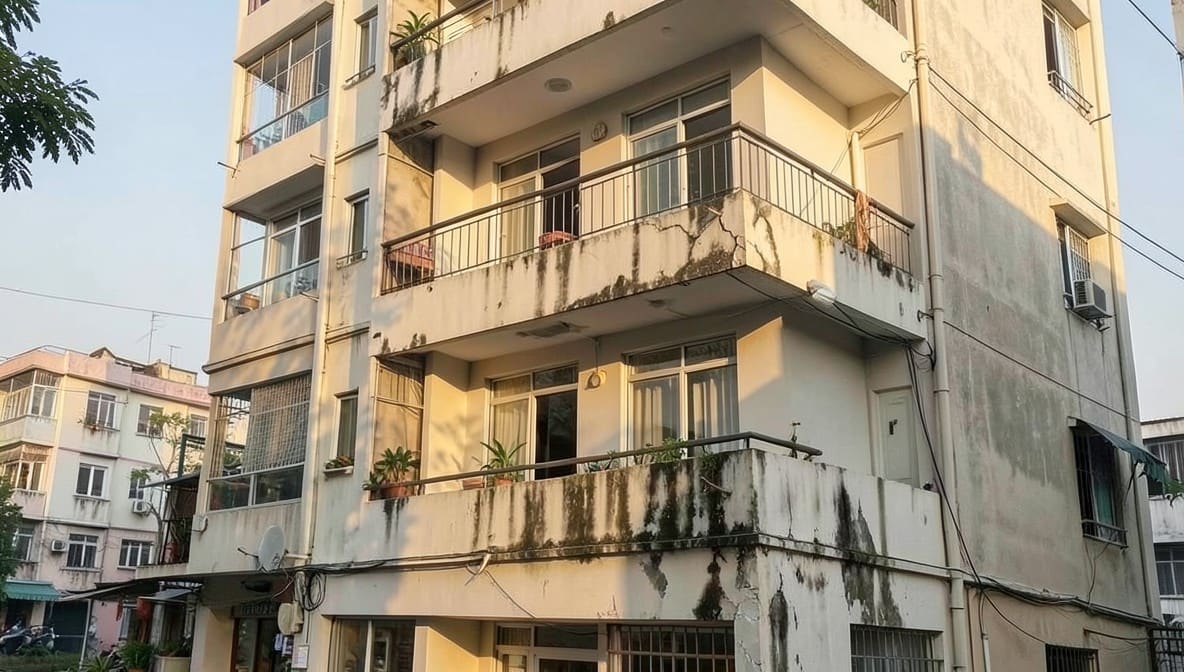
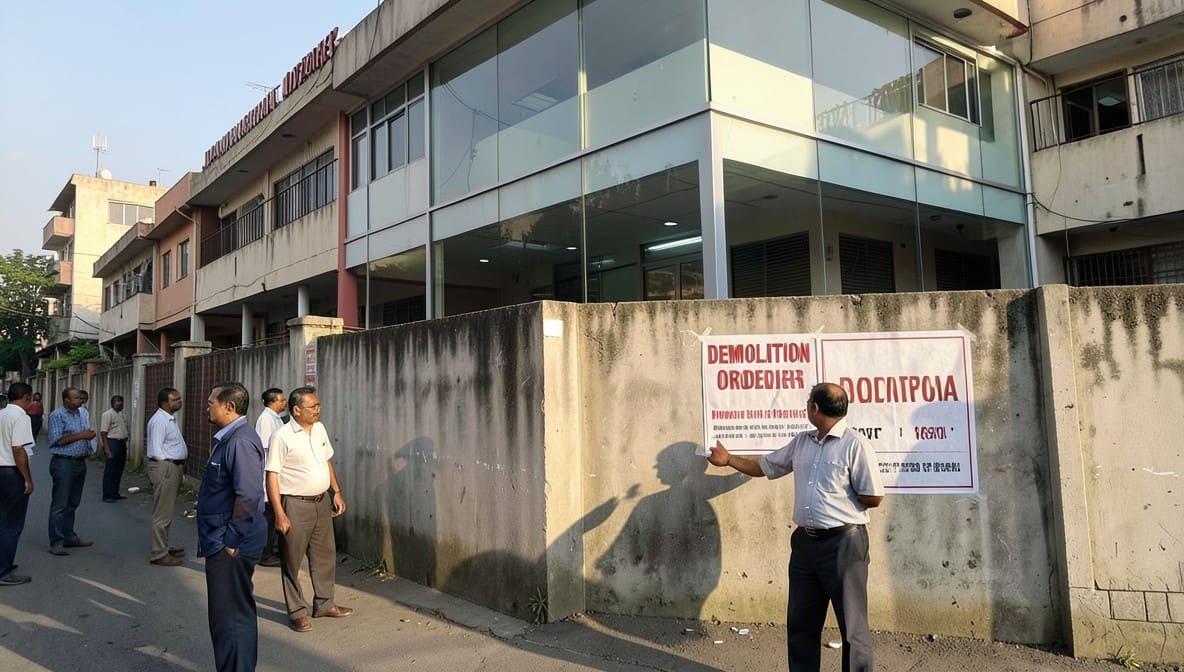
The Bombay High Court ruled that a resident suffering direct harm-such as structural leakage-from unauthorized construction on a neighboring property can be impleaded as a proper party in a suit challenging a demolition notice, even if the plaintiff does not seek any relief against them. This clarifies that procedural fairness under CPC extends to those materially affected by disputed construction, not just formal titleholders.

CPC Order 1 Rule 10(2) | Impleadment Mandatory for Parties with Substantial Interest in Disputed Property: Allahabad HC
|Allahabad High Court

CPC Order 1 Rule 10(2) | Impleadment Mandatory for Parties with Substantial Interest in Disputed Property: Allahabad HC

Allahabad HC rules that impleadment under CPC Order 1 Rule 10(2) is not discretionary but mandatory when a party demonstrates substantial interest in disputed property, particularly where possession and allotment are contested. The judgment reinforces judicial economy by preventing multiplicity of proceedings and ensuring all affected parties are heard.

Impleadment of Alleged Vehicle Purchaser Mandatory Under Order 1 Rule 10 CPC | Motor Accident Claims Where Ownership Transferred Pre-Accident : Punjab & Haryana HC
Case Law Analysis
|Punjab and Haryana High Court

Impleadment of Alleged Vehicle Purchaser Mandatory Under Order 1 Rule 10 CPC | Motor Accident Claims Where Ownership Transferred Pre-Accident : Punjab & Haryana HC

The Punjab & Haryana High Court has ruled that when a respondent in a motor accident claim discloses a prior sale of the vehicle, the alleged purchaser must be impleaded to ensure proper adjudication of liability and prevent multiplicity of proceedings. This sets a critical precedent for tribunals to prioritize substantive justice over technical dismissal, affecting insurers, claimants, and vehicle sellers alike.

Order 1 Rule 10 CPC | Pendente Lite Purchaser Under Agreement to Sale Lacks Locus Standi for Impleadment in Adverse Possession Suit : MP HC Jabalpur
|Madhya Pradesh High Court

Order 1 Rule 10 CPC | Pendente Lite Purchaser Under Agreement to Sale Lacks Locus Standi for Impleadment in Adverse Possession Suit : MP HC Jabalpur

A subsequent purchaser under an agreement to sell cannot be impleaded in a suit for adverse possession because such an agreement confers no proprietary right or legal interest. The Madhya Pradesh High Court reaffirms that only those with enforceable title or possession can be parties to such claims, safeguarding litigation integrity against speculative claims by non-parties to the original transaction.

Section 52 Transfer of Property Act | Lis Pendens Bars Impleadment of Post-Suit Purchaser Unless She Applies: MP HC
Case Law Analysis
|Madhya Pradesh High Court

Section 52 Transfer of Property Act | Lis Pendens Bars Impleadment of Post-Suit Purchaser Unless She Applies: MP HC

Madhya Pradesh High Court reaffirms that a purchaser of property during pendency of a title suit cannot be impleaded as a party unless she applies for it herself. The court held that Section 52 of the Transfer of Property Act binds all subsequent transferees, and any decree passed in the suit will automatically bind them, negating the need for their impleadment.

CPC Order 1 Rule 10 | Pendente Lite Purchaser Must Be Impleaded to Avoid Multiplicity of Proceedings : MP HC Gwalior
Case Law Analysis
|Madhya Pradesh High Court

CPC Order 1 Rule 10 | Pendente Lite Purchaser Must Be Impleaded to Avoid Multiplicity of Proceedings : MP HC Gwalior

The Madhya Pradesh High Court ruled that a purchaser of disputed property during litigation must be impleaded as a defendant to ensure fair adjudication and prevent multiple proceedings. The court held that failure to implead such a purchaser under CPC Order 1 Rule 10 and Order 22 Rule 10 would defeat the purpose of lis pendens and lead to procedural injustice.

Right to Impleadment Under Article 226 | Non-Party Facing Direct Civil Consequences from Interim Order Entitled to Be Heard: SC
Case Law Analysis
|Supreme Court of India

Right to Impleadment Under Article 226 | Non-Party Facing Direct Civil Consequences from Interim Order Entitled to Be Heard: SC

The Supreme Court ruled that a non-party directly affected by civil consequences of an interim order in a writ petition under Article 226 must be impleaded to ensure procedural fairness. This holding reinforces the principle that affected third parties cannot be denied a hearing merely because they were not original parties to the proceedings.