Topic

eminent domain

Eminent domain in India refers to the government's power to acquire private land for public purposes, governed by laws like the Land Acquisition Act and specific statutes such as the National Highways Act.

7 articlesLatest July 2026
Section 5A Land Acquisition Act | Effective Opportunity of Hearing Mandatory, Not Mere Procedural Formality : SC
Case Law Analysis
|Supreme Court of India

Section 5A Land Acquisition Act | Effective Opportunity of Hearing Mandatory, Not Mere Procedural Formality : SC

The Supreme Court ruled that landowners cannot bypass Section 5A proceedings and later challenge acquisition on grounds of denied hearing. The opportunity of hearing must be substantive, not just ritualistic, and procedural compliance suffices only if objections lack merit. This reinforces natural justice principles in eminent domain cases, impacting landowners, government agencies, and administrative law practitioners.


Section 3(H)(4) National Highways Act | Statutory Remedy for Compensation Disputes Mandatory Before Writ Petition : Allahabad HC
Case Law Analysis
|Allahabad High Court

Section 3(H)(4) National Highways Act | Statutory Remedy for Compensation Disputes Mandatory Before Writ Petition : Allahabad HC

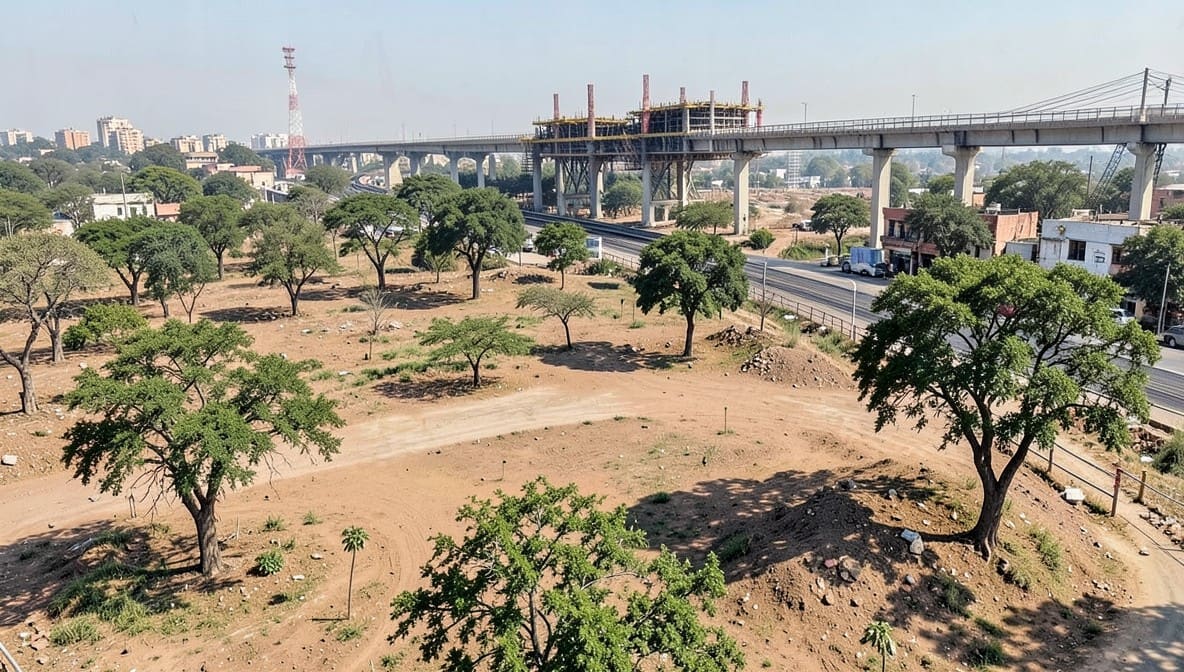
Allahabad HC reaffirms that landowners must exhaust the statutory remedy under Section 3(H)(4) of the National Highways Act before approaching writ courts for compensation disputes. The ruling underscores that bypassing the District Level Committee under the 2016 Government Order constitutes an abuse of judicial process, binding stakeholders to the prescribed administrative mechanism.

Indian Telegraph Act, 1885 | Power Grid Must Pay Provisional ROW Compensation While Petitioner Retains Right to Claim Enhanced Remuneration : Rajasthan HC
Case Law Analysis
|Rajasthan High Court

Indian Telegraph Act, 1885 | Power Grid Must Pay Provisional ROW Compensation While Petitioner Retains Right to Claim Enhanced Remuneration : Rajasthan HC

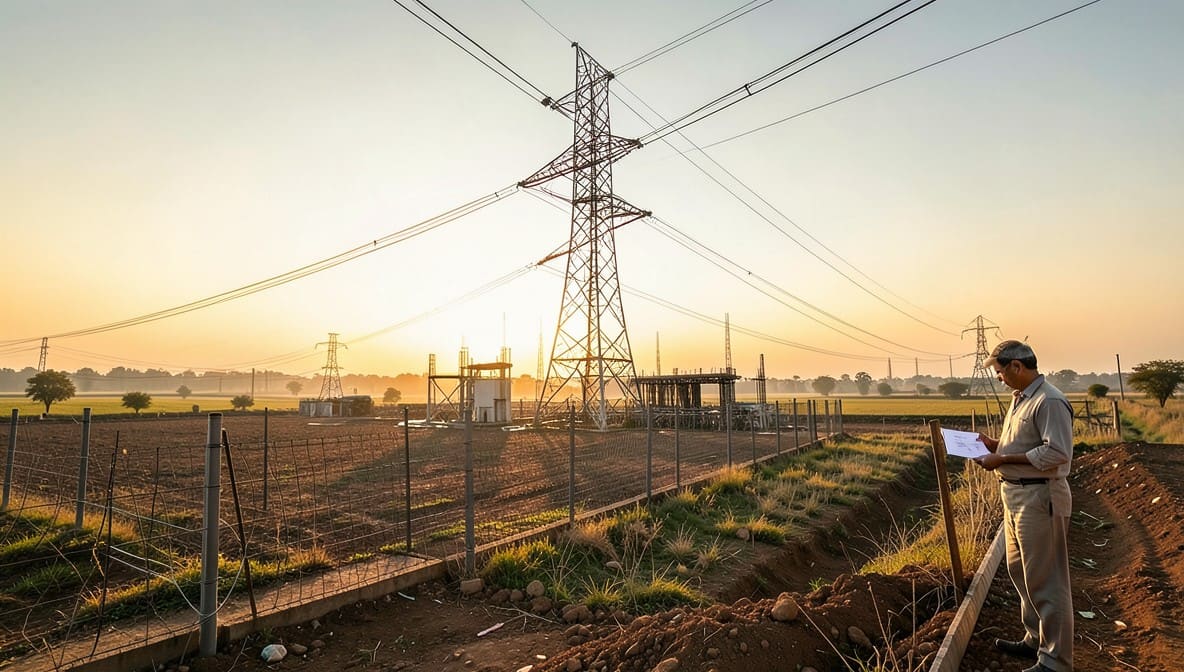
The Rajasthan High Court has ordered Power Grid Corporation to deposit ₹1.22 crore as provisional compensation for right-of-way acquisition over private land, while preserving the landowner’s right to seek full fair market value under the Indian Telegraph Act, 1885. This sets a critical precedent for infrastructure projects: provisional payments cannot substitute the statutory right to just compensation, ensuring landowners are not left financially stranded during prolonged valuation disputes.