The Bombay High Court has clarified that compensation for acquired land must reflect its actual agricultural utility, not merely its classification on paper. Where land is demonstrably semi-irrigated and private valuation reports are unchallenged, courts must award rates commensurate with market reality and accept a substantial portion of the valuation.
Background & Facts
The Dispute
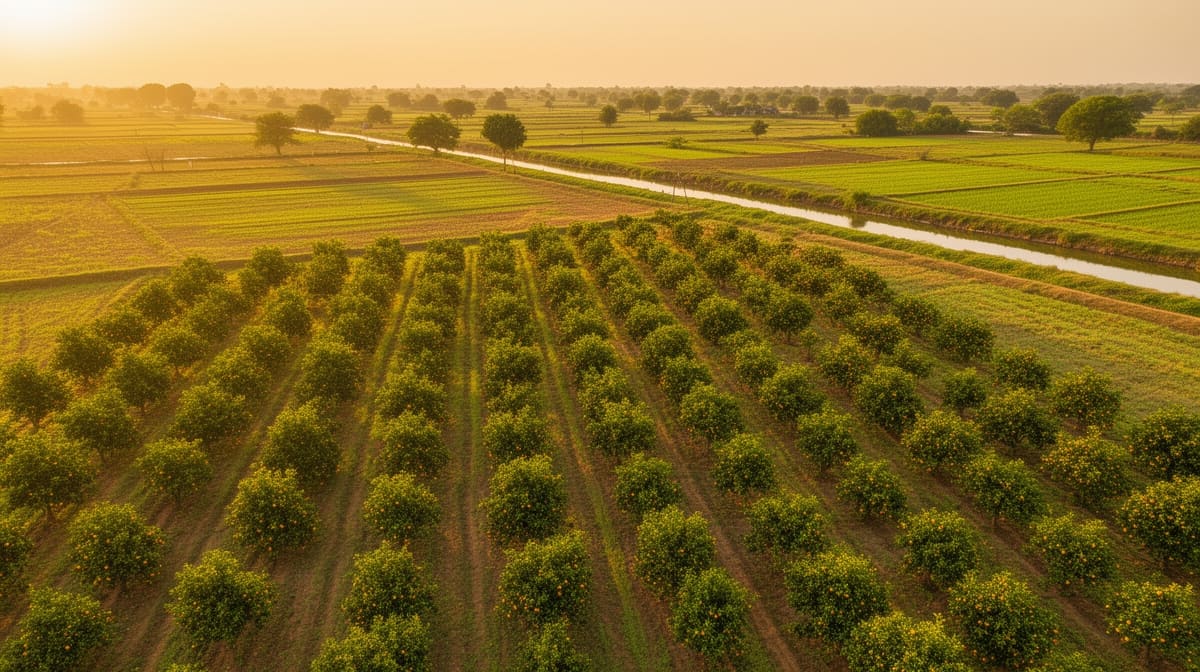
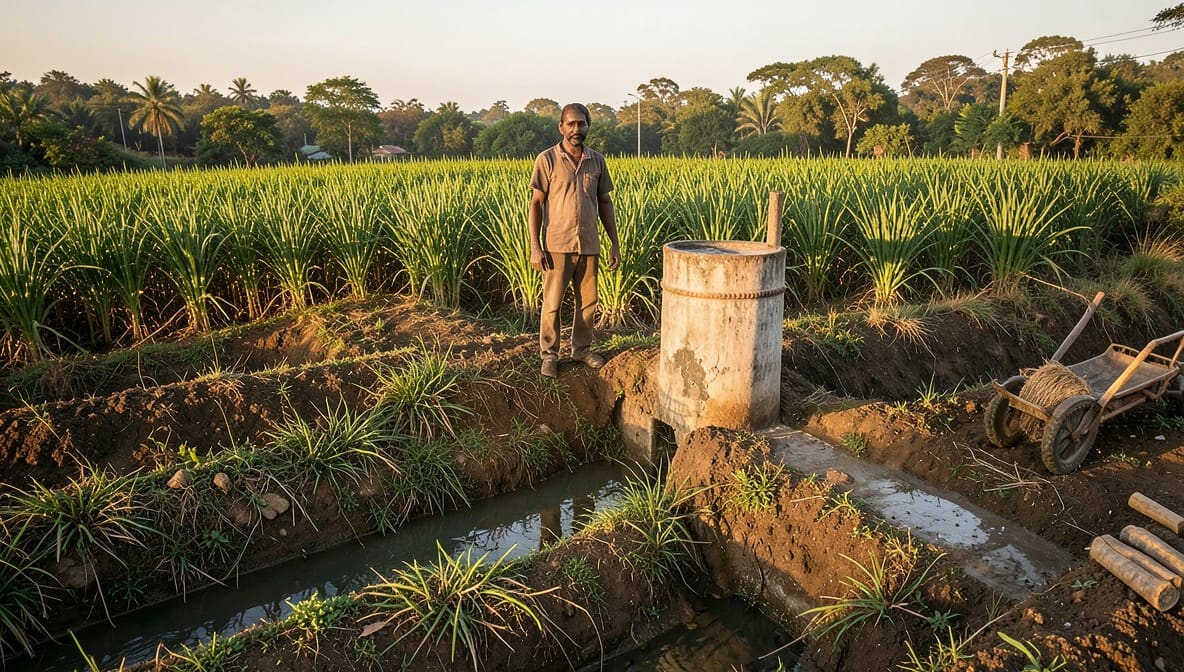
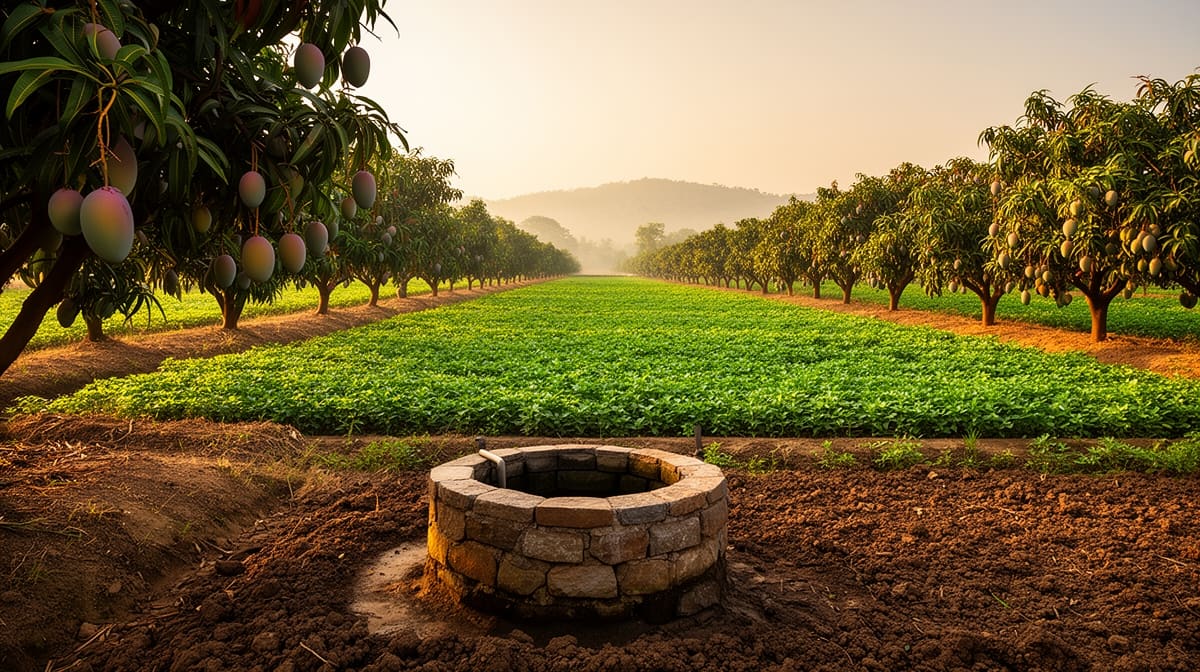
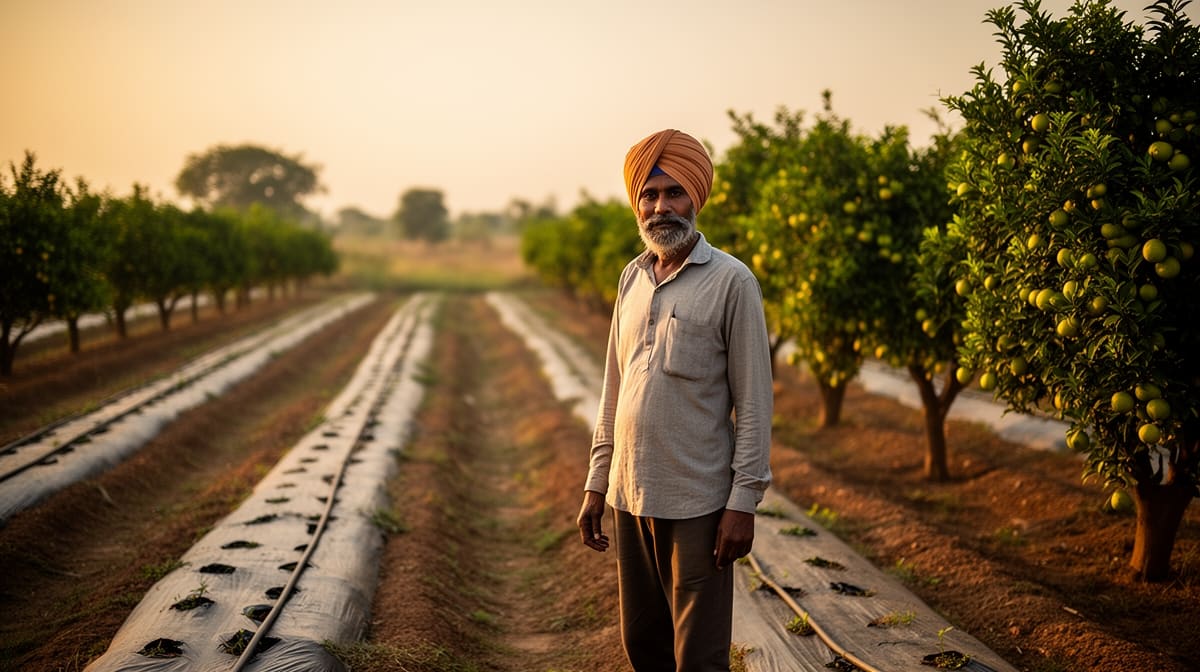
The appellant, Shaikh Naser Shaikh Azam, challenged the compensation awarded for his land in Mapegaon village, acquired for the Nimna Dudhna Project. The Special Land Acquisition Officer and the Reference Court classified the land as semi-irrigated but fixed compensation at Rs. 3,700 per Are, significantly below the market rate for similar land in the region. The appellant also contested the inadequate compensation for 240 sweet lemon trees, arguing that 80% of the private valuer’s report should have been accepted.
Procedural History
- 2002: Notification under Section 4 of the Land Acquisition Act issued
- 2006: Special Land Acquisition Officer passed award
- 2012: Reference petition filed by appellant
- 2024: Reference Court awarded Rs. 3,700 per Are for semi-irrigated land and Rs. 1,250 per Are for pot-kharab; minor enhancement granted for trees
- 2024: First Appeal filed before Bombay High Court
Relief Sought
The appellant sought: (1) enhancement of land compensation to Rs. 7,200 per Are for semi-irrigated land; (2) Rs. 2,400 per Are for pot-kharab land; and (3) 80% compensation for fruit-bearing trees based on the private valuer’s report (Exh. 64).
The Legal Issue
The central question was whether compensation for semi-irrigated land must be fixed at a rate higher than dry land when market evidence supports it, and whether 80% of an unchallenged private valuer’s report on fruit-bearing trees must be accepted in the absence of contrary evidence.
Arguments Presented
For the Appellant
The appellant relied on Shaikh Noor v. State of Maharashtra (2020) and Namdeo Gholve v. State of Maharashtra (2025), where this Court had consistently accepted 80% of private valuer reports for fruit trees. He cited First Appeal No. 3542/2022, where land from the same village was compensated at Rs. 4,800 per Are for dry land, arguing that semi-irrigated land must command a higher rate. He emphasized that the valuation report (Exh. 64) was unchallenged and applied Mirams’ table correctly.
For the Respondent
The State contended that the Reference Court had already enhanced compensation and that the land classification as semi-irrigated was correct. It argued that accepting 80% of the valuation report would set an unsustainable precedent and that the claim for trees was exorbitant. No evidence was adduced by the State during the reference proceedings.
The Court's Analysis
The Court examined the principle that compensation under the Land Acquisition Act must reflect market value, not arbitrary classifications. It noted that the Reference Court had treated the land as semi-irrigated but failed to align the rate with comparable acquisitions in the same region. The Court held that where land is demonstrably semi-irrigated and similar parcels in the same village have been compensated at Rs. 4,800 per Are for dry land, a higher rate for semi-irrigated land is not only logical but legally mandated.
"A consistent view has been taken by this Court in granting compensation to the extent of 80% of the private valuer reports."
The Court emphasized that the valuation report (Exh. 64) was not merely accepted but proven in evidence and went unchallenged. The State’s failure to lead any contrary evidence rendered its objections legally untenable. The Court distinguished its earlier observation in First Appeal No. 1954/2018 that 80% is not a rule of thumb, clarifying that it becomes a default standard when the report is credible and uncontested.
The Court further held that pot-kharab land, being non-cultivable but adjacent to cultivable land, must be compensated at a proportionate rate, which in this context was fixed at Rs. 2,400 per Are.
The Verdict
The appellant succeeded in part. The Court held that semi-irrigated land must be compensated at Rs. 7,200 per Are, pot-kharab land at Rs. 2,400 per Are, and 80% of the private valuer’s report on fruit-bearing trees must be accepted where no contrary evidence is adduced. The award was modified accordingly.
What This Means For Similar Cases
Semi-Irrigated Land Cannot Be Compensated at Dry Land Rates
- Practitioners must now insist on comparative market data from the same village or taluka to prove land classification
- If dry land in the same area is compensated at Rs. 4,800 per Are, semi-irrigated land must command a higher rate - typically 50-70% more
- Classification based solely on revenue records without field verification is legally insufficient
Unchallenged Valuation Reports Must Be Accepted at 80%
- Where a private valuer’s report is properly marked and unchallenged, courts must accept 80% as the default standard
- The burden shifts to the State to rebut the report with credible evidence; silence equals acceptance
- This applies to all categories of compensation: trees, structures, and other improvements
Procedural Silence by the State Is Fatal
- Failure to appear or lead evidence in reference proceedings waives the right to contest valuation
- Courts will not entertain belated objections if the report is procedurally sound and substantively unchallenged
- Practitioners should formally record the State’s non-participation as a ground for relief in appeals