Topic

delay in trial

Delay in trial refers to unreasonable prolongation of criminal proceedings in Indian courts, violating the right to speedy justice under Article 21 and statutory timelines under BNSS and CrPC.

15 articlesLatest July 2026
NDPS Act | Delayed Trial Justifies Bail Despite Gravity of Offence: Rajasthan HC Reinforces Right to Speedy Trial
Case Law Analysis
|Rajasthan High Court

NDPS Act | Delayed Trial Justifies Bail Despite Gravity of Offence: Rajasthan HC Reinforces Right to Speedy Trial

Rajasthan High Court grants bail to an accused under Section 439 CrPC after 3+ years of incarceration, holding that prolonged trial delays-with only 4 of 35 witnesses examined-override the gravity of NDPS offences. The ruling underscores that undue delay attributable to the prosecution violates the right to speedy trial, entitling the accused to bail even in serious drug cases.

BNSS Section 483 | Gender and Prolonged Trial Delay Justify Anticipatory Bail for Elderly Female Accused : Rajasthan HC
Case Law Analysis
|Rajasthan High Court

BNSS Section 483 | Gender and Prolonged Trial Delay Justify Anticipatory Bail for Elderly Female Accused : Rajasthan HC

Rajasthan High Court grants anticipatory bail to five elderly female accused in a 16-year-old case, emphasizing gender, prolonged trial delay, and lack of interference with proceedings as decisive factors. The ruling underscores that undue delay alone can vitiate continued custody, particularly for vulnerable accused under BNSS Section 483.

BNSS Section 483 | Gender, Age, and 16-Year Trial Delay Justify Bail for Elderly Female Accused : Rajasthan HC
Case Law Analysis
|Rajasthan High Court

BNSS Section 483 | Gender, Age, and 16-Year Trial Delay Justify Bail for Elderly Female Accused : Rajasthan HC

Rajasthan High Court grants bail to five elderly female accused in a 16-year-old case, emphasizing that prolonged trial delays, gender considerations, and the concluded trial of the main accused outweigh the gravity of offences under Sections 147, 148, 307 IPC, and other statutes. The ruling underscores that bail under BNSS Section 483 must account for humanitarian factors when justice is unduly delayed.

NDPS Act Section 41A | Excessive Pre-Trial Delay - 1 Year 8 Months with Only 7 of 19 Witnesses Examined Warrants Bail: Rajasthan HC
Case Law Analysis
|Rajasthan High Court

NDPS Act Section 41A | Excessive Pre-Trial Delay - 1 Year 8 Months with Only 7 of 19 Witnesses Examined Warrants Bail: Rajasthan HC

The Rajasthan High Court granted bail to an accused under the NDPS Act after over 18 months in custody with minimal trial progress, establishing that prolonged inaction by the prosecution, even in serious drug cases, violates the right to speedy trial under Article 21. This ruling reinforces that bail cannot be denied solely on the gravity of the offense when judicial delay is unexplained and attributable to the state.

Article 21 | Six-Year Pre-Trial Detention Without Trial Conclusion Violates Right to Speedy Trial: Bombay HC Grants Bail in POCSO Case
Case Law Analysis
|Bombay High Court

Article 21 | Six-Year Pre-Trial Detention Without Trial Conclusion Violates Right to Speedy Trial: Bombay HC Grants Bail in POCSO Case

Bombay High Court ruled that detention exceeding six years without trial conclusion infringes the constitutional right to a speedy trial under Article 21, warranting regular bail even in serious offences like POCSO. The decision underscores that prolonged incarceration absent flight risk or witness tampering evidence cannot justify continued detention, setting a precedent for bail jurisprudence in delayed trials.

Article 21 | Eight-Year Undertrial Detention Without Accused Fault Violates Speedy Trial Right : Rajasthan HC Grants Bail Under BNSS
|Rajasthan High Court

Article 21 | Eight-Year Undertrial Detention Without Accused Fault Violates Speedy Trial Right : Rajasthan HC Grants Bail Under BNSS

Rajasthan High Court rules that prolonged undertrial detention (eight years) without delay attributable to the accused infringes the constitutional right to a speedy trial under Article 21. The Court granted bail under Section 483 BNSS, emphasizing that judicial delay alone cannot justify continued incarceration where material witnesses' statements are already recorded.

Probation of Offenders Act Section 4 | Senior First-Time Offender Entitled to Probation Despite Arson Conviction : Allahabad HC Upholds Rehabilitative Justice Over Punitive Sentencing
Case Law Analysis
|Allahabad High Court

Probation of Offenders Act Section 4 | Senior First-Time Offender Entitled to Probation Despite Arson Conviction : Allahabad HC Upholds Rehabilitative Justice Over Punitive Sentencing

Allahabad HC sets a precedent by granting probation to a 65-year-old first-time offender convicted under Sections 436 and 452 IPC, emphasizing the mandatory consideration of age, lack of criminal antecedents, and rehabilitative potential under Section 4 of the Probation of Offenders Act. The ruling underscores that even grave offences like arson do not automatically preclude probation if the offender’s profile aligns with the Act’s rehabilitative objectives.

Section 61(1)(a) Punjab Excise Act | 17-Year Trial Delay and Family Dependency Justify Reduced Sentence for 5-Liter Liquor Possession : HP HC
Case Law Analysis
|Himachal Pradesh High Court

Section 61(1)(a) Punjab Excise Act | 17-Year Trial Delay and Family Dependency Justify Reduced Sentence for 5-Liter Liquor Possession : HP HC

The Himachal Pradesh High Court reduced a conviction under Section 61(1)(a) to six months’ imprisonment, holding that extreme delay in trial-over 17 years-combined with the convict’s status as a daily wage earner supporting three dependents, renders the statutory maximum sentence disproportionate. This ruling establishes that personal hardship and systemic delay can override deterrence in petty excise offenses, setting a new benchmark for sentencing proportionality in state liquor cases.

Section 138 NI Act | Signature Mismatch Cannot Override Insufficient Funds Dishonour : Delhi HC Rejects Forensic Examination Delay Tactics
Case Law Analysis
|Delhi High Court

Section 138 NI Act | Signature Mismatch Cannot Override Insufficient Funds Dishonour : Delhi HC Rejects Forensic Examination Delay Tactics

Delhi High Court rules that when a cheque is dishonoured for insufficient funds, the accused cannot later raise signature mismatch as a defense-especially after a four-year delay in cross-examination. The court held that oral requests under Cr.P.C. are insufficient to mandate forensic evidence, reinforcing that Section 138 NI Act proceedings prioritize substantive compliance over procedural delays.

Article 21 | State's Failure to Appoint Prosecutors Justifies Bail Due to Unacceptable Trial Delay : Bombay HC (Nagpur Bench)
Case Law Analysis
|Bombay High Court

Article 21 | State's Failure to Appoint Prosecutors Justifies Bail Due to Unacceptable Trial Delay : Bombay HC (Nagpur Bench)

The Bombay High Court has ruled that persistent trial delays caused by the state's failure to appoint permanent prosecutors violate the right to a speedy trial under Article 21, entitling the accused to bail pending trial. This sets a critical precedent holding the state accountable for systemic prosecutorial vacancies that undermine fair trial guarantees, affecting thousands of undertrial prisoners in Maharashtra.

NDPS Act | Delay in FSL Testing & Non-Compliance with Standing Orders Justify Bail Despite Commercial Quantity : Rajasthan HC
Case Law Analysis
|Rajasthan High Court

NDPS Act | Delay in FSL Testing & Non-Compliance with Standing Orders Justify Bail Despite Commercial Quantity : Rajasthan HC

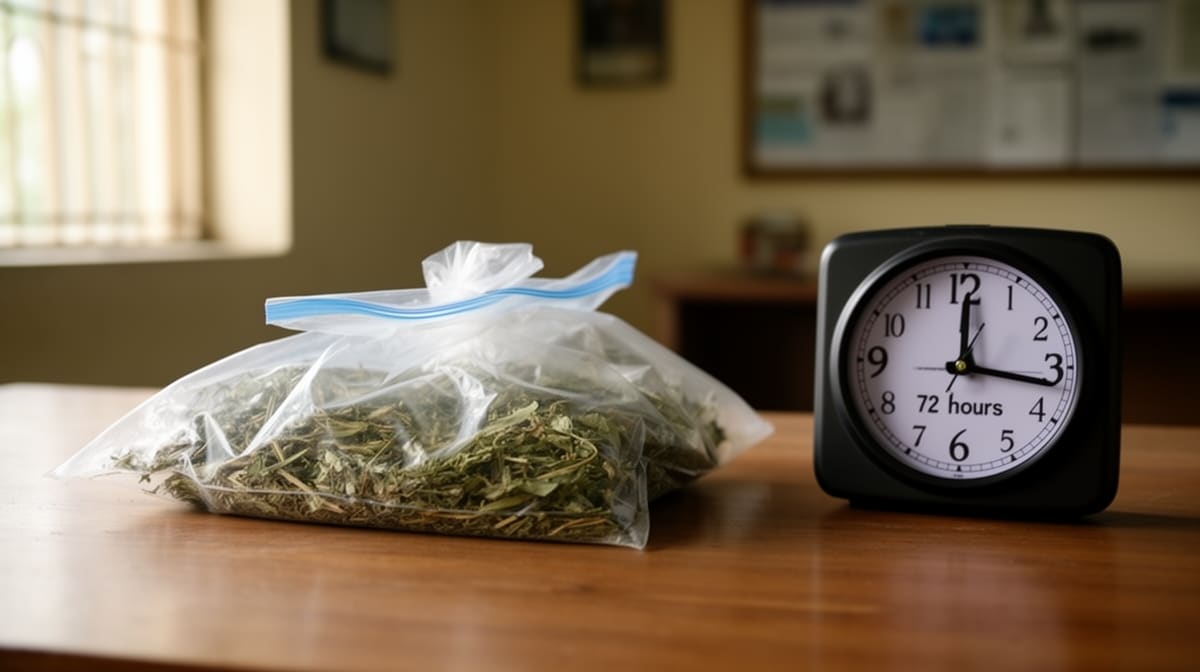
Rajasthan High Court grants bail in an NDPS case, emphasizing that inordinate delay in forensic testing and failure to comply with mandatory Standing Orders (requiring FSL submission within 72 hours) violate Article 21 rights, even for commercial quantities. The ruling underscores procedural lapses as grounds for bail, setting a precedent for similar cases.

Section 430 BNSS | Evidentiary Ambiguity in Drug Weight Measurement Justifies Suspension of NDPS Sentence After Half Term Served : Madras HC
Case Law Analysis
|Madras High Court

Section 430 BNSS | Evidentiary Ambiguity in Drug Weight Measurement Justifies Suspension of NDPS Sentence After Half Term Served : Madras HC

Madras High Court suspends a 10-year NDPS sentence after 4.6 years, ruling that ambiguity in ganja weight measurement-including whether stalks or bags were weighed-creates reasonable doubt warranting bail pending appeal. The decision underscores that prolonged incarceration without final disposal violates principles of justice, especially where forensic reports lack clarity on intoxicating ingredients.