The Madras High Court has set a significant precedent by suspending a 10-year sentence under the NDPS Act after the accused had served nearly half of it, emphasizing that prolonged incarceration without final adjudication, coupled with evidentiary ambiguity, warrants judicial intervention. This ruling reinforces the principle that procedural delays and uncertain forensic findings cannot justify continued detention pending appeal.
Background & Facts
The Dispute
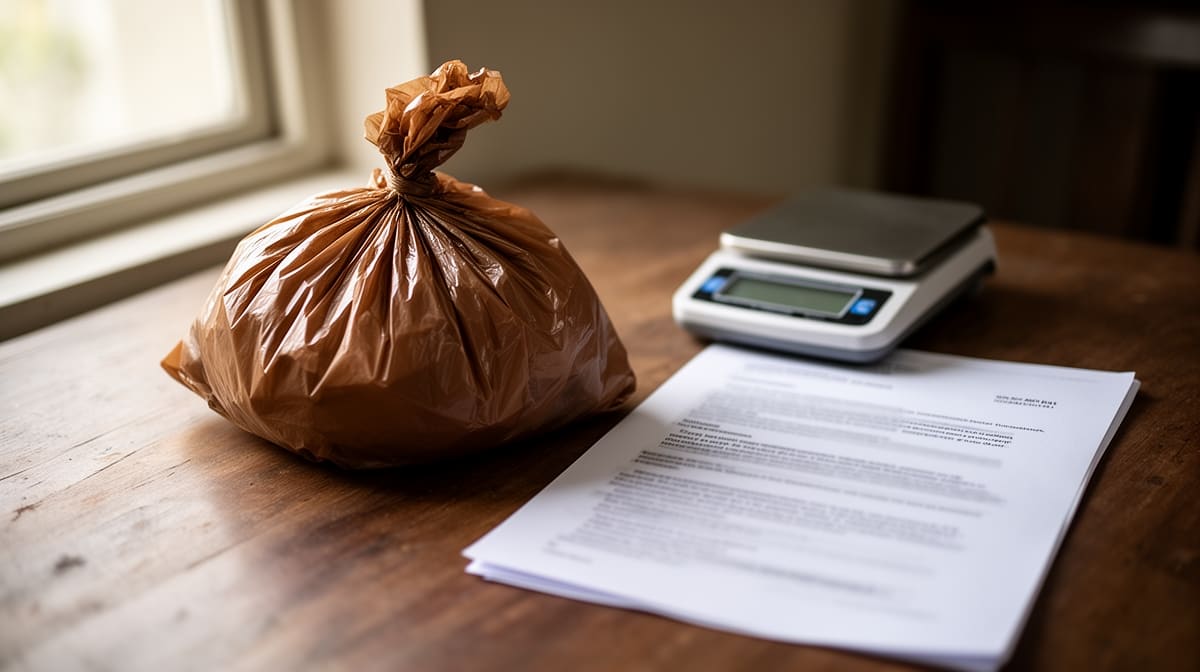
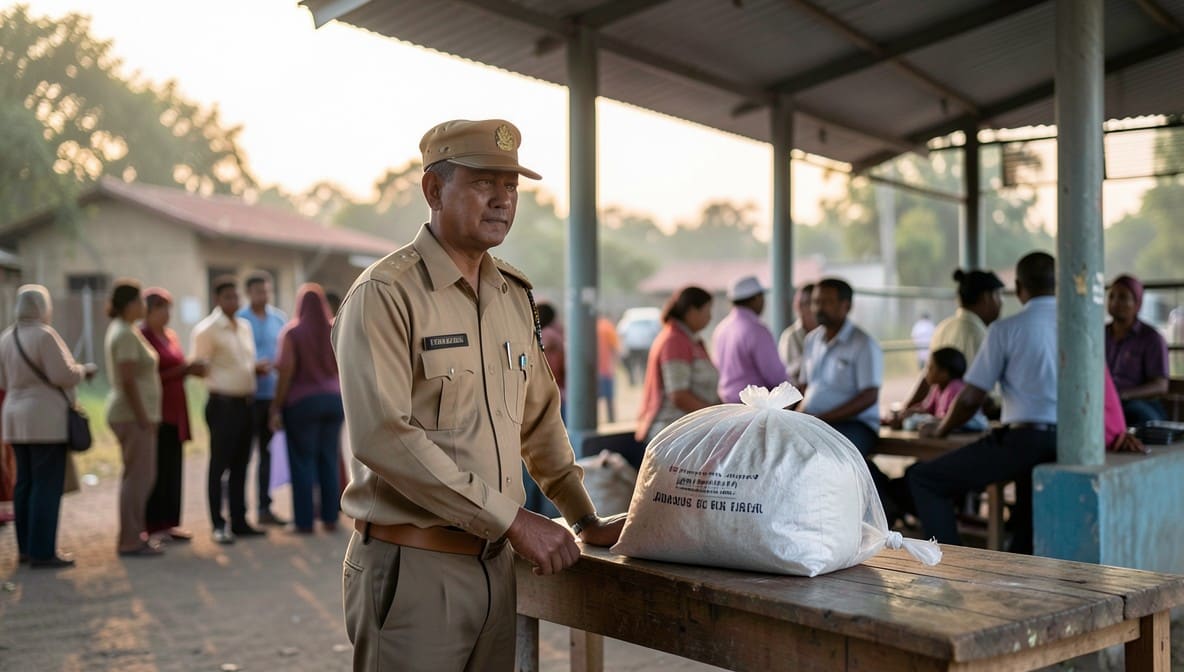
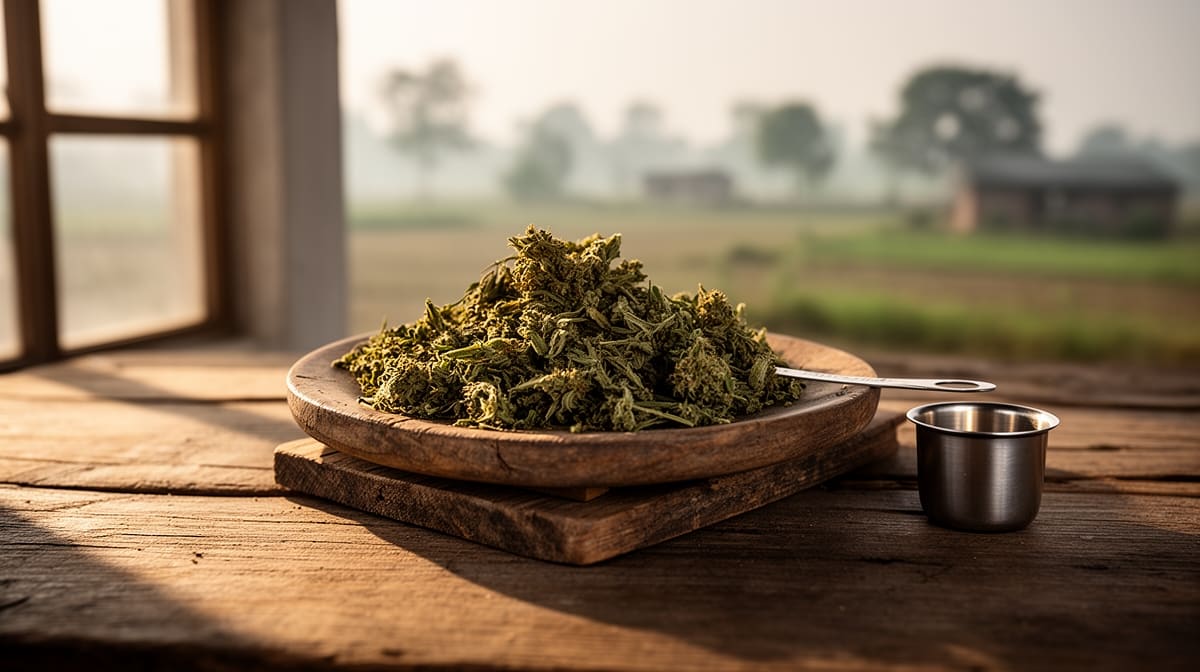
The petitioner, Naveenkumar, was convicted as Accused No.3 in Criminal Case No.66 of 2022 for offences under Section 8(c) read with Section 20(b)(ii)(B) and Section 29(1) of the NDPS Act, relating to the possession of 21 kg of ganja. He was sentenced to 10 years rigorous imprisonment and a fine of ₹1,00,000. The conviction was based on recovery records that did not clarify whether the weight included non-intoxicating parts of the cannabis plant - such as stalks, stems, or leaves - contrary to the statutory definition of "ganja" under the NDPS Act.
Procedural History
The case progressed through the following stages:
- 2021: Crime registered as Crime No.638 of 2021
- 2023: Trial Court convicted and sentenced petitioner
- 2024: Criminal Appeal No.519 of 2024 filed before Madras High Court and admitted
- 2024 - 2025: Two prior applications for suspension of sentence rejected due to large quantity of contraband
- 2026: Third application filed, relying on a recent High Court judgment highlighting measurement ambiguity in similar cases
Relief Sought
The petitioner sought suspension of the substantive sentence under Section 430 of the BNSS to be enlarged on bail pending final hearing of his appeal, citing prolonged incarceration of 4.6 years and arguable grounds of appeal concerning the accuracy of drug weight measurement.
The Legal Issue
The central question was whether Section 430 of the BNSS permits suspension of sentence in NDPS cases where the accused has served nearly half the term, the appeal is admitted, and there is credible ambiguity in the evidentiary basis for conviction - particularly regarding the weight of contraband under the statutory definition of "ganja".
Arguments Presented
For the Petitioner
The petitioner’s counsel relied on the recent judgment in Crl.A(MD) Nos.212 of 2020 etc. (dated 15.10.2025), where the Madras High Court held that convictions cannot be sustained where the weight of seized ganja is unclear due to failure to distinguish between intoxicating and non-intoxicating parts. The counsel argued that the petitioner’s case fell within this "borderline" category (21 - 25 kg), and that the absence of THC analysis further undermined the prosecution’s case. He emphasized the petitioner’s 4.6-year incarceration without final adjudication and the lack of prior criminal record.
For the Respondent
The Additional Public Prosecutor contended that the petitioner had not challenged the recovery during trial and had not raised the weight ambiguity issue before the trial court. He argued that the gravity of the offence under NDPS Act, involving 21 kg of contraband, warranted strict adherence to sentencing norms and that suspension would undermine deterrence. He also noted that the petitioner had previously filed two rejected applications, suggesting lack of merit.
The Court's Analysis
The Court acknowledged the seriousness of NDPS offences but emphasized that procedural fairness and the right to a timely appeal are constitutionally guaranteed under Article 21. It noted that the petitioner had already served 4.6 years - nearly half of the 10-year sentence - and that the appeal had remained pending due to judicial backlogs, not due to any fault of the accused.
"In all these cases there is some ambiguity whether the seized ganja was weighed excluding the weight of the bag, stalk, stem, luxuriant leaves or only flowering or fruiting tops of the cannabis plant. Even in the report there is no whisper about the presence of the Tetrahydrocannabinol as chief intoxicating ingredient."
The Court held that this ambiguity, previously recognized as fatal to conviction in a comparable case, rendered the petitioner’s appeal arguable. It further observed that the principle of proportionality and the doctrine of excessive pre-trial detention required judicial intervention. The Court distinguished this case from prior rejections, noting that the new legal ground - based on authoritative precedent - was not available at the time of earlier applications.
The Court concluded that the balance of convenience, the length of incarceration, and the potential for wrongful detention outweighed the State’s interest in continued custody pending appeal, especially where the evidentiary foundation is questionable.
The Verdict
The petitioner won. The Madras High Court suspended the 10-year rigorous imprisonment pending disposal of the criminal appeal, granting bail on strict conditions. The Court held that prolonged incarceration without final hearing, coupled with evidentiary ambiguity under the NDPS Act, justifies suspension of sentence under Section 430 BNSS.
What This Means For Similar Cases
Suspension Is Not Limited to Minor Offences
- Practitioners must now argue that NDPS cases involving borderline quantities (21 - 25 kg) and unclear forensic documentation are eligible for suspension, even if the quantity appears large
- The Court’s reference to "border cases" establishes a new threshold: quantity alone cannot override procedural fairness
Delay in Appeal Hearing Is a Ground for Relief
- Where appeals remain pending for over four years due to court backlogs, prolonged incarceration becomes a standalone ground for bail or sentence suspension
- This applies even if earlier applications were rejected - new legal arguments based on subsequent judgments must be reconsidered
Evidentiary Ambiguity Trumps Presumption of Guilt
- The absence of THC analysis or failure to separate intoxicating parts from plant matter creates reasonable doubt
- Defence counsel must now routinely demand forensic reports on composition, not just weight, in all ganja-related NDPS cases
- Prosecution must prove the seized material meets the statutory definition of "ganja" - not merely that it is cannabis plant material