Topic

Delay Condonation

Delay condonation in Indian law refers to the judicial discretion to accept late filings in courts when a reasonable explanation is provided, governed primarily by Section 5 of the Limitation Act and procedural rules like Order 22 CPC.

32 articlesLatest September 2026
Condonation of Delay Does Not Confer Interest on Compensation Under Section 54 Appeal | Land Acquisition : Punjab & Haryana HC
Case Law Analysis
|Punjab and Haryana High Court

Condonation of Delay Does Not Confer Interest on Compensation Under Section 54 Appeal | Land Acquisition : Punjab & Haryana HC

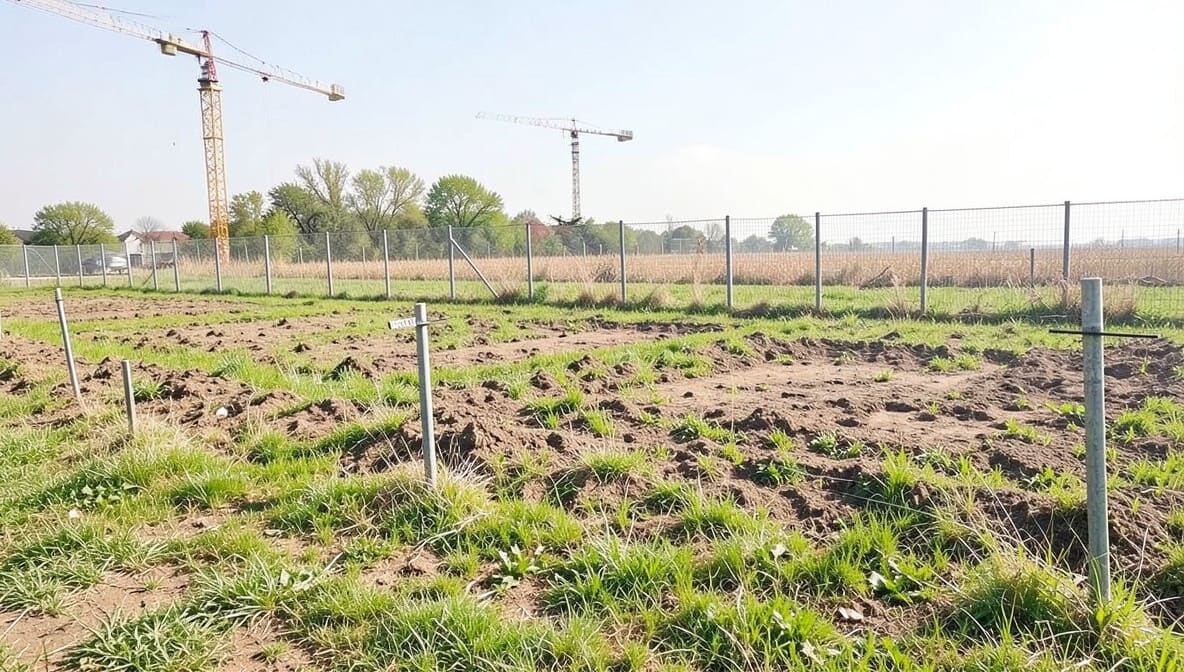
Even though the Punjab & Haryana High Court condoned a 1,388-day delay in filing the Section 54 appeal, it ruled that such condonation does not trigger interest on the awarded compensation. The decision clarifies that delay relief and interest entitlement are separate legal concepts, denying landowners any additional monetary award for the period of delay.

Compensation parity upheld and 12-year filing delay condoned | Section 4(1) Land Acquisition Act, 1894 : SC
Case Law Analysis
|Supreme Court of India

Compensation parity upheld and 12-year filing delay condoned | Section 4(1) Land Acquisition Act, 1894 : SC

Supreme Court accepted a 12-year filing delay and denied interest on the enhanced award. It confirmed that lands acquired under the 1999 notification must receive Rs 6.5 lakh per acre with statutory benefits, matching the Ravindra award. The decision ensures equal compensation for similarly situated landowners despite prolonged procedural delays.

Natural Justice Requires Hearing Before Rejecting Appeal for Delay | ITAT Raipur
Case Law Analysis
|Income Tax Appellate Tribunal

Natural Justice Requires Hearing Before Rejecting Appeal for Delay | ITAT Raipur

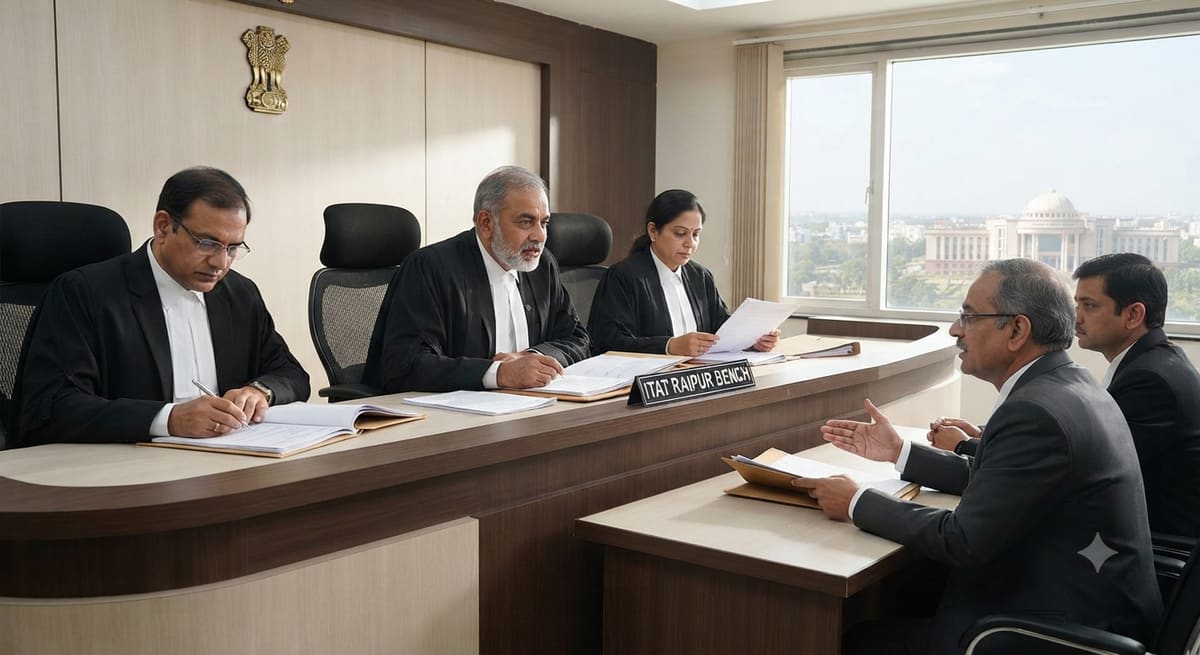
The ITAT Raipur bench ruled that dismissing an income tax appeal solely due to delay, without affording the appellant an opportunity to explain the reason, violates fundamental principles of natural justice. This sets a critical precedent for taxpayers and tax authorities alike: procedural fairness trumps technical non-compliance when substantive rights are at stake.

Delay Condonation Under Maharashtra Tenancy Act | Ignorance of 43-Year-Old Order No Excuse Without Proof of Non-Service : Bombay HC
Case Law Analysis
|Bombay High Court

Delay Condonation Under Maharashtra Tenancy Act | Ignorance of 43-Year-Old Order No Excuse Without Proof of Non-Service : Bombay HC

Bombay High Court rules that condonation of a 43-year delay in appealing a 1973 order cannot be granted solely on the plea of ignorance, especially when official records show notice and presence of parties. The court emphasized that natural justice principles require proof of non-service, not mere assertion, to justify such extraordinary delays in property disputes.

CrPC 116 | Delay Condoned for Illiterate, Landless Petitioners Due to Lawyer’s Illness and Legal Ignorance : Allahabad HC
Case Law Analysis
|Allahabad High Court

CrPC 116 | Delay Condoned for Illiterate, Landless Petitioners Due to Lawyer’s Illness and Legal Ignorance : Allahabad HC

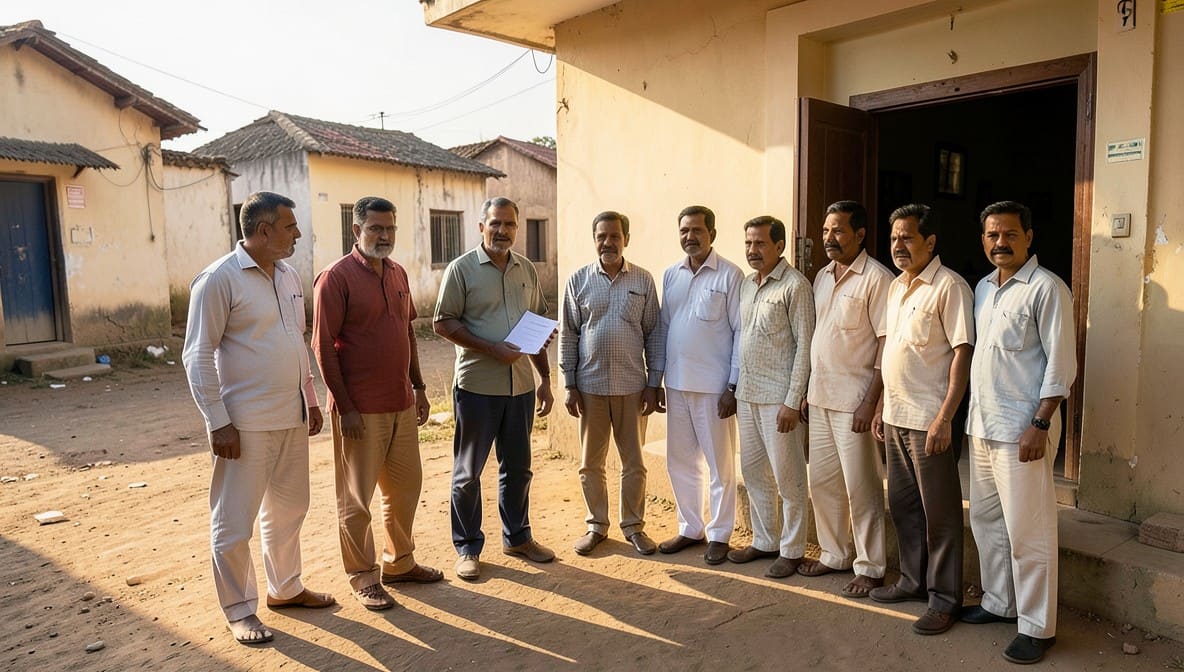
The Allahabad High Court condoned a seven-year delay in filing an appeal under CrPC 116 for 12 landless, illiterate petitioners, recognizing that their failure to act stemmed from their lawyer’s illness and complete lack of legal awareness. The court’s decision affirms that procedural rigidity must yield to substantive justice when poverty and vulnerability undermine access to legal recourse, setting a vital precedent for marginalized litigants.

Section 138 NI Act | Belated Cost Payment After Dismissal Validates Delay Condonation: Kerala HC
Case Law Analysis
|Kerala High Court

Section 138 NI Act | Belated Cost Payment After Dismissal Validates Delay Condonation: Kerala HC

The Kerala High Court has ruled that a complainant’s post-dismissal payment of court-ordered costs in a cheque bounce case reinstates the validity of delay condonation, affirming that substantial compliance, even if late, suffices to uphold the complaint. This sets a critical precedent for procedural fairness in NI Act cases where technical defaults are remedied in good faith.

Section 154(2A) MCS Act | Deposit Not Required for Delay Condonation in Recovery Proceedings : Bombay HC
|Bombay High Court

Section 154(2A) MCS Act | Deposit Not Required for Delay Condonation in Recovery Proceedings : Bombay HC

The Bombay High Court has ruled that requiring a 50% deposit of the recovery certificate amount under Section 154(2A) of the Maharashtra Co-operative Societies Act is not a mandatory condition for condoning delay in filing revision petitions. This removes a procedural barrier for cooperative society members challenging recovery orders, reinforcing that substantive justice outweighs rigid compliance in appellate remedies.

Section 249, Income-tax Act | Delay Condonation Permitted When Technical Defects Cannot Override Substantial Justice : ITAT Dehradun
Case Law Analysis
|Income Tax Appellate Tribunal

Section 249, Income-tax Act | Delay Condonation Permitted When Technical Defects Cannot Override Substantial Justice : ITAT Dehradun

ITAT Dehradun condoned a 399-day delay in filing an income tax appeal, reaffirming that rigid procedural compliance must yield to the principle of substantial justice established in Collector v. Katiji. This ruling empowers taxpayers facing genuine hardship to seek redress without being barred by technicalities, reinforcing the tribunal’s role as a forum for equitable tax justice.

Tax Appeal Limitation Period | Date of Actual Communication, Not Order Date, Triggers Limitation; Revenue Must Rebut Dealer's Claim : Allahabad HC
Case Law Analysis
|Allahabad High Court

Tax Appeal Limitation Period | Date of Actual Communication, Not Order Date, Triggers Limitation; Revenue Must Rebut Dealer's Claim : Allahabad HC

Allahabad HC rules that the limitation period for tax appeals begins from the date of actual communication of the order, not its issuance. The Revenue bears the burden of rebutting the dealer's claim with cogent evidence; absent such proof, the dealer's stated communication date stands. This reinforces procedural fairness in tax disputes and curtails arbitrary dismissal of appeals on technical grounds.

Section 257 Maha LR Code | Revisional Powers Barred by 24-Year Delay Without Statutory Limitation : Bombay HC
|Bombay High Court

Section 257 Maha LR Code | Revisional Powers Barred by 24-Year Delay Without Statutory Limitation : Bombay HC

Bombay High Court rules that even in the absence of a statutory limitation period, revisional powers under Section 257 of the Maharashtra Land Revenue Code cannot condone a 24-year delay in challenging a mutation entry. The judgment underscores that legal certainty and reasonable timeframes apply to administrative actions, impacting property disputes and revenue law proceedings.

Section 5 Limitation Act | Tribunals Lack Inherent Power to Condone Delay in Review Applications: CAT Lucknow Bench
Case Law Analysis
|Central Administrative Tribunal

Section 5 Limitation Act | Tribunals Lack Inherent Power to Condone Delay in Review Applications: CAT Lucknow Bench

CAT Lucknow rules that tribunals, including the Central Administrative Tribunal, cannot condone delay under Section 5 of the Limitation Act unless expressly empowered by statute or rules. The decision clarifies that the tribunal's procedural flexibility under Section 22 of the Administrative Tribunals Act does not extend to delay condonation, impacting review applicants across administrative law proceedings.

Natural Justice | Ex Parte Tax Orders Set Aside for Delay Due to Spouse’s Death and Medical Emergency : ITAT Surat
Case Law Analysis
|Income Tax Appellate Tribunal

Natural Justice | Ex Parte Tax Orders Set Aside for Delay Due to Spouse’s Death and Medical Emergency : ITAT Surat

The ITAT Surat has set aside ex parte orders against a widow who missed hearings due to her husband’s death and her own medical crisis, holding that procedural rigidity cannot override the foundational right to a fair hearing. This ruling reinforces that financial hardship and personal tragedy constitute sufficient cause for condonation of delay in tax appeals, protecting vulnerable litigants from punitive outcomes without merit-based adjudication.

Section 166 MV Act | Limitation Period Cannot Bar Motor Accident Claims Pending SC Ruling on Limitation : CGHC
Case Law Analysis
|Chhattisgarh High Court

Section 166 MV Act | Limitation Period Cannot Bar Motor Accident Claims Pending SC Ruling on Limitation : CGHC

Chhattisgarh High Court rules that Motor Accident Claims Tribunals cannot dismiss petitions under Section 166 MV Act solely on limitation grounds while the Supreme Court's final decision on limitation remains pending. All claims may proceed to hearing, but no final award can be passed until the apex court's ruling, ensuring claimants are not prejudiced by procedural delays.