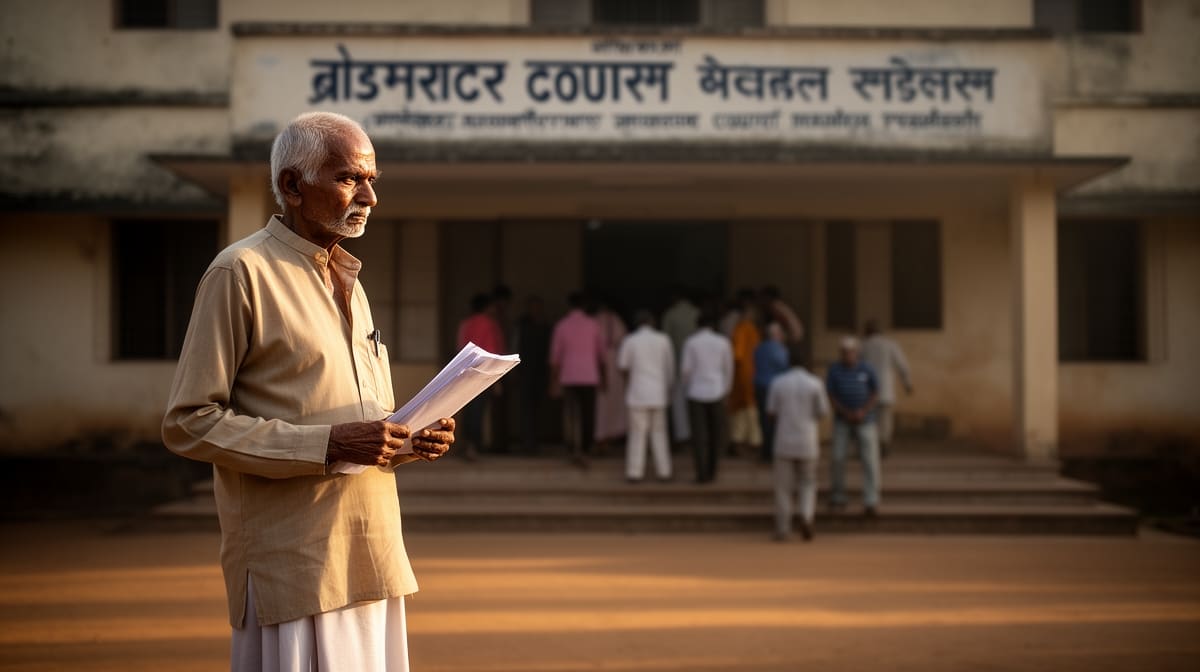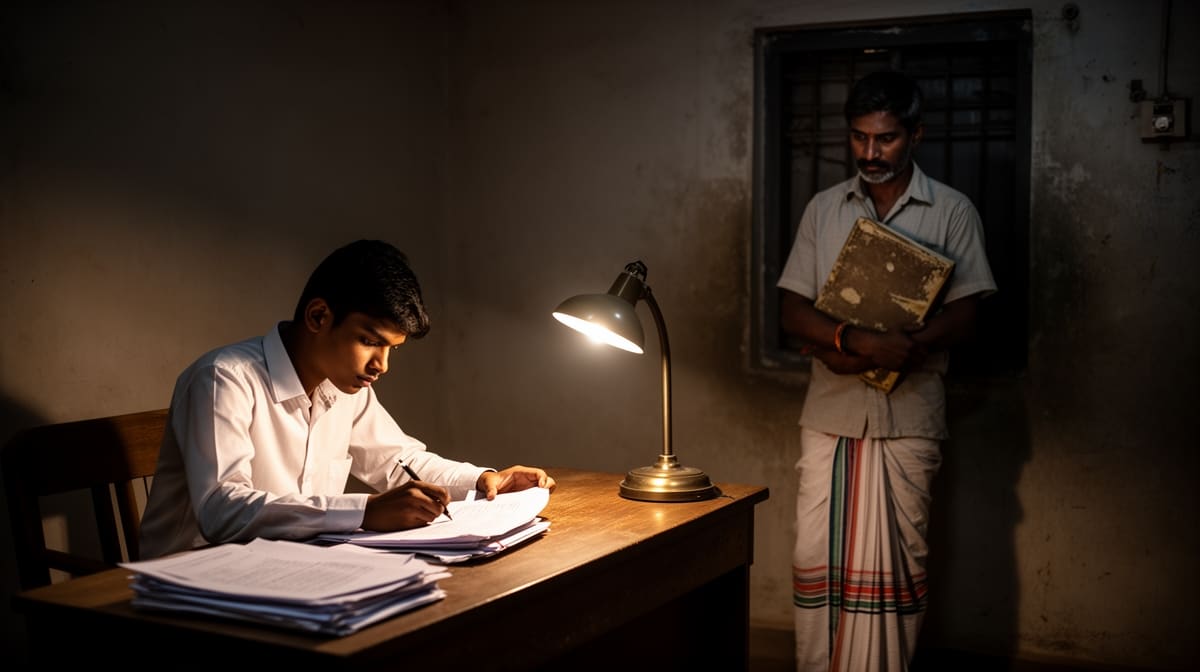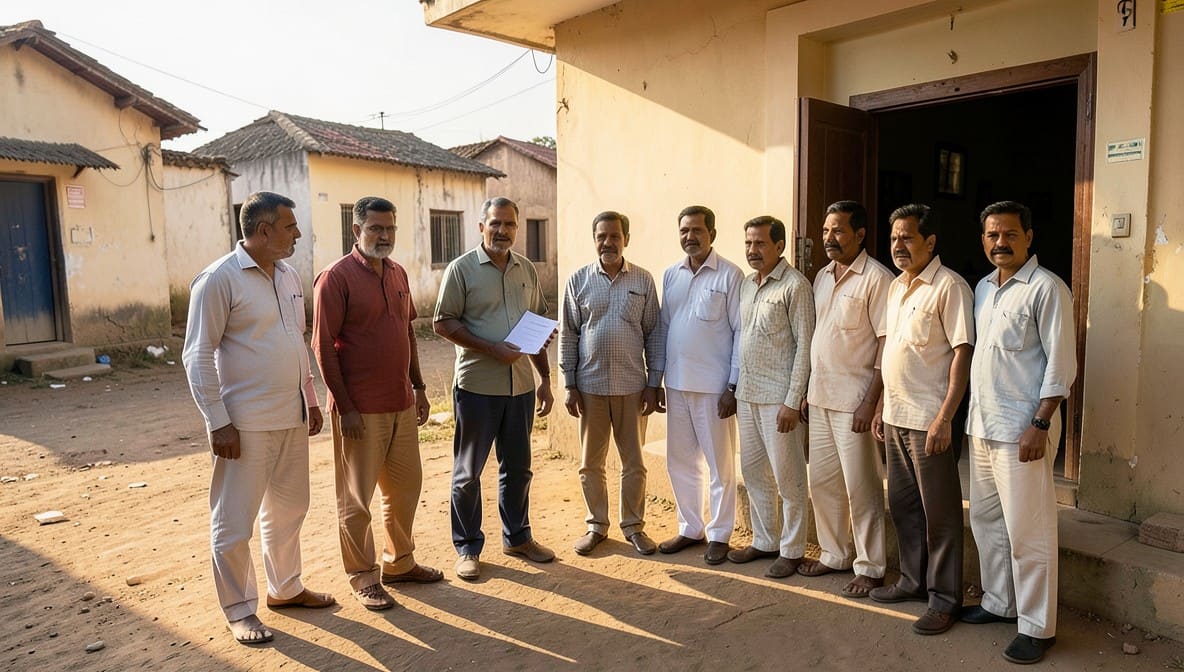
The Allahabad High Court has set a significant precedent by condoning a seven-year delay in filing a criminal appeal under Section 116 CrPC, recognizing that systemic disadvantage and lack of legal access must not bar justice for marginalized litigants. The judgment underscores that procedural rigidity must yield to equity when petitioners are impoverished, illiterate, and reliant on counsel whose illness disrupted their legal recourse.
Background & Facts
The Dispute
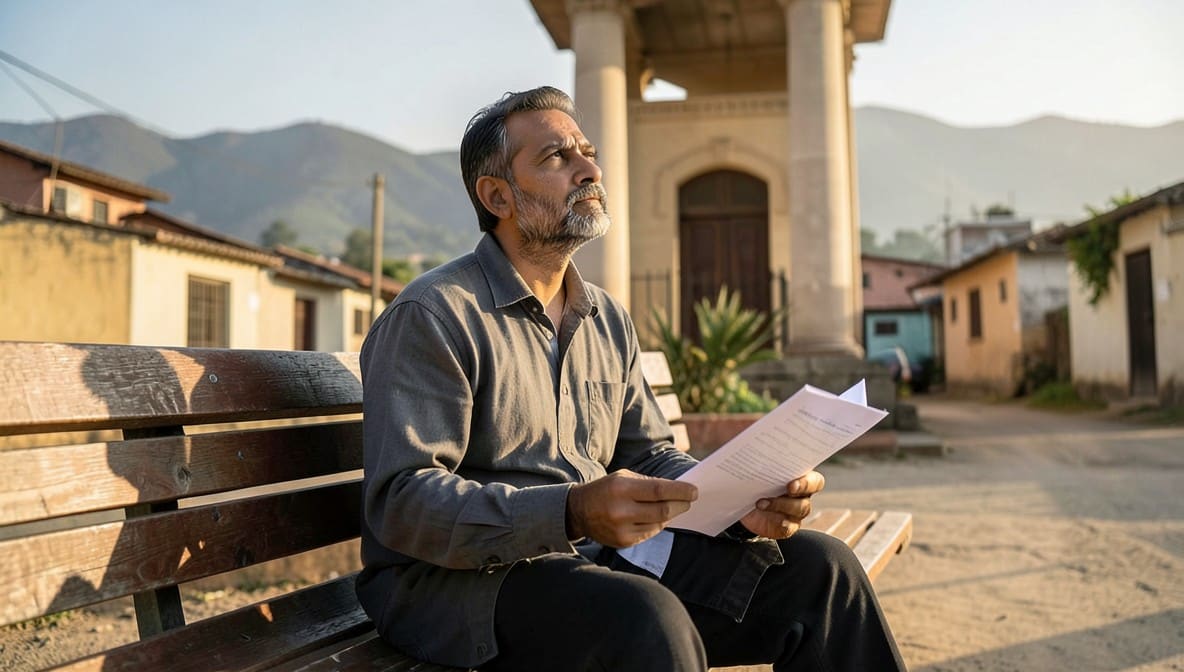
The petitioners, 12 landless rural residents from Village Pariyawali, District Sambhal, were subjected to proceedings initiated under Section 107/116 CrPC in Case No. 354 of 2017 before the Court of the Sub-Divisional Magistrate, Asmoli Police Station. These proceedings, typically invoked to maintain public peace and prevent breach of peace, resulted in an order dated 18.10.2017 against the petitioners. The petitioners sought to challenge this order by filing an appeal.
Key Facts
- The impugned order under Section 116 CrPC was passed on 18.10.2017
- The petitioners filed Criminal Appeal No. 124 of 2025 before the Court of District & Sessions Judge, Sambhal (Chandausi), seeking to set aside the order
- The appeal was filed on 04.07.2025, more than seven years after the impugned order
- The delay in filing the appeal was 7 years, 8 months, and 16 days
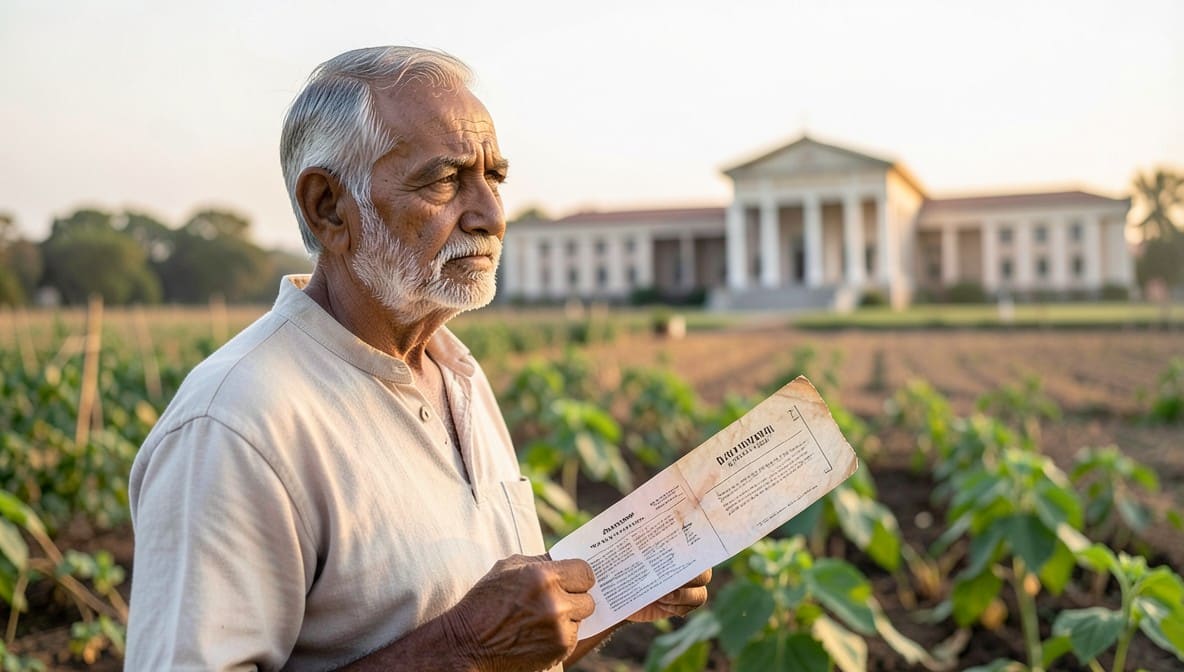
- The petitioners are described as landless, rustic, and without legal knowledge
- The advocate originally assigned to represent them fell seriously ill, causing a prolonged interruption in legal representation
- No legal notice or formal communication was received by the petitioners regarding the need to file an appeal within a prescribed period
Procedural History
- 18.10.2017: Order passed under Section 116 CrPC against the petitioners
- 04.07.2025: Criminal Appeal No. 124 of 2025 filed before the District & Sessions Judge, Chandausi
- 12.02.2026: Delay condonation application rejected by the Sessions Judge on grounds of excessive delay
- 25.06.2026: Writ petition under Article 227 filed before the Allahabad High Court challenging the rejection of delay condonation
Relief Sought
The petitioners sought condonation of the delay in filing the appeal, restoration of Criminal Appeal No. 124 of 2025, and an opportunity to argue the merits of their case before the appellate court. They offered to pay Rs. 1,000 each as cost to the State as a condition for condonation.
The Legal Issue
The central question was whether a delay of over seven years in filing a criminal appeal under Section 116 CrPC can be condoned when the delay arises from the illness of the counsel and the petitioners’ socio-economic vulnerability, absence of legal awareness, and lack of resources.
Arguments Presented
For the Petitioner
Learned counsel for the petitioners submitted that the delay was neither intentional nor mala fide. The petitioners, being landless and rustic, had no understanding of legal procedures. The sole advocate assigned to them fell ill, and no substitute counsel was appointed or sought due to financial constraints. The petitioners made a sincere offer to pay Rs. 1,000 each as cost to the State, demonstrating good faith. The petitioners relied on the principle that justice should not be denied on technical grounds when the litigant is disadvantaged.
For the Respondent
The Additional Government Advocate conceded that while the delay was substantial, the merits of the petitioners’ case should not be defeated solely on procedural grounds. He stated that the State was not opposed to condonation if the petitioners deposited a nominal cost, and that the court should not allow technicalities to override substantive justice.
The Court's Analysis
The Court acknowledged the extraordinary length of the delay but emphasized that the doctrine of delay and laches must be applied with sensitivity in cases involving marginalized litigants. The Court noted that the petitioners were not merely negligent but were victims of circumstances beyond their control: lack of education, economic hardship, and the unforeseen illness of their counsel.
"The petitioners are landless people and they are rustic also, they had no knowledge regarding the legal recourse which they had to adopt in that regard."
The Court held that the purpose of condonation of delay under Section 5 of the Limitation Act, read with the inherent powers of the High Court under Article 227, is to ensure that justice is not defeated by procedural technicalities. The Court distinguished this case from those involving deliberate delay or negligence by parties with legal awareness. The offer of Rs. 1,000 per petitioner as cost was deemed sufficient to offset any prejudice to the State and to reflect the petitioners’ commitment to pursue their remedy.
The Court further observed that Section 116 CrPC proceedings are preventive in nature and often involve minor public order concerns. Denying access to appellate review on the sole ground of delay, in such circumstances, would amount to a denial of the right to a fair hearing under Article 21 of the Constitution.
The Verdict
The petition succeeded. The High Court set aside the order dated 12.02.2026 rejecting the delay condonation application. The delay of 7 years, 8 months, and 16 days is condoned subject to the deposit of Rs. 12,000 (Rs. 1,000 each by the 12 petitioners) with the court below by 17.07.2026. If deposited, the appellate court shall restore Criminal Appeal No. 124 of 2025 and hear it on merits. If the cost is not deposited by the deadline, the benefit shall stand extinguished without further reference to this Court. The Court clarified that this order does not express any opinion on the merits of the appeal.
What This Means For Similar Cases
Delay Can Be Condoned for Socio-Economic Disadvantage
- Practitioners representing indigent clients in criminal appeals under CrPC 107/116 may now invoke this judgment to argue for condonation of delay where poverty, illiteracy, or illness of counsel caused the delay
- Courts must evaluate delay in context of the litigant’s access to legal resources, not merely calendar time
- Offer of nominal cost (even Rs. 1,000 per petitioner) can be a decisive factor in favor of condonation
Counsel’s Illness Is a Valid Ground for Delay
- The illness of a sole counsel, especially in rural or under-resourced settings, qualifies as an extraordinary circumstance warranting condonation
- Courts should not require petitioners to independently secure substitute counsel when they lack financial means
- This principle extends beyond CrPC 116 to other criminal appeals where legal aid is unavailable
Article 227 as a Tool for Substantive Justice
- High Courts may use their supervisory jurisdiction under Article 227 to correct manifest injustice caused by rigid application of limitation rules
- This judgment reinforces that Article 227 is not merely procedural but a constitutional safeguard against denial of justice
- Practitioners should cite this case when challenging rejection of delay condonation in appeals involving vulnerable litigants