Topic

civil disputes

Civil disputes in Indian law refer to non-criminal conflicts between private parties, such as property, contractual, or co-operative society matters, where state intervention is limited without statutory authority.

7 articlesLatest June 2026
Police Barred from Interfering in Civil Disputes at Private Party's Behest | State Circular Binding Under Allahabad HC Writ Jurisdiction : Allahabad HC
Case Law Analysis
|Allahabad High Court

Police Barred from Interfering in Civil Disputes at Private Party's Behest | State Circular Binding Under Allahabad HC Writ Jurisdiction : Allahabad HC

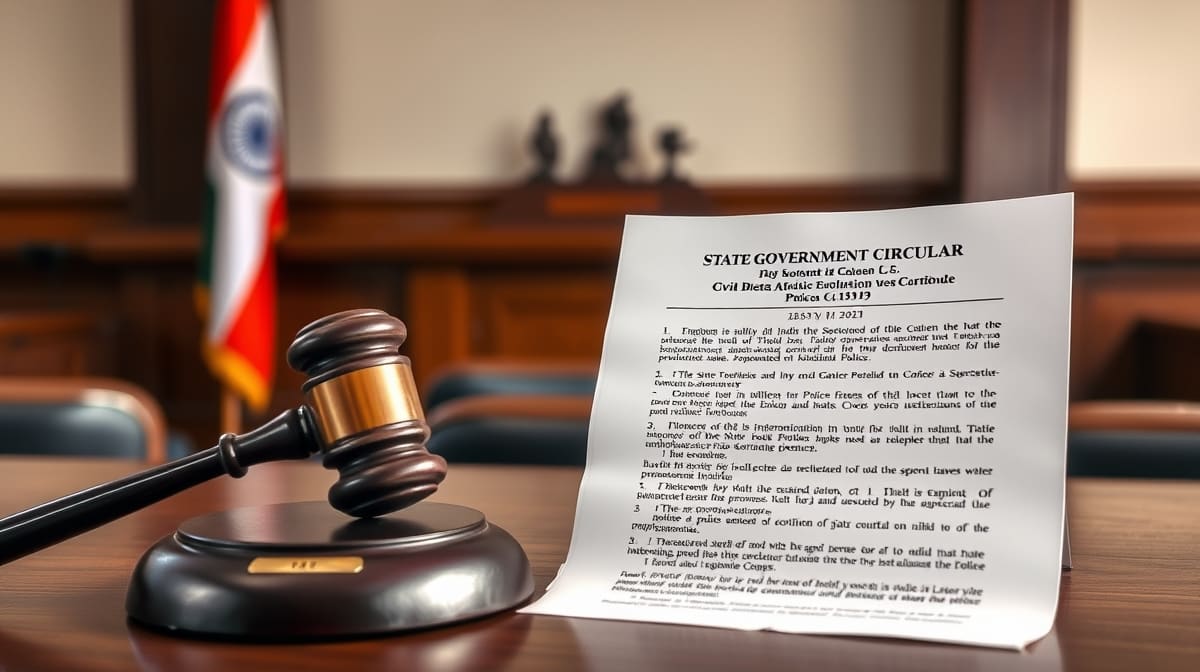
The Allahabad High Court has affirmed that state police must strictly adhere to the 2023 circular prohibiting intervention in civil disputes at the request of private parties, reinforcing that such restraint is not a grant of preferential rights but a procedural safeguard to prevent abuse of power. This ruling clarifies the limits of police authority in pending civil litigation and protects citizens from coercive harassment disguised as law enforcement.


Police Cannot Issue Status Quo Orders in Private Property Disputes | Mandamus Granted Against Unauthorized Interference : Allahabad HC
Case Law Analysis
|Allahabad High Court

Police Cannot Issue Status Quo Orders in Private Property Disputes | Mandamus Granted Against Unauthorized Interference : Allahabad HC

The Allahabad High Court has ruled that police have no legal authority to issue status quo directions in private property disputes, as such orders fall exclusively within the domain of civil courts. This decision reinforces that law enforcement must confine itself to maintaining public order, not adjudicating title or possession claims - a critical safeguard for property owners facing coercive administrative interference.

Article 226 | Police Cannot Interfere in Civil Disputes Like Land Acquisition Compensation Without Statutory Process : Andhra Pradesh HC
|Andhra Pradesh High Court

Article 226 | Police Cannot Interfere in Civil Disputes Like Land Acquisition Compensation Without Statutory Process : Andhra Pradesh HC

Andhra Pradesh High Court holds that police lack jurisdiction to summon parties in civil disputes, such as land acquisition compensation, without following statutory remedies under the Land Acquisition Act, 2013. The ruling reinforces that writ petitions under Article 226 are the appropriate recourse for aggrieved parties, preventing arbitrary police interference in civil matters.

Section 21-A MCS Act | De-Registration of Co-operative Society Requires Proof of Fraud at Registration Stage : Bombay HC
Case Law Analysis
|Bombay High Court

Section 21-A MCS Act | De-Registration of Co-operative Society Requires Proof of Fraud at Registration Stage : Bombay HC

Bombay HC clarifies that de-registration under Section 21-A of the Maharashtra Co-operative Societies Act mandates evidence of fraud during registration, not merely title disputes, pending FIRs, or procedural lapses. The ruling restores the society's registration, reinforcing that fraud must be proven at the inception stage for de-registration to be valid.

Article 21 & Police Jurisdiction | Police Harassment in Civil Disputes Violates Constitutional Rights : AP HC Issues Mandamus
Case Law Analysis
|Andhra Pradesh High Court

Article 21 & Police Jurisdiction | Police Harassment in Civil Disputes Violates Constitutional Rights : AP HC Issues Mandamus

Andhra Pradesh High Court rules that police interference in civil disputes, including pressuring parties to settle financial matters, is illegal and violates Article 21 of the Constitution. The Court issued a writ of mandamus directing police to refrain from such actions, reinforcing the boundary between civil and criminal jurisdiction.