The Bombay High Court has clarified that Section 94 of the Right to Fair Compensation and Transparency in Land Acquisition, Rehabilitation and Resettlement Act, 2013 (LARR Act) cannot be invoked to halt acquisitions undertaken under the National Highways Act, 1956. This ruling reinforces statutory boundaries between general land acquisition frameworks and sector-specific regimes, with critical implications for infrastructure projects and property rights.
Background & Facts
The Dispute
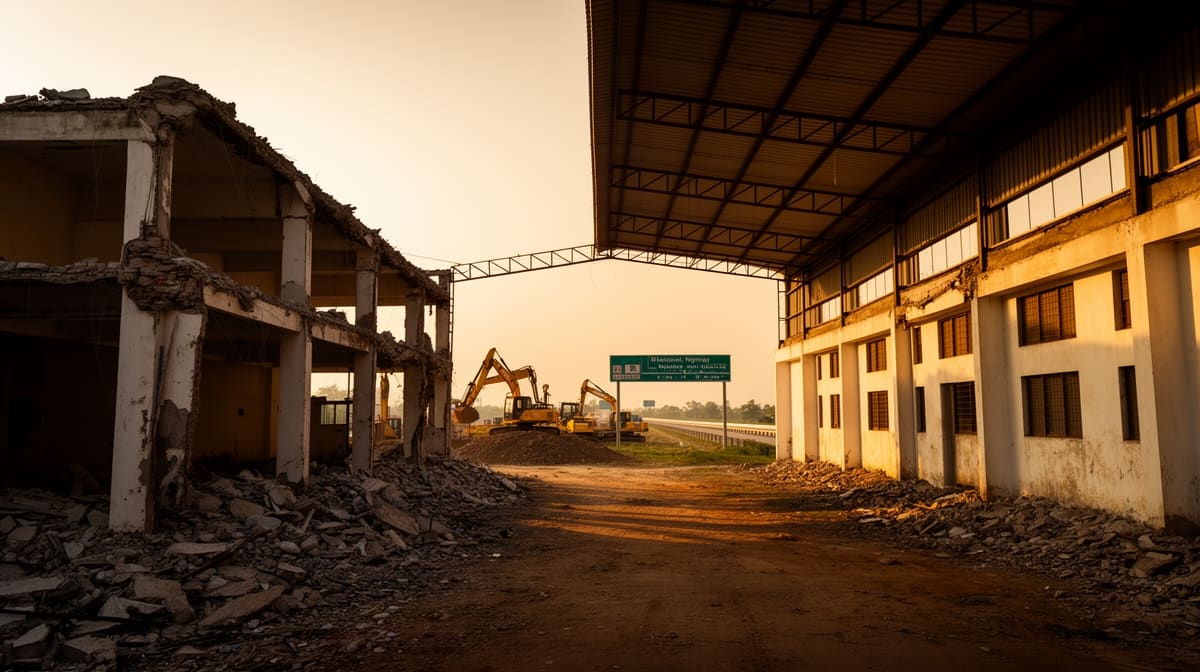
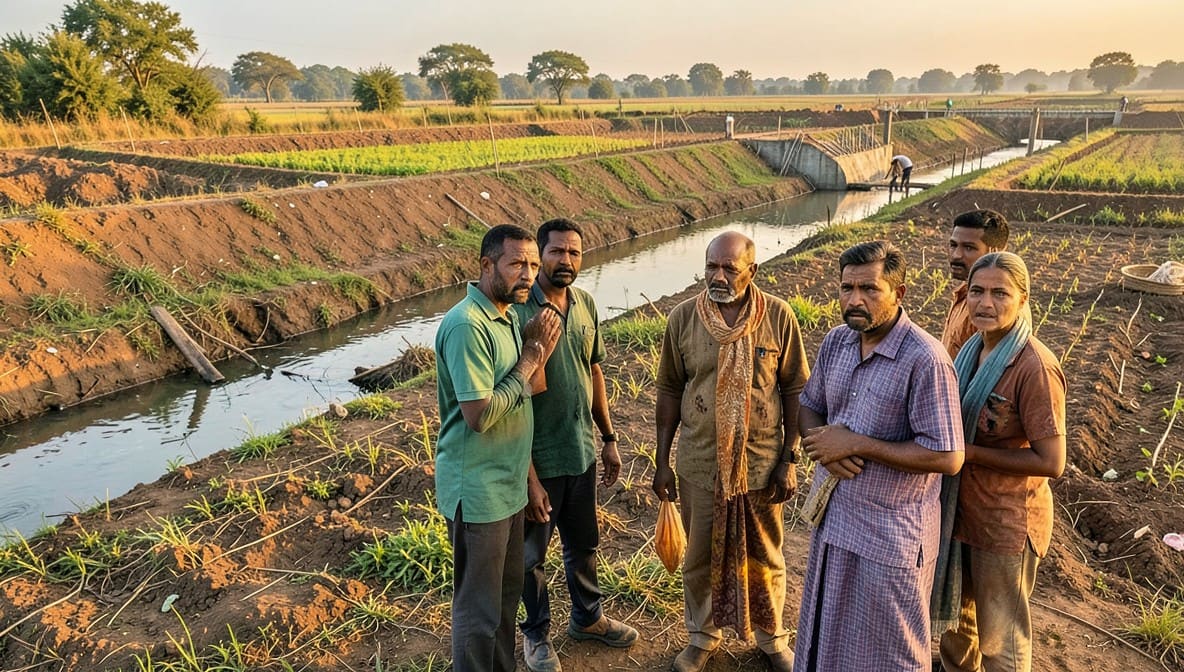
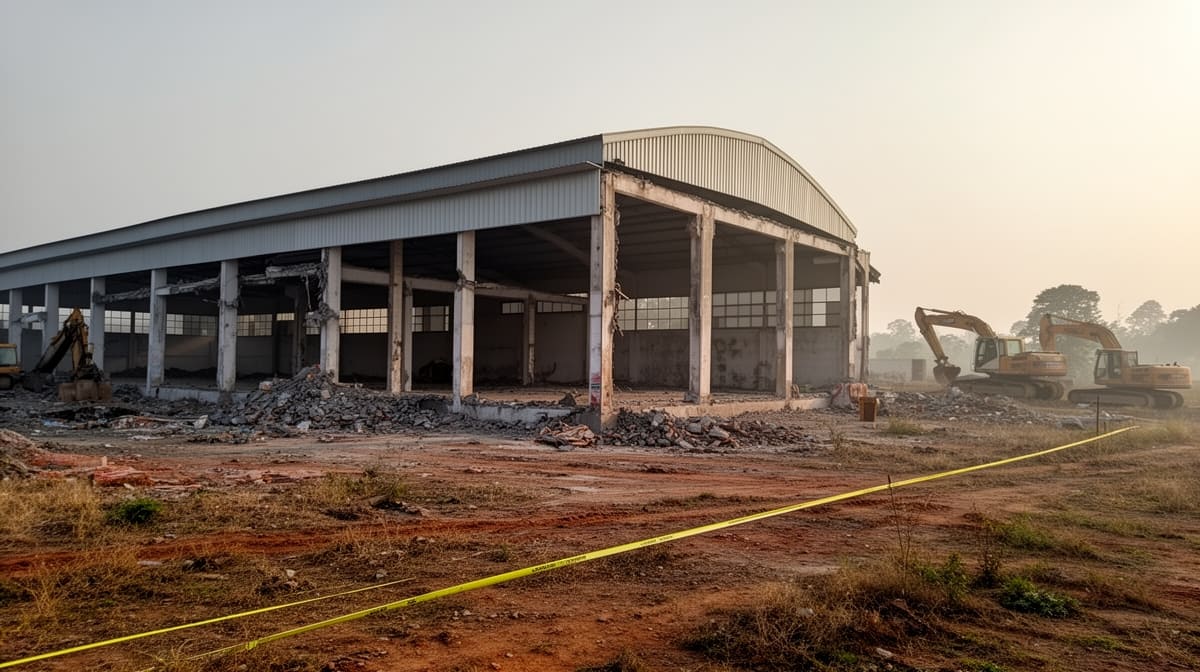
The petitioners, owners of independent galas within Godown L1 at Bhoirgaon, Thane, challenged a letter issued by the National Highway Authority of India (NHAI) authorizing partial demolition of the building. They claimed that since their galas formed part of the same structure, the entire building should be acquired under Section 94 of the LARR Act, which prohibits acquisition of only a part of a building if the owner desires full acquisition. They argued that partial demolition would adversely affect their business operations and easementary rights.
Procedural History
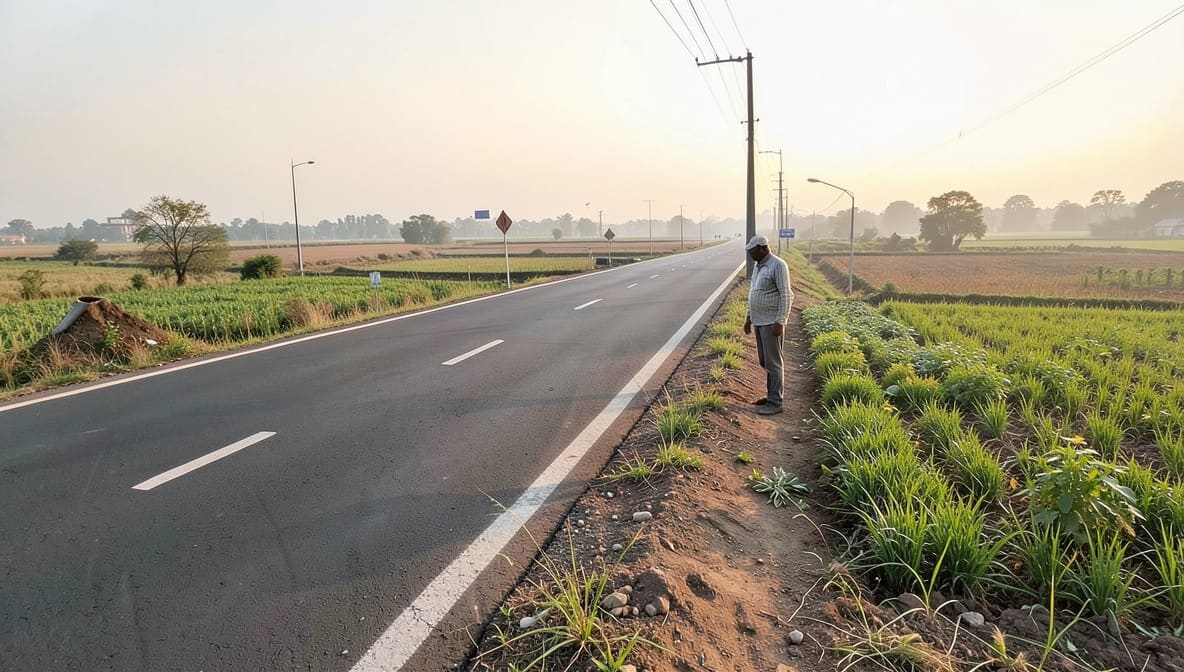
- December 2020: Central Government issued Notification under Section 3-A of the National Highways Act for acquisition of land for the Vadodara-Mumbai Expressway.
- January 2021: Public notices published in Marathi and English newspapers inviting objections.
- January 2022: Notices under Section 3-G(3) of the Highways Act issued, inviting claims from interested persons.
- November 2023: Land acquisition award pronounced by the Competent Authority; petitioners did not file any claims.
- October 2025: Petitioners first raised objections under Section 94 of the LARR Act, nearly two years after the award.
- November 2025: Petitioners filed writ petition challenging NHAI’s demolition notice.
Relief Sought
The petitioners sought quashing of NHAI’s letter, a stay on demolition, and invocation of Section 94 of the LARR Act to compel acquisition of the entire Godown L1 structure. They also invoked Article 300-A of the Constitution, alleging violation of their right to property.
The Legal Issue
The central question was whether Section 94 of the LARR Act, 2013 applies to land acquisitions carried out under the National Highways Act, 1956, and whether petitioners, who failed to raise claims during statutory notice periods, can invoke this provision belatedly to obstruct ongoing infrastructure work.
Arguments Presented
For the Petitioner
The petitioners contended that Section 94 of the LARR Act should apply because:
- They are co-owners of Godown L1, and partial acquisition affects the structural and commercial integrity of the entire building.
- The Central Government’s Notification dated 28.08.2015 under Section 105(3) of the LARR Act, which applies compensation, rehabilitation, and resettlement provisions to acquisitions under the Highways Act, implicitly includes Section 94 since it pertains to compensation.
- Reliance was placed on State of Maharashtra v. Reliance Industries and Union of India v. Tarsem Singh to argue against discrimination in compensation principles.
- They claimed ignorance of the acquisition until demolition commenced, despite public notices.
For the Respondent/State
The respondents countered that:
- Section 105 of the LARR Act, read with the Fourth Schedule, expressly excludes the application of the LARR Act to acquisitions under the National Highways Act.
- The 2015 Notification only applies the First, Second, and Third Schedules - pertaining to compensation calculation, rehabilitation, and infrastructure - not miscellaneous provisions like Section 94.
- Petitioners failed to respond to statutory notices under Sections 3-A and 3-G of the Highways Act, thereby forfeiting their right to object.
- The IIT Bombay report confirmed no structural impact on the petitioners’ galas, rendering their claim baseless.
- Allowing belated invocation of Section 94 would undermine the speed and finality mandated by the Highways Act.
The Court's Analysis
The Court undertook a rigorous textual and contextual analysis of Section 105 of the LARR Act and the 2015 Notification. It emphasized that Section 105(1) creates a general bar on applying the LARR Act to acquisitions under enactments listed in the Fourth Schedule, including the National Highways Act. The only exception permitted under Section 105(3) is the application of specific schedules - compensation (First), rehabilitation (Second), and infrastructure (Third) - but not other provisions.
"The exceptions carved out by the Notification dated 28.08.2015 have to be read strictly. They pertain only to the First, Second and Third Schedules... Section 94 of the Act of 2013 is one of the provisions found in the Chapter pertaining to Miscellaneous Provisions."
The Court distinguished Union of India v. Tarsem Singh, noting that while that case mandated uniformity in compensation principles (including solatium and interest), it did not extend to procedural or structural provisions like Section 94. The object of the 1997 amendments to the Highways Act - speedy acquisition for national highways - would be defeated if every LARR Act provision were imported.
The Court also rejected reliance on State of Maharashtra v. Reliance Industries, observing that the Supreme Court in that case had explicitly recognized that independent units (like flats or galas) within a building may be acquired separately. The petitioners, as owners of discrete galas, were not owners of the entire building.
The Court further held that the petitioners’ failure to respond to public notices under Sections 3-A and 3-G of the Highways Act rendered their belated claim legally unsustainable. The doctrine of laches and the principle of finality in acquisition proceedings weighed heavily against them.
However, the Court acknowledged that even non-acquired owners may suffer adverse effects on their business or easementary rights. It noted that Section 3-G(2) of the Highways Act and Section 28(vii) of the LARR Act permit compensation for such indirect impacts, even if the property is not acquired.
"The right of the petitioners to that limited extent can be considered and examined by the Competent Authority... without restraining NHAI from proceeding with possession and demolition."
Thus, while rejecting the invocation of Section 94, the Court preserved a narrow avenue for compensation claims based on demonstrable adverse effects on business or easement.
The Verdict
The petitioners lost on their primary claim. The Court held that Section 94 of the LARR Act does not apply to acquisitions under the National Highways Act. However, the petitioners were permitted to approach the Competent Authority for compensation for any demonstrable adverse impact on their business or easementary rights arising from the partial demolition of Godown L1, subject to a six-month timeline.
What This Means For Similar Cases
Section 94 LARR Act Is Not a Universal Shield
- Practitioners must now distinguish between general land acquisition statutes and sector-specific regimes like the Highways Act.
- Belated invocation of Section 94 after acquisition awards are passed will not be entertained.
- Owners of partial units within a building cannot claim full acquisition unless they own the entire structure.
Compensation for Indirect Effects Remains Available
- Even if property is not acquired, owners may claim compensation under Section 3-G(2) of the Highways Act or Section 28(vii) of the LARR Act for:
- Loss of business due to disruption
- Easementary rights affected by demolition
- Structural or operational interference
- Such claims must be filed with the Competent Authority, not through writ petitions.
- Expert reports (e.g., IIT) may be relied upon but do not preclude claimants from submitting counter-evidence.
Procedural Compliance Is Final
- Failure to respond to statutory notices under Sections 3-A and 3-G of the Highways Act extinguishes the right to object.
- Writ courts will not entertain challenges to acquisition awards after two years unless a fundamental procedural flaw is shown.
- Infrastructure projects cannot be stalled by delayed claims, even if they involve constitutional rights under Article 300-A.