The Calcutta High Court has clarified that statutory delays in applying for permit renewal under the Motor Vehicles Act are not fatal if the applicant demonstrates good and sufficient cause. This ruling reinforces the principle that administrative rigidity must yield to equitable considerations when procedural lapses stem from legitimate personal hardship.
Background & Facts
The Dispute
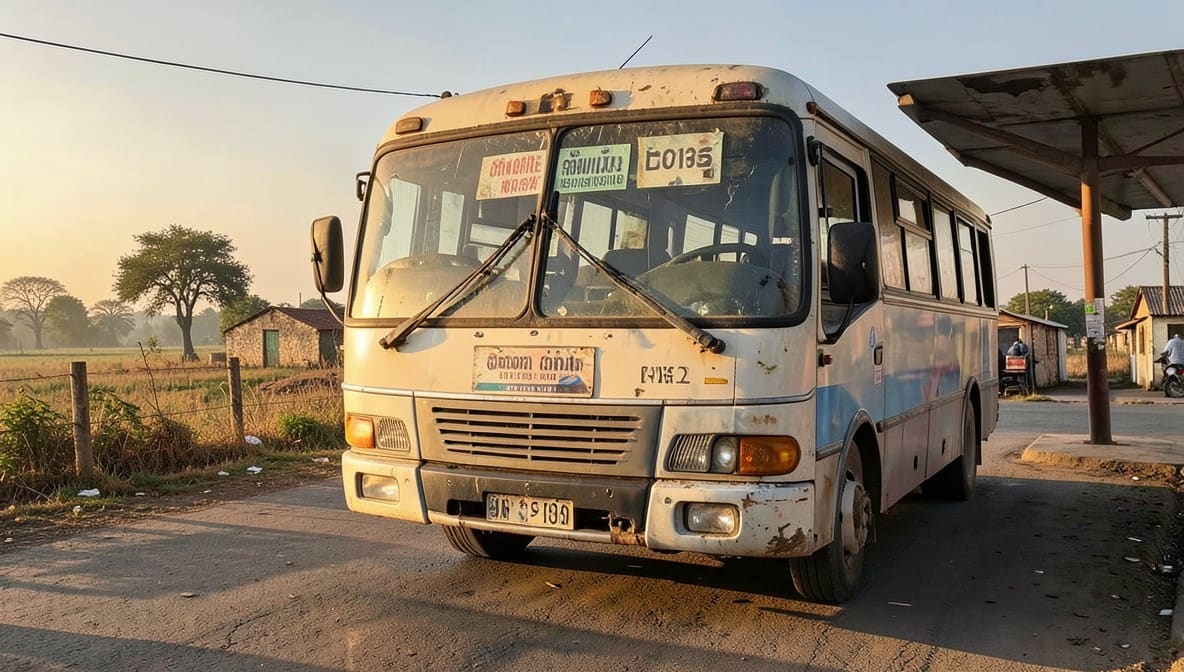
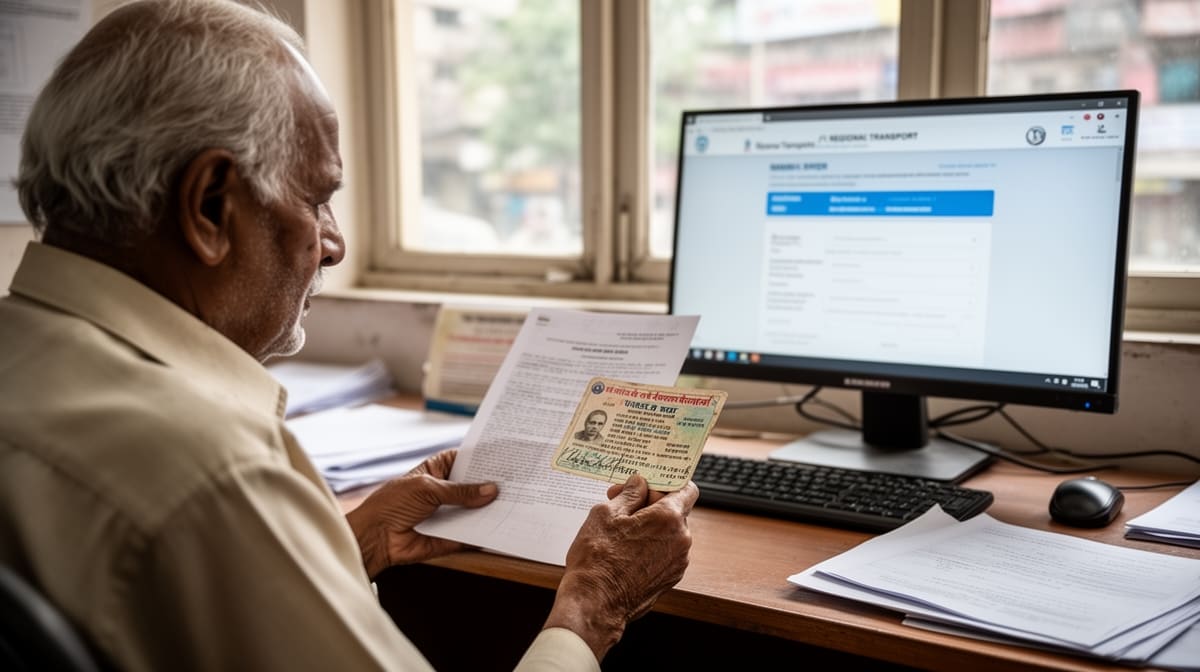
The petitioner, Sisir Kumar Ghosh, held a valid express bus permit (P.St.P. 110/09(I/R)) for the Kolkata to Muchighat route, which expired on 27 August 2024. Due to prolonged personal illness and his brother’s medical condition, he was unable to file a renewal application within the statutory 15-day window. He submitted his application for renewal on 13 November 2024, seeking condonation of delay.
Procedural History
- The application for renewal was filed after the statutory deadline of 15 days post-expiry.
- The Regional Transport Authority did not respond or take any decision on the application.
- The petitioner filed a writ petition before the Calcutta High Court seeking direction to consider the renewal application.
Relief Sought
The petitioner sought: (1) condonation of delay in filing the renewal application; (2) direction to the authority to consider the renewal on merits; and (3) permission to replace the vehicle under Schedule E-3 of the Motor Vehicles Rules, 1989.
The Legal Issue
The central question was whether Section 81(3) of the Motor Vehicles Act, 1988 permits a Regional Transport Authority to entertain a belated application for permit renewal if the applicant establishes good and sufficient cause for the delay, even in the absence of an explicit statutory extension.
Arguments Presented
For the Petitioner
The petitioner relied on Section 81(3) of the Motor Vehicles Act, which explicitly states that the authority "may entertain an application for renewal after the last date" if satisfied that the applicant was prevented by "good and sufficient cause" from filing on time. He argued that his prolonged illness and family medical emergency constituted compelling reasons under this provision. He further cited State of U.P. v. Raj Kumar to support the principle that procedural statutes must be interpreted liberally in favor of legitimate rights.
For the Respondent
The State did not oppose the petitioner’s prayer. The learned counsel for the State fairly conceded that the averments in the petition disclosed sufficient grounds for condonation and agreed that the application should be decided on merits by the authority concerned.
The Court's Analysis
The Court examined the language of Section 81(3) and found it to be a clear legislative directive permitting discretion in favor of applicants facing genuine impediments. The provision is not merely permissive but affirmative in its intent - to prevent hardship caused by rigid adherence to timelines where equity demands flexibility.
"Notwithstanding anything contained in sub-section (2), the Regional Transport Authority... may entertain an application for the renewal of a permit after the last date specified in that sub-section if it is satisfied that the applicant was prevented by good and sufficient cause from making an application within the time specified."
The Court emphasized that the phrase "good and sufficient cause" is intentionally broad and must be interpreted purposively. The petitioner’s documented medical conditions, which rendered him physically incapacitated during the critical period, satisfied this threshold. The Court rejected the notion that delay alone invalidates a renewal claim, noting that the legislature deliberately carved out an exception to the general rule.
The Court further held that while the authority must decide on merits, it cannot refuse to entertain the application merely because it was filed late. The direction to pass a reasoned order within 60 days, with opportunity of hearing to all stakeholders, ensures procedural fairness without compromising substantive rights.
The Verdict
The petitioner succeeded. The Court held that Section 81(3) of the Motor Vehicles Act allows renewal of permits despite delay if good and sufficient cause is established. The authority was directed to decide the application within 60 days, afford a hearing, and if permissible, renew the permit and allow vehicle replacement under Schedule E-3.
What This Means For Similar Cases
Delay Can Be Condoned on Medical Grounds
- Practitioners must now document medical records, hospital admissions, or caregiver responsibilities to substantiate "good and sufficient cause" in permit renewal cases.
- Authorities cannot dismiss belated applications summarily; they must record reasons for rejecting such pleas.
Renewal Is Not Dependent on Timely Filing Alone
- The statutory deadline under Section 81(2) is not absolute; Section 81(3) operates as a safety valve.
- Vehicle replacement under Schedule E-3 is a consequential right if renewal is granted - authorities cannot bifurcate these reliefs.
Reasoned Orders Are Mandatory
- Any order rejecting renewal must specifically address whether "good and sufficient cause" was established.
- Failure to provide reasons renders the order liable to be set aside under Article 226 of the Constitution.