The Madras High Court has reaffirmed that the validity of a Will cannot be defeated by speculative inferences or routine procedural anomalies. In a significant ruling, the Court emphasized that suspicious circumstances must be substantiated by tangible evidence, not conjecture, and that testamentary autonomy must prevail absent clear proof of undue influence or mental incapacity.
Background & Facts
The Dispute
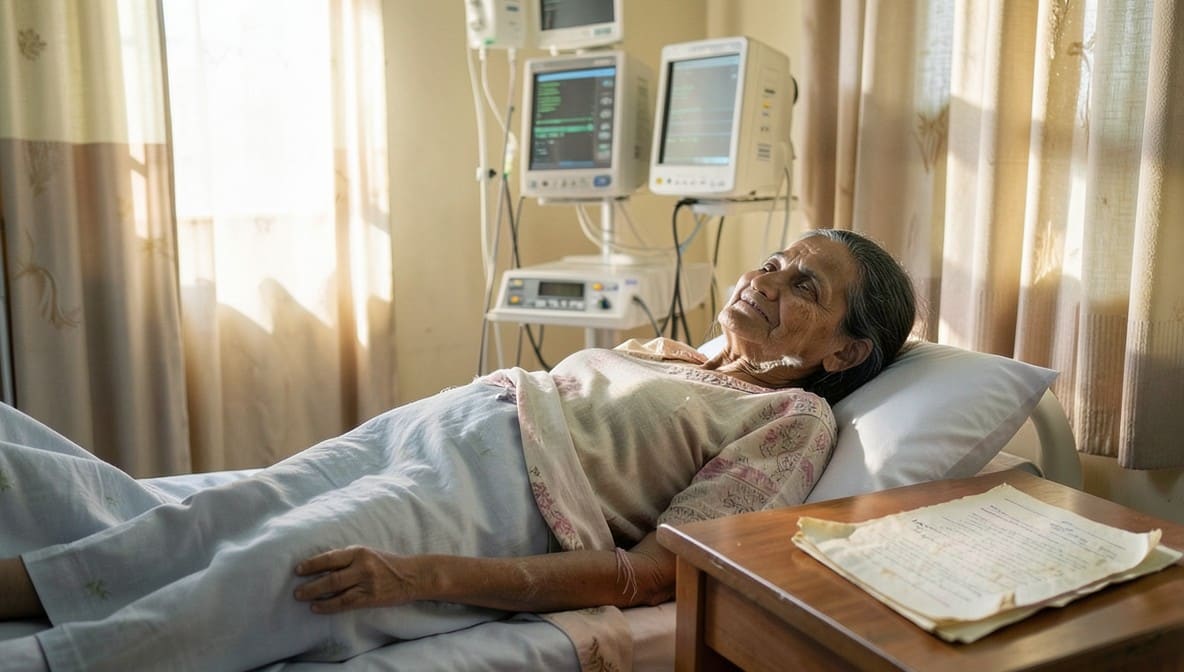
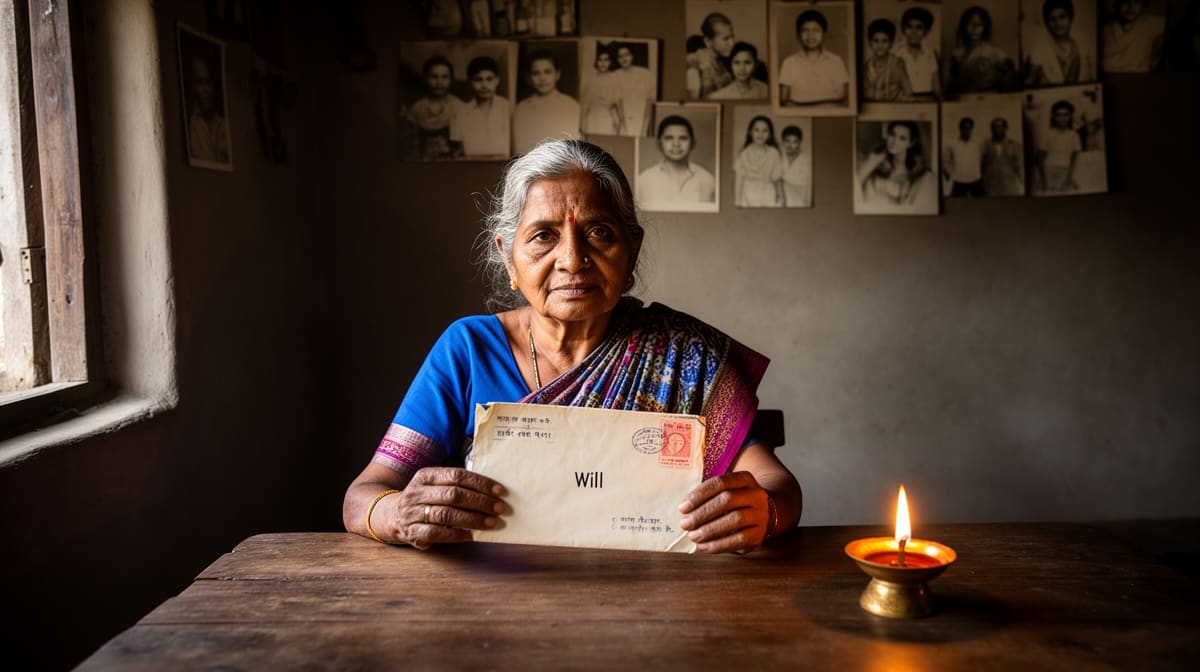
The dispute centers on the validity of a Will executed by Mrs. K. Saroja on 14.07.2006, bequeathing her entire estate to her two sons, the petitioners herein. The respondents, her two daughters, contested the Will, alleging fraud, undue influence, and lack of testamentary capacity due to the testatrix’s hospitalization at the time of execution.
Procedural History
- 14.07.2006: Testatrix executes Will, registered at Sub-Registrar Office in evening hours.
- 11.07.2007: Testatrix dies; petitioners file for Letters of Administration.
- 03.01.2017: Single Judge of Madras High Court dismisses petition, holding Will surrounded by suspicious circumstances.
- 06.04.2022: Legal heirs of deceased respondent (K. Iyeswariam) brought on record via court order.
- 06.03.2026: Madras High Court allows appeal, setting aside the dismissal.
Relief Sought
The appellants seek grant of Letters of Administration based on the 14.07.2006 Will, arguing that the lower court erred in rejecting a duly executed and registered document based on unsubstantiated suspicions.
The Legal Issue
The central question was whether the mere fact of hospitalization, evening registration, and unequal distribution among heirs constitute suspicious circumstances sufficient to invalidate a registered Will, absent concrete evidence of fraud, coercion, or lack of testamentary capacity.
Arguments Presented
For the Appellant
The appellants contended that the Will was duly executed and attested under Section 68 of the Indian Evidence Act, and registered under the Registration Act. They argued that evening registration carries no legal stigma, and hospitalization alone does not equate to mental incapacity. Reliance was placed on Paneerselvam @ Nellappan v. Amsavalli, which held that registration lends credibility to a Will. The testatrix’s diagnosis of "depression with monilial oesophagitis" was not a medical bar to testamentary capacity, and the absence of a medical certificate did not shift the burden to the propounder.
For the Respondent
The respondents argued that the timing of execution - during hospitalization and in the evening - raised grave suspicion. They pointed to shaky signatures, lack of medical clearance, and the discharge summary indicating hospitalization until 19.07.2006, contradicting the 14.07.2006 registration date. They contended that the unequal bequest to daughters, coupled with the prior settlement agreement, indicated coercion and undermined the Will’s voluntariness.
The Court's Analysis
The Court undertook a rigorous analysis of the legal framework governing proof of Wills. It reaffirmed that while the propounder bears the burden of proving due execution and attestation, the presence of suspicious circumstances requires a higher standard of explanation - not mere denial.
"The mere fact that the Will was executed and registered during evening hours, in the absence of any statutory prohibition or material contradiction in evidence, cannot by itself constitute a suspicious circumstance."
The Court rejected the lower court’s reliance on the timing of registration as a basis for suspicion, noting that no law prohibits evening registrations. It further held that the testatrix’s hospitalization, even if proven, did not establish mental incapacity. The diagnosis cited was not a psychiatric condition impairing cognition, and no medical expert testified to incapacity.
The Court emphasized that testamentary autonomy is a fundamental principle: "Testatrix is legally entitled to dispose of her property in any manner she deems fit, and unequal distribution among heirs is not per se a suspicious circumstance."
The Court distinguished between procedural irregularities and substantive fraud. Minor discrepancies in signature markings were deemed inconsequential, especially where the Will was registered and attested by two witnesses. The prior settlement agreement, while potentially relevant to motive, did not prove coercion at the time of execution.
The Court relied on Metpalli Lasum Bai v. Metapalli Muthaih to affirm that registration, while not conclusive, provides a strong indicium of authenticity. The cumulative effect of due execution, attestation, and registration, coupled with the absence of credible evidence of fraud, satisfied the burden.
The Verdict
The appellants won. The Madras High Court held that suspicious circumstances must be concrete and substantiated, not inferred from routine facts like hospitalization or timing of registration. The Will was duly proved under Section 68 of the Evidence Act, and the grant of Letters of Administration was ordered.
What This Means For Similar Cases
Suspicious Circumstances Require Concrete Evidence
- Practitioners must now challenge Wills with specific, documented evidence of coercion, fraud, or mental incapacity - not speculative timing or family dynamics.
- Mere hospitalization, even in ICU, cannot be equated with lack of testamentary capacity without medical testimony.
- Courts must avoid presuming incapacity based on age or illness alone.
Registration Strengthens, But Does Not Replace, Proof
- A registered Will is not self-proving but carries significant evidentiary weight.
- Propounders should ensure attesting witnesses are available and credible; registration alone is insufficient if attestation is defective.
- Opponents must rebut registration with affirmative evidence of forgery or undue influence.
Unequal Bequests Are Not Inherently Suspicious
- Disinheritance or unequal distribution among heirs is lawful and common.
- Courts must not substitute their judgment of fairness for the testator’s expressed intent.
- Any claim of undue influence must be tied to specific acts of pressure, not mere familial imbalance.