The Punjab and Haryana High Court has reaffirmed that procedural violations under the Narcotic Drugs and Psychotropic Substances Act, particularly failure to reduce secret information to writing, can justify release on regular bail when pre-trial detention becomes unduly prolonged. This ruling underscores that compliance with statutory safeguards is not a mere technicality but a fundamental requirement for lawful prosecution.
Background & Facts
The Dispute
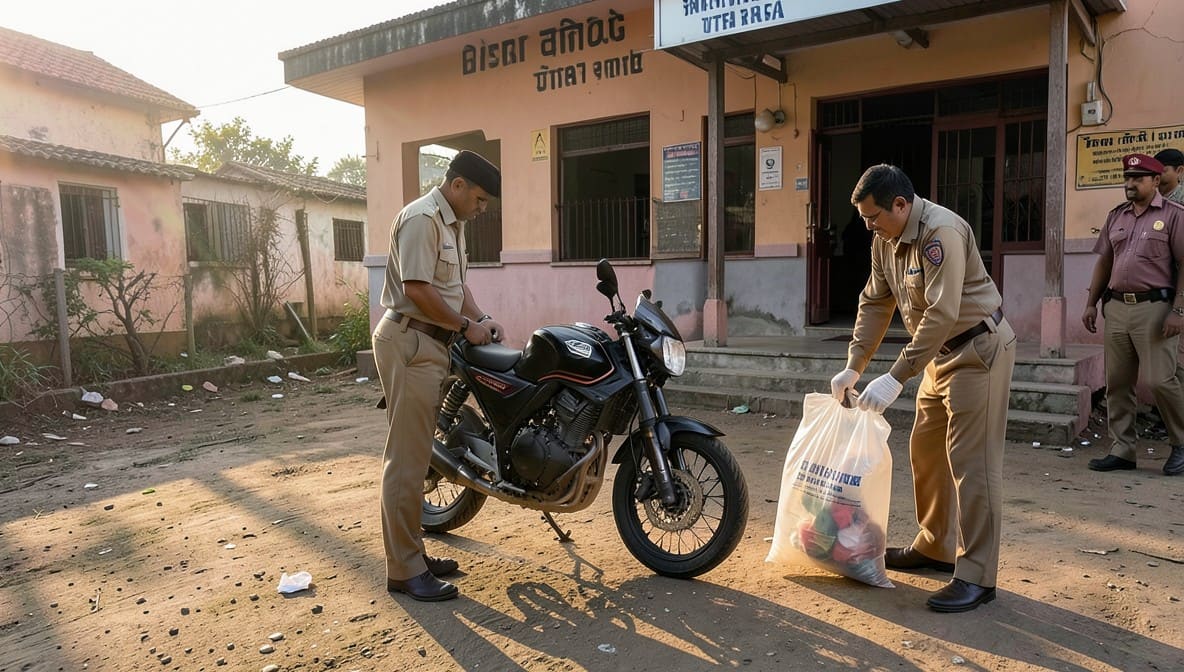
The petitioner, Mangal Singh @ Baba Mange, was arrested on 26 November 2024 in connection with FIR No. 301 of 2024 registered at Police Station Gharinda, Amritsar, under Section 21 of the NDPS Act, 1985. The prosecution alleges that secret intelligence led to his apprehension while riding a Splendor motorcycle, resulting in the recovery of 1 kg of heroin from his possession.
Procedural History
- 26 November 2024: Petitioner arrested and charged under NDPS Act
- No written record of the secret information as required under Section 42 of the NDPS Act
- No specific denial by the State regarding non-compliance with Section 42 or Section 50
- Petitioner has been in custody for 1 year, 3 months, and 4 days as of the hearing date
- Trial is expected to extend significantly due to backlog and procedural delays
Relief Sought
The petitioner sought regular bail on grounds of procedural violations under Section 42 and Section 50 of the NDPS Act, citing precedents from Mohal Lal v. State of Punjab and Varinder Kumar v. State of Himachal Pradesh. He argued that the absence of written documentation renders the recovery suspect and the detention unjustified.
The Legal Issue
The central question was whether non-compliance with Section 42 of the NDPS Act, coupled with prolonged pre-trial detention and lack of specific rebuttal by the State, justifies the grant of regular bail even without a final determination on the merits of the case.
Arguments Presented
For the Petitioner
Learned counsel contended that the failure to reduce secret information into writing violates the mandatory requirement under Section 42 of the NDPS Act, rendering the entire prosecution suspect. Reliance was placed on Mohal Lal v. State of Punjab and Varinder Kumar v. State of Himachal Pradesh, where the Supreme Court held that non-compliance with Section 42 vitiates the prosecution’s case. Further, it was argued that Section 50 was violated as the petitioner was not informed of his right to be searched before a gazetted officer or magistrate. The long custody period and risk of fabricated memos, as highlighted in Didar Singh v. State of Punjab, further supported the bail plea.
For the Respondent
The State opposed bail on the ground that the petitioner has prior criminal antecedents under the NDPS Act and submitted a custody certificate confirming his detention since 2024. However, the State did not file a specific reply addressing the allegations of non-compliance with Section 42 or Section 50, leaving the petitioner’s procedural objections unchallenged.
The Court's Analysis
The Court emphasized that Section 42 of the NDPS Act is not a procedural formality but a substantive safeguard designed to prevent arbitrary arrests and fabricated evidence. The absence of any written record of the secret information, as mandated by law, creates a serious doubt about the legitimacy of the arrest and recovery. The Court noted that the State did not dispute this violation in its reply, which, under established principles, amounts to an admission by silence.
"The petitioner is in custody for the last 01 year, 03 months and 04 days and the trial is likely to take a considerable long time to conclude, this Court is of the view that further detention of the petitioner would not serve any useful purpose."
The Court applied the principle that prolonged pre-trial detention without a credible justification violates the right to personal liberty under Article 21 of the Constitution. It held that the State’s failure to rebut the procedural defects, combined with the excessive delay in trial, tips the balance in favor of bail. The Court explicitly declined to opine on the merits of the case, reinforcing that bail is granted on procedural grounds alone.
The Verdict
The petitioner won. The Court held that non-compliance with Section 42 of the NDPS Act, when unchallenged by the State and coupled with prolonged detention, justifies the grant of regular bail. The petitioner was ordered released on furnishing bail bonds to the satisfaction of the trial court, without prejudice to the prosecution’s case.
What This Means For Similar Cases
Procedural Non-Compliance Can Justify Bail
- Practitioners must raise Section 42 violations as a primary ground for bail in NDPS cases
- If the State fails to file a specific reply addressing procedural defects, courts may treat it as an admission
- Bail should be granted even without acquittal or conviction if the prosecution’s foundation is procedurally defective
Delay in Trial Triggers Liberty Protections
- Pre-trial detention exceeding one year in drug cases demands heightened judicial scrutiny
- Courts must assess whether continued custody serves any legitimate purpose when trial delays are systemic
- The burden shifts to the State to justify prolonged detention where statutory safeguards are breached
Evidence Recovery Is Not Presumed Valid
- Recovery memos without compliant Section 42 documentation are vulnerable to challenge
- Courts will not presume legality of seizure if the statutory pre-condition for intelligence-based arrest is absent
- Defense counsel must systematically document and highlight every procedural lapse in NDPS cases