The Chhattisgarh High Court has clarified that first-time offenders charged under Section 34(2) of the Excise Act, involving possession of small quantities of illicit liquor, are entitled to regular bail if they have no criminal antecedents and have been in custody for an extended period without trial conclusion. This decision reinforces the principle that bail is the rule and jail the exception, particularly where the offence is non-violent and the accused poses no flight risk.
Background & Facts
The Dispute
The applicant, Rakesh Anand, aged approximately 40 years, resident of Darrikapa, P.S. Kota, District Bilaspur, Chhattisgarh, was arrested in connection with Crime No. 1102/2025 registered at Police Station Kota. The case pertains to the alleged possession of illicit liquor in violation of Section 34(2) of the Chhattisgarh Excise Act.
Key Facts
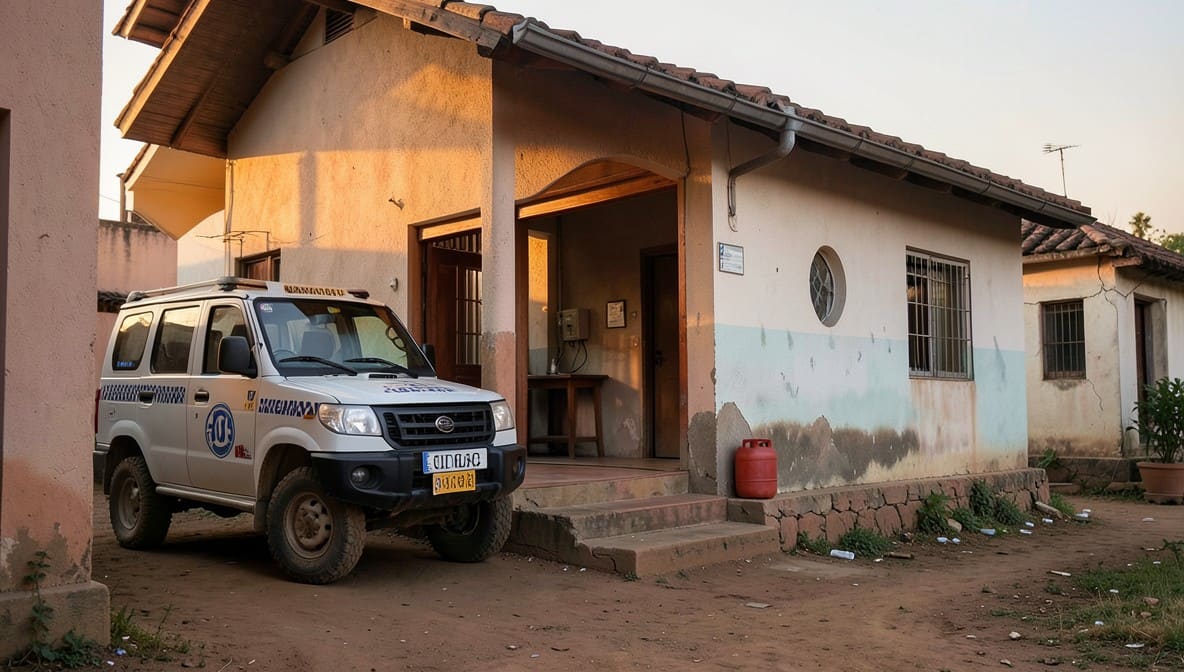
- The applicant was found in possession of approximately 10 liters of hand-made raw Mahua liquor, concealed in grass and bushes near the Nahani pond behind his residence.
- The liquor was recovered in a white plastic container of 15-liter capacity on or about 03.12.2025.
- The total value of the seized liquor was assessed at approximately Rs. 8,000/-.
- The applicant did not possess any license or document authorizing the possession or sale of the liquor.
- A notice under Section 94 of the Bharatiya Nagarik Suraksha Sanhita, 2023 was issued, and the contraband was seized.
- The applicant has no prior criminal record or antecedents.
- The applicant has been in judicial custody since 03.12.2025.
- The charge-sheet has been filed before the competent trial court.
Procedural History
- 03.12.2025: Arrest of applicant in Crime No. 1102/2025.
- Before 16.03.2026: Investigation completed and charge-sheet filed.
- 16.03.2026: First bail application filed under Section 483 of the Bharatiya Nagarik Suraksha Sanhita, 2023.
- 16.03.2026: Hearing before the Chhattisgarh High Court.
Relief Sought
The applicant sought regular bail under Section 483 of the Bharatiya Nagarik Suraksha Sanhita, 2023, pending trial, with conditions to ensure his presence and cooperation in judicial proceedings.
The Legal Issue
The central question was whether an accused person, arrested for possession of a small quantity of illicit liquor under Section 34(2) of the Excise Act, with no criminal antecedents and already in custody for over three months, is entitled to regular bail under Section 483 of the Bharatiya Nagarik Suraksha Sanhita, 2023, despite the non-bailable nature of the offence.
Arguments Presented
For the Applicant
No representation was made on behalf of the applicant. The Court proceeded ex officio, noting the absence of opposition from the applicant’s side and the absence of any criminal history.
For the Respondent
The State Counsel opposed bail, arguing that possession of illicit liquor is a serious offence under the Excise Act, and that the recovery of 10 liters of liquor constitutes a substantial quantity warranting continued custody. The State emphasized the statutory prohibition and the need to deter such violations.
The Court's Analysis
The Court examined the nature of the offence, the quantity of contraband, the applicant’s clean record, and the duration of custody. It noted that Section 34(2) of the Excise Act, while non-bailable, does not involve violence, organized crime, or public nuisance on a large scale. The Court observed that the value of the seized liquor (Rs. 8,000/-) is relatively modest and does not indicate commercial trafficking.
"Considering the facts and circumstances of the case, the nature and gravity of the offence levelled against the present applicant, and also taking into account that the applicant has no criminal antecedent, that the charge-sheet has been filed before the competent Court, and the applicant has been in jail since 03.12.2025, and that the conclusion of the trial may take some more time, this Court is of the considered opinion that the applicant is entitled to be released on bail in the present case."
The Court emphasized that prolonged pre-trial detention without a reasonable prospect of imminent trial undermines the presumption of innocence. It further held that the absence of any prior record and the non-violent nature of the offence weigh heavily in favor of bail. The Court also noted that the filing of the charge-sheet indicates the investigation is complete, reducing the risk of evidence tampering.
The Verdict
The applicant succeeded. The Court granted regular bail to Rakesh Anand under Section 483 of the Bharatiya Nagarik Suraksha Sanhita, 2023. He is to be released on furnishing a personal bond with two sureties in the like sum, subject to the following conditions: (i) He shall not seek adjournments when witnesses are present; (ii) He shall appear before the trial court on all dates, personally or through counsel; (iii) If a proclamation is issued under Section 84 of BNSS and he fails to appear, proceedings under Section 209 of Bharatiya Nyaya Sanhita shall be initiated; (iv) He shall personally appear on dates for opening of case, framing of charge, and recording of statement under Section 351 of BNSS. Failure to comply with any condition may be treated as abuse of bail and result in cancellation. The trial court is directed to receive a certified copy of this order.
What This Means For Similar Cases
Bail Is Not Denied Solely on Statutory Non-Bailable Status
- Practitioners must argue that non-bailable status under the Excise Act does not automatically disqualify bail when the offence is minor, the accused is first-time, and custody is prolonged.
- Courts must weigh the proportionality of detention against the nature of the offence and the accused’s background.
Duration of Custody Is a Critical Factor in Bail Decisions
- Pre-trial detention exceeding three months without trial progress strengthens the case for bail under Section 483 BNSS.
- The filing of the charge-sheet reduces the risk of evidence tampering, making bail more justifiable.
Specific Bail Conditions Are Enforceable and Tailored
- Courts may impose targeted conditions such as mandatory personal appearance on key dates, no adjournment requests during witness testimony, and consequences for non-compliance under BNSS and BNS.
- These conditions ensure accountability without imposing undue restrictions.