Topic

regular bail

Regular bail in Indian law refers to the release of an accused person from custody during trial, subject to court-imposed conditions, when the offense is not capital or heinous and the accused is not a flight risk or repeat offender.

83 articlesLatest 2 hours ago
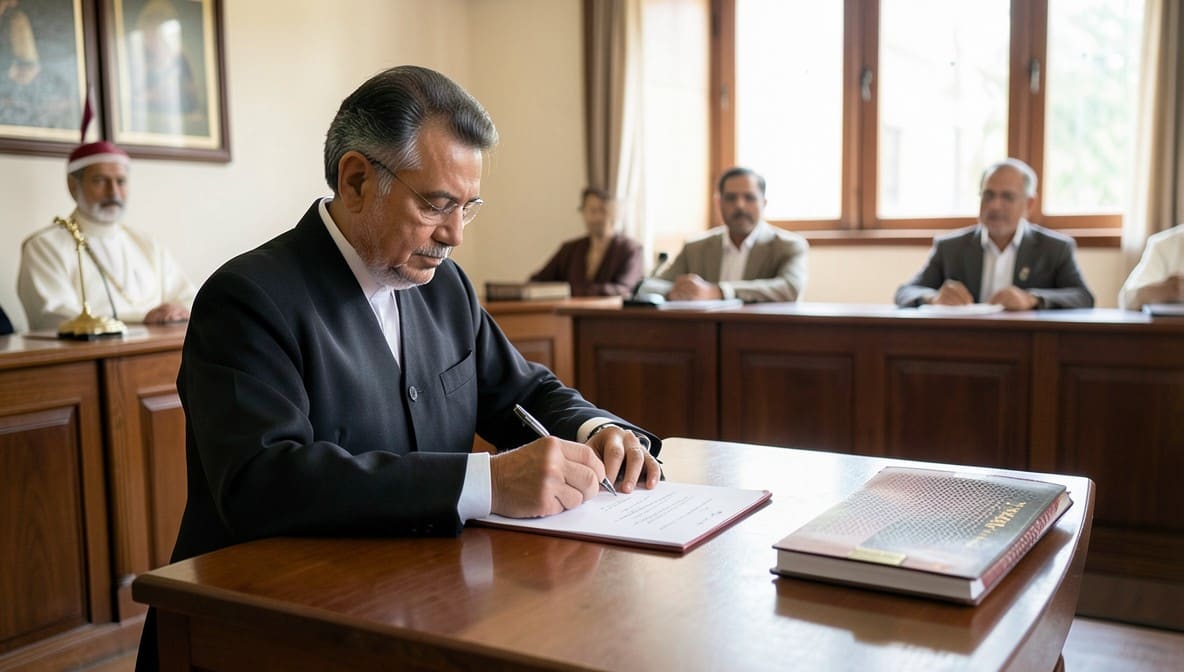
Mere Intoxication Insufficient for Section 105 BNS; Knowledge Must Be Proved from Factual Matrix | Drunken Driving Triple Fatality Bail : Punjab & Haryana HC
Case Law Analysis
|Punjab and Haryana High Court

Mere Intoxication Insufficient for Section 105 BNS; Knowledge Must Be Proved from Factual Matrix | Drunken Driving Triple Fatality Bail : Punjab & Haryana HC

The court granted bail to the accused in a triple-fatality drunken driving case, ruling that Section 105 BNS (culpable homicide) requires proof of knowledge of likely death from the factual matrix, not merely the fact of intoxication. The distinction between culpable homicide under Section 105 and rash or negligent act under Section 106 BNS is a question for trial, not the bail stage.

Section 23 BSA Excludes Disclosure Statements; No Recovery & Parity Yield Regular Bail Under BNSS 483 in NDPS Case : Punjab & Haryana HC
Case Law Analysis
|Punjab and Haryana High Court

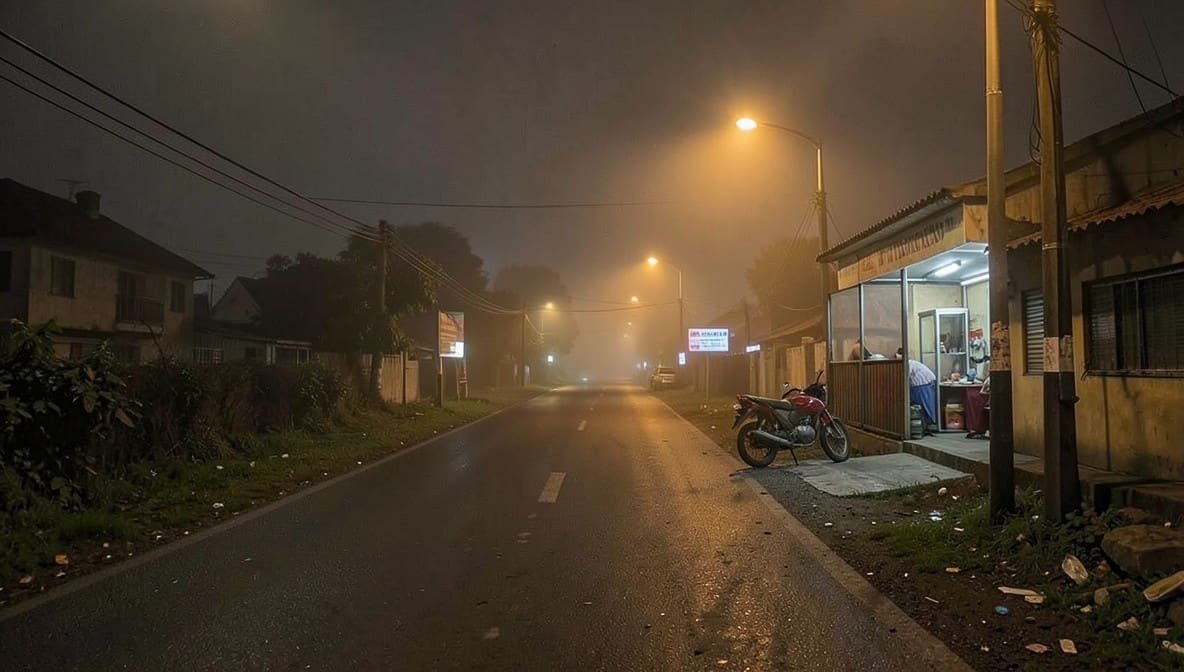
Section 23 BSA Excludes Disclosure Statements; No Recovery & Parity Yield Regular Bail Under BNSS 483 in NDPS Case : Punjab & Haryana HC

The court ruled that disclosure statements excluded by Section 23 BSA cannot sustain detention absent any recovery or FIR mention. Granting parity with bailed co-accused, it allowed regular bail under BNSS Section 483, stressing that indefinite pre-trial incarceration is impermissible at the early trial stage.

Article 21 speedy-trial right outweighs NDPS Section 37 bail bar - regular bail granted : Punjab & Haryana HC
Case Law Analysis
|Punjab and Haryana High Court

Article 21 speedy-trial right outweighs NDPS Section 37 bail bar - regular bail granted : Punjab & Haryana HC

The Punjab & Haryana High Court ordered regular bail for Gurkirpal Singh, holding that when the prosecution offers no independent evidence, the constitutional guarantee of a speedy trial under Article 21 overrides the stringent bail denial under Section 37 of the NDPS Act. This establishes that speedy-trial rights can prevail over statutory bail restrictions, benefiting accused in drug cases lacking direct proof.

Article 21 | Pre-trial detention unlawful if delay caused by prosecution - regular bail under NDPS Act (Sec 37) : Punjab & Haryana HC
Case Law Analysis
|Punjab and Haryana High Court

Article 21 | Pre-trial detention unlawful if delay caused by prosecution - regular bail under NDPS Act (Sec 37) : Punjab & Haryana HC

The High Court held that detaining an NDPS accused while trial delays are caused by the prosecution breaches Article 21’s speedy-trial guarantee. It granted regular bail, noting that Section 37’s strict bail rules cannot override fundamental liberty. The ruling shields accused from prosecution-driven postponements.

Section 483 BNSS | Regular Bail Granted for First-Time Offender with Investigation Nearly Complete: Kerala HC
Case Law Analysis
|Kerala High Court

Section 483 BNSS | Regular Bail Granted for First-Time Offender with Investigation Nearly Complete: Kerala HC

The Kerala High Court granted regular bail to an elderly accused under the Kerala Abkari Act, holding that the absence of criminal antecedents and the near-completion of investigation negate the need for continued custody. This reinforces that bail under BNSS is not automatically denied in drug-related cases when the accused poses no flight risk or threat to evidence.

Parity Principle in Regular Bail | No Antecedents + Completed Investigation + Co-Accused Released Justifies Release Under BNSS Section 483 : Bombay HC
Case Law Analysis
|Bombay High Court

Parity Principle in Regular Bail | No Antecedents + Completed Investigation + Co-Accused Released Justifies Release Under BNSS Section 483 : Bombay HC

The Bombay High Court granted regular bail to an accused in a copper theft case, holding that the absence of criminal antecedents, completion of investigation, and the release of co-accused collectively negate the need for continued custody - reinforcing that parity and personal liberty under Article 14 must guide bail decisions even in non-bailable offences. This sets a clear benchmark for trial courts weighing pre-trial detention in multi-accused property crimes.

Section 483 BNSS | Delay in Arrest Cannot Deny Regular Bail When Investigation Concluded and Accused Offers Restitution : MP HC Indore
Case Law Analysis
|Madhya Pradesh High Court

Section 483 BNSS | Delay in Arrest Cannot Deny Regular Bail When Investigation Concluded and Accused Offers Restitution : MP HC Indore

The Madhya Pradesh High Court has ruled that prolonged pre-arrest delay, by itself, is insufficient to deny regular bail if the investigation is complete and the accused is willing to deposit the alleged proceeds of crime in installments. This clarifies that procedural delay without flight risk or obstruction does not override the right to liberty under Section 483 BNSS, benefiting accused in financial fraud cases with no prior evasion.

Section 7(a) PCA | Completed Investigation + Clean Record Justify Regular Bail Despite Corruption Charges: Karnataka HC
Case Law Analysis
|Karnataka High Court

Section 7(a) PCA | Completed Investigation + Clean Record Justify Regular Bail Despite Corruption Charges: Karnataka HC

Karnataka High Court grants regular bail to police officers accused under Section 7(a) of the Prevention of Corruption Act, holding that completed investigation, absence of criminal antecedents, and cooperation with authorities outweigh speculative risks of evidence tampering. The ruling reinforces that bail conditions, not blanket denial, suffice to secure trial integrity in corruption cases.

Section 103(1) BNS | Mere Presence at Unlawful Assembly Without Specific Overt Act Insufficient for Denial of Regular Bail: Bombay HC Nagpur Bench
Case Law Analysis
|Bombay High Court

Section 103(1) BNS | Mere Presence at Unlawful Assembly Without Specific Overt Act Insufficient for Denial of Regular Bail: Bombay HC Nagpur Bench

The Bombay High Court grants regular bail to accused whose role in a fatal unlawful assembly is limited to presence with a weapon, holding that the Bharatiya Nyaya Sanhita requires proof of a specific overt act - not just association or general participation. This clarifies the threshold for bail in mass violence cases where individual culpability is unproven, protecting those with minimal involvement from prolonged pre-trial detention.

Section 483 BNSS | Compromise in Non-Compoundable Offences Justifies Regular Bail Under Article 21: Punjab & Haryana HC
Case Law Analysis
|Punjab and Haryana High Court

Section 483 BNSS | Compromise in Non-Compoundable Offences Justifies Regular Bail Under Article 21: Punjab & Haryana HC

Punjab & Haryana High Court grants regular bail under Section 483 BNSS in a forgery and cheating case where parties compromised, prioritizing constitutional rights under Article 21 over prolonged pre-trial detention. The ruling underscores that compromise can override the non-compoundable nature of offences when investigation is complete and no public interest is prejudiced.

BNSS Section 483 | Investigation Near Completion Negates Bail Denial Based on Gravity of Offence or Multiplicity of Cases : Kerala HC
Case Law Analysis
|Kerala High Court

BNSS Section 483 | Investigation Near Completion Negates Bail Denial Based on Gravity of Offence or Multiplicity of Cases : Kerala HC

The Kerala High Court granted regular bail to an accused in a ₹56-lakh crypto fraud case, holding that the mere seriousness of offences or involvement in multiple cases cannot justify continued detention once the investigation is nearly complete. This reinforces that bail under BNSS Section 483 must be assessed on procedural fairness, not punitive presumption, affecting all accused in complex financial fraud investigations.

Section 62 & 351(1) BNSS + Section 12 POCSO | Regular Bail Granted When Custody Exceeds 8 Months and No Rape Allegation Exists: Karnataka HC (Dharwad)
Case Law Analysis
|Karnataka High Court

Section 62 & 351(1) BNSS + Section 12 POCSO | Regular Bail Granted When Custody Exceeds 8 Months and No Rape Allegation Exists: Karnataka HC (Dharwad)

The Karnataka High Court granted regular bail to an accused under BNSS and POCSO after eight months of pre-trial detention, emphasizing that mere attempt at sexual contact without rape allegations, coupled with prolonged custody and completed investigation, negates the need for continued detention. This sets a critical precedent for bail eligibility in non-penetrative sexual offence cases where the victim’s statement does not invoke Section 376-equivalent provisions.