The Uttarakhand High Court has clarified that a bail application under the NDPS Act cannot be denied solely on the basis of alleged commercial quantity when the nature of the seized substance is ambiguous and fails to meet the statutory definition of ganja. This ruling underscores the necessity of precise forensic and legal identification before invoking stringent provisions.
Background & Facts
The Dispute
The applicant, Anmol Singh, aged 27, is in judicial custody in connection with FIR No. 04 of 2026, registered at Police Station Ranikhet, District Almora, for offences under Sections 8 and 20 of the Narcotic Drugs and Psychotropic Substances Act, 1985. The case involves the recovery of a large quantity of a substance described in the recovery memo as "gudedaar" from a vehicle in which the applicant and two co-accused, Vikas and Jaspal, were travelling.
Key Facts
- The vehicle involved was a Hyundai Aura bearing registration number UP 23 BT 0365, driven by co-accused Vikas.
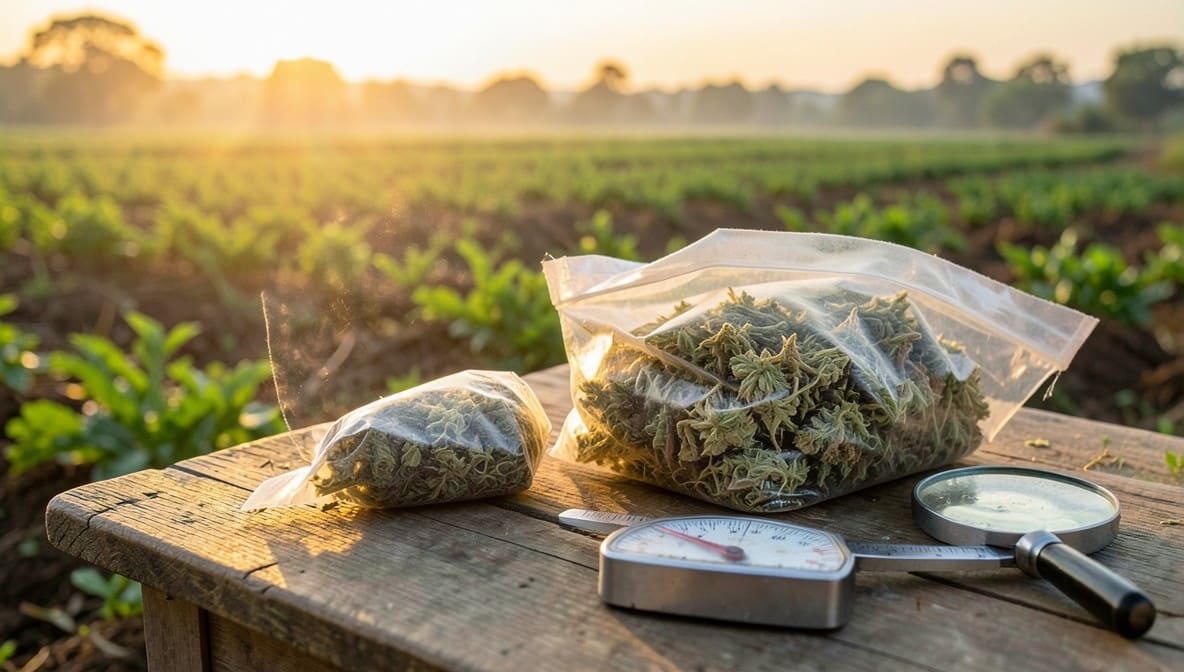
- Four bags of the seized substance were recovered, weighing 13.292 kg, 14.556 kg, 21.940 kg, and 14.150 kg respectively, totaling 66.228 kg.
- The recovery memo describes the substance as "gudedaar", a term not recognized under the NDPS Act.
- The applicant’s counsel contends that "gudedaar" is a typographical or clerical error, and the intended term was "gucchhedar" (clustered), indicating a mixture of flowering tops, leaves, and seeds.
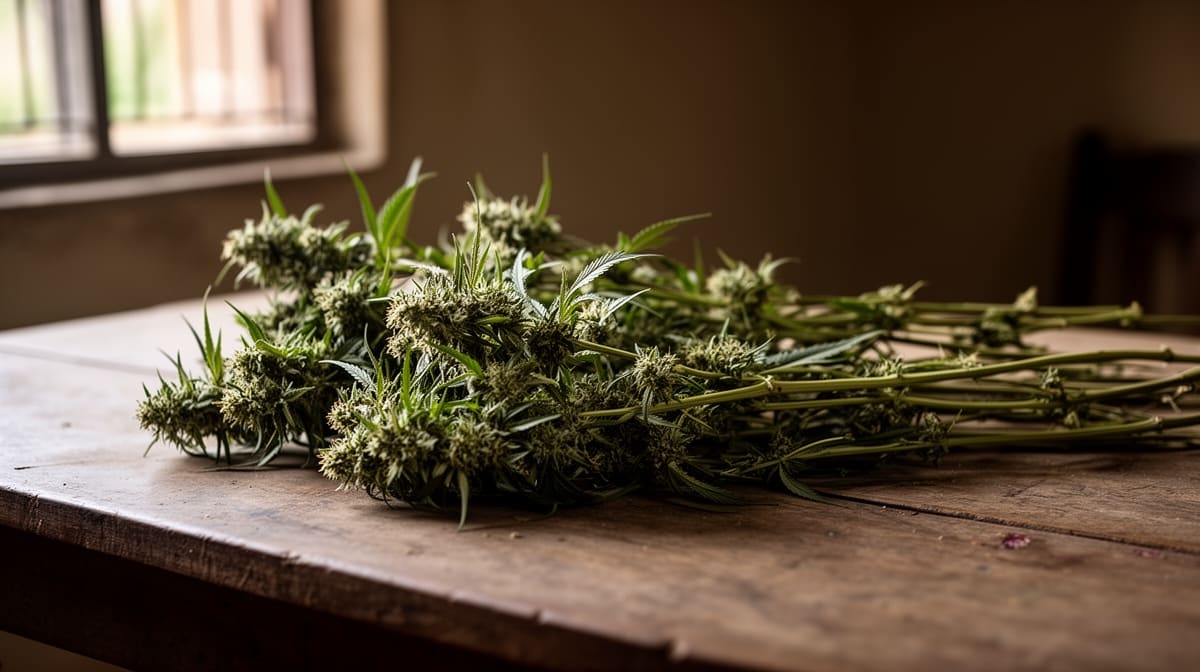
- The substance is described as a "clustered green substance containing seeds", which raises doubt as to whether it qualifies as ganja under Section 2(iii)(b) of the NDPS Act.
- No specific attribution of possession has been made to the applicant; the recovery is joint and no bag is individually assigned to any accused.
Procedural History
- 04 January 2026: FIR No. 04 of 2026 registered at Police Station Ranikhet.
- 05 January 2026: Recovery memo prepared detailing seizure of four bags totaling 66.228 kg.
- 10 January 2026: Applicant arrested and placed in judicial custody.
- 06 April 2026: Bail application filed before the Uttarakhand High Court.
The Parties' Positions
The applicant contends that the substance recovered does not meet the statutory definition of ganja, as it includes seeds and non-qualifying parts, and that no individual possession can be established. The State, on the other hand, argues that the total quantity of 66.228 kg constitutes a commercial quantity under the NDPS Act, warranting denial of bail.
Relief Sought
The applicant seeks bail on personal bond with two sureties, arguing that the evidence is insufficient to establish guilt beyond reasonable doubt at this stage, particularly given the ambiguity in the nature of the seized substance.
The Legal Issue
The central question was whether the alleged recovery of 66.228 kg of a substance described as "gudedaar" or "gucchhedar" - containing seeds and non-flowering parts - constitutes a commercial quantity of ganja under Section 2(iii)(b) of the NDPS Act, such that bail may be denied on that basis alone.
Arguments Presented
For the Applicant
Learned counsel for the applicant argued that Section 2(iii)(b) of the NDPS Act defines ganja strictly as the flowering or fruiting tops of the cannabis plant, excluding seeds and leaves unless accompanied by such tops. The term "gudedaar" in the recovery memo is not a recognized legal term and appears to be a clerical error. Even if interpreted as "gucchhedar", the description indicates a mixture containing seeds, which are statutorily excluded. Therefore, the quantity of actual ganja cannot be established, and the presumption of commercial quantity fails. The applicant further submitted that the joint recovery without individual attribution renders possession unproven.
For the Respondent
The State, through the Additional Government Advocate, contended that the total weight of 66.228 kg exceeds the threshold for commercial quantity under the NDPS Act, and that the nature of the substance, even if imperfectly described, is clearly cannabis-based. The State argued that the burden of proving the substance is not ganja lies with the accused, and that the recovery from the vehicle in which the applicant was travelling is sufficient to invoke Section 8.
The Court's Analysis
The Court examined the statutory definition of ganja under Section 2(iii)(b) of the NDPS Act, which explicitly excludes seeds and leaves unless accompanied by flowering or fruiting tops. The recovery memo’s description of the substance as "gudedaar" was found to be ambiguous and non-compliant with standard terminology. The Court noted that even if the term is read as "gucchhedar", the accompanying description of "clustered green substance containing seeds" prima facie suggests the presence of non-qualifying material.
"The punishment under the NDPS Act is dependent upon the quantity of contraband, and as seeds and leaves (when not accompanied by flowering or fruiting tops) are to be excluded, the actual weight of the contraband becomes a matter of determination."
The Court emphasized that bail decisions under the NDPS Act must be grounded in the actual legal classification of the seized substance, not merely its gross weight. The absence of individual attribution of possession further weakens the prosecution’s case at the pre-trial stage. The Court held that the ambiguity in the nature of the substance creates a debatable issue, which, under established bail jurisprudence, warrants the grant of bail pending further investigation or forensic clarification.
The Verdict
The applicant succeeded. The Court allowed the bail application and directed the applicant’s release upon executing a personal bond and furnishing two reliable sureties, each in the like amount, to the satisfaction of the Court concerned. All pending applications were disposed of.
What This Means For Similar Cases
Ambiguous Recovery Descriptions Undermine Commercial Quantity Presumptions
- Practitioners must challenge bail denials based on gross weight when the recovery memo uses non-standard terms like "gudedaar" or describes mixtures containing seeds.
- Forensic reports must explicitly confirm the presence of flowering/fruiting tops to establish ganja under Section 2(iii)(b).
- Courts must not presume commercial quantity without clear compliance with statutory definitions.
Joint Recovery Without Individual Attribution Favors Bail
- In multi-accused NDPS cases, bail applications gain strength where possession cannot be individually linked to the accused.
- The burden to establish individual control over the contraband lies with the prosecution at the bail stage.
- Courts should not equate presence in a vehicle with possession without corroborative evidence.
Procedural Rigor Required in NDPS Cases
- Recovery memos must use precise, legally recognized terminology.
- Clerical errors in documentation must be scrutinized, not ignored, as they directly impact the applicability of statutory thresholds.
- Bail should not be denied on speculative or unverified weight calculations.