
The Central Information Commission has clarified that Section 18 of the Right to Information Act, 2005, is not a mechanism to compel disclosure but a tool to penalize deliberate obstruction. This judgment reinforces that procedural delays, even when significant, do not attract penalties if the public authority ultimately provides the information in good faith.
Background & Facts
The Dispute
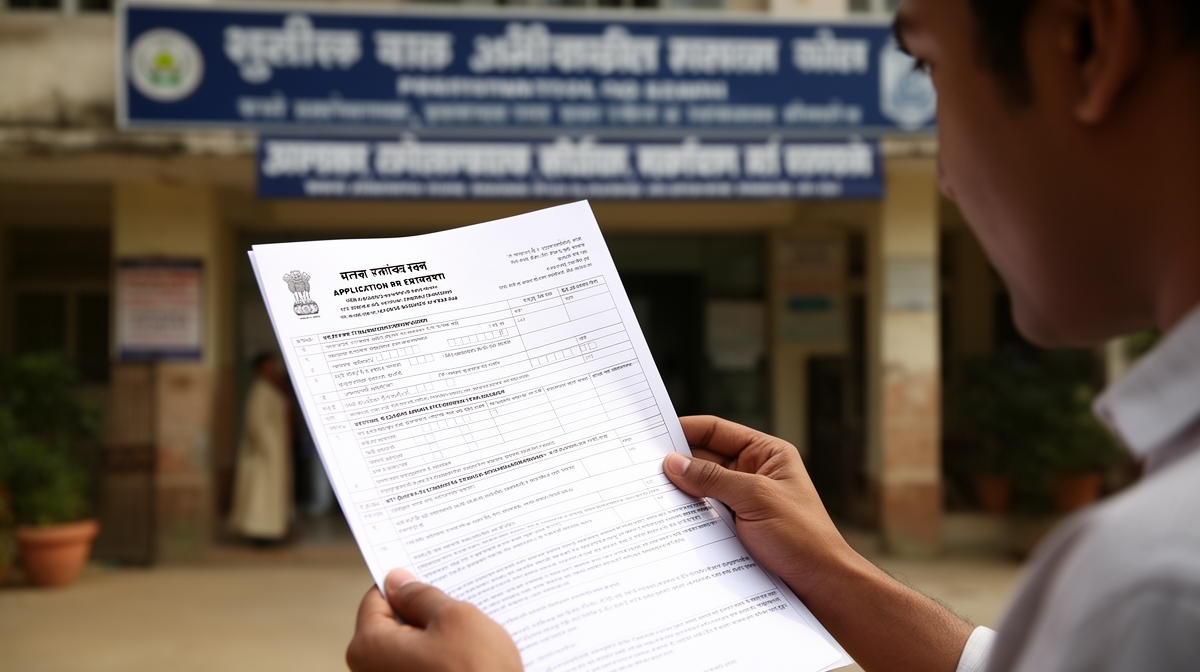
The complainant, Naresh Kadyan, filed an RTI application on 3 January 2024 seeking detailed information on animal exchanges, adoption schemes, cheetah conservation status, and the legal status of zoos under the Wildlife (Protection) Act, 1972. The queries specifically referenced Sections 38A to 38J of the Act, which govern the functioning of the Central Zoo Authority (CZA).
Procedural History
The case progressed through three stages:
- 3 January 2024: RTI application submitted to the National Tiger Conservation Authority (NTCA)
- 23 January 2024: NTCA responded that the information was not within its domain and transferred the application to CZA under Rule 6(3) of the RTI Act
- 22 February 2024: First Appellate Authority upheld the transfer, and additionally provided a public link to Project Cheetah reports
- 21 January 2026: CZA finally issued a point-wise response to all four queries, over two years after the original request
- 22 January 2026: Hearing held before the CIC; complainant was absent
Relief Sought
The complainant sought penal action against the CPIO under Section 20 of the RTI Act, alleging deliberate denial of information and concealment of cheetah-related data.
The Legal Issue
The central question was whether Section 18 of the RTI Act empowers the Information Commission to direct disclosure of information, or whether its scope is limited to imposing penalties for malafide refusal.
Arguments Presented
For the Appellant/Petitioner
The complainant, though absent at the hearing, had alleged that the NTCA and CZA deliberately delayed response to conceal the non-compliance of cheetah translocation with legal safeguards. He argued that the transfer of the application was a tactic to evade accountability, and that the eventual disclosure after 24 months constituted a violation of the statutory mandate for timely response.
For the Respondent/State
The CPIOs of NTCA and CZA contended that the transfer under Rule 6(3) was legally valid, as Sections 38A - 38J of the Wildlife (Protection) Act, 1972, fall exclusively under CZA’s jurisdiction. They emphasized that the NTCA proactively provided a public link to Project Cheetah reports during the first appeal, and that CZA ultimately furnished all requested information in January 2026. They cited administrative overload and clerical oversight as reasons for delay, denying any malafide intent.
The Court's Analysis
The Commission undertook a rigorous interpretation of Section 18 and Section 20 of the RTI Act, distinguishing between the remedy for disclosure and the remedy for penalty. It relied decisively on the Supreme Court’s ruling in Chief Information Commissioner and Another v. State of Manipur and Anr., which held that Section 18 does not confer jurisdiction to order disclosure - its sole function is to investigate whether the Information Officer acted in bad faith.
"The Commissioner while entertaining a complaint under Section 18 of the said Act has no jurisdiction to pass an order providing for access to the information."
The Commission noted that the RTI Act establishes a two-track system: Section 19 governs appeals for access to information, while Section 18 governs complaints for penal action. The two are mutually exclusive in purpose. The fact that the information was eventually provided, even after delay, negated any presumption of malafide intent. The Commission accepted the CZA’s explanation that the delay resulted from administrative congestion and oversight, not concealment.
It further observed that the NTCA’s proactive disclosure of Project Cheetah reports via public URLs demonstrated transparency, even if not formally responsive to the RTI. The Commission concluded that penal action under Section 20 requires proof of deliberate denial, which was entirely absent here.
The Verdict
The complainant’s complaint under Section 18 was dismissed. The CIC held that no penalty can be imposed under Section 20 unless malafide intent is established, and since the information was ultimately disclosed without concealment, no action was warranted.
What This Means For Similar Cases
Delay Alone Does Not Equal Malafide
- Practitioners must distinguish between procedural delay and intentional denial when filing complaints under Section 18
- Merely citing the 30-day statutory deadline is insufficient; evidence of bad faith is mandatory
- Public authorities can defend delays with documentation of workload, transfer protocols, or clerical errors
Section 18 Is Not a Substitute for Section 19
- If the goal is to obtain information, file a First Appeal under Section 19 - not a complaint under Section 18
- Section 18 complaints are strictly for punishing officers who refuse to disclose with dishonest intent
- Filing a Section 18 complaint without evidence of malafide risks dismissal and wasted procedural time
Public Disclosure Can Preempt Liability
- Posting information on official websites, even if not directly responsive to an RTI, may demonstrate good faith
- Providing public links during appellate proceedings can neutralize allegations of concealment
- Authorities should routinely publish annual reports, project updates, and animal registries online to reduce RTI burden