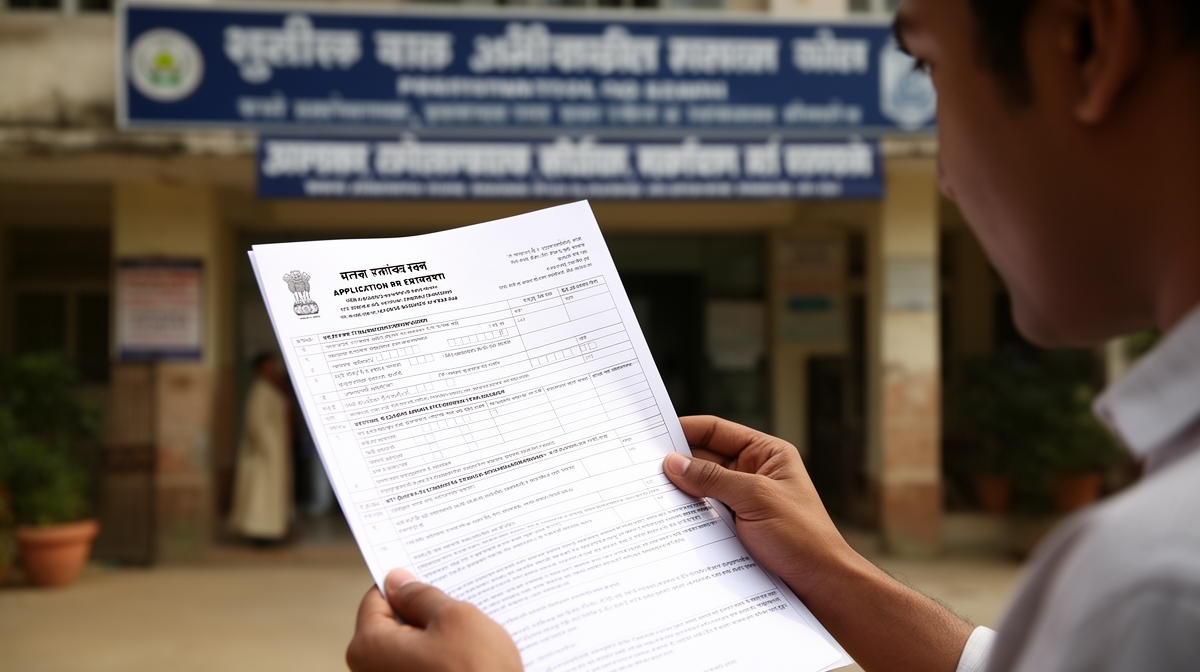
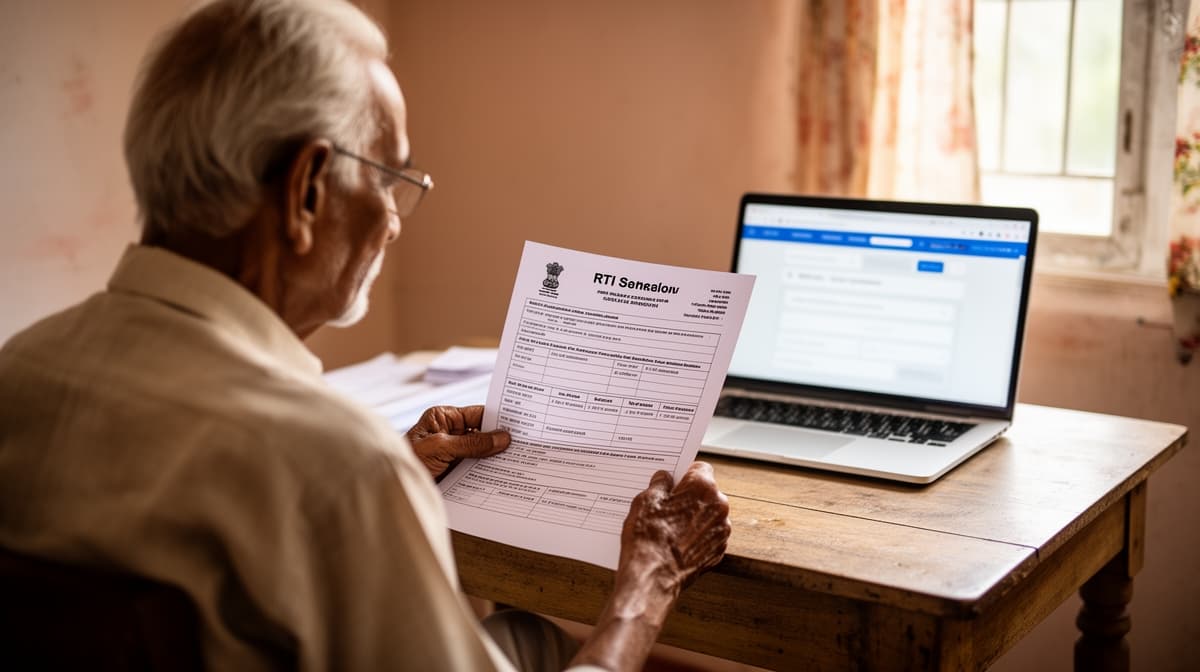
The Central Information Commission has reaffirmed a foundational limit on its powers under the Right to Information Act, 2005: it cannot compel disclosure of information even when denial is found to be unjustified, unless malafide intent is proven. This decision clarifies the procedural boundaries between remedial and punitive jurisdiction under the Act, with critical implications for citizens and public authorities alike.
Background & Facts
The Dispute
The complainant, a senior citizen, filed an RTI application on 22 August 2024 seeking detailed information regarding the status and processing of two pending complaints related to Employees Provident Fund dues. He sought progress reports, names of officials involved, file notings, timelines for disposal, and identification of officers responsible for delay.
Procedural History
- 22 August 2024: RTI application submitted to CPIO, EPFO, Puducherry
- 16 September 2024: CPIO responded, providing partial information and citing lack of system to generate reports
- 10 October 2024: Second appeal filed with the Central Information Commission under Section 18 of the RTI Act
- 28 January 2026: Hearing conducted via video conference; CPIO participated
Relief Sought
The complainant sought: (1) full disclosure of the requested information; (2) penalty against the CPIO for failure to provide information; and (3) directions to facilitate access given his status as a senior citizen.
The Legal Issue
The central question was whether the Central Information Commission, under Section 18 of the RTI Act, 2005, has the authority to direct the disclosure of information that was denied, or whether its jurisdiction is confined solely to imposing penalties under Section 20 for malafide denial.
Arguments Presented
For the Appellant/Petitioner
The complainant argued that the CPIO’s reply was evasive and incomplete, particularly regarding file notings and internal timelines. He contended that the refusal to provide details on official handling of his complaints violated the spirit of transparency under the RTI Act. He relied on the principle that the Act is a welfare legislation meant to empower citizens, and that procedural technicalities should not defeat substantive access.
For the Respondent/State
The CPIO maintained that all available information had been furnished, including the Citizen Charter link and details of actions taken under Section 7A of the EPF Act. He asserted that no physical files exist due to the online grievance system, and that the Commission cannot compel creation of new records or demand opinions. He cited the Supreme Court’s ruling in Chief Information Commissioner v. State of Manipur to argue that Section 18 does not empower the Commission to order disclosure.
The Court's Analysis
The Commission undertook a rigorous statutory interpretation of Sections 18 and 19 of the RTI Act, distinguishing between the two remedies available to citizens. It emphasized that Section 19 governs appeals against refusal of information and permits the Commission to order disclosure, while Section 18 is exclusively a complaint mechanism for addressing deliberate denial.
"The Commissioner while entertaining a complaint under Section 18 of the said Act has no jurisdiction to pass an order providing for access to the information."
The Commission explicitly adopted the reasoning of the Supreme Court in Chief Information Commissioner v. State of Manipur, holding that Section 18 is not a substitute for Section 19. It clarified that the Commission’s power under Section 18 is limited to determining whether the Information Officer acted in bad faith, and if so, to impose penalties under Section 20. It cannot, under this provision, order the release of information.
The Commission further noted that the CPIO had responded within the statutory time limit and had provided all information that existed in material form. The absence of file notings was attributed to the digital nature of the grievance system, not to concealment. No evidence of malafide intent was found.
The Verdict
The complainant’s appeal was dismissed. The Court held that Section 18 of the RTI Act does not empower the Commission to direct disclosure of information, and since no malafide denial was established, no penalty was warranted. The CPIO was directed only to re-send the reply via speed post and email at no cost.
What This Means For Similar Cases
Section 18 Cannot Be Used to Compel Disclosure
- Practitioners must file appeals under Section 19, not complaints under Section 18, if the goal is to obtain information
- Filing a Section 18 complaint without alleging malafide intent will not result in disclosure, even if the CPIO’s reply is inadequate
- Litigants should carefully choose the correct procedural route to avoid dismissal on jurisdictional grounds
Malafide Intent Must Be Explicitly Alleged and Proven
- Mere delay, incomplete replies, or technical refusals do not constitute malafide denial
- To trigger penalty under Section 20, complainants must demonstrate intentional obstruction, concealment, or bad faith
- Public authorities may rely on this judgment to resist unwarranted penalties where responses are technically compliant
Senior Citizens Still Entitled to Proactive Assistance
- While the Commission cannot order disclosure under Section 18, it retains authority to recommend facilitation for vulnerable applicants
- Public authorities must now proactively assist senior citizens, persons with disabilities, or marginalized groups in accessing information, even if no penalty applies
- This creates a soft obligation for public authorities to go beyond statutory minimums in cases involving vulnerable litigants