The Madras High Court has reaffirmed that civil courts retain inherent jurisdiction to adjudicate claims of title and possession over religious properties, even when municipal authorities allege encroachment. This ruling prevents premature dismissal of suits at the pleading stage and reinforces the principle that factual disputes over ownership must be resolved after full trial, not through procedural barriers.
Background & Facts
The Dispute
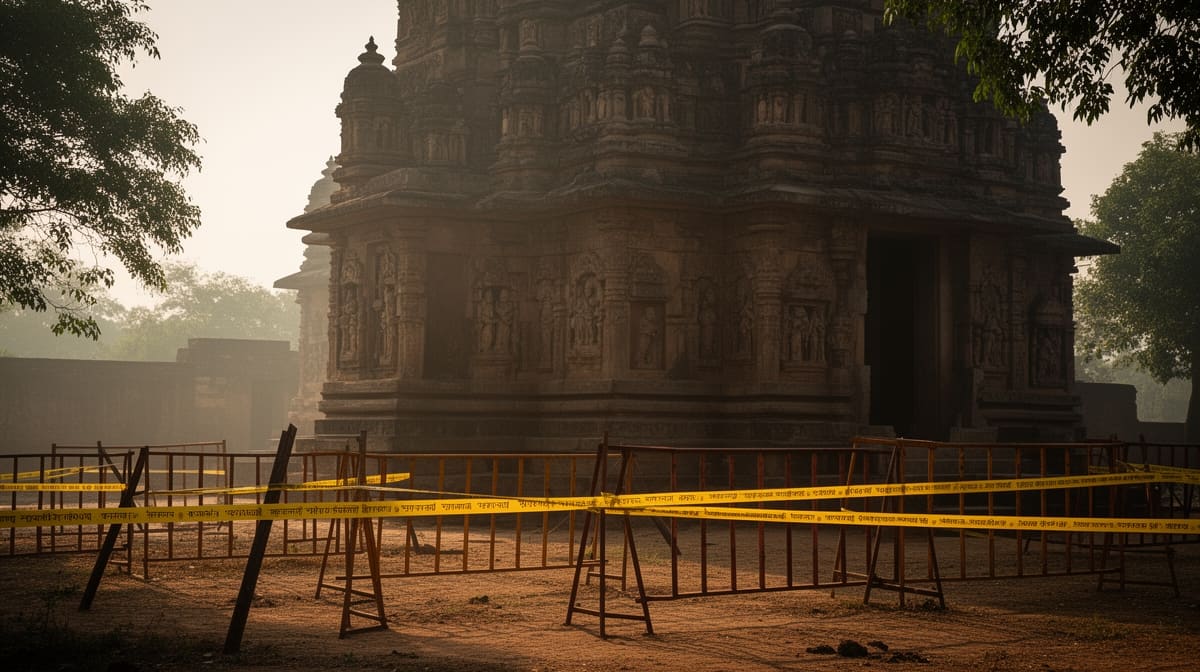
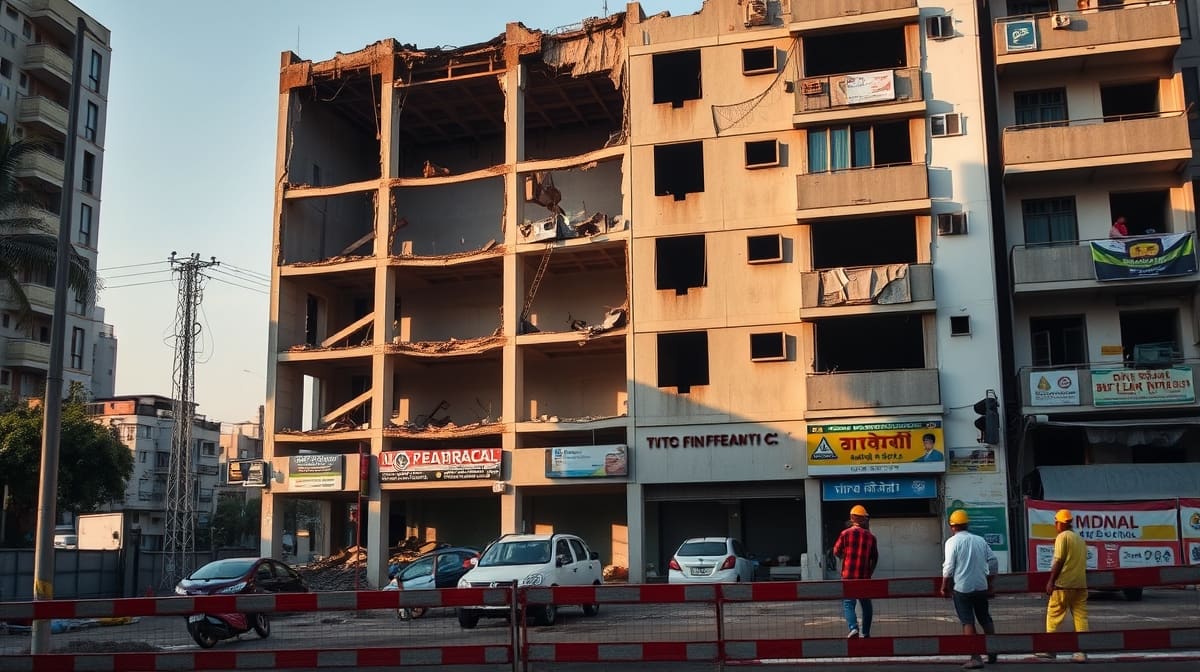
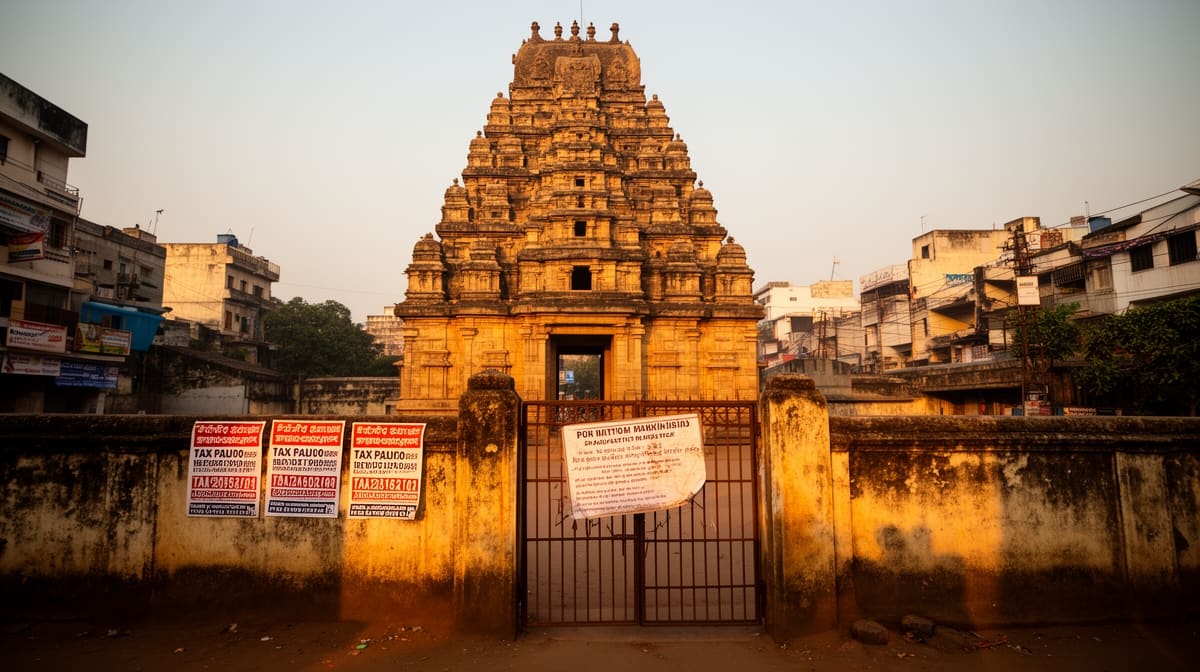
The petitioner, representing the Sri Thatha Kasi Sadasiva Arumuga Swamigal Temple, claims absolute ownership of a property in Pattalam, Chennai, dating back to 1913. The temple has been in continuous possession, paying property taxes and maintaining a concrete structure on the land. The Greater Chennai Corporation, acting through its Assistant Engineer and Deputy Commissioner, issued an eviction notice alleging the temple’s structure constitutes illegal encroachment on municipal land.
Procedural History
- 2026: Temple filed a civil suit before the City Civil Judge seeking declaration of title, injunction against eviction, and consequential reliefs.
- 23.02.2026: The City Civil Judge returned the plaint without numbering, invoking Section 149 of the Tamil Nadu Urban Local Bodies Act (TNULBA) as a bar to jurisdiction.
- 10.03.2026: Petitioner filed a Civil Revision Petition under Article 227 of the Constitution challenging the return order.
Relief Sought
The petitioner sought: (1) setting aside the return of plaint order; (2) direction to the City Civil Judge to number and admit the suit; and (3) interim restraint on eviction or demolition of the temple structure pending adjudication.
The Legal Issue
The central question was whether Section 149 of the Tamil Nadu Urban Local Bodies Act operates as an absolute bar to the jurisdiction of civil courts when a private temple asserts ownership over land allegedly encroached upon by municipal authorities, and whether such a bar can be invoked at the stage of returning a plaint without a full trial.
Arguments Presented
For the Petitioner
The petitioner’s counsel argued that Section 149 TNULBA only bars suits relating to municipal taxes, fines, or recovery of dues - not disputes over title, possession, or ownership of property. Citing State of Tamil Nadu v. S. R. Srinivasan, the counsel emphasized that civil courts retain jurisdiction over proprietary rights unless expressly excluded by statute. The plaint contained photographs, tax receipts, and historical records establishing a prima facie case of ownership, making the return of plaint premature.
For the Respondent
The respondents contended that the temple’s structure was erected without municipal permission and therefore constituted unlawful encroachment under the TNULBA. They argued that Section 149 bars civil courts from entertaining suits challenging municipal actions concerning land use and encroachment, and that the temple’s claim must be resolved through administrative remedies under the Act.
The Court's Analysis
The Court examined the scope of Section 149 TNULBA, which bars civil courts from entertaining suits "relating to" taxes, fines, or dues levied under the Act. The Court held that this provision does not extend to disputes over title, possession, or ownership of land, even if municipal authorities allege encroachment. The Court distinguished between a suit challenging the legality of a municipal notice and a suit asserting proprietary rights.
"The question of whether the plaintiff is the absolute owner of the property or whether the property is encroached upon by the temple cannot be decided at the stage of returning the plaint. Such issues require evidence, cross-examination, and a full-fledged trial."
The Court further noted that the plaint included documentary evidence - photographs of the structure, tax payment records, and historical usage - that prima facie supported the temple’s claim. To return the plaint on the basis of Section 149 without allowing the matter to proceed to trial amounted to a denial of access to justice. The Court emphasized that jurisdictional bars must be strictly construed, and where a claim falls outside the express language of a statute, civil courts must not abdicate their constitutional duty.
The Verdict
The petitioner succeeded. The Madras High Court held that Section 149 TNULBA does not bar civil courts from adjudicating claims of title and possession over religious properties. The Court set aside the return of plaint and directed the City Civil Judge to number the suit within two weeks and proceed with trial, while restraining the respondents from evicting or demolishing the structure pending adjudication.
What This Means For Similar Cases
Civil Courts Retain Jurisdiction Over Title Disputes
- Practitioners must argue that Section 149 TNULBA applies only to revenue-related claims, not proprietary disputes
- Any attempt to invoke municipal statutes to oust civil court jurisdiction must be challenged on the ground of overbreadth
- Plaintiffs should always include documentary evidence of long-term possession and tax payments to establish prima facie title
Preliminary Rejection of Plaints Is Impermissible
- Courts cannot dismiss suits at the pleading stage based on alleged encroachment without hearing evidence
- The burden to prove jurisdictional bar lies on the defendant, not the plaintiff
- Return of plaint under Section 99 CPC must be based on clear, unambiguous legal bars - not speculative allegations
Interim Protection for Religious Structures Is Justified
- Courts may grant interim injunctions against demolition or eviction when a prima facie case of ownership is made out
- Religious institutions are entitled to the same property protections as private individuals under constitutional principles
- Any demolition during pendency of suit may attract contempt proceedings