The Madras High Court has affirmed that sub-tenants in a shared building complex cannot be displaced or prejudiced by demolition activities pending resolution of a civil suit over title and possession. In a consolidated order addressing eleven writ petitions, the Court extended protective injunctions to ensure structural integrity of shared walls essential for access and safety, reinforcing the principle that interim possession rights must be preserved until final adjudication.
Background & Facts
The Dispute
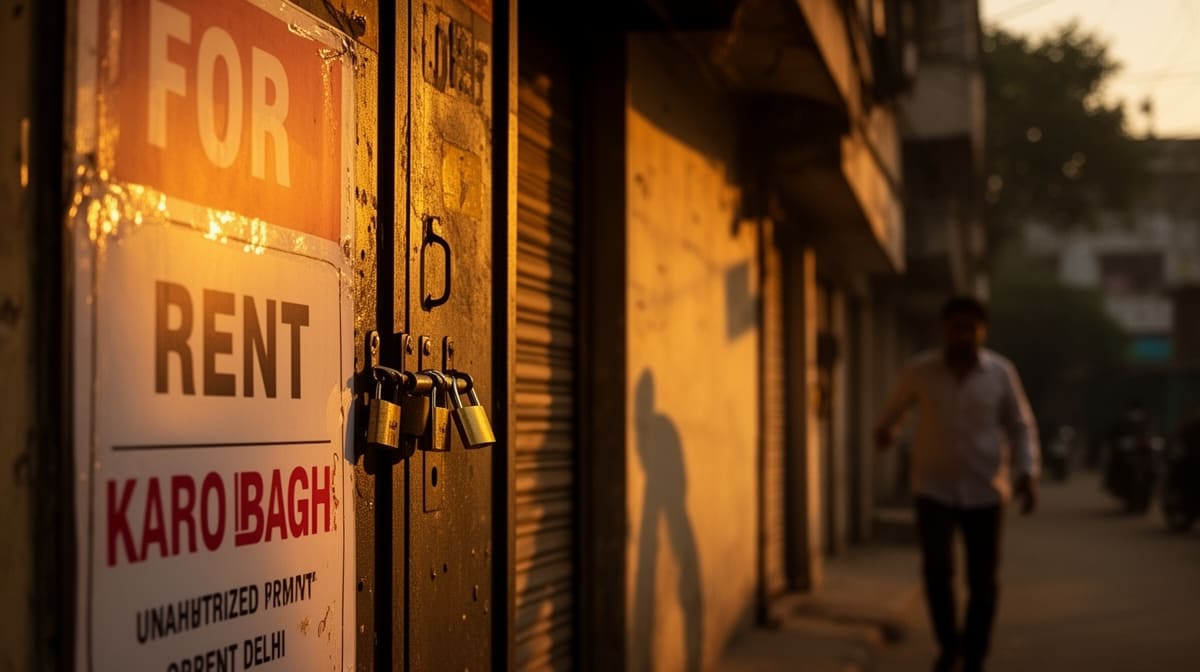
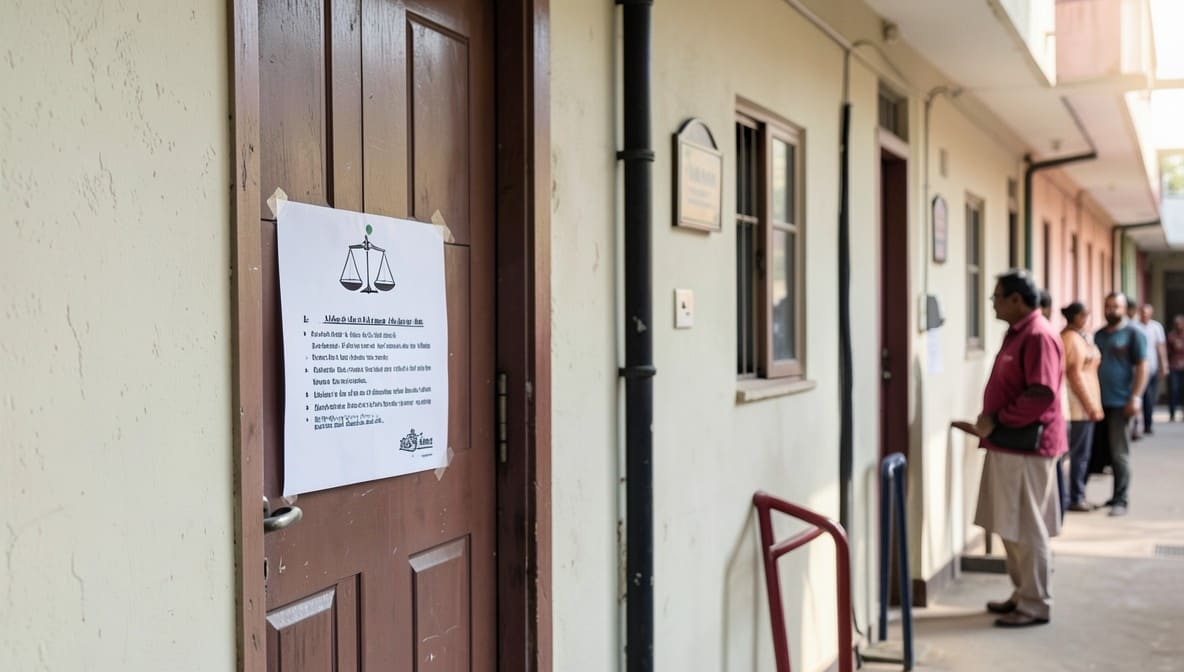
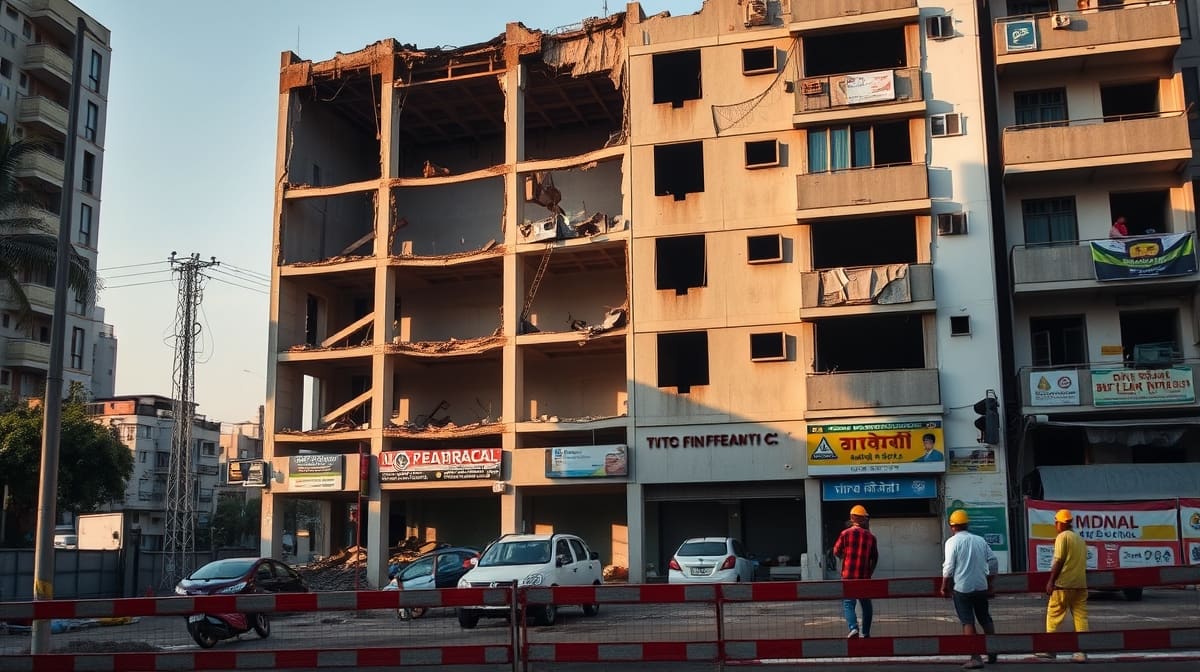
The petitioners are sub-tenants occupying commercial units in a building complex located at No. 6 (Old No. 37) Arcot Road, Vadapalani, Chennai. The second respondent, Doshi Constructions, holds the primary leasehold interest and obtained demolition permission (Ref. No. DA/WDCN10/00917/2025) from the Greater Chennai Corporation on 30.10.2025 to demolish portions of the building for redevelopment. The petitioners, who occupy units within the structure, contend that demolition of common walls and structural elements will render their premises inaccessible, unsafe, and unusable, despite their lawful possession as sub-tenants.
Key Facts
- The petitioners are all sub-tenants occupying commercial spaces in the same building complex
- The primary dispute over ownership and possession is pending in Civil Suit No. 574 of 2010 before the City Civil Court, Chennai
- The demolition permission was granted by the Town Planning Section of the Greater Chennai Corporation on 30.10.2025
- The petitioners have no direct contractual relationship with the second respondent but claim possession through prior tenancy arrangements
- The first respondent, Executive Engineer, Town Planning Section, issued the demolition sanction but is not actively executing it
- The second respondent, Doshi Constructions, is the entity seeking to carry out demolition
Procedural History
- 2010: Civil Suit No. 574 of 2010 filed by S.R.P. Enterprises against the first respondent and others, seeking declaration of title and injunction against interference
- 09.03.2026: Madras High Court disposed of W.P. No. 7841 of 2026 filed by S.R.P. Enterprises, granting interim protection to sub-tenants, including:
- Prohibition against disturbing peaceful possession
- Prohibition against hindering ingress and egress
- Clarification that the order would not prejudice the civil suit
- 30.10.2025: Demolition permission issued by Greater Chennai Corporation
- 08.04.2026: Eleven additional writ petitions filed by other sub-tenants seeking similar protection
The Parties' Positions
For the Petitioners: The sub-tenants, represented by Senior Counsel S.R. Rajagopal and others, argued that demolition of common walls would destroy the structural and functional integrity of their premises, effectively rendering their occupation impossible. They relied on the precedent set in W.P. No. 7841 of 2026 and emphasized that their possession, though not title-based, is lawful and protected under Article 21 of the Constitution as an aspect of livelihood and property.
For the Respondents: The second respondent, Doshi Constructions, through Senior Counsel R. Parthasarathy, acknowledged the petitioners’ possession and undertook not to demolish the common walls adjoining the petitioners’ units until the civil suit is decided. The first respondent, Greater Chennai Corporation, did not oppose the relief sought.
Relief Sought
The petitioners sought:
- Quashing of the demolition permission dated 30.10.2025
- A permanent injunction restraining the respondents from demolishing common walls affecting their premises
- A direction to preserve structural elements essential for ingress, egress, and safety
- Costs and any other relief deemed fit
The Legal Issue
The central question was whether sub-tenants, who are not parties to the underlying civil suit over title, are entitled to interim protection against demolition of structural elements essential to their lawful possession, pending adjudication of the civil dispute.
Arguments Presented
For the Petitioner
The petitioners relied on the Court’s earlier order in W.P. No. 7841 of 2026, which recognized the rights of sub-tenants to peaceful possession and access. They argued that demolition of common walls would not merely inconvenience but effectively dispossess them, violating the principle of uti possidetis juris and the doctrine of status quo ante bellum. They cited State of Haryana v. Bhajan Lal to emphasize that courts must protect possession even in the absence of title, especially where livelihood is at stake.
For the Respondent
The second respondent accepted the petitioners’ factual position and offered a voluntary undertaking not to demolish the common walls adjoining the petitioners’ units. Counsel for the respondent emphasized that the demolition was limited to non-occupied portions and that the undertaking would not prejudice the respondent’s rights in the civil suit. The respondent sought reciprocal protection against interference from petitioners in areas being demolished.
The Court's Analysis
The Court observed that the factual matrix of these petitions was identical to W.P. No. 7841 of 2026, which had already been decided on 09.03.2026. The Court noted that the petitioners were not seeking to challenge the demolition sanction itself but sought to preserve the structural integrity of the building as it affected their lawful occupation.
"The right to peaceful possession, even if not founded on title, is a recognized facet of personal liberty under Article 21 and cannot be arbitrarily extinguished by unilateral action pending adjudication of title."
The Court accepted the undertaking given by the second respondent as a sufficient safeguard. It held that the balance of convenience clearly favored the petitioners, as demolition of common walls would cause irreparable harm to their business operations and access. The Court also noted that the respondents’ interest in redevelopment could proceed without affecting the shared structural elements.
The Court further emphasized that the protection granted was limited and conditional: it applied only to common walls adjoining the petitioners’ premises and did not extend to other portions of the building. The respondents were entitled to proceed with demolition in areas not affecting the petitioners, provided no interference occurred.
The Verdict
The writ petitions were disposed of with the following directions:
- The second respondent shall not demolish the common walls adjoining the buildings occupied by the petitioners until the disposal of Civil Suit No. 574 of 2010
- The petitioners shall not interfere with the ingress and egress of the second respondent or its workers in areas of the building complex not occupied by them
- There shall be no order as to costs
- All connected miscellaneous petitions are closed
What This Means For Similar Cases
Possession Trumps Title in Interim Relief
- Practitioners representing sub-tenants in redevelopment disputes must immediately seek interim injunctions to preserve structural access points
- Courts are likely to protect possession even where title is contested, especially if livelihood or business continuity is at risk
- The burden shifts to the party seeking demolition to prove that structural interference is unavoidable and proportionate
Undertakings Can Replace Court Orders
- Voluntary undertakings from developers, when clear and specific, are binding and may obviate the need for prolonged litigation
- Counsel should always seek written undertakings on record during hearings to secure immediate relief
- Such undertakings must be precise: specify what is prohibited, what is permitted, and the duration of the restriction
Civil Suit Pending = Status Quo Must Be Preserved
- Any demolition activity affecting occupied premises during pendency of a title suit is prima facie unlawful
- Courts will not permit destruction of shared infrastructure that renders occupation impossible
- Petitioners must clearly identify which structural elements are critical to their use - walls, staircases, corridors, utility lines