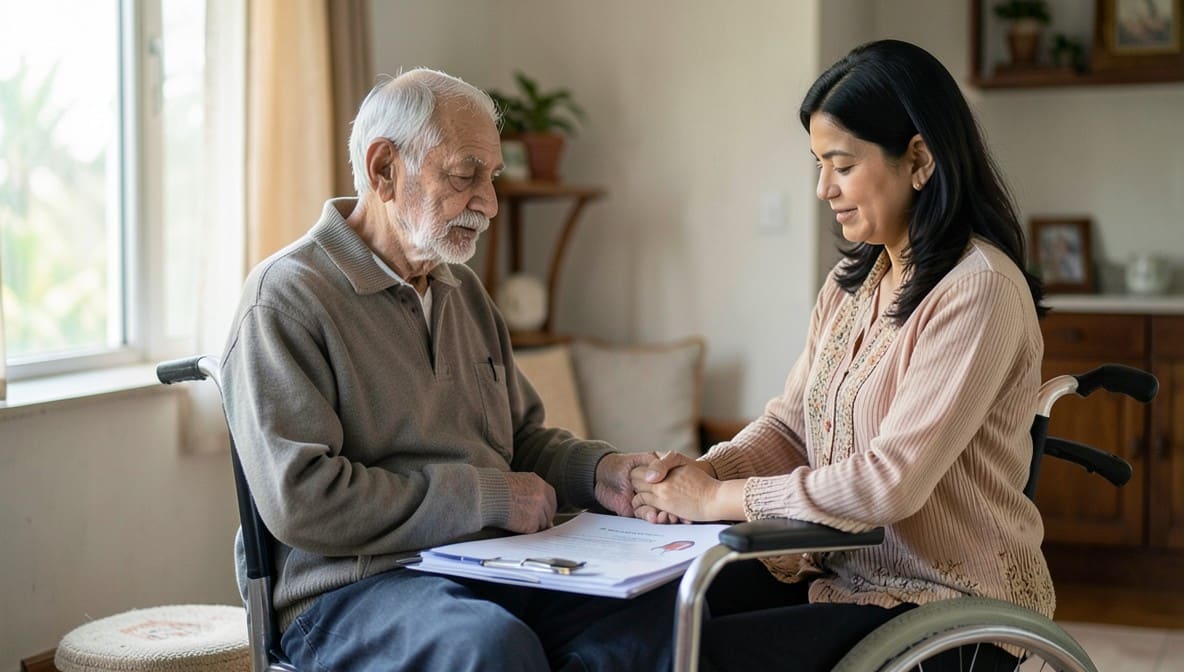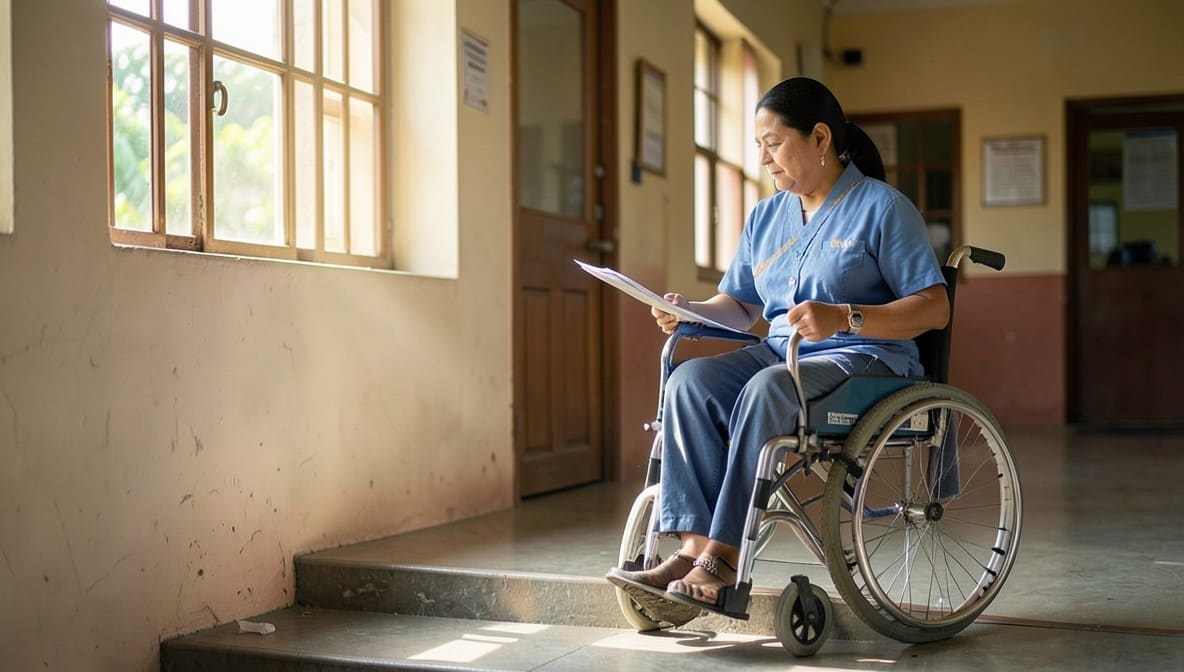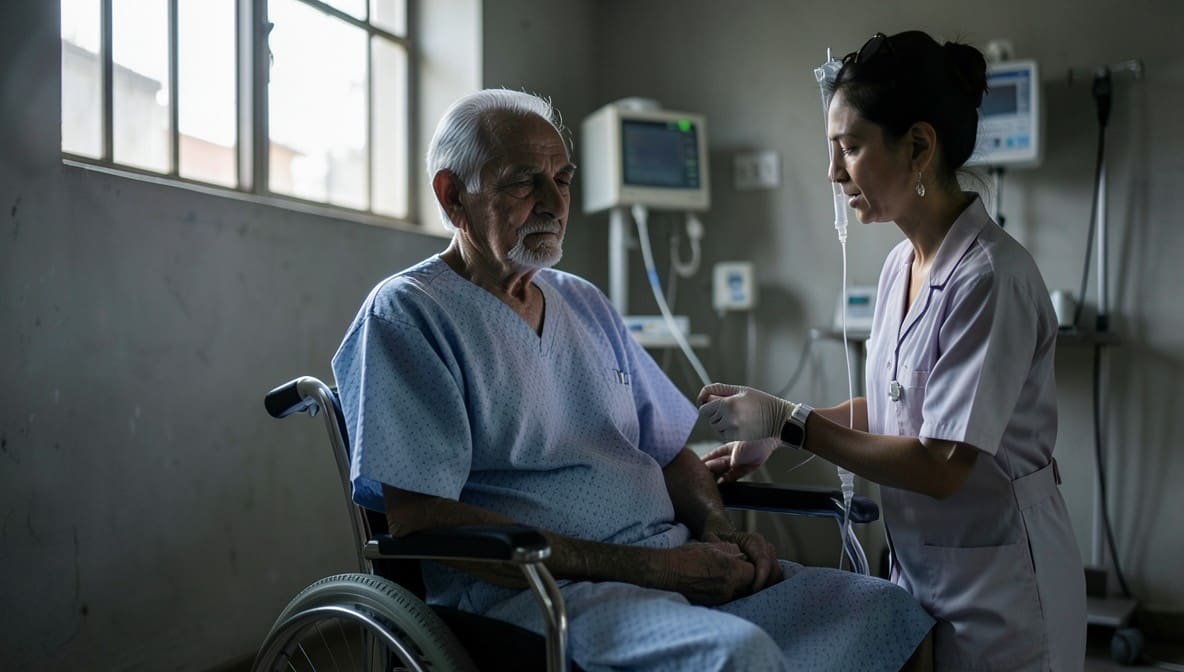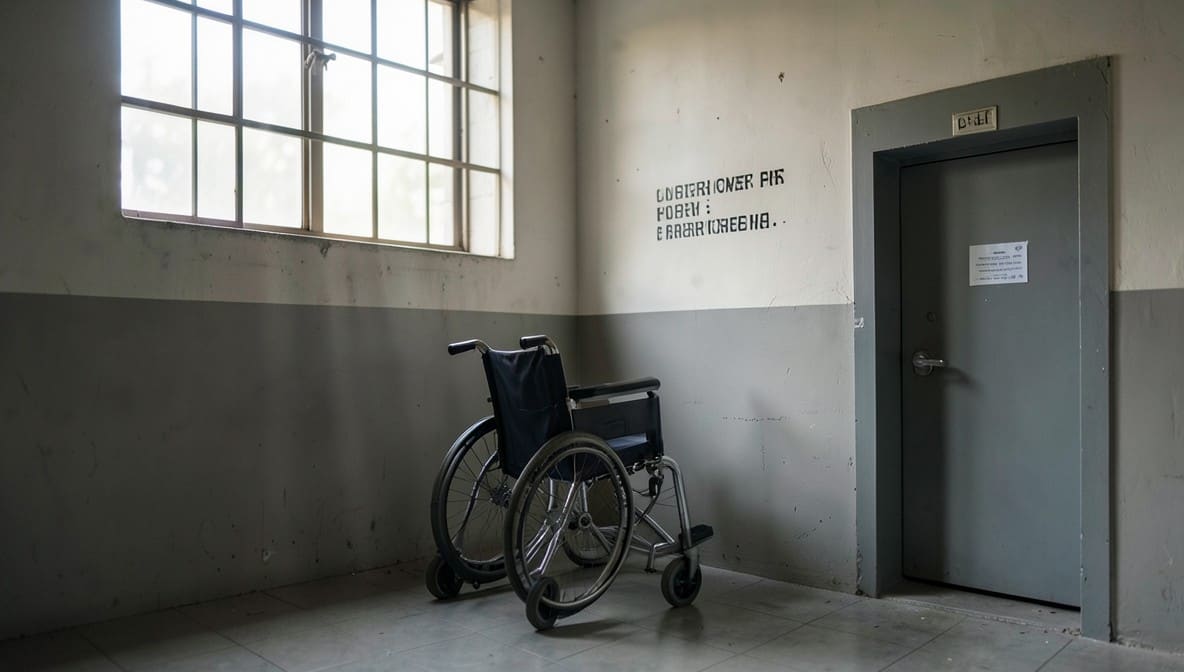
The Supreme Court has affirmed that the constitutional guarantees of dignity and equality under Articles 14 and 21 demand the full implementation of the Rights of Persons with Disabilities Act, 2016 within India’s prison systems. This judgment establishes a binding framework for the inclusion, accessibility, and humane treatment of prisoners with benchmark disabilities, reinforcing that incarceration cannot justify the erosion of fundamental rights.
Background & Facts
The Dispute
The petitioner, Sathyan Naravoor, filed a writ petition highlighting systemic failures in the treatment of prisoners with disabilities across Indian prisons. He contended that despite the existence of the Rights of Persons with Disabilities Act, 2016 (RPwD Act, 2016), and prior judicial directives in L. Muruganantham v. State of Tamil Nadu and Others, prison authorities across States and Union Territories continue to neglect accessible infrastructure, healthcare, assistive devices, and educational opportunities for inmates with disabilities.
Key Facts
- The petitioner is a human rights advocate with longstanding engagement in prison reform.
- He drew attention to documented cases of prisoners with mobility, visual, hearing, and intellectual disabilities being denied ramps, accessible toilets, hearing aids, wheelchairs, and Braille materials.
- Many prisoners with disabilities are confined to cells without access to basic hygiene facilities or medical care.
- No uniform protocol exists for identifying disabilities upon admission to prisons.
- Prison staff are largely unsensitised to disability rights, and no grievance redressal mechanism is operational for inmates with disabilities.
- Educational programmes in prisons are inaccessible to inmates with disabilities, violating their right to education under the RPwD Act.
Procedural History
- 15.01.2025: Writ Petition (Civ.) No. 182 of 2025 filed before the Supreme Court.
- 02.12.2025: Supreme Court issued an interim order referencing L. Muruganantham (2025) 10 SCC 401, directing identification of disabled prisoners, accessible infrastructure, staff training, and compliance reporting.
- 08.04.2026: Hearing held to review compliance. Only 12 States/UTs had filed compliance affidavits.
- 21.04.2026: Final order issued by the Supreme Court.
The Parties' Positions
For the Petitioner: Argued that the RPwD Act, 2016, and constitutional rights are being violated systematically. Emphasised that Section 89 of the RPwD Act mandates reasonable accommodation in all public institutions, including prisons. Highlighted the absence of assistive device procurement systems and the denial of enhanced visitation rights.
For the Respondents (Union of India & States): Did not contest the need for reform. Acknowledged gaps in implementation but cited administrative and financial constraints. Did not oppose the extension of L. Muruganantham directives but sought flexibility in implementation.
Relief Sought
The petitioner sought:
- Mandatory application of the RPwD Act, 2016 to all prisons.
- Establishment of accessible grievance redressal mechanisms.
- Provision of assistive devices and mobility aids.
- Inclusive education for prisoners with disabilities.
- Enhanced visitation rights for prisoners with benchmark disabilities.
- Comprehensive compliance reports from all States and Union Territories.
The Legal Issue
The central question was whether the Rights of Persons with Disabilities Act, 2016, and Articles 14 and 21 of the Constitution, require States and Union Territories to ensure accessible infrastructure, assistive devices, inclusive education, and grievance mechanisms for prisoners with disabilities, and whether the directions in L. Muruganantham must be uniformly enforced across all jurisdictions.
Arguments Presented
For the Petitioner
The petitioner relied on L. Muruganantham v. State of Tamil Nadu to argue that the State has a non-delegable duty to ensure dignity and equality for all persons in custody. He cited Section 89 of the RPwD Act, 2016, which mandates reasonable accommodation in all public institutions, including prisons. He further invoked Common Cause v. Union of India and Relevant Judgment on Prison Reforms to assert that incarceration does not extinguish fundamental rights. He urged the Court to treat prison systems as public institutions under the RPwD Act and to enforce compliance through institutional oversight.
For the Respondent
The Union and States acknowledged the validity of the petitioner’s concerns but argued that implementation challenges arise due to fiscal limitations, lack of trained personnel, and infrastructural constraints in older prisons. They contended that the L. Muruganantham directions were already being implemented piecemeal and requested time and flexibility. They did not oppose the creation of a central oversight mechanism but sought to avoid overlapping directives.
The Court's Analysis
The Court observed that the rights of prisoners with disabilities are not derivative or conditional upon administrative convenience. It held that Articles 14 and 21 impose a positive obligation on the State to ensure substantive equality, not merely formal non-discrimination. The Court rejected the notion that prisons are exempt from the RPwD Act, stating:
"The prison system is not a legal vacuum. The constitutional guarantee of dignity does not cease at the prison gate. The RPwD Act, 2016, applies to all public institutions, and prisons are quintessential public institutions under the State’s control."
The Court distinguished L. Muruganantham as a foundational judgment but noted its limited reach due to non-uniform compliance. It found that piecemeal implementation by 12 States/UTs was insufficient to meet constitutional obligations. The Court emphasised that the absence of a centralised, expert-driven mechanism had led to fragmentation and delay.
It held that the High-Powered Committee constituted in Suhas Chakma v. Union of India was the most appropriate forum to oversee uniform implementation. The Court reasoned that this body, already tasked with harmonising correctional policies, possessed the institutional capacity, expertise, and authority to coordinate across jurisdictions, resolve logistical challenges, and evolve enforceable standards.
The Court further clarified that Section 89 of the RPwD Act is not merely directory but mandatory in prison settings. It directed that awareness programmes be conducted for prison staff, legal-aid providers, and administrators. The Court also rejected the argument that security concerns justify denial of assistive devices, stating:
"Security protocols must evolve to accommodate disability, not exclude persons with disabilities from basic dignity."
It mandated that the High-Powered Committee formulate a uniform action plan for procurement, maintenance, and secure provision of assistive devices, balancing safety with accessibility.
The Verdict
The Supreme Court directed that all States and Union Territories shall comply with the directions in L. Muruganantham and the present order through the High-Powered Committee. The Committee shall:
- Submit a consolidated status report within four months.
- Formulate a uniform action plan for assistive devices, including procurement, maintenance, and security protocols.
- Ensure inclusive education and enhanced visitation rights for prisoners with benchmark disabilities.
- Receive compliance affidavits from all States and Union Territories within six weeks.
- Be empowered to issue binding directions to State departments.
The Union and State Secretaries shall actively participate. The Registry shall transmit this order to the Committee. The matter is listed for hearing on 01.09.2026.
What This Means For Similar Cases
The RPwD Act Applies Unconditionally in Prisons
- Practitioners must now argue that Section 89 of the RPwD Act, 2016 applies to all custodial institutions, regardless of prison age or location.
- Any denial of ramps, toilets, hearing aids, or Braille materials can be challenged as a violation of Article 21.
- Prison authorities must proactively identify disabilities at admission - failure to do so constitutes systemic negligence.
Institutional Oversight Trumps Ad Hoc Compliance
- Litigation against individual prisons is now secondary to engaging the High-Powered Committee.
- Petitioners may file representations directly with the Committee, which has authority to compel State action.
- Compliance reports submitted directly to the Supreme Court are no longer sufficient; all reporting must now flow through the Committee.
Assistive Devices Are a Right, Not a Privilege
- States must now establish institutional mechanisms for procurement, storage, and maintenance of wheelchairs, hearing aids, mobility aids, and communication devices.
- Security concerns cannot be used to deny access - protocols must be redesigned to accommodate devices.
- Failure to provide such devices may attract contempt proceedings under Article 142.