The Bombay High Court has reaffirmed that the right to a hearing under Section 75(4) of the CGST Act is not a formality but a substantive safeguard against arbitrary tax action. This judgment clarifies that adverse orders issued without affording an opportunity of hearing - whether requested or not - are legally invalid, reinforcing foundational principles of natural justice in administrative taxation.
Background & Facts
The Dispute
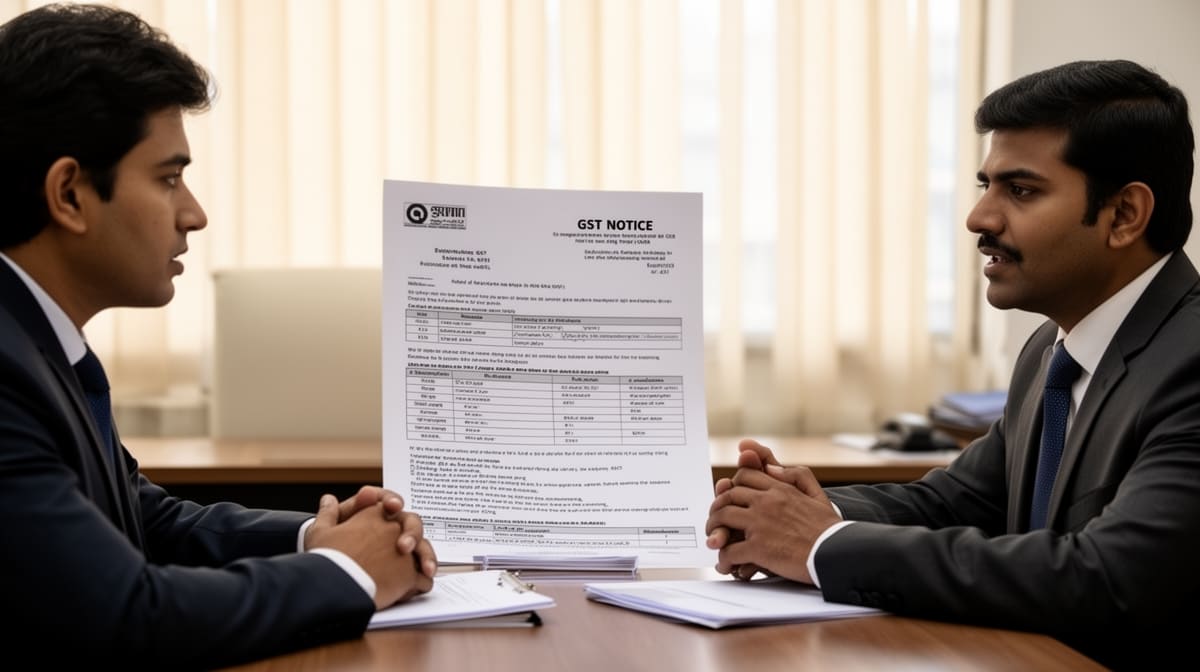
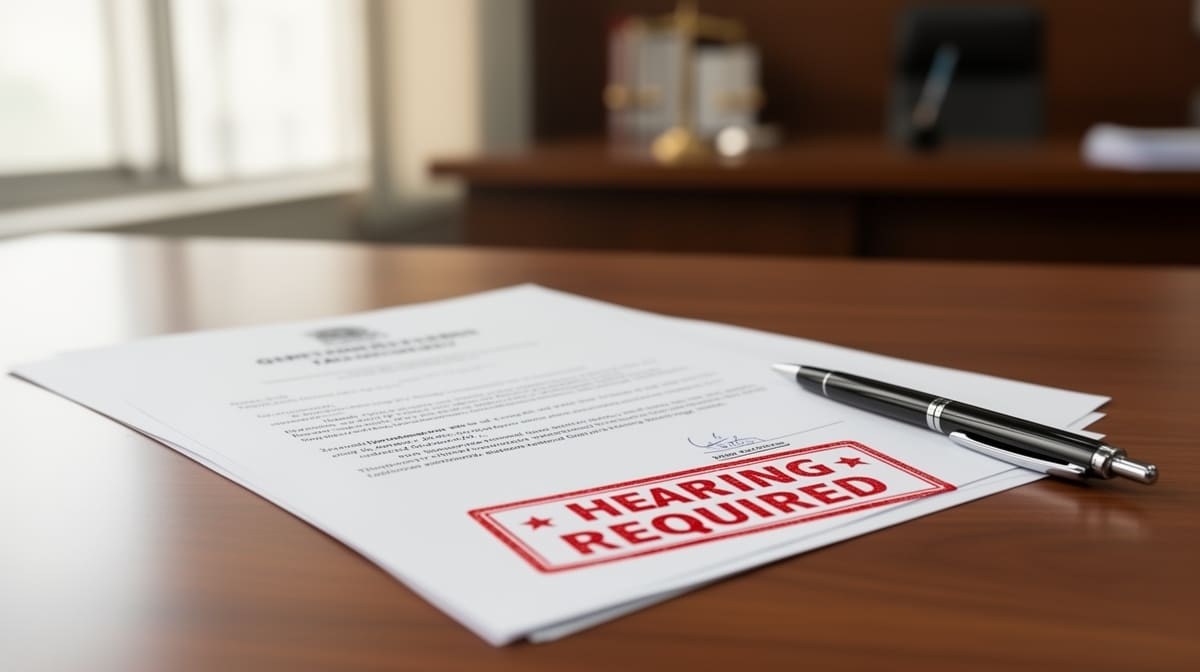
The petitioner, Rajeshkumar Gulabchand Goyal, received a show cause notice dated 02.08.2023 from the State Tax Officer, Nagpur, proposing to recover alleged tax dues under Section 73 of the Central Goods and Services Tax Act, 2017. The notice contained a stamped remark: "Personal hearing is not applicable to the case." No further opportunity for oral or written representation was provided before the issuance of the final order on 04.09.2023 directing payment of tax.
Procedural History
- 02.08.2023: Show cause notice issued under Section 73 of the CGST Act
- Notice remark: "Personal hearing is not applicable" - no inquiry into whether petitioner desired hearing
- 04.09.2023: Final order passed directing tax payment without any hearing
- 15.01.2025: Writ petition filed under Article 226 challenging the order as violative of Section 75(4)
Relief Sought
The petitioner sought quashing of the impugned order on grounds of violation of natural justice and non-compliance with mandatory procedural requirements under Section 75(4) of the CGST Act.
The Legal Issue
The central question was whether Section 75(4) of the CGST Act, 2017 requires an opportunity of hearing to be granted automatically whenever an adverse decision is contemplated, irrespective of whether the person chargeable with tax has made a written request.
Arguments Presented
For the Petitioner
The petitioner’s counsel relied on the plain language of Section 75(4), which states that hearing shall be granted "where any adverse decision is contemplated against such person." They argued that the statutory mandate is unconditional and self-operative. Citing State of U.P. v. Mohammad Javed, they emphasized that procedural fairness is not a privilege but a right under Article 14 and 21 of the Constitution. The remark in the notice dismissing hearing as "not applicable" was a clear statutory violation.
For the Respondent
The State contended that the show cause notice provided sufficient opportunity to respond in writing, and that personal hearing was discretionary. They argued that the term "hearing" in Section 75(4) could be satisfied through written submissions and that the legislature did not intend to mandate oral hearings in every case. They further cited administrative convenience and volume of cases as justification for the practice.
The Court's Analysis
The Court undertook a textual and purposive interpretation of Section 75(4). It observed that the provision contains two distinct triggers: (i) written request by the person, and (ii) contemplation of an adverse decision. The Court held that the second trigger is independent and mandatory. "The phrase 'where any adverse decision is contemplated' is not qualified by any condition of request or application," the Court noted.
"The statutory obligation to grant hearing arises ipso facto upon contemplation of an adverse decision. To hold otherwise would render the provision otiose and defeat the legislative intent to ensure fairness in tax adjudication."
The Court rejected the State’s argument that written replies suffice as hearing, distinguishing between "opportunity to be heard" and mere "opportunity to submit written objections." The former implies a meaningful engagement, including the possibility of oral presentation, rebuttal, and clarification. The Court further held that the blanket disclaimer in the notice - "personal hearing is not applicable" - was not only legally invalid but also demonstrated a systemic disregard for statutory rights.
The Court emphasized that Section 75(4) is a procedural safeguard designed to prevent arbitrary action, and its violation renders the order void ab initio, regardless of the merits of the tax demand.
The Verdict
The petitioner succeeded. The Court held that Section 75(4) mandates an opportunity of hearing whenever an adverse decision is contemplated, irrespective of request. The impugned order dated 04.09.2023 was quashed and the matter remanded to the tax officer to afford the petitioner a fresh opportunity of hearing before passing any order.
What This Means For Similar Cases
Hearing Is Not Discretionary
- Practitioners must now treat any show cause notice proposing tax liability as triggering an automatic right to hearing under Section 75(4)
- Tax authorities cannot pre-emptively reject hearing requests or label them "not applicable"
- Written submissions alone do not satisfy the statutory requirement - oral hearing must be offered
Violation Renders Order Void
- Orders passed without hearing under Section 75(4) are voidable and subject to immediate quashing under Article 226
- Courts will not examine merits of tax demand if procedural violation is established
- Petitioners in similar cases may now file writs without awaiting final assessment orders
Administrative Practices Must Change
- Tax departments must revise notice formats to remove blanket disclaimers on hearing
- Training modules for tax officers must include mandatory compliance with Section 75(4)
- Legal teams should routinely raise procedural violations as primary grounds in tax litigation, not secondary ones