The Chhattisgarh High Court has affirmed that death by drowning in an agricultural field qualifies for ex gratia compensation under state welfare guidelines, rejecting hyper-technical objections that undermine humanitarian intent. The judgment reinforces the obligation of revenue authorities to interpret relief schemes liberally in favor of grieving families.
Background & Facts
The Dispute
The petitioner, Smt. Laxmi Sahu, sought an ex gratia amount of Rs. 4,00,000 under the Revenue Book Circular dated 09.06.2015 following the death of her mother, Smt. Suman Bai, who drowned on 06.09.2020 while cutting grass in an agricultural field. The petitioner’s application was initially recommended for approval by multiple revenue officials but was ultimately rejected by the Collector, Rajnandgaon, on grounds of insufficient water depth and alleged pre-existing medical condition.
Key Facts
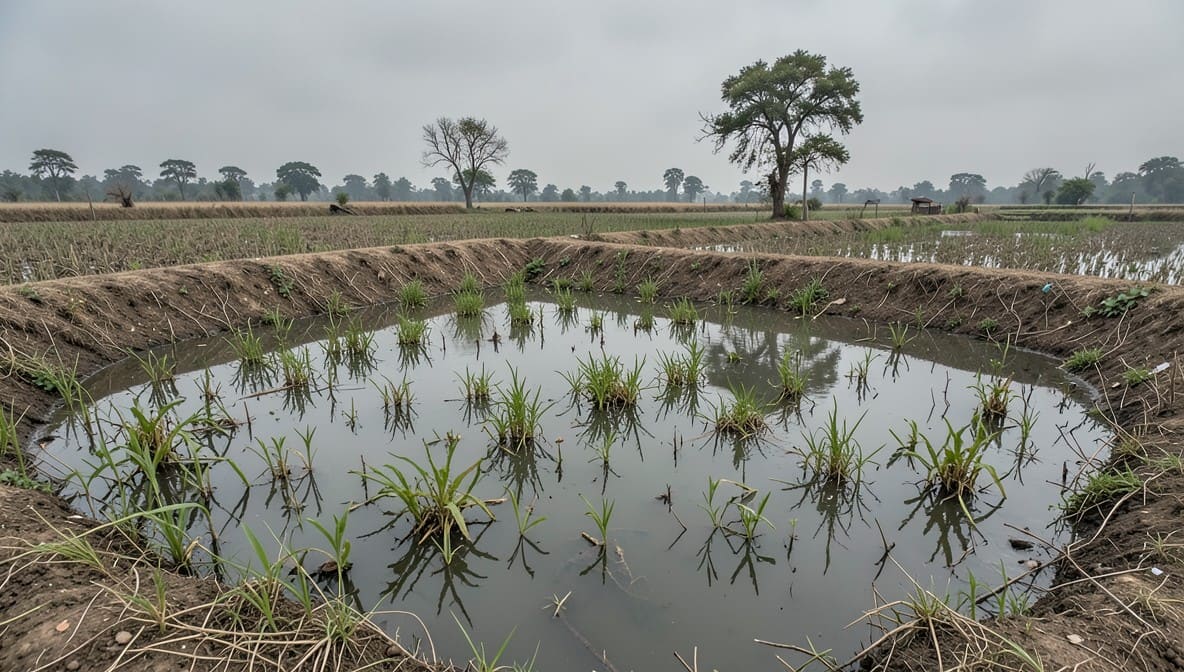
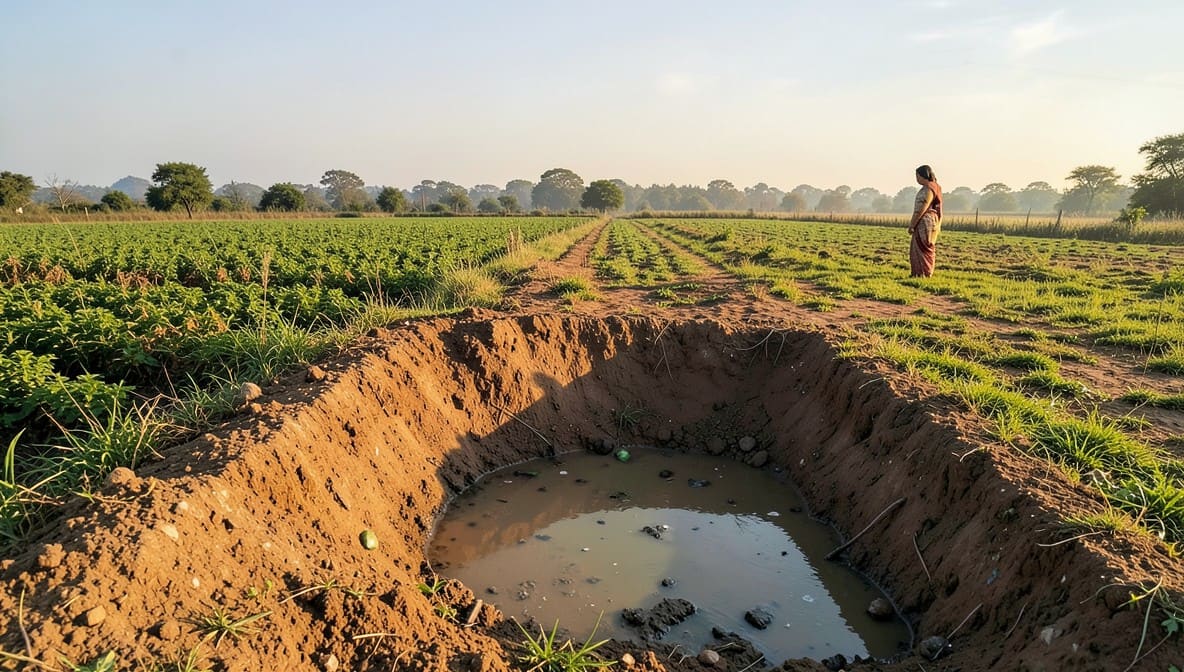
- The deceased, Smt. Suman Bai, aged approximately 50, was found face-down in a water-filled agricultural field on 06.09.2020 at approximately 4:00 PM.
- The field had a ridge of 6-7 feet height, from which she slipped and fell into water.
- A Merg Report No. 78/20 was lodged by police on the same day.
- Postmortem examination conducted on 07.09.2020 concluded the cause of death as "asphyxia due to drowning."
- The spot map and inquest report corroborated the circumstances of the incident.
- Villagers informed revenue authorities that the deceased suffered from epilepsy (Mirgi), but could not confirm whether a seizure occurred at the time of the incident.
- The petitioner filed her application for ex gratia on 15.06.2021.
Procedural History
- 06.09.2020: Incident - death of Smt. Suman Bai by drowning.
- 07.09.2020: Postmortem report issued, confirming asphyxia due to drowning.
- 15.06.2021: Petitioner filed application for ex gratia amount of Rs. 4,00,000.
- 30.06.2021: Tahsildar, Dongargaon, recommended grant of ex gratia.
- 27.07.2021: Sub-Divisional Officer (Revenue), Dongargaon, recommended grant of ex gratia.
- 30.07.2021: Upper Collector, Rajnandgaon, recommended grant of ex gratia.
- 15.08.2021: Collector, Rajnandgaon, remitted the matter back to SDO for spot inspection and further enquiry.
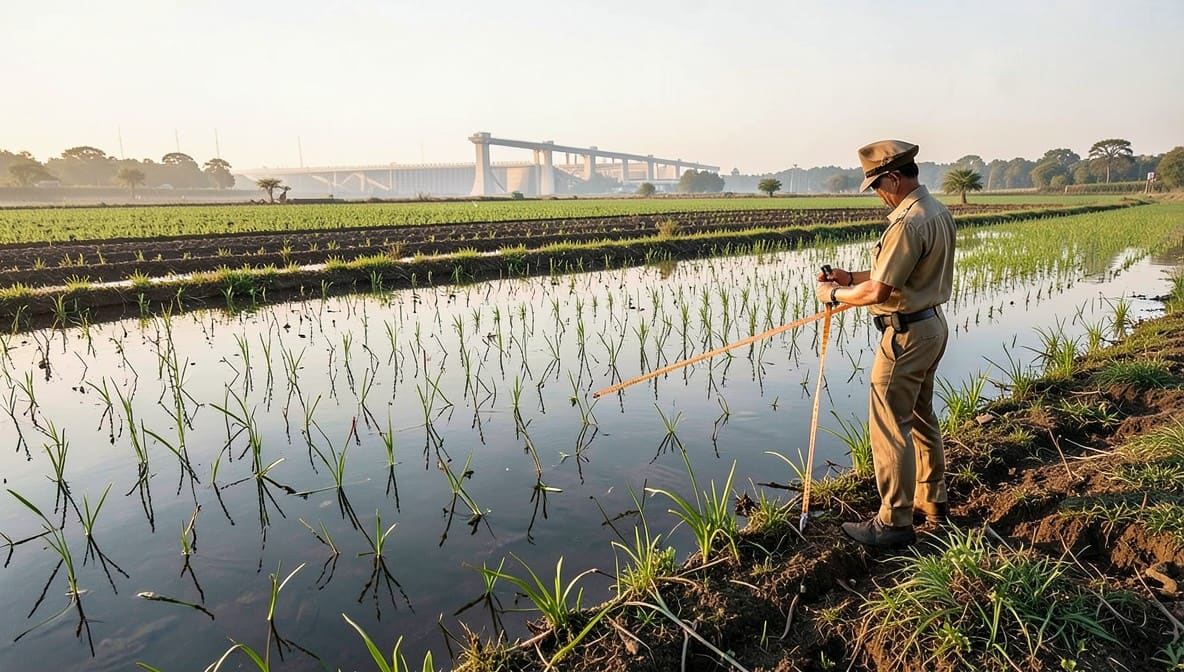
- 29.09.2021: Collector, Rajnandgaon, issued impugned order rejecting the application, citing only 1 foot of water and alleged epilepsy.
- 28.04.2026: Writ Petition No. 5249 of 2021 heard and decided by the High Court.
The Parties' Positions
For the Petitioner: Argued that the death clearly fell within the scope of Paragraph 5(1) of Part 6, Clause (4) of the Revenue Book Circular dated 09.06.2015, which explicitly includes drowning in ponds, canals, drains, and similar water bodies. The three prior recommendations by subordinate officials were consistent with the medical and factual evidence. The Collector’s reversal was arbitrary and lacked justification.
For the Respondents: Contended that the water depth was only 1 foot, insufficient to cause drowning, and that the deceased’s epilepsy may have caused the fall, making the death non-accidental. They further argued that the Circular does not specifically cover drowning in agricultural fields.
Relief Sought
The petitioner sought quashing of the order dated 29.09.2021, direction to the Collector to grant Rs. 4,00,000 as ex gratia, and payment to the legal heirs and dependents of the deceased.
The Legal Issue
The central question was whether death by drowning in an agricultural field, as confirmed by postmortem and corroborated by multiple revenue officials, qualifies for ex gratia compensation under Paragraph 5(1) of Part 6, Clause (4) of the Revenue Book Circular dated 09.06.2015, despite the absence of explicit mention of "agricultural fields" in the text.
Arguments Presented
For the Petitioner
The petitioner’s counsel relied on the unambiguous language of the Revenue Book Circular, which lists "drowning in rivers, ponds, dams, wells, canals, or drains" as qualifying events. She argued that an agricultural field filled with water is functionally equivalent to a pond or canal, especially when the cause of death is medically certified as drowning. She cited the three prior recommendations by Tahsildar, SDO, and Upper Collector as evidence of consistent administrative interpretation. She emphasized that the Circular’s purpose is humanitarian and must be interpreted purposively, not technically. The Collector’s reversal after a year-long delay, without new medical evidence, was arbitrary and violative of natural justice.
For the Respondent/State
The State counsel contended that the Circular does not expressly include agricultural fields and that the water depth of only 1 foot could not have caused drowning. He argued that the deceased’s epilepsy rendered the death non-accidental and therefore outside the scope of the scheme. He further submitted that the initial recommendations were based on incomplete information and that the subsequent spot inspection revealed material facts justifying rejection.
The Court's Analysis
The Court undertook a detailed textual and purposive analysis of Paragraph 5(1) of the Revenue Book Circular dated 09.06.2015. The provision grants ex gratia for deaths arising from "natural calamities, accidents, or incidents," including drowning in specified water bodies. The Court observed that the list of water bodies - rivers, ponds, dams, wells, canals, drains - is illustrative, not exhaustive. The phrase "or similar water bodies" is implicit in the structure of the provision.
"The object of granting an ex gratia amount is to provide immediate financial relief and humanitarian assistance to those suffering loss due to natural calamities. Such compensation is a welfare measure intended to mitigate hardship."
The Court noted that the postmortem report, prepared within 24 hours of death, was unchallenged and unequivocal: death was due to asphyxia from drowning. The Merg report, spot map, and initial recommendations by three subordinate officials corroborated the factual narrative. The Collector’s subsequent claim of only 1 foot of water was not supported by any independent survey or photographic evidence and contradicted the initial findings.
The Court rejected the argument that epilepsy negated the applicability of the scheme. Even if a seizure preceded the fall, the ultimate cause of death remained drowning - a covered event under the Circular. The Court emphasized that welfare schemes must be interpreted in favor of beneficiaries, particularly in cases of sudden, tragic loss.
The reversal of recommendations by subordinate officers after remittal by the Collector was held to be arbitrary and indicative of a pre-determined outcome, violating principles of consistency and fair administrative practice.
The Verdict
The petitioner succeeded. The Court set aside the order dated 29.09.2021 and directed the Collector, Rajnandgaon, to disburse an ex gratia amount of Rs. 4,00,000 to the legal heirs and dependents of the deceased, namely, Saraswati, Harsh Kumar, Nikhil, and their grandfather Jhabbulal. The petitioner and her married sister Durga were excluded as they were not dependents. The Collector was directed to complete verification and disbursement within 30 days of receipt of this order. The Registry was directed to forward a copy of the order to the Collector and the entitled heirs.
What This Means For Similar Cases
Drowning in Agricultural Fields Is Covered
- Practitioners may now invoke Paragraph 5(1) of the Revenue Book Circular for drowning deaths occurring in any water-filled agricultural enclosure, regardless of whether the term "field" is explicitly mentioned.
- Medical certification of drowning as cause of death is sufficient; water depth alone cannot override it.
Welfare Schemes Must Be Interpreted Liberally
- Administrative rejections based on technicalities, especially after initial approvals, are vulnerable to judicial review.
- Courts will prioritize humanitarian intent over rigid textualism in welfare schemes.
Consistency in Administrative Recommendations Is Binding
- Reversal of multiple prior recommendations without new, credible evidence constitutes arbitrariness.
- Delayed spot inspections conducted months after the incident carry diminished evidentiary weight.
Dependents Only Entitled to Benefit
- Married daughters residing separately are not considered dependents under the scheme unless proven otherwise.
- Grandparents acting as primary caregivers of minor children are recognized as eligible beneficiaries.