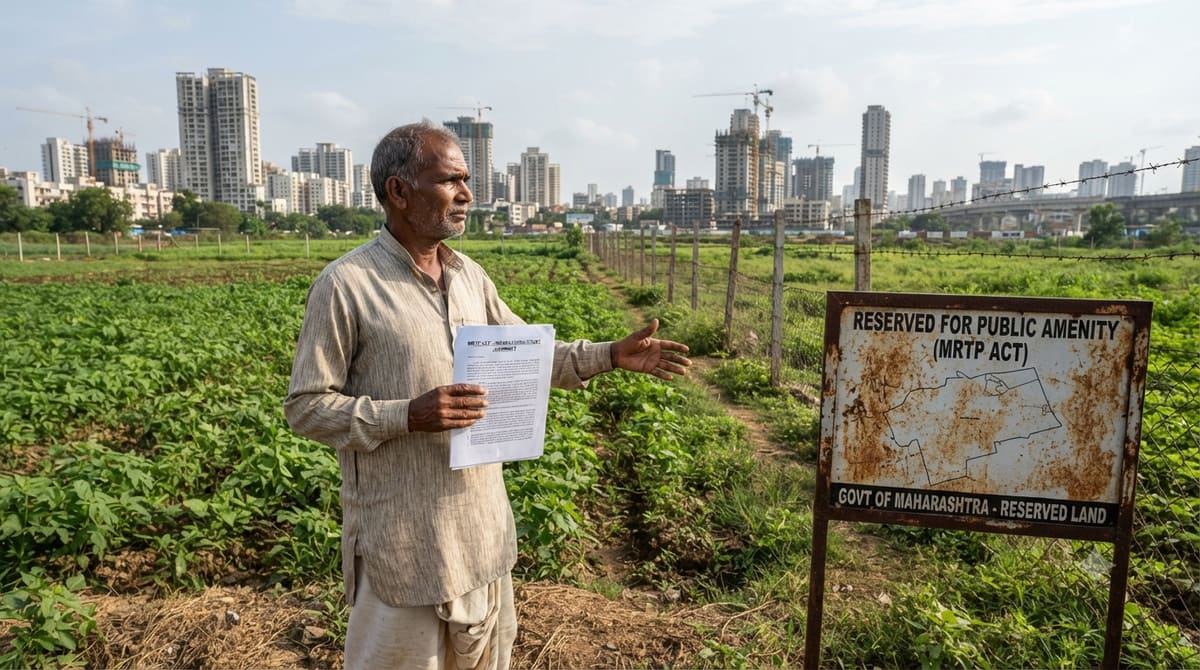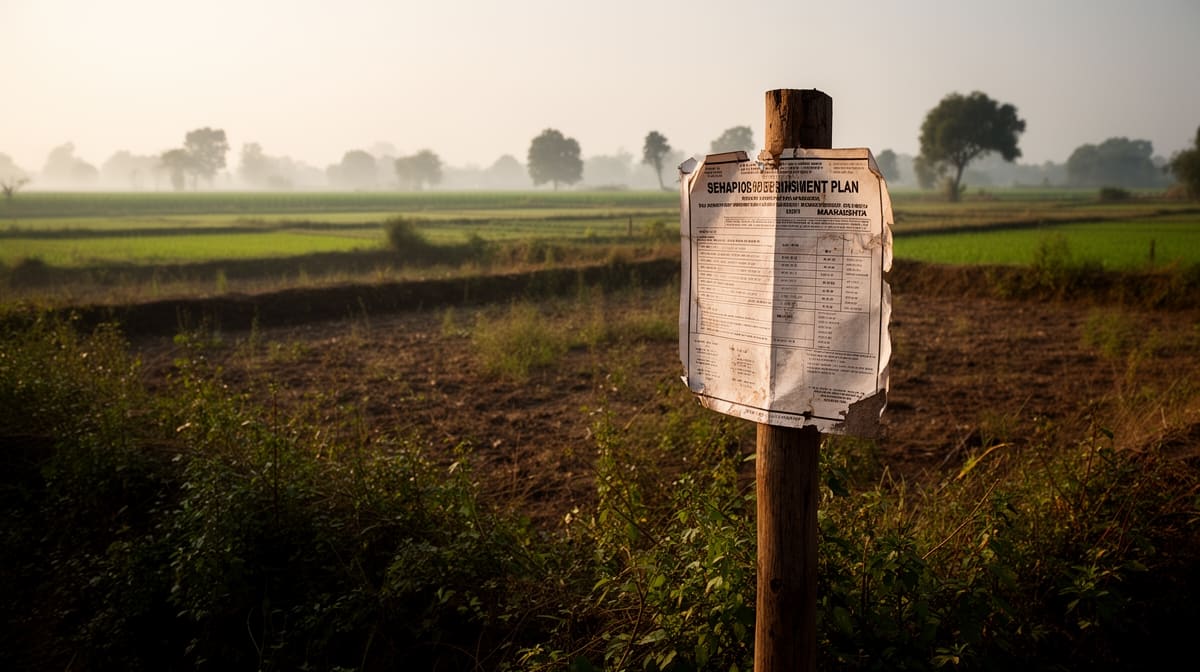
The Bombay High Court has reaffirmed a critical principle in urban land governance: once land reserved under a development plan remains unacquired for over ten years, the reservation lapses automatically under Section 127 of the Maharashtra Regional and Town Planning Act, 1966. Any attempt to re-reserve such land without fresh public interest justification violates settled legal norms and undermines property rights.
Background & Facts
The Dispute
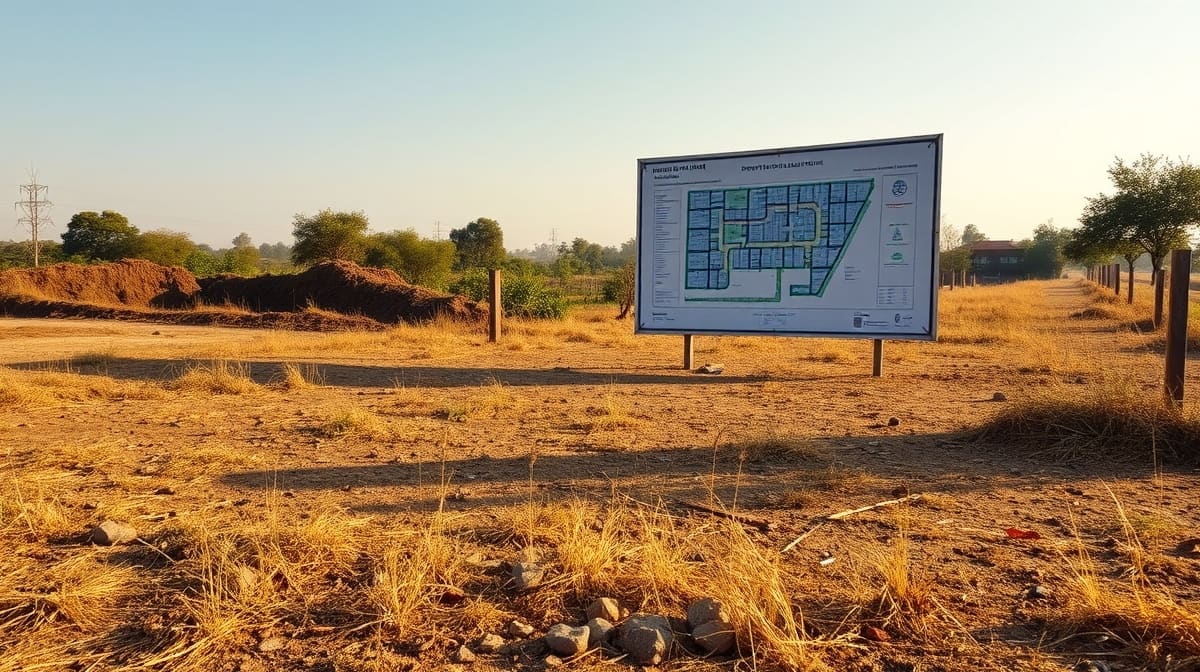
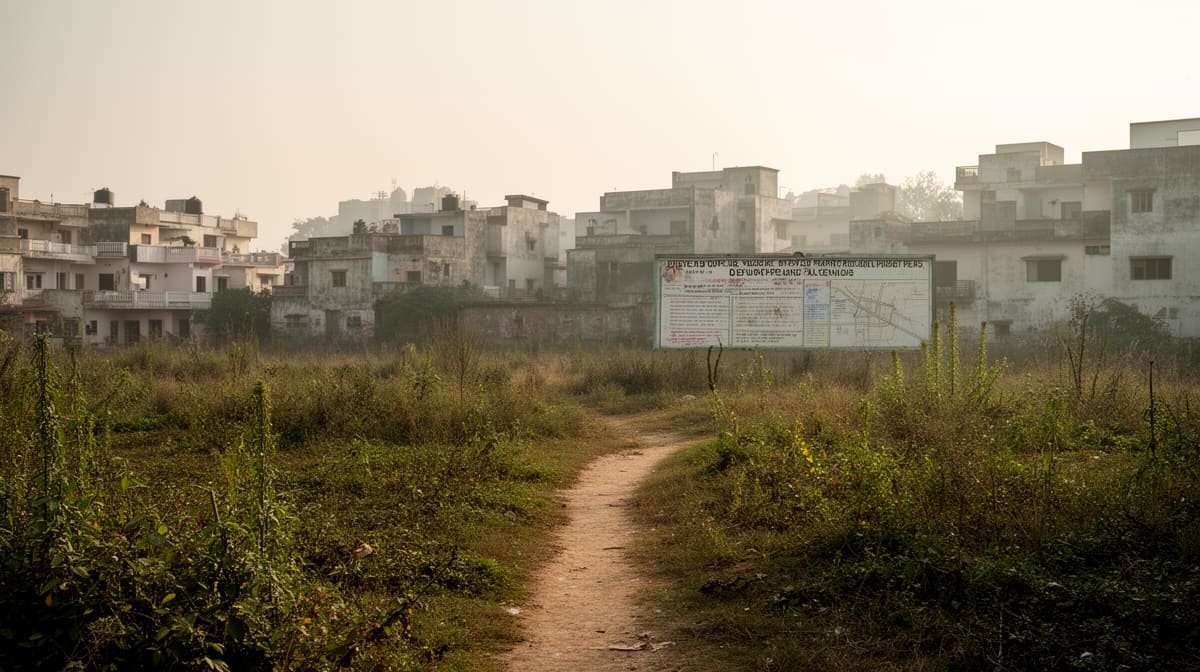
The petitioners, landowners from Gondia, challenged the revival of land reservation in the revised development plan after more than a decade of inaction. The land had been originally reserved in the 2006 development plan for public infrastructure, but no acquisition proceedings were initiated within the statutory ten-year window. In 2017, the planning authority re-notified the same land for reservation without providing any new rationale or public necessity.
Procedural History
- 2006: Land reserved under the Development Plan under Section 127 of the MRTP Act
- 2016: Ten-year period expired without acquisition or notice of extension
- 2017: Revised Development Plan re-reserved the same land without fresh public interest assessment
- 2017: Writ petition filed before the Bombay High Court, Nagpur Bench, challenging the revival
Relief Sought
The petitioners sought quashing of the 2017 reservation order, asserting that the lapse of reservation under Section 127 was irrevocable absent fresh statutory compliance. They also sought declaration that their rights as landowners had been restored upon lapse.
The Legal Issue
The central question was whether Section 127 of the Maharashtra Regional and Town Planning Act, 1966 permits revival of a land reservation that has lapsed due to non-acquisition within ten years, or whether such revival constitutes an unlawful reassertion of state control without fresh justification.
Arguments Presented
For the Petitioner
Counsel relied on Vinodkumar s/o Shirvishni Toshniwal v. State of Maharashtra [2023 (1) Mh.L.J. 182], which held that lapse under Section 127 is automatic and irreversible. They argued that the state cannot circumvent statutory timelines by merely re-notifying land in a revised plan. The petitioners emphasized that property rights under Article 300A are protected from arbitrary revival of encumbrances.
For the Respondent
The Advocate General for Maharashtra contended that development plans are dynamic and subject to revision based on evolving public needs. He cited Dr. Abraham Patani v. State of Maharashtra [2022 SCC OnLine SC 1143], where the Supreme Court permitted re-reservation due to compelling public interest in road connectivity. However, he offered no specific public interest rationale for the re-reservation in this case.
The Court's Analysis
The Court examined the statutory language of Section 127, which states that reservation shall cease to have effect if not acquired within ten years. The Court held that the provision is not merely procedural but substantive - its purpose is to prevent indefinite state hold on private land without compensation.
"The legislature intended to strike a balance between public planning needs and private property rights. Allowing revival without fresh justification would render the ten-year limit otiose."
The Court distinguished Dr. Abraham Patani on its facts: that case involved a demonstrable, documented public need for road connectivity supported by resident petitions. Here, no such evidence was presented. The Court rejected the argument that revision of a development plan inherently revives expired reservations, noting that such a view would permit perpetual encroachment on private rights under the guise of planning flexibility.
The Court further observed that the state’s failure to acquire land within the statutory period constitutes a waiver of its right to retain the reservation, and any subsequent action must comply with fresh statutory procedures, including public consultation and justification.
The Verdict
The petitioners succeeded. The Court held that reservation lapses automatically upon expiry of ten years under Section 127 MRTP Act, and cannot be revived merely by inclusion in a revised development plan. The 2017 re-reservation was quashed as illegal and without legal basis.
What This Means For Similar Cases
Lapse Is Absolute and Non-Renewable by Administrative Action
- Practitioners must challenge any re-reservation of land after ten years without fresh statutory compliance
- The burden shifts to the state to prove new public interest, not to the landowner to disprove it
- Revised development plans cannot be used as a backdoor to circumvent Section 127
Property Rights Trump Administrative Convenience
- Landowners whose land has lapsed may now apply for change of land use or seek regularization
- Municipal authorities must maintain clear records of reservation lapses to avoid future litigation
- Any attempt to impose restrictions post-lapse without fresh notification under Section 127 is void
Judicial Scrutiny of Planning Revisions Is Now Mandatory
- Courts will examine whether re-reservation is based on objective public need or bureaucratic inertia
- Petitioners can now cite Vinodkumar Toshniwal and this judgment to seek immediate quashing of unlawful re-reservations
- Planning authorities must document and publish reasons for re-reservation - mere inclusion in a plan is insufficient