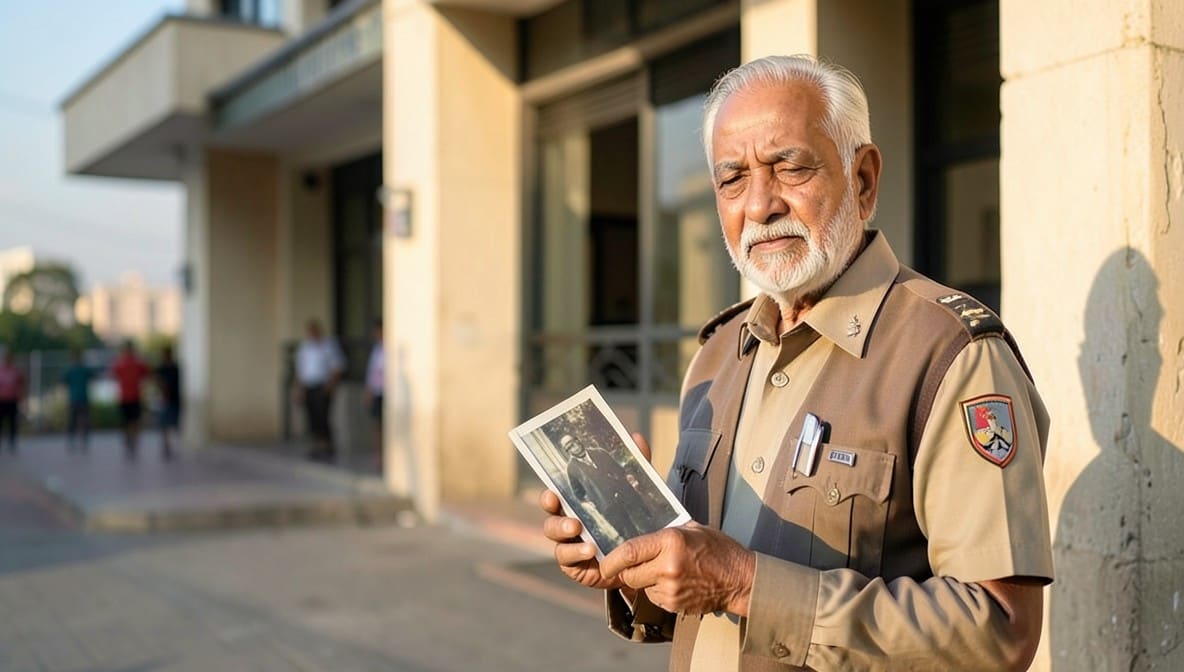
The Gujarat High Court has affirmed that the physical recovery of a body is not a mandatory precondition for registering a death under the Registration of Births and Deaths Act, 1969, where conclusive evidence from statutory authorities and family identification establishes the fact of death. This ruling provides critical relief to families facing administrative inaction in cases of accidental or unrecoverable deaths.
Background & Facts
The Dispute
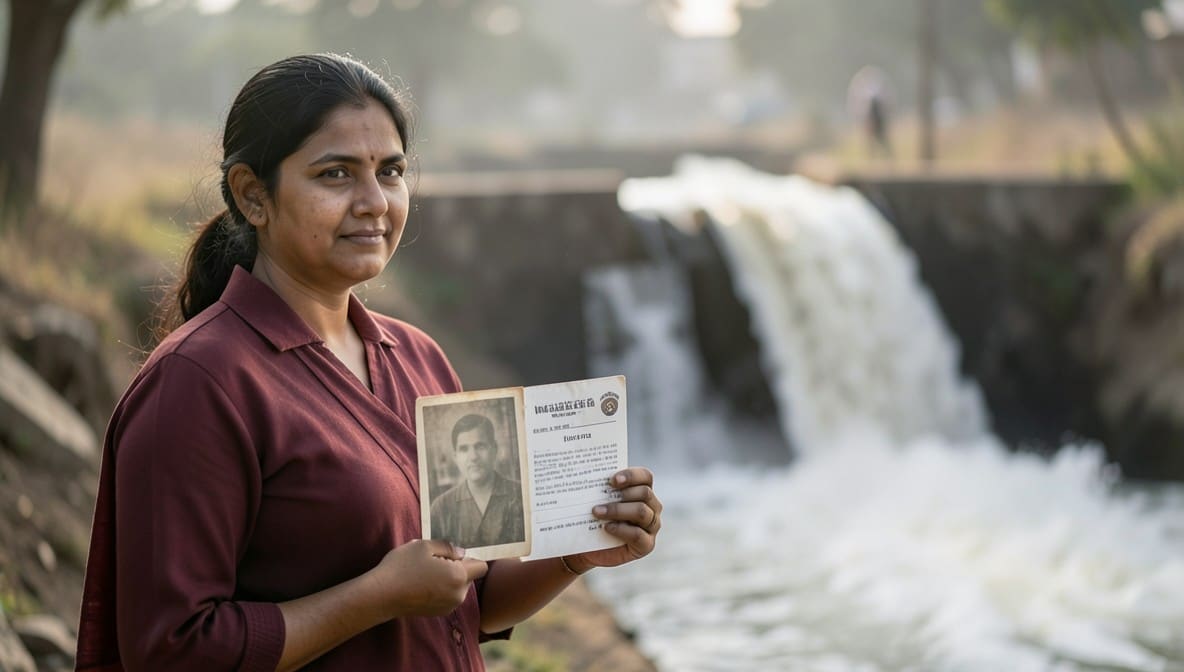
The petitioner, Ramilaben Pradipbhai Vankar, sought registration of the death of her husband, Pradipbhai Dudhabhai Vankar, who went missing on 22.04.2024 near village Moti Kantadi and was presumed to have fallen into the Narmada Canal. His dead body was discovered on 24.04.2024 in a canal siphon at Sanadra, Taluka Galteshwar, District Kheda, but could not be retrieved due to heavy water flow. Despite multiple efforts by local authorities and the National Disaster Response Force (NDRF), the body remained lodged in the siphon and was never physically recovered.
Key Facts
- The deceased was reported missing on 22.04.2024
- His body was sighted floating in the canal siphon on 24.04.2024 at approximately 9:30 A.M.
- The body was identified by close relatives through video footage
- The body became stuck in the siphon and could not be extracted despite NDRF intervention
- A missing person report (Janvajog Entry No. JJ/11/2024) was registered at Godhra Town A Division Police Station on 23.04.2024
- On 15.07.2024, the Police Inspector, Godhra Town A Division, issued a certificate confirming the identity and death of the deceased
- The petitioner submitted the certificate and supporting documents to the Taluka Development Officer, Godhra, District Panchmahal, on 03.09.2024
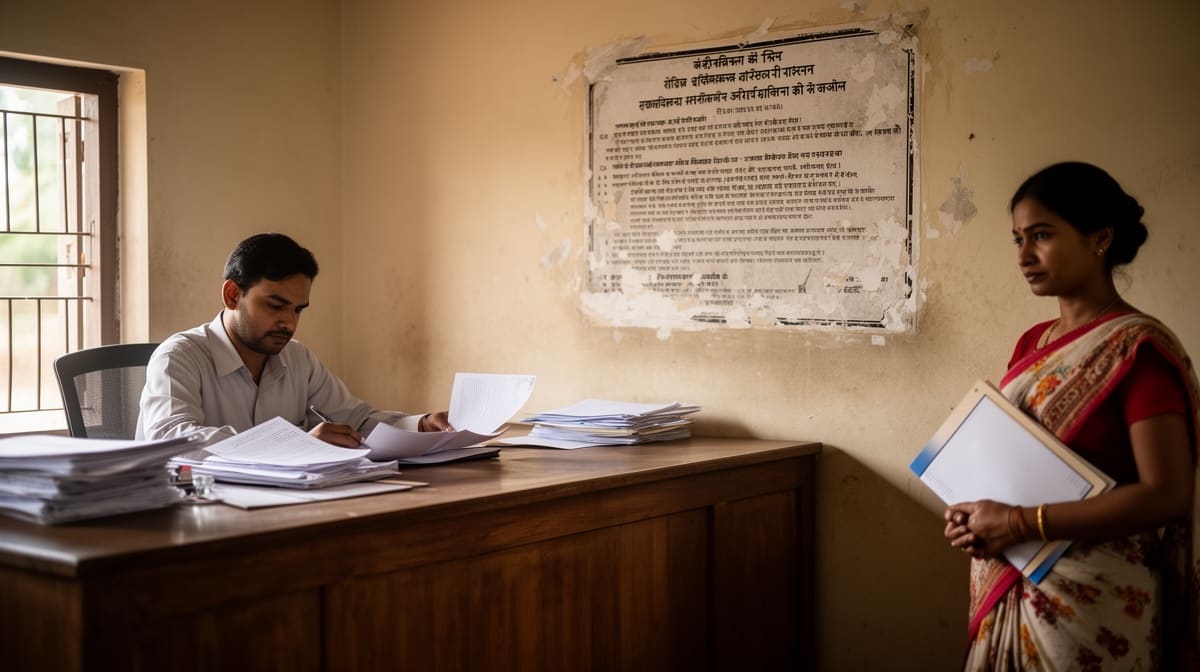
- The application was rejected on the ground that the body was found in the jurisdiction of Taluka Galteshwar, District Kheda, not Panchmahal
- A fresh application was made to the concerned authority in Galteshwar on 03.09.2024
- On 20.09.2024, the petitioner submitted a detailed representation to the District Magistrate, Panchmahal
- On 28.12.2024, the Deputy Superintendent of Police, Godhra, closed the missing person case, confirming the deceased’s death and identification
- The petitioner’s inability to obtain a death certificate prevented her from claiming pension benefits and from settling a home loan of Rs. 23,00,000 with HDFC Bank, which required the death certificate for insurance adjustment
Procedural History
- 22.04.2024: Deceased reported missing
- 23.04.2024: Janvajog Entry No. JJ/11/2024 registered at Godhra Town A Police Station
- 24.04.2024: Body located in canal siphon at Sanadra, Tal. Galteshwar, Dist. Kheda; could not be recovered
- 15.07.2024: Police Inspector issues certificate confirming death and identity
- 03.09.2024: First application for death registration rejected by Taluka Development Officer, Godhra
- 03.09.2024: Fresh application submitted to Taluka Development Officer, Galteshwar
- 20.09.2024: Detailed representation submitted to District Magistrate, Panchmahal
- 28.12.2024: Deputy Superintendent of Police closes missing person case
- 2025: Petition filed under Article 226 before Gujarat High Court
- 23.03.2026: Final hearing and judgment
Relief Sought
The petitioner sought a writ of mandamus directing Respondents No. 2 and 3 (Taluka Development Officer and District Magistrate) to register the death of Pradipbhai Dudhabhai Vankar and issue a death certificate, citing the statutory obligation under the Registration of Births and Deaths Act, 1969, and the severe financial and legal hardship caused by the delay.
The Legal Issue
The central question was whether the Registration of Births and Deaths Act, 1969 requires physical recovery of the body as a sine qua non for registration of death, or whether conclusive circumstantial evidence, including official police certification and family identification, suffices to establish death for the purpose of issuing a death certificate.
Arguments Presented
For the Petitioner
Learned counsel Mr. Pradip J. Patel argued that the police certificate dated 15.07.2024, issued under statutory authority, was conclusive proof of death. He emphasized that the deceased’s identity was confirmed by relatives through video, the body was located at the scene of the accident, and the NDRF’s inability to retrieve it was due to natural impediments, not doubt about identity. He cited Section 10 of the Registration of Births and Deaths Act, which mandates registration upon information of death, and argued that the Act’s purpose is to provide legal recognition of death, not to require physical possession of the corpse. He further highlighted the financial hardship faced by the petitioner, including denial of pension and inability to settle a Rs. 23,00,000 loan with HDFC Bank.
For the Respondent
The Assistant Government Pleader contended that no post-mortem report was produced and the body was never recovered, rendering the application incomplete. He argued that without a PM report or physical evidence, registration could not be legally justified. However, he did not dispute the authenticity of the police certificate or the identification by relatives, and conceded that the body’s non-recovery was due to technical impossibility.
The Court's Analysis
The Court examined the statutory framework under the Registration of Births and Deaths Act, 1969, particularly Section 10, which requires registration of death upon receipt of information from a person having knowledge of the death. The Court noted that the Act does not mandate recovery of the body or production of a post-mortem report as a condition precedent. The Court emphasized that the purpose of the Act is to provide legal certainty regarding death, not to impose impractical physical requirements.
"The fact remains that the Police Inspector of Godhra Town A Police Station has issued certificate (Annexure-E) to the effect that the dead body of the deceased husband of the petitioner was seen floating in the canal siphon and get stuck in the canal siphon and could not be pulled out from the siphon and even N.D.R.F. agency was also called to pull out the dead body from the canal siphon, however, it could not be taken out. Even the relatives of the petitioner has also identified the deceased husband of the petitioner and therefore, the said certificate was issued."
The Court held that the police certificate, issued after verification and based on eyewitness accounts and video identification, constituted reliable evidence under Section 10(2) of the Act. The Court further noted that the closure of the missing person case by the Deputy Superintendent of Police on 28.12.2024 reinforced the finality of the death determination. The Court rejected the argument that absence of a post-mortem report invalidated the application, observing that such reports are not mandatory where death is established by other credible means.
The Court also recognized the humanitarian and practical consequences of delay, particularly the petitioner’s financial distress arising from the inability to access insurance benefits and pension.
The Verdict
The petition was allowed. The Court directed Respondents No. 2 and 3 to register the death of Pradipbhai Dudhabhai Vankar and issue a death certificate to the petitioner within four weeks from the date of judgment. The Court further directed that the death certificate shall reflect the date of death as 24.04.2024, the date the body was located and identified, and shall be issued without requiring any further documentation or post-mortem report.
What This Means For Similar Cases
Death Registration Does Not Require Physical Recovery of Body
- Practitioners may now rely on police certification and family identification via video or photographic evidence to apply for death registration where body recovery is impossible due to natural or technical reasons
- The Registration of Births and Deaths Act, 1969 does not impose a physical recovery requirement; the focus is on credible information of death
- Administrative delays based on technical jurisdictional objections are invalid when the death is conclusively established
Police Certificates Carry Statutory Weight
- Certificates issued by police officers under Section 10(2) of the Act are prima facie evidence of death and cannot be disregarded without cogent contrary evidence
- In cases of accidents, floods, or disasters, such certificates are often the only available proof
- Legal practitioners should prioritize obtaining and submitting such certificates early in the process
Financial Hardship as a Ground for Judicial Intervention
- Courts may consider the practical consequences of non-registration, including denial of insurance, pension, and loan settlement, as part of the public interest analysis under Article 226
- Delay in issuing death certificates may now be challenged not only on statutory grounds but also on grounds of economic hardship and violation of Article 21 rights