The Patna High Court upheld a writ petition under Article 226, declaring that a private unaided school, by virtue of imparting education, discharges a public function and therefore its disciplinary actions are amenable to judicial review. The court quashed the expulsion order dated 17.10.2025 and directed the school to allow the student to resume classes and sit for examinations.
Background & Facts
The Dispute
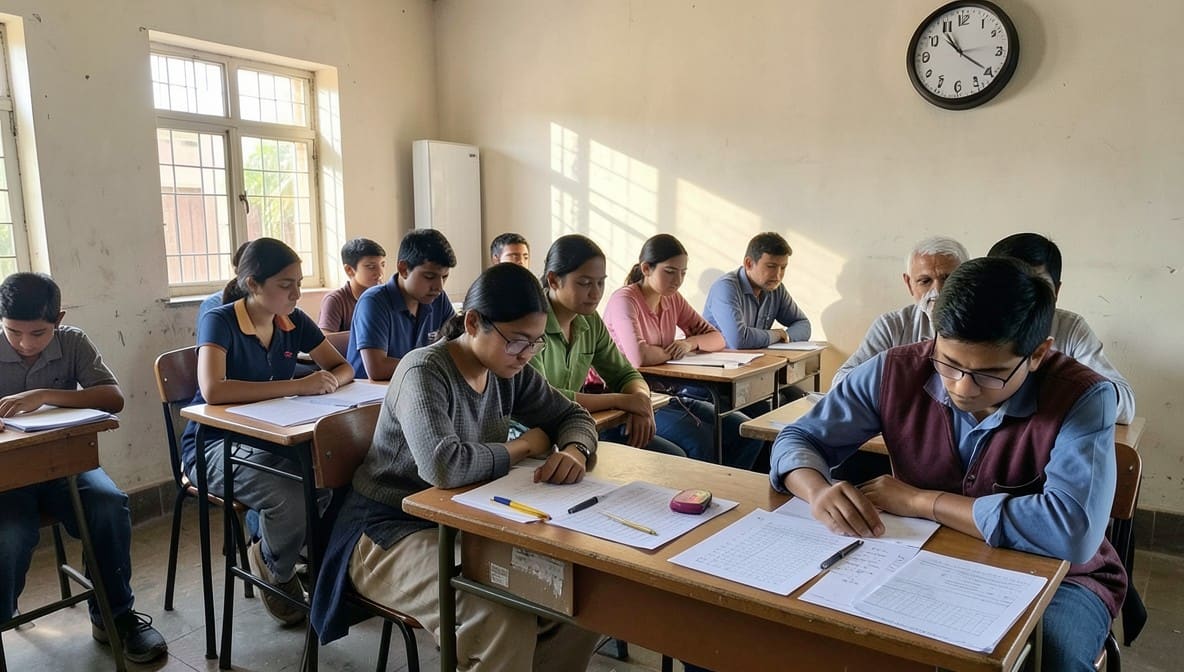
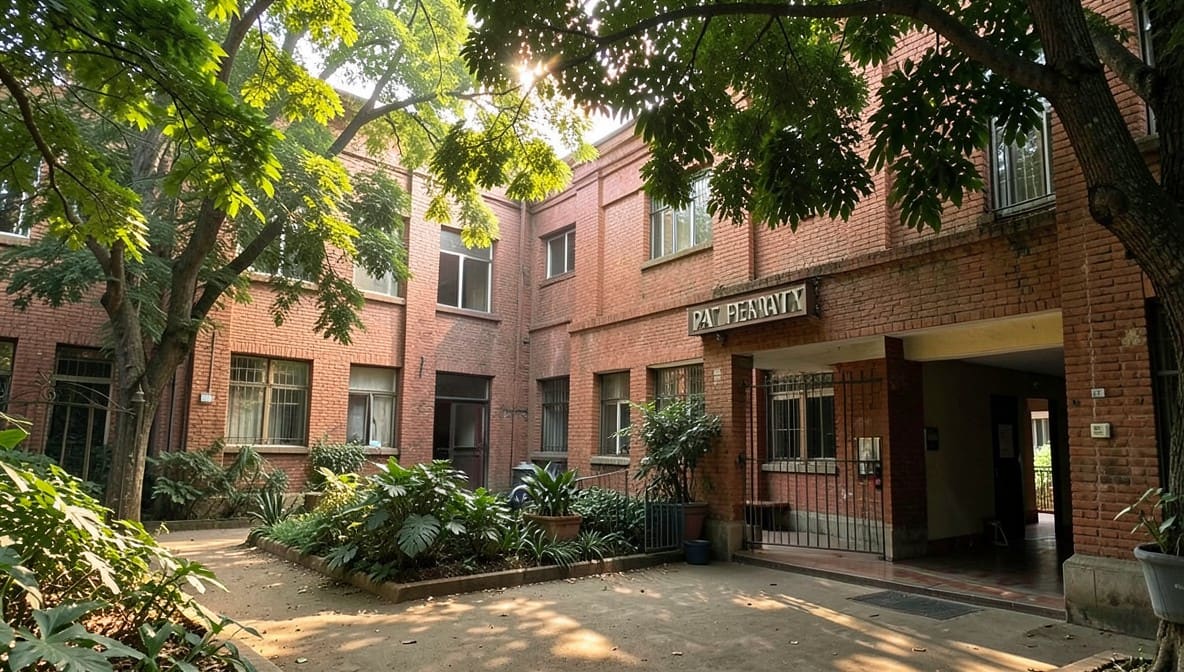
The petitioner, Satyam, son of Sheo Kumar Shrivastava, a resident of Jakkanpur, Patna, challenged the expulsion of his minor son, a Class IX student of Don Bosco Academy, Patna. The school, affiliated to the ICSE Board, had expelled the child on 17.10.2025 without issuing a formal expulsion order or providing any reason. The petitioner argued that the expulsion would deprive the child of the Final Term Examination scheduled to commence on 16.02.2026, causing irreparable academic prejudice.
Key Facts
- 2021: The petitioner’s son was admitted to Don Bosco Academy.
- Admission Agreement: Contained Clause 5 empowering the Principal to expel a student who, in the Principal’s opinion, fails to maintain discipline.
- Clause 66 of the school rules enumerates offences punishable by detention, suspension or expulsion.
- Repeated Misconduct: The child repeatedly bunked classes, was involved in a fight on campus, and displayed indiscipline as recorded in the school diary.
- 17.10.2025: The school issued an expulsion order (Annexure-R/8/I) without a show-cause notice or hearing.
- 12.02.2026: The High Court, in an interim order, directed the school to permit the child to appear in the Final Term Examination pending final disposal of the writ petition.
- Interlocutory Application No. 2 of 2026: Filed by the petitioner challenging the expulsion as arbitrary, illegal and violative of natural justice.
Procedural History
- 11.08.2026: Writ petition (Civil Writ Jurisdiction Case No. 2449 of 2026) filed before the Patna High Court.
- 12.02.2026: Interim order permitting participation in the Final Term Examination.
- 11.08.2026: Oral judgment delivered by Hon. Mr. Justice Harish Kumar.
Parties' Positions
- Petitioner: Asserted violation of Articles 14 and 21, lack of notice and hearing, and contended that the school, as an educational institution, performs a public function making its actions reviewable under Article 226.
- Respondents (State of Bihar & School): Maintained that the school is a private unaided institution, the dispute is purely contractual, and no public element exists; therefore, the writ petition is non-maintainable.
Relief Sought
The petitioner sought quashing of the expulsion order dated 17.10.2025, restoration of his son’s right to attend classes, participation in the Final Term Examination, and, if missed, permission to appear in a supplementary or special examination.
The Legal Issue
Whether a writ petition under Article 226 of the Constitution of India is maintainable against the decision of a private unaided school to expel a minor student when the school claims to be a purely private contractual party with no public element.
Arguments Presented
For the Petitioner
- The school discharges a public function of imparting education, which is a constitutional duty under Article 21A; therefore, its actions are amenable to judicial review.
- The expulsion order was passed without a show-cause notice and without hearing, violating the principles of natural justice under Articles 14 and 21.
- Reliance on St. Mary's Education Society v. Rajendra Prasad Bhargava and Mohindr Singh Gill v. Chief Election Commissioner for the requirement of a public law element and fair procedure.
For the Respondent/State
- The school is a private unaided minority institution; the dispute arises from a contractual relationship, lacking any statutory or public duty.
- Cited Ajay Hasia v. Khalid Mujib Sehravardi and Ramana Dayaram Shetty v. IAAI to argue that without the five-point test of state instrumentality, the school is not a state entity.
- Asserted that the writ jurisdiction cannot be invoked merely to enforce private contractual rights.
The Court's Analysis
The Court began by reaffirming that Article 226 empowers the High Court to issue writs against any person or authority performing a public function, irrespective of its formal status as a State. It examined the five-point test laid down in Ramana Dayaram Shetty and the subsequent jurisprudence on public functions.
"75.1. An application under Article 226 of the Constitution is maintainable against a person or a body discharging public duties or public functions. The public duty cast may be either statutory or otherwise and where it is otherwise, the body or person must be shown to owe that duty or obligation to the public involving the public law element."
The Court noted that education, though delivered by private entities, is recognised under Article 21A as a fundamental right, thereby constituting a public duty. It distinguished the present case from purely private contractual disputes, emphasizing that the expulsion order directly affected the child's right to education, a matter of public importance.
The Court further held that procedural fairness is indispensable. The expulsion order lacked a reasoned basis, was cryptic, and failed to provide a hearing, contravening the principles of natural justice. While the school’s rules (Clause 66) permitted expulsion for certain offences, bunking classes - the primary allegation - was not enumerated as an offence warranting expulsion.
Applying the proportionality principle, the Court observed that lesser disciplinary measures (counselling, warnings) were available and should have been preferred. Consequently, the expulsion was disproportionate and ultra vires the school’s authority.
The Verdict
The petition is allowed. The expulsion order dated 17.10.2025 is quashed and set aside. The school is directed to permit the petitioner’s son to resume classes, to participate in the Final Term Examination, and, if he missed any examination, to allow him to appear in a supplementary or special examination conducted before the next term examination. The child must adhere to the school’s rules and maintain discipline.
What This Means For Similar Cases
Public Function Test
- Courts will scrutinise whether the institution performs a function of collective public benefit; if so, its actions become reviewable under Article 226.
- The five-point test remains the benchmark for determining state-like characteristics.
Natural Justice in School Discipline
- Educational institutions must provide a show-cause notice and opportunity of hearing before imposing severe penalties such as expulsion.
- Disciplinary actions must be proportionate to the misconduct and aligned with the specific offences listed in the institution’s rules.
Limits of Private Contractual Remedies
-
Parties cannot rely solely on the contractual nature of school-parent agreements to evade judicial review when the action impinges on a public right like education.
-
Remedies under contract law are insufficient where a public law element is present; writ jurisdiction will prevail.
-
Actionable Takeaways:
- Verify whether the institution’s function qualifies as a public duty before dismissing a writ petition.
- Ensure compliance with natural justice before imposing expulsion.
- Draft school rules with clear, specific offences that justify severe penalties.