The Chhattisgarh High Court has reaffirmed that the owner of an uninsured motor vehicle bears full legal responsibility for compensation in case of fatal accidents, even when the driver is absent or uncooperative. This ruling clarifies the non-delegable duty of vehicle owners under the Motor Vehicles Act and reinforces the statutory imperative of third-party insurance.
Background & Facts
The Dispute
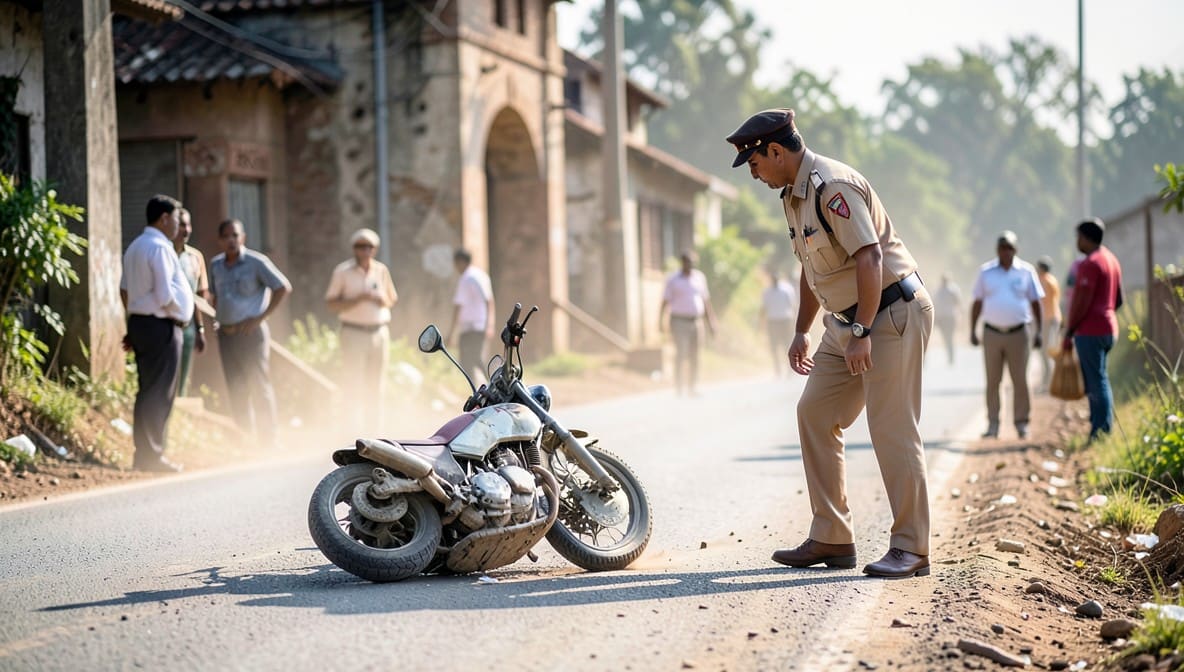
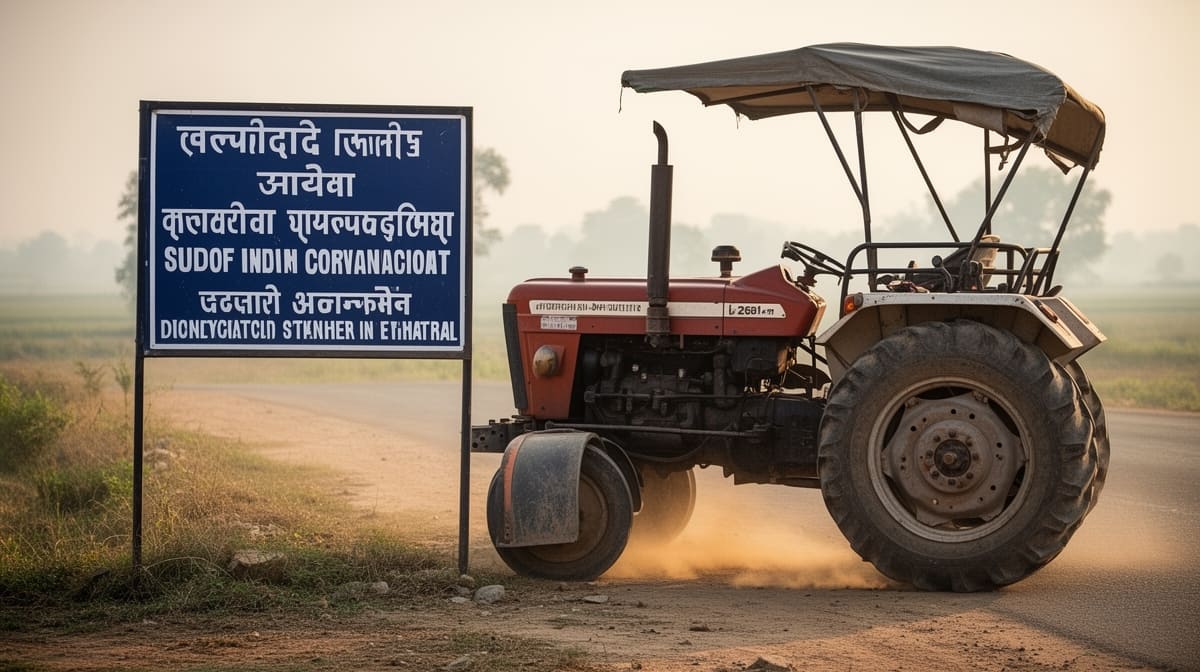
The case arose from a fatal motor accident on 23 April 2018, when a tractor bearing registration CG13-BJ-7405, driven by Ritesh Kumar Rathia, collided with a motorcycle ridden by Rakeshdas Mahant, a 20-year-old man who died on the spot. The claimants - parents and siblings of the deceased - filed a claim petition under Section 166 of the Motor Vehicles Act, seeking compensation for loss of dependency, medical expenses, and funeral costs.
Procedural History
- 23 April 2018: Accident occurred; FIR registered against the tractor driver for rash and negligent driving
- 2018: Claim petition filed before the Additional Motor Accident Claims Tribunal, Gharghoda
- 31 October 2019: Tribunal awarded Rs. 9,37,200/- with 9% interest, holding the owner liable due to lack of insurance
- 2020: Owner filed appeal under Section 173 of the Motor Vehicles Act challenging the award
Relief Sought
The appellant, as owner of the tractor, sought to set aside the compensation award, arguing that the deceased was himself negligent and that the accident resulted from the motorcycle slipping on the road. He contended that the claimants’ witness, Chandrapal Das Mahant, had admitted this in his testimony.
The Legal Issue
The central question was whether the owner of an uninsured motor vehicle can escape liability for compensation merely by alleging contributory negligence by the deceased, when the driver remains ex-parte and no challenge was raised to the FIR or police proceedings.
Arguments Presented
For the Appellant
Counsel for the owner argued that the deceased’s own negligence caused the accident, citing the deposition of Chandrapal Das Mahant, who allegedly admitted the motorcycle slipped. He further contended that the FIR was false and that the Tribunal erred in relying on it without independent corroboration. He cited National Insurance Co. Ltd. v. Swaran Singh to argue that liability should not be imposed without clear proof of driver fault.
For the Respondent
Counsel for the claimants submitted that the FIR (Ex. A-2) and the final report clearly recorded rash and negligent driving by the tractor driver. Two eyewitnesses, including the deceased’s father (AW-01) and Shivratan Mahant (AW-02), testified consistently about the driver’s negligence. The driver’s own admission during cross-examination that the FIR was registered and final report submitted undermined the owner’s claim of a false case. They emphasized that Section 147 of the Motor Vehicles Act mandates third-party insurance, and failure to comply makes the owner strictly liable.
The Court's Analysis
The Court examined the evidentiary record and found no merit in the appellant’s contention that the deceased was solely at fault. The First Information Report, a statutory document under Section 154 CrPC, was duly registered and reiterated in the final report. The testimony of two independent witnesses, both of whom stood firm under cross-examination, corroborated the narrative of negligent driving by the tractor driver.
"This is a case where no complaint was made by the driver or the owner of the offending vehicle with respect to the registration of the FIR, seizure of the vehicle, or arrest of the driver before superior police authorities."
The Court noted that the driver remained ex-parte throughout the proceedings, and the owner did not contest the procedural validity of the FIR or seek any judicial review of the police action. The absence of insurance was a critical factor. The Court held that Section 147 imposes a statutory obligation on vehicle owners to secure insurance, and non-compliance renders the owner vicariously liable for damages arising from accidents involving the vehicle. The Court rejected the argument that contributory negligence by the deceased could absolve the owner, particularly where the owner failed to produce any credible evidence to displace the presumption of driver negligence established by the FIR and eyewitnesses.
The Verdict
The appeal was dismissed. The Court held that the owner of an uninsured vehicle is strictly liable for compensation in motor accident claims, and allegations of contributory negligence by the deceased cannot override statutory liability unless substantiated by clear, credible evidence - which was absent here. The Tribunal’s award of Rs. 9,37,200/- with 9% interest was upheld.
What This Means For Similar Cases
Owner Liability Is Absolute Without Insurance
- Practitioners must advise clients that failure to maintain third-party insurance under Section 147 MV Act automatically exposes the owner to full liability, regardless of driver fault or deceased’s conduct
- The burden shifts to the owner to prove the accident was caused solely by the victim’s negligence, not merely to allege it
FIR and Eyewitness Testimony Carry Weight
- FIRs registered under Section 154 CrPC, especially when unchallenged procedurally, are strong evidence of accident causation
- Consistent eyewitness testimony, even from family members, is admissible and credible if not shaken in cross-examination
Ex-Parte Driver Does Not Shield Owner
- When the driver is absent or uncooperative, the owner cannot evade liability by blaming the deceased or questioning the FIR
- Courts will not permit owners to use procedural gaps as a shield against statutory obligations