The Gauhati High Court set aside the Deputy Commissioner’s orders cancelling a sale deed that had been duly registered, holding that once registration is complete the registering authority becomes functus officio and lacks power to annul the deed. The decision re-affirms that cancellation of a registered conveyance must be pursued before a civil court.
Background & Facts
The Dispute
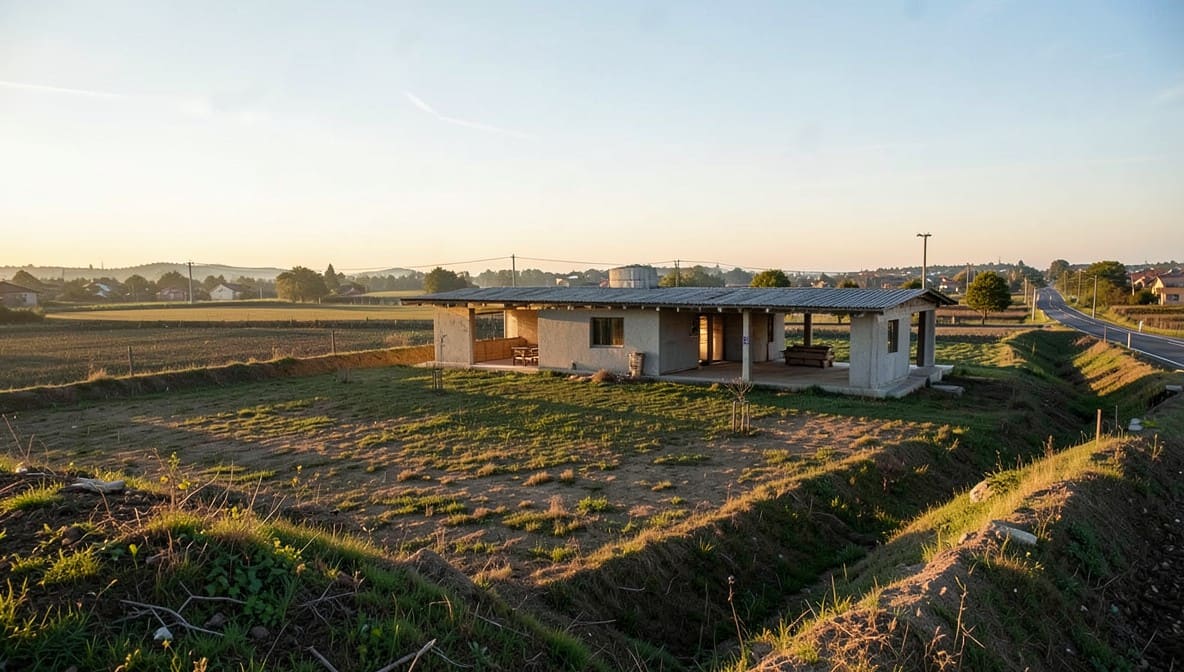
The petitioners, Nilima Baishya (mother) and her son Rakesh Baishya, owned a plot of land measuring three Kathas in village Barsajai, Mouza Beltola, Dispur Revenue Circle, Kamrup (M), Assam. The mother had purchased the land by two sale deeds dated 07 September 1998. She later allowed her son to construct an RCC building on the plot with permission from the Guwahati Metropolitan Development Agency (GMDA) and obtained an NOC in the son’s name. On 16 September 2022 the son applied for and obtained registration of Sale Deed No. 21429 transferring the land to him. The mutation in his favour was recorded on 10 November 2022.
Key Facts
- 07-09-1998: Sale deeds No. 8089 and No. 4919 executed, transferring ownership to Nilima Baishya.
- 16-09-2022: Sale Deed No. 21429 registered in favour of Rakesh Baishya after payment of revenue.
- 10-10-2022: Application for mutation filed by Rakesh Baishya.
- 10-11-2022: Circle Officer, Dispur, allowed mutation; Rakesh Baishya began occupying the land.
- 03-07-2024: Addl. District Commissioner issued notices to Rakesh Baishya and Ms. Suhasini Baishya (grand-child) regarding an online objection.
- 19-08-2024: Hearing before Addl. District Commissioner; he affirmed the sale deed was valid and ordered removal of the online objection.
- 27-08-2024: Deputy Commissioner, Kamrup (M) issued Memo No. DCK(M)/CB/3/2024 declaring Sale Deed No. 21429 invalid and cancelling the registration.
- 17-12-2024: Deputy Commissioner dismissed the petitioners’ review petition, reiterating that the sale deed lacked a No-Objection Certificate (NOC) from the Deputy Commissioner as required under Section 32 of the GMDA Act, 1985.
- 24-10-2024: Petitioners applied for a certified copy of the Deputy Commissioner’s order; the copy was only received on 13-02-2025.
- 17-11-2024: Petitioners appeared before a committee headed by the Deputy Commissioner; verbal assurance was given that the earlier order would be revoked.
- 10-06-2025: Interim order issued by the High Court (date merged with final judgment).
- 02-06-2026: Judgment reserved.
- 26-08-2026: Judgment pronounced.
Procedural History
- 27-08-2024: Deputy Commissioner, Kamrup (M) passed Memo No. DCK(M)/CB/3/2024 cancelling the registered sale deed.
- 17-12-2024: Deputy Commissioner dismissed the petitioners’ review petition.
- 28-03-2025: Petitioners filed Writ Petition (WP(C) 3111/2025) before the Gauhati High Court under Article 226 challenging the two orders.
- 10-06-2025: High Court issued an interim order (later merged with final judgment).
- 02-06-2026: Judgment reserved.
- 26-08-2026: Final judgment delivered.
Parties' Positions
- Petitioners (Nilima Baishya and Rakesh Baishya) argued that the sale deed had been validly executed and registered; the Deputy Commissioner had no statutory power to cancel a deed after registration and the amendment to Section 21A of the Registration (Assam Amendment) Act, 2021 removed the requirement of an NOC for such transactions.
- Respondent No. 1 (State of Assam, represented by the Principal Secretary, Revenue & D.M. Department) contended that the sale deed was void for lack of an NOC under Section 32 of the GMDA Act, 1985 and that the Deputy Commissioner could cancel the registration under Section 21 of the General Clauses Act, 1897 (paralleled by Section 23 of the Assam General Clauses Act, 1915).
Relief Sought
The petitioners sought a declaration that the Deputy Commissioner’s orders dated 27 August 2024 and 17 December 2024 were illegal, a setting aside of those orders, restoration of the mutation in their favour, and directions that the land remain with the petitioners.
The Legal Issue
Whether the Deputy Commissioner, under the General Clauses Act, 1897 and the Assam General Clauses Act, 1915, possesses the authority to cancel a registered sale deed after registration, or whether such cancellation can only be effected by a civil court of competent jurisdiction.
Arguments Presented
For the Petitioners
- The registration of the sale deed was completed by the Senior Sub-Registrar in compliance with Sections 32, 34, 35 and 36 of the Registration Act, 1908; once registration is effected, the registrar becomes functus officio and cannot reopen the deed.
- The amendment to Section 21A of the Registration (Assam Amendment) Act, 2021 expressly exempts houses, flats, residential apartments, commercial buildings or any construction on a plot from the earlier NOC requirement, rendering the Deputy Commissioner’s reliance on Section 32 of the GMDA Act misplaced.
- Supreme Court precedents (Satya Pal Anand v. State of Madhya Pradesh, 2016 SCC 767; Veena Singh (Dead) v. District Registrar, 2022 SCC 1) hold that cancellation of a registered instrument is a matter for a civil court and that the registrar has no power to rescind registration.
For the Respondents
- The Deputy Commissioner relied on Section 21 of the General Clauses Act, 1897 (and its counterpart Section 23 of the Assam General Clauses Act, 1915), arguing that the power to issue, amend or rescind orders includes the power to cancel a registration that is contrary to statutory requirements.
- They maintained that the sale deed was registered without the mandatory NOC under Section 32 of the GMDA Act, 1985, making the registration violative and subject to cancellation.
- Citing Purbattar Yduog Handicraft Co-operative Societies Ltd. v. State of Assam (WP(C) 2321/2014), they argued that the Deputy Commissioner’s quasi-judicial authority extends to cancelling registrations that breach statutory conditions.
The Court's Analysis
The Court began by examining the statutory scheme of the Registration Act, 1908. It noted that registration is a three-step process - execution, presentation and the act of registration - and that the registrar’s role is confined to the third step. The Court quoted the Supreme Court’s observation that “once a deed of extinguishment had been registered by the registering officer, the registering officer had no power to recall it” (para 34, Satya Pal Anand).
"The role of the Sub-Registrar (Registration) stands discharged, once the document is registered (see Mohd. Amir Ahmad Khan). There is no express provision in the 1908 Act which empowers the Registrar to recall such registration."
The Court then turned to the amendment introduced by the Registration (Assam Amendment) Act, 2021. Section 21A, as amended, inserts a carve-out for houses, flats, residential apartments, commercial buildings or any construction on a plot, thereby eliminating the need for an NOC from the GMDA for such transactions. Consequently, the Deputy Commissioner’s reliance on the pre-amendment requirement was untenable.
Regarding the General Clauses Act, the Court distinguished the power to rescind a notification or order under Section 21 from the power to cancel a registered instrument. It held that the latter is a substantive right created by the Registration Act and cannot be undone by an administrative order absent a specific statutory provision. The Court emphasized that the power under Section 21 is prospective and cannot be exercised retrospectively to affect rights that have already accrued.
The Court also rejected the argument that the Deputy Commissioner could act under Section 23 of the Assam General Clauses Act, 1915. It observed that the provision is pari materia with Section 21 of the 1897 Act and, like its counterpart, does not extend to cancelling a deed that has become indefeasible upon registration. The Court reiterated that any grievance concerning the validity of a registered deed must be pursued before a civil court.
In sum, the Court concluded that the Deputy Commissioner acted beyond his jurisdiction; the orders dated 27 August 2024 and 17 December 2024 were ultra vires and therefore set aside.
The Verdict
The Court set aside the Deputy Commissioner’s orders dated 27 August 2024 and 17 December 2024, merged the interim order dated 10 June 2025 with this judgment, and dismissed the writ petition without any order as to costs. No monetary relief was awarded.
What This Means For Similar Cases
Administrative Cancellation Is Not Permissible
- Once a sale deed is registered, the registrar becomes functus officio and cannot cancel the deed.
- Parties seeking cancellation must file a suit in a civil court.
General Clauses Act Does Not Override Registration Law
- Section 21 of the General Clauses Act, 1897 cannot be used to rescind a registered instrument.
- The power to amend or rescind orders applies only to notifications or regulations, not to deeds that have already transferred title.
Amendments to Registration Law Must Be Honoured
-
The amendment to Section 21A of the Registration (Assam Amendment) Act, 2021 removes the NOC requirement for buildings, and authorities must apply the amended provision.
-
Reliance on pre-amendment provisions after the amendment date is legally untenable.
-
Practical take-aways for lawyers:
- Verify the date of amendment before invoking NOC requirements.
- Advise clients that administrative cancellation of a registered deed is not a viable remedy.
- Prepare civil suits for cancellation or rectification where necessary.