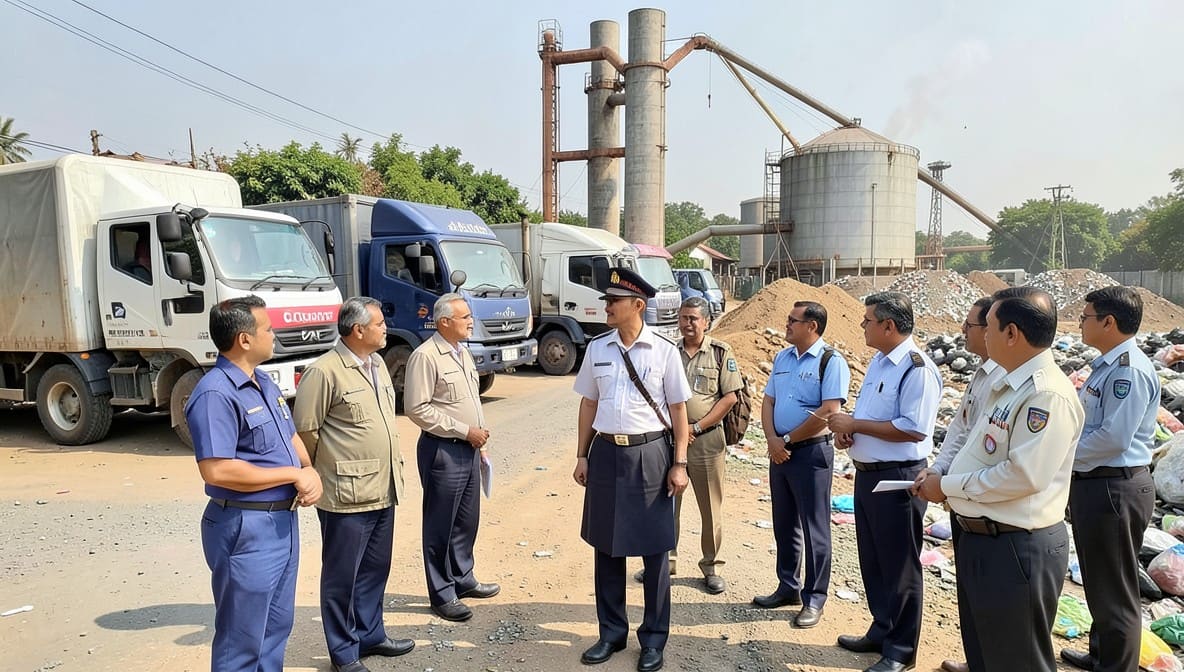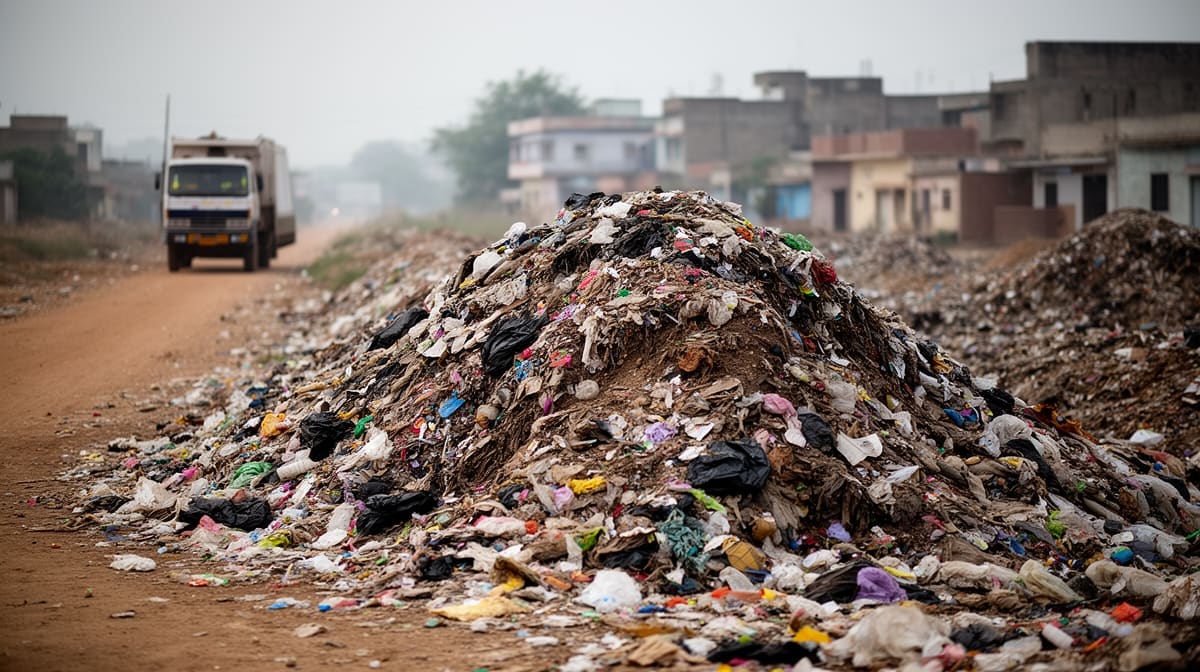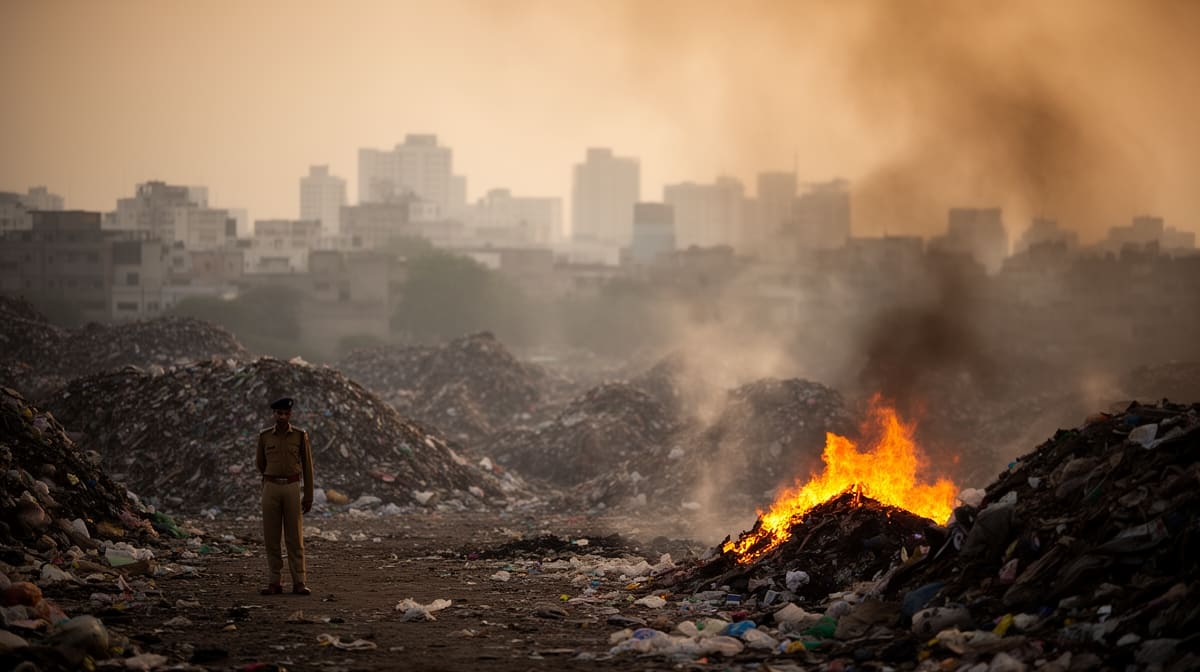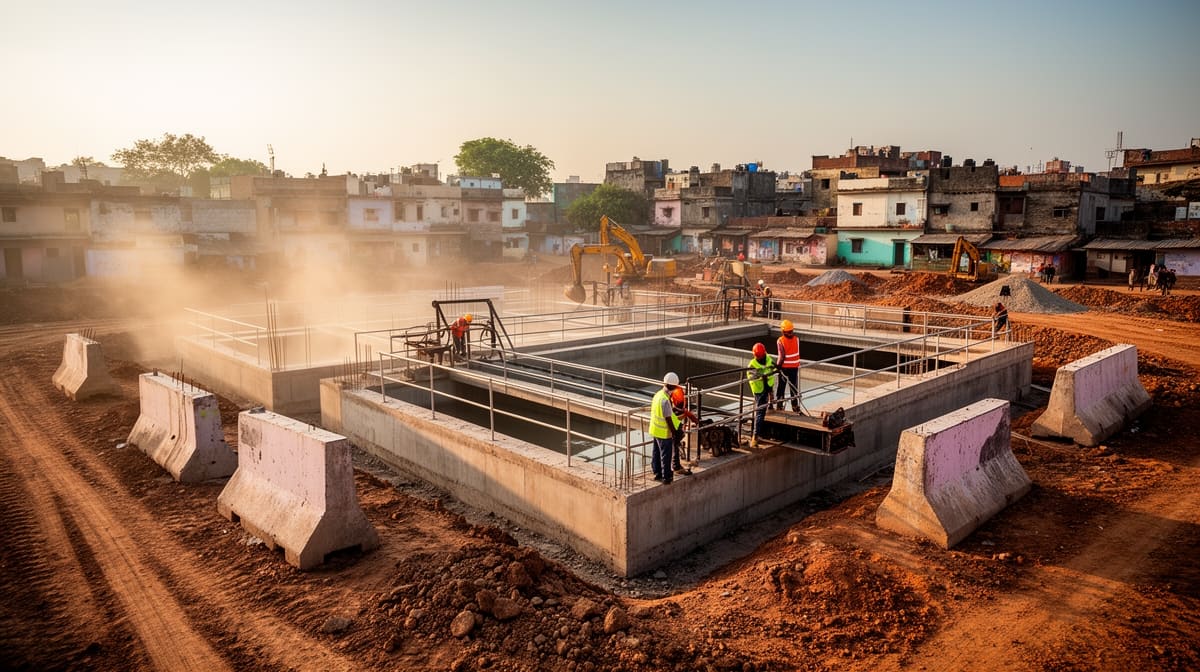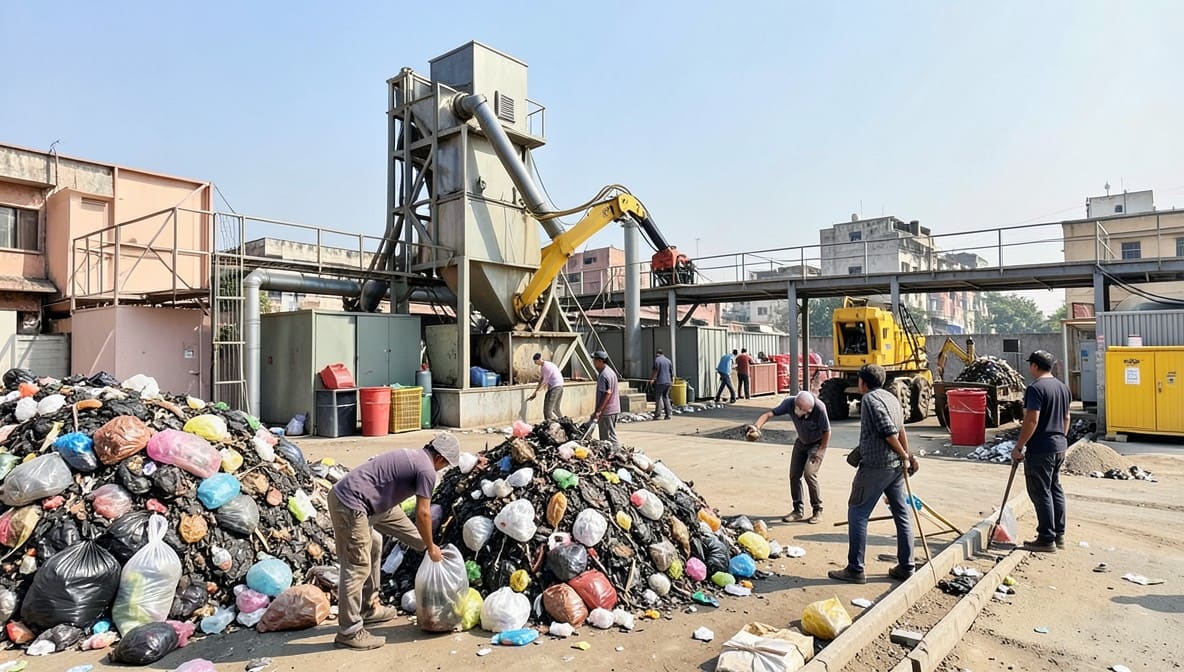
The National Green Tribunal, Southern Zone, Chennai, has delivered a landmark judgment directing the Mancherial Municipal Corporation to transform the Andalamma Colony dump site into a scientifically managed waste processing facility. The Tribunal emphasized that existing dump sites cannot continue as mere disposal grounds and must comply with the Solid Waste Management Rules, 2026, including source segregation, bio-mining, and resource recovery. The judgment underscores the Tribunal's proactive role in ensuring sustainable municipal solid waste management across India.
Background & Facts
The Genesis
The applicant, Mr. Md. Naheem Pasha, filed an Original Application before the National Green Tribunal, Principal Bench, alleging that the Mancherial Municipal Corporation was operating an unscientific dumping yard at Andalamma Colony without a designated facility for processing and disposal of municipal solid waste. The site had been in use since 2000, accumulating legacy waste and causing frequent fires, smoke emissions, and nuisance to nearby residents.
Key Facts
- The Mancherial Municipal Corporation generates approximately 45 metric tonnes (MT) of municipal solid waste per day.
- The Andalamma Colony dump site, measuring 2 acres, has been used for unsegregated waste disposal since 2000.
- The Municipal Corporation had attempted to establish a permanent 50 TPD MSW processing facility at Pocham Pahad Village but faced resistance from local residents.
- The Telangana Pollution Control Board (TGPCB) granted Consent for Establishment on 31.01.2023 for bio-mining and remediation of legacy waste with a capacity of 700 TPD.
- Bio-mining operations had processed 66,392.180 MT of legacy waste up to December 2025, but 6,780 MT of fresh mixed waste had accumulated in the last six months.
- The Municipal Corporation had deployed 40 Swachh Trolleys for door-to-door collection and 15 tractors for transportation, with GPS monitoring for all vehicles.
- The Municipal Corporation identified 36 Bulk Waste Generators producing approximately 4,300 kg of waste per day, including biodegradable and recyclable materials.
Procedural History
- 21.07.2023: Original Application (O.A. No. 765 of 2023 (PB)) filed before the Principal Bench of NGT.
- 21.07.2024: Matter transferred to Southern Zone Bench and renumbered as O.A. No. 75 of 2024 (SZ).
- 02.07.2026: Judgment reserved after hearing the parties.
- 21.07.2026: Judgment delivered by the Southern Zone Bench.
The Parties' Positions
For the Applicant
The applicant alleged that the dumping yard was causing environmental pollution, health hazards, and nuisance to residents due to frequent fires and smoke emissions. The site lacked scientific management and violated the Solid Waste Management Rules, 2016.
For the Respondents
The respondents, including the Mancherial Municipal Corporation, District Collector, and TGPCB, submitted that:
- The Municipal Corporation had initiated door-to-door collection and source segregation initiatives.
- Bio-mining of legacy waste was underway, with 66,392.180 MT processed by December 2025.
- Proposals were submitted for enhancing wet waste composting capacity and establishing a Dry Resource Collection Centre (DRCC).
- Fire prevention measures included a functional borewell, water tankers, and round-the-clock surveillance.
- The inability to secure an alternative site was due to local opposition.
Relief Sought
The applicant sought directions for the Municipal Corporation to:
- Establish a scientifically managed waste processing facility at the Andalamma Colony site.
- Ensure 100% source segregation of municipal solid waste.
- Complete bio-mining of legacy waste and prevent further accumulation of fresh mixed waste.
- Implement fire prevention and emergency response measures.
- Comply with the Solid Waste Management Rules, 2016 and other environmental safeguards.
The Legal Issue
The central question was whether the Solid Waste Management Rules, 2026 permit the continued operation of a dump site without transforming it into a scientifically managed waste processing facility. The Tribunal also examined whether the Municipal Corporation had taken sufficient steps to comply with the rules and mitigate environmental harm.
Arguments Presented
For the Applicant
The applicant argued that the Andalamma Colony site was being used as a dump site without following the principles of sanitary landfilling, in violation of the Solid Waste Management Rules, 2016. The applicant contended that the site must be transformed into a scientifically managed waste processing facility to comply with the law.
For the Respondent
The respondents acknowledged the challenges in securing an alternative site due to local opposition but argued that they had initiated measures such as bio-mining, source segregation, and fire prevention. The Municipal Corporation submitted that it was in the process of enhancing its waste processing infrastructure and would comply with the rules.
The Court's Analysis
The Tribunal examined the Solid Waste Management Rules, 2026, which define a "dump site" as land used for disposal of solid waste without following sanitary landfilling principles, and a "facility" as an establishment for segregation, recovery, recycling, processing, treatment, or safe disposal of solid waste.
The Tribunal observed that the Andalamma Colony site had been used as a dump site since 2000, resulting in legacy waste accumulation, frequent fires, and environmental pollution. The Tribunal noted that the Municipal Corporation had initiated remedial measures, including door-to-door collection, source segregation, and bio-mining, but emphasized that these measures must be sustained and expanded to ensure compliance with the rules.
"If the Andalamma Colony site is to continue in use, it cannot be permitted to remain a mere dump site; it must be progressively transformed into a scientifically managed waste-processing and resource-recovery facility."
The Tribunal acknowledged the practical difficulties faced by the Municipal Corporation in securing an alternative site due to local opposition but held that the absence of an alternative site could not justify continued unscientific dumping or non-compliance with the rules.
The Tribunal directed the Municipal Corporation to:
- Ensure 100% door-to-door source segregated solid waste and prevent mixing during collection, transportation, or processing.
- Complete the establishment and operationalisation of the proposed Dry Resource Collection Centre (DRCC).
- Enhance wet waste composting capacity and install requisite machinery to process and clear existing unsegregated waste.
- Complete bio-mining and remediation of legacy waste and ensure the reclaimed area is not used for indiscriminate dumping of fresh mixed waste.
- Prohibit open burning of municipal solid waste and maintain adequate fire-fighting arrangements.
- Undertake periodic monitoring of groundwater, surface water, soil, and ambient air quality.
- Apply odour-control measures to prevent odour and vector nuisance.
- Strengthen boundary fencing, access-control, lighting, warning signage, surveillance, and security arrangements to prevent unauthorized access and deliberate ignition of waste.
The Tribunal also directed the Telangana Pollution Control Board (TGPCB) to conduct quarterly inspections of the site to verify compliance with the directions and initiate action in case of violations.
The Verdict
The Tribunal disposed of the Original Application with the following operative directions:
- The Mancherial Municipal Corporation shall ensure 100% door-to-door source segregated solid waste and prevent mixing during collection, transportation, or processing.
- The Municipal Corporation shall complete the establishment and operationalisation of the proposed Dry Resource Collection Centre (DRCC) and ensure scientific channelisation of recyclable materials to authorized recyclers.
- The Municipal Corporation is directed to complete the proposed enhancement of wet waste composting capacity and installation of requisite machinery to process and clear the existing unsegregated waste at the earliest.
- The Municipal Corporation shall complete bio-mining and remediation of the remaining legacy waste and ensure that the reclaimed area is not again used for indiscriminate dumping of fresh mixed waste.
- No open burning of municipal solid waste, plastic waste, or other combustible waste shall be permitted at the site. The Municipal Corporation shall maintain adequate fire-fighting arrangements.
- The Municipal Corporation shall undertake periodic monitoring of groundwater, surface water, soil, and ambient air quality in and around the site.
- Freshly received waste shall not be allowed to remain unprocessed for a long time. Application of odour-control measures shall be undertaken to prevent odour and vector nuisance.
- The Municipal Corporation shall strengthen boundary fencing, access-control arrangements, lighting, warning signage, surveillance, and security arrangements at the site.
- The Telangana Pollution Control Board (TGPCB) shall conduct inspections of the site at least once every quarter and verify compliance with the directions.
- In the event of any incident of fire, open burning, uncontrolled leachate discharge, persistent odour nuisance, or accumulation of unprocessed waste, the TGPCB shall initiate action in accordance with law.
- The above directions shall not be construed as granting unconditional permission for continued dumping of municipal solid waste at the Andalamma Colony site. Continuation of operations shall be subject to scientific processing of waste, compliance with the Solid Waste Management Rules, 2026, adherence to Consent conditions, and continuous oversight by the TGPCB.
What This Means For Similar Cases
Existing Dumping Sites Must Transform into Scientific Facilities
The judgment establishes a critical precedent that existing dump sites cannot continue as mere disposal grounds under the Solid Waste Management Rules, 2026. Municipal corporations and local bodies must transform dump sites into scientifically managed waste processing facilities by implementing source segregation, bio-mining, composting, and resource recovery measures. Failure to do so will attract judicial intervention.
- Municipal corporations must audit their dump sites and prepare phased action plans for transformation into facilities.
- Legacy waste remediation must be prioritized, but fresh waste accumulation must be halted through source segregation and decentralized processing.
Fire Prevention and Emergency Preparedness Are Non-Negotiable
The Tribunal emphasized that fire prevention measures such as borewells, water tankers, and surveillance are insufficient without proactive steps to remove combustible waste and prohibit open burning. Municipal corporations must:
- Implement site-specific fire prevention and emergency response plans.
- Conduct regular fire drills and training programs for staff.
- Install Solar CCTV cameras and adequate lighting to deter unauthorized access and deliberate ignition.
Compliance Monitoring by Pollution Control Boards
The judgment underscores the proactive role of pollution control boards in ensuring compliance with environmental safeguards. Pollution control boards must:
- Conduct quarterly inspections of dump sites and waste processing facilities.
- Verify quantities of waste processed, progress of bio-mining, and functioning of machinery.
- Initiate legal action in case of violations, including fires, open burning, or persistent odour nuisance.
Local Opposition Cannot Justify Non-Compliance
The Tribunal rejected the argument that local opposition to alternative sites justified continued unscientific dumping. Municipal corporations must:
- Engage with local communities to address concerns and secure alternative sites.
- Explore decentralized processing facilities to reduce reliance on a single dump site.
- Ensure transparency and accountability in waste management decisions.