The National Green Tribunal Southern Zone has issued binding directions to Tamil Nadu authorities, emphasizing that environmental protection during mass gatherings like Kaanum Pongal cannot rely solely on administrative measures but demands a fundamental shift in public behavior and strict enforcement of the Solid Waste Management Rules, 2026. The judgment underscores the legal obligation of urban local bodies to institutionalize waste segregation, accountability, and ecological safeguards.
Background & Facts
The Dispute
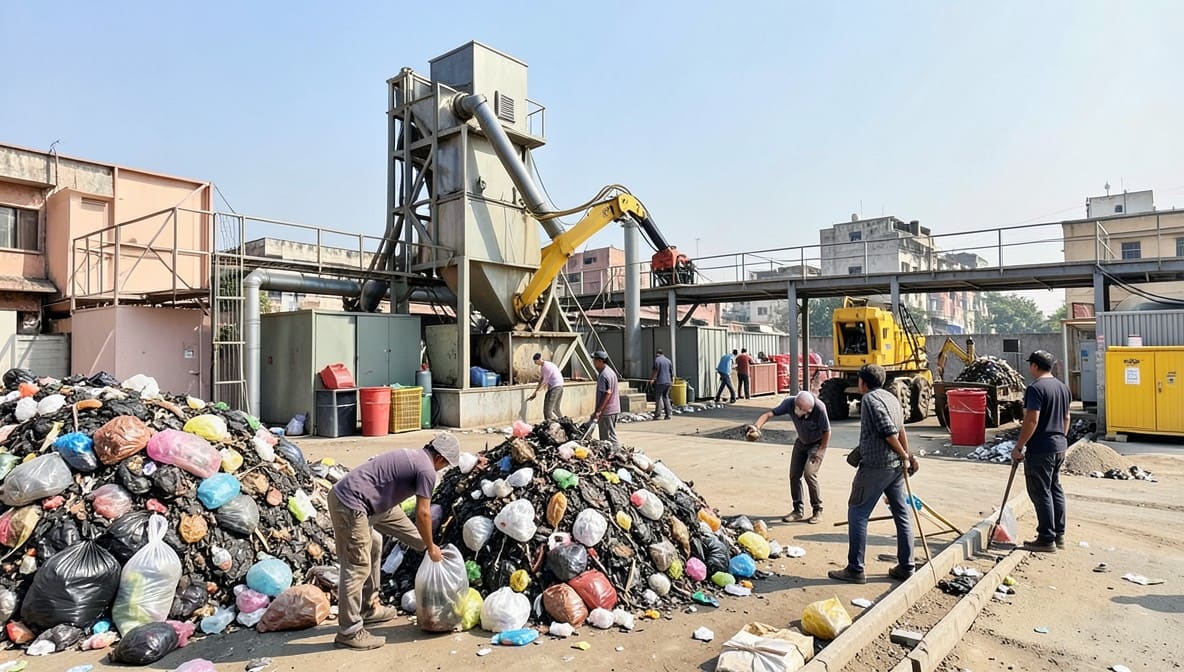
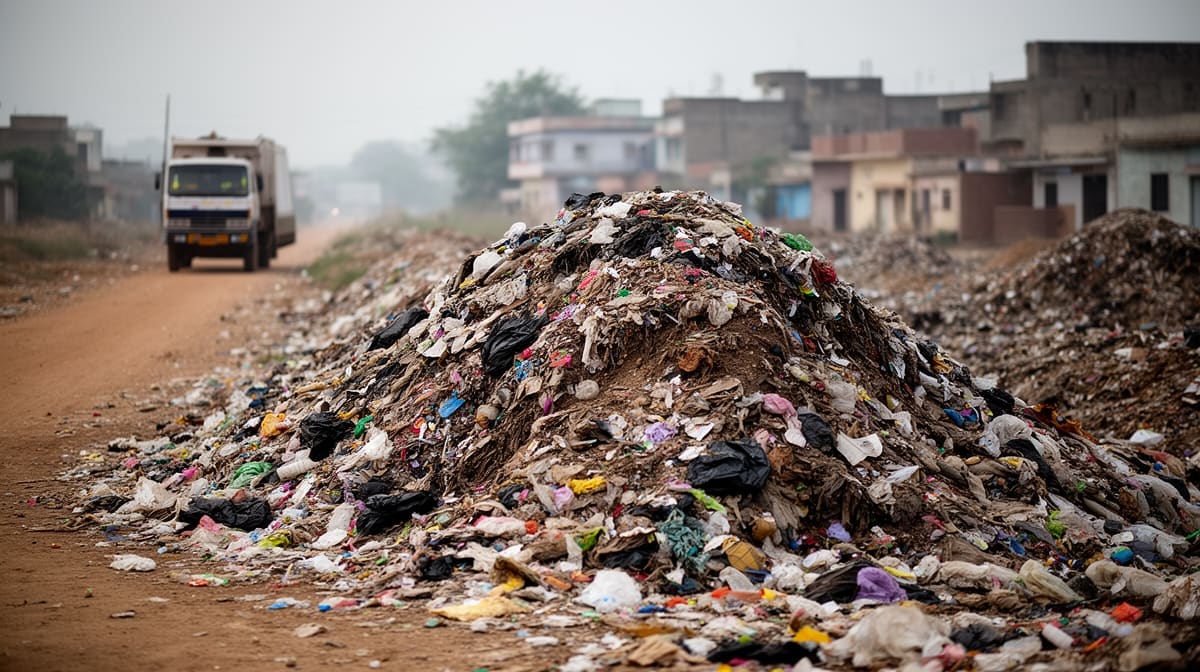
The National Green Tribunal (NGT) Southern Zone took suo motu cognizance of the severe accumulation of solid waste along Chennai’s beaches following the Kaanum Pongal celebrations in January 2025, triggered by a news report in Webdunia Tamil e-newspaper dated 20.01.2025 titled "Kaanum Pongal garbage problem: Chennai has forgotten what it learnt after 2015 floods". The report documented over 44 metric tonnes of waste, primarily plastic covers, food packaging, bottles, and non-biodegradable materials, littering major beaches including Marina and Elliot’s Beach. This recurring phenomenon, tied to a culturally significant festival involving large-scale public congregation, has transformed a tradition of social bonding into an annual ecological crisis.
Key Facts
- Kaanum Pongal, the concluding day of the Pongal festival, involves mass visits to beaches, riverbanks, and open public spaces.
- The waste generated includes single-use plastics, food wrappers, disposable cutlery, and non-recyclable packaging.
- The 2025 incident prompted the Tribunal to initiate proceedings on 20.01.2025.
- The Greater Chennai Corporation (GCC) acknowledged the scale of the problem and reported 44 metric tonnes of waste collected during Kaanum Pongal 2025.
- The Tamil Nadu Pollution Control Board (TNPCB) and GCC submitted detailed Action Taken Reports dated 28.04.2025, 12.01.2026, and 01.02.2026.
- TNPCB reported distribution of 60,000 reusable "Manjappai" cloth bags across seven beaches, deployment of Blue & Green Brigades, and awareness campaigns.
- GCC reported installation of 163 bins at Marina Beach, 43 bins at Marina Service Road, and 7 well-ring bins, 3 fish-model bins, and 20 twin bins at Elliot’s Beach.
- Waste collection and transportation were outsourced to private agencies: Ramky Enviro Engineers (Marina Sand Area), Urbaser Sumeet (Marina Service Road), and Chennai Enviro Solution Pvt. Ltd. (Elliot’s Beach).
- Cleaning operations followed a three-shift system with 200 workers daily at Marina and 27 workers daily at Elliot’s Beach, augmented during festivals.
- Waste was transported to the Kodungaiyur resource-recovery and processing facility.
- Despite these efforts, the Tribunal noted the absence of quantitative data comparing waste generation in 2025 versus prior years.
- No data was provided on whether vendors were held accountable for waste generated by their customers.
- The Tribunal referenced the 2017 Jallikattu protests, where nearly 7 lakh people generated 413 tonnes of waste, yet volunteers and citizens undertook large-scale clean-up, demonstrating the potential for civic responsibility.
Procedural History
- 20.01.2025: News report published in Webdunia Tamil e-newspaper triggering suo motu action.
- 30.01.2025: Greater Chennai Corporation (GCC) impleaded as 5th Respondent by Tribunal order.
- 28.04.2025: TNPCB filed initial report on compliance with SWM Rules, 2016.
- 12.01.2026: TNPCB and GCC filed detailed Action Taken Reports.
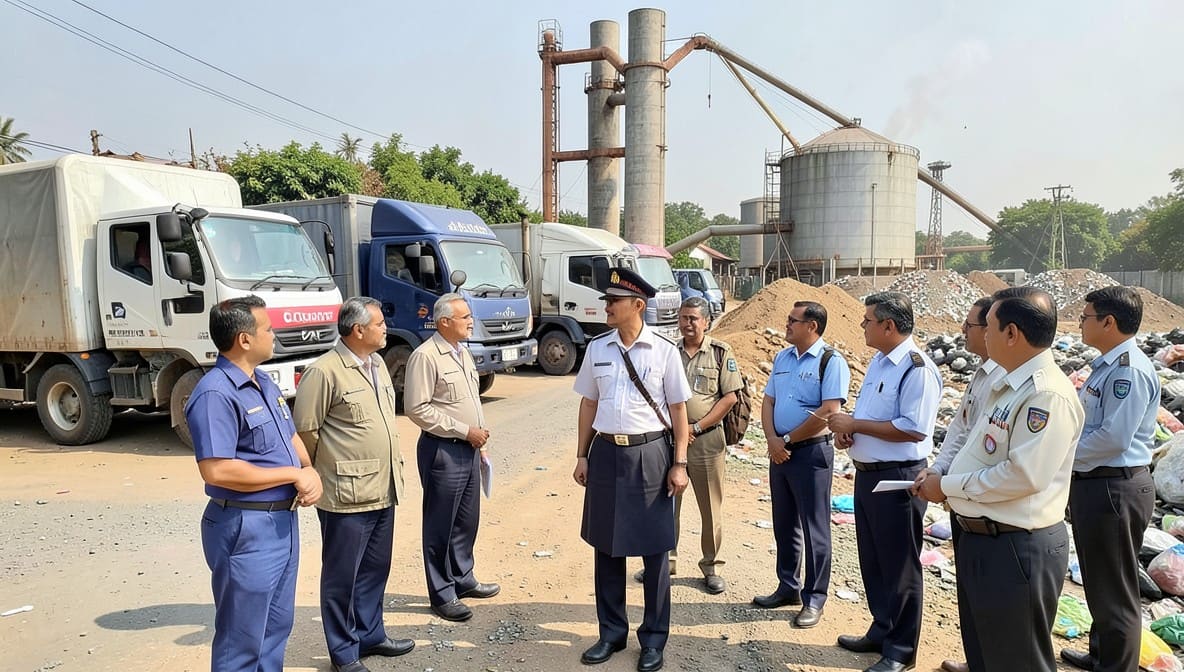
- 10.01.2026: High-level meeting chaired by Additional Chief Secretary, Environment Department, attended by TNPCB, GCC, and Municipal Administration officials.
- 29.12.2025: TNPCB issued directions to prevent burning of plastics and tyres during Bhogi 2026.
- 15.04.2026: Judgment reserved.
- 09.06.2026: Final judgment delivered.
The Parties' Positions
The Tribunal acted suo motu and did not have formal petitioners. The respondents, including the Government of Tamil Nadu (Environment, Health & Family Welfare), TNPCB, District Collector, and GCC, submitted reports detailing awareness campaigns, bin installations, manpower deployment, and vendor regulation. They emphasized proactive measures but did not provide outcome-based metrics or evidence of behavioral change.
Relief Sought
No formal relief was sought by petitioners. The Tribunal, exercising its suo motu jurisdiction under Section 19 of the National Green Tribunal Act, 2010, sought to enforce environmental protection during mass gatherings and ensure compliance with statutory waste management obligations.
The Legal Issue
The central question was whether Urban Local Bodies are legally obligated under the Solid Waste Management Rules, 2026 to enforce source segregation, impose penalties for littering, and ensure measurable reduction in waste generation during mass public events, and whether administrative awareness campaigns alone suffice to discharge this statutory duty.
Arguments Presented
For the Respondents
The respondents argued that they had undertaken significant measures: distribution of 60,000 Manjappai bags, deployment of environmental brigades, installation of segregated bins, coordination with private agencies, and awareness campaigns through advertisements and sand art. They cited the 2016 Rules and highlighted their compliance with monitoring and enforcement protocols. They contended that public behavior, not infrastructure, was the primary challenge and that their efforts had led to observable behavioral shifts.
For the Tribunal (Suo Motu)
As a suo motu proceeding, the Tribunal did not have an opposing party. However, its analysis implicitly challenged the respondents’ reliance on activity-based reporting. The Tribunal questioned the absence of data on waste volume trends, vendor accountability, and enforcement outcomes. It emphasized that statutory duties under the 2026 Rules are not fulfilled by mere activity but require quantified results, institutionalized systems, and punitive compliance mechanisms.
The Court's Analysis
The Tribunal conducted a rigorous examination of the Solid Waste Management Rules, 2026, which supersede the 2016 Rules and significantly expand the obligations of Urban Local Bodies. It noted that Section 39 of the 2026 Rules imposes a non-delegable duty on Urban Local Bodies to ensure door-to-door collection of segregated waste, enforce source segregation, levy spot fines for littering, and establish material recovery facilities.
"All Urban Local bodies shall direct waste generators not to litter i.e throw or dispose of any waste such as paper, water bottles, liquor bottles, soft drink cans, tetra packs, fruit peel, wrappers, etc., or burn or bury waste on streets, open public spaces, drains, waste bodies and to segregate the waste at source as prescribed under these rules and hand over the segregated waste to third party or waste collectors authorised by the local body."
The Tribunal observed that while awareness campaigns and distribution of cloth bags are commendable, they are insufficient without enforceable consequences for non-compliance. It drew a critical distinction between activity and outcome: "The problem is intrinsically linked to public behaviour. Despite the availability of adequate facilities, indiscriminate littering continues during public gatherings, indicating the need for effective behavioural change interventions."
The Tribunal referenced the 2017 Jallikattu clean-up as proof that civic responsibility is achievable when institutionalized norms are paired with public engagement. It emphasized that "cleanliness of public spaces cannot be ensured merely through the efforts of authorities alone, but must fundamentally rest upon a shared sense of civic responsibility beginning at the level of each household."
The Tribunal further noted that beaches are ecologically sensitive zones, particularly between January and May, critical for sea turtle nesting. Unregulated waste and artificial lighting during festivals directly threaten marine biodiversity. The absence of any plan to identify and protect nesting zones was deemed a serious lapse.
The Tribunal rejected the notion that SWM Rules are merely advisory. It held that Rule 39(7) and Rule 39(31) empower Urban Local Bodies to levy spot fines for littering and to refuse collection of unsegregated waste. The failure to implement these provisions constitutes a statutory violation.
The Verdict
The Original Application stands disposed of with the following directions:
- The Department of Rural Development and Urban Local Bodies shall ensure strict compliance with the Solid Waste Management Rules, 2026.
- All Coastal Urban Local Bodies shall prepare and operationalise a Pre-Event Environmental Management Plan for high-footfall events, including adequate manpower, waste collection systems, and awareness measures proportionate to anticipated footfall.
- Authorities shall enforce littering penalties through spot fines and introduce incentive mechanisms for responsible waste disposal.
- Protective measures shall be implemented during the turtle nesting and hatching season (January to May), including identification and safeguarding of ecologically sensitive zones.
- The Municipal Administration and Water Supply Department shall issue binding instructions to all Urban Local Bodies across Tamil Nadu to implement their duties under the SWM Rules, 2026 during mass gatherings.
- Urban Local Bodies shall regulate vendor establishment on footpaths, remove unauthorized encroachments, and ensure pedestrian pathways remain unobstructed.
- All Urban Local Bodies shall strengthen monitoring, maintain public records on waste generation and enforcement actions, and publish this data on their websites.
What This Means For Similar Cases
Enforcement of Source Segregation Is Mandatory, Not Optional
- Practitioners must now argue that refusal to collect unsegregated waste under Rule 39(7) is a lawful enforcement tool, not a punitive overreach.
- Municipal corporations cannot claim compliance merely by installing bins; they must prove segregation at source through collection records and waste composition analysis.
Behavioral Change Requires Legal Consequences, Not Just Awareness
- Awareness campaigns alone are legally insufficient under the SWM Rules, 2026.
- Spot fines for littering must be institutionalized through by-laws and actively enforced during festivals.
- Public education must be paired with visible enforcement - e.g., fines issued on-site, publicized penalty lists.
Ecological Sensitivity Zones Must Be Legally Protected During Festivals
- Any festival occurring near beaches, rivers, or wetlands between January and May must include a mandatory ecological impact assessment.
- Urban Local Bodies must identify and demarcate nesting zones and restrict access or lighting during critical periods.
- Failure to do so may attract liability under the Environment (Protection) Act, 1986, and the Wildlife (Protection) Act, 1972.