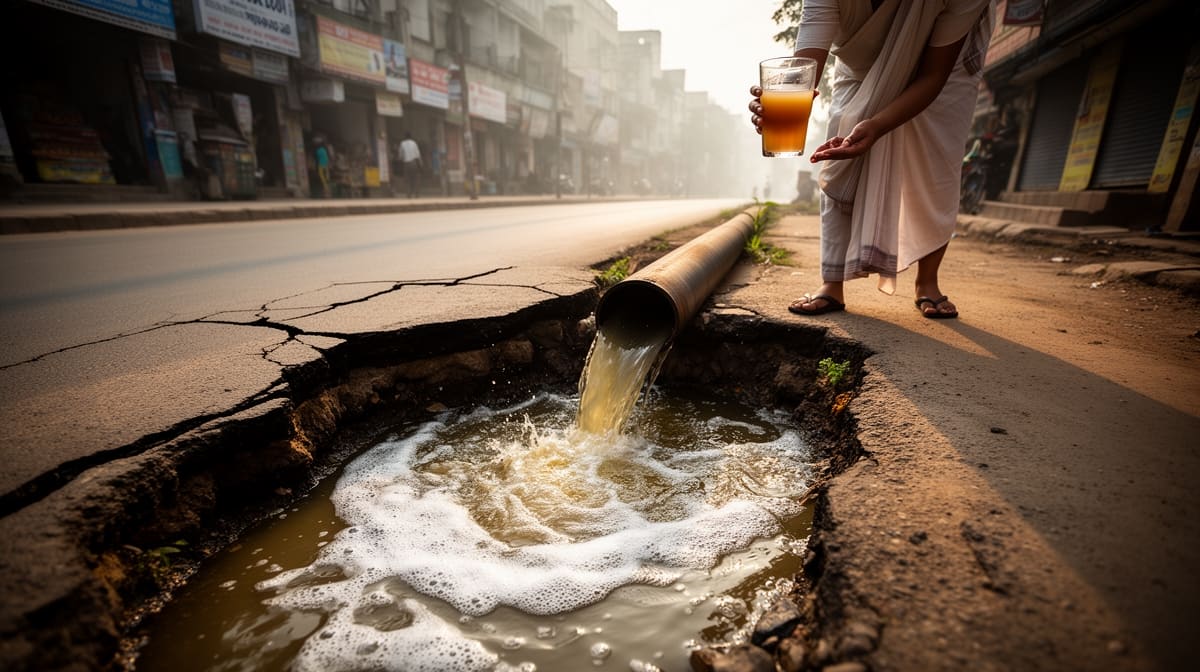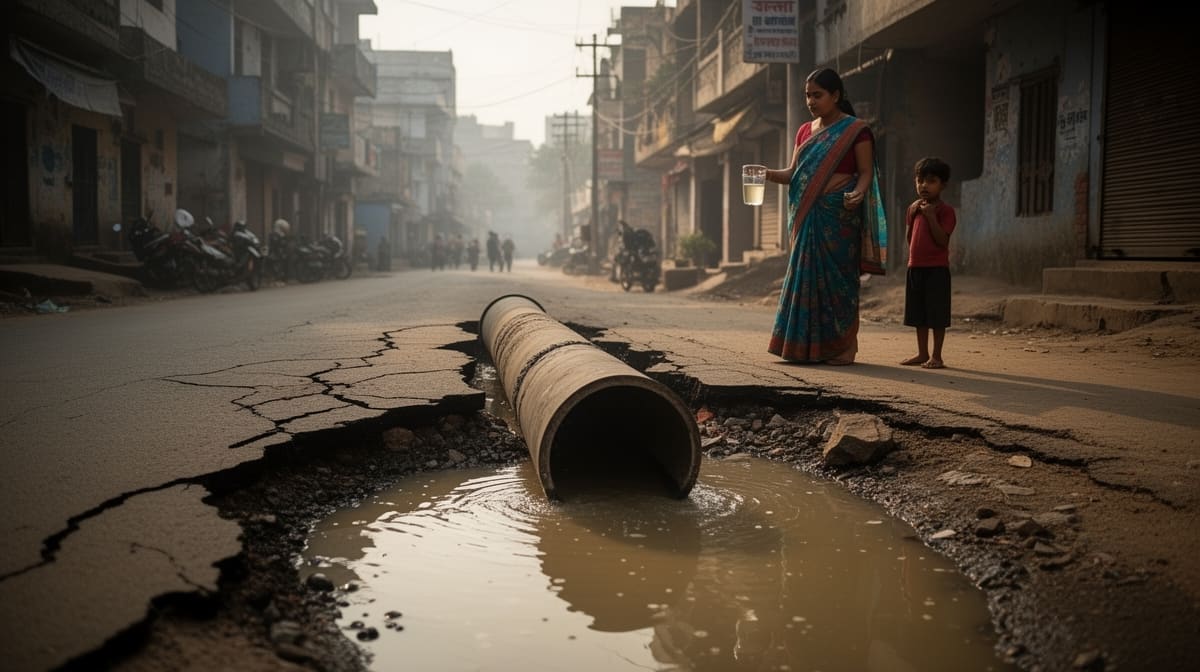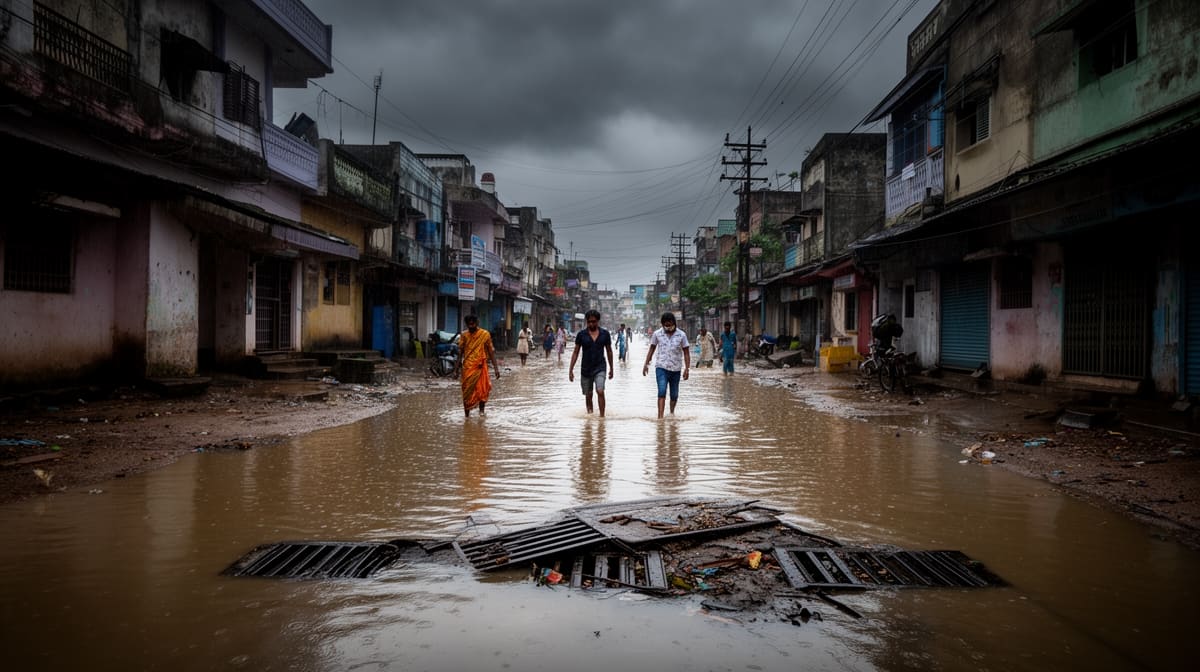
The National Green Tribunal (Central Zone Bench, Bhopal) has issued a detailed 29-point directive to the Indore Municipal Corporation (IMC) to address systemic failures in the city's water supply and contamination control mechanisms. The order follows reports of cholera outbreaks and fecal contamination in drinking water, highlighting lapses in infrastructure maintenance and regulatory compliance.
Background & Facts
The Genesis
The matter arose from a series of public interest applications filed by Mr. Rashid Noor Khan and Mr. Kamal Kumar Rathi, alleging widespread water contamination in Indore city. The complaints were triggered by a cholera outbreak investigation in Bhagirathpura, Indore, which traced the source to contaminated municipal water supply.
Key Facts
- Epidemiological findings: A report by the Department of Public Health & Medical Education, Government of Madhya Pradesh, dated 03.01.2026, confirmed a cholera outbreak linked to domestic water supply. Key findings included:
- Altered taste and smell of drinking water reported by a majority of admitted patients.
- Absence of significant history of outside food consumption among cases.
- Higher proportion of cases among women, reflecting household-level exposure.
- Lack of point-of-use water treatment practices in affected households.
- Water quality reports: Groundwater samples collected on 30.12.2025 and 01.01.2026 revealed fecal coliform contamination. Out of 52 samples:
- 50 tested positive for total coliform (values: 1.8 to 430).
- 40 tested positive for E. coli (values: 1.8 to 26).
- Judicial intervention: The Hon'ble High Court of Madhya Pradesh at Indore had earlier constituted a Judicial Commission to investigate the Bhagirathpura water contamination incident and issued interim directions in multiple writ petitions (W.P. No. 50628/2025, W.P. No. 50641/2025, W.P. No. 50646/2025, W.P. No. 496/2026, W.P. No. 247/2026).
Procedural History
- 23.07.2026: Original Applications (O.A. No. 05/2026(CZ) and O.A. No. 06/2026(CZ)) filed before the NGT Central Zone Bench, Bhopal.
- Hearing: The Tribunal heard the parties and perused the records, including the High Court's interim orders and the Judicial Commission's report.
- Directions issued: The Tribunal directed the IMC to implement a 29-point action plan to address water contamination and supply issues.
Relief Sought
The applicants sought immediate intervention by the NGT to direct the IMC and state authorities to:
- Investigate and remediate water contamination in Indore.
- Ensure safe drinking water supply through systemic reforms.
- Fix responsibility for lapses in infrastructure maintenance and regulatory compliance.
The Legal Issue
The central question was whether the Water (Prevention and Control of Pollution) Act, 1974 and Environment (Protection) Act, 1986 impose an obligation on municipal authorities to proactively prevent water contamination and ensure compliance with statutory standards, and whether the NGT could direct specific remedial measures beyond general regulatory oversight.
Arguments Presented
For the Applicants
The applicants, through their counsel Mr. Harshwardhan Tiwari and Mr. Harpreet Singh Gupta, argued that the cholera outbreak and fecal contamination in Indore's water supply constituted a violation of fundamental rights to life and health under Article 21 of the Constitution of India. They contended that the IMC had failed to:
- Maintain infrastructure in accordance with CPHEEO (Central Public Health and Environmental Engineering Organisation) guidelines.
- Implement real-time monitoring systems for water quality.
- Conduct third-party audits of water supply systems.
- Ensure compliance with BIS 10500 (Drinking Water Standards) and MoHUA (Ministry of Housing and Urban Affairs) benchmarks.
They relied on the precautionary principle and polluter pays principle, urging the NGT to direct immediate remediation and systemic reforms.
For the Respondents
The respondents, represented by Mr. Prashant M. Harne (State of Madhya Pradesh), Ms. Parul Bhadoria (Madhya Pradesh Pollution Control Board), and Mr. Yadvendra Yadav (Central Pollution Control Board), submitted that:
- A report had already been filed by the Department of Public Health & Medical Education, which was on record.
- The IMC had initiated steps to address the contamination, including shock chlorination and pipeline flushing.
- The matter was subjudice before the Hon'ble High Court, and a Judicial Commission was investigating the incident.
They sought time to respond to the report and requested that the matter be listed for further hearing on 16.09.2026.
The Court's Analysis
The NGT examined the reports of water contamination and the High Court's interim orders, noting that the evidence established a prima facie case of systemic failure in Indore's water supply infrastructure. The Tribunal observed that the contamination posed a grave risk to public health and required urgent intervention.
The Court emphasized the precautionary principle, holding that even the possibility of harm to public health justified proactive measures to prevent contamination. It relied on CPHEEO guidelines and MoHUA benchmarks, noting that the IMC had failed to adhere to these standards.
"The survey findings suggest a most likely association of the outbreak with the domestic water supply. A large proportion of admitted patients reported altered taste and smell of drinking water, which may indicate possible contamination of municipal pipelines, including potential sewage ingress."
The Tribunal also highlighted the polluter pays principle, directing the IMC to bear the cost of remediation and systemic reforms. It underscored the need for real-time monitoring, GIS-based mapping, and third-party audits to ensure transparency and accountability.
The Court distinguished the present case from routine regulatory oversight, noting that the scale of contamination and the risk to public health necessitated specific, time-bound directives. It relied on Section 17 of the National Green Tribunal Act, 2010, which empowers the Tribunal to provide relief and compensation for environmental damage and to pass orders for the prevention, control, and abatement of environmental pollution.
The Verdict
The NGT allowed the applications in part and directed the IMC to implement a 29-point action plan within a phased timeline. Key directives include:
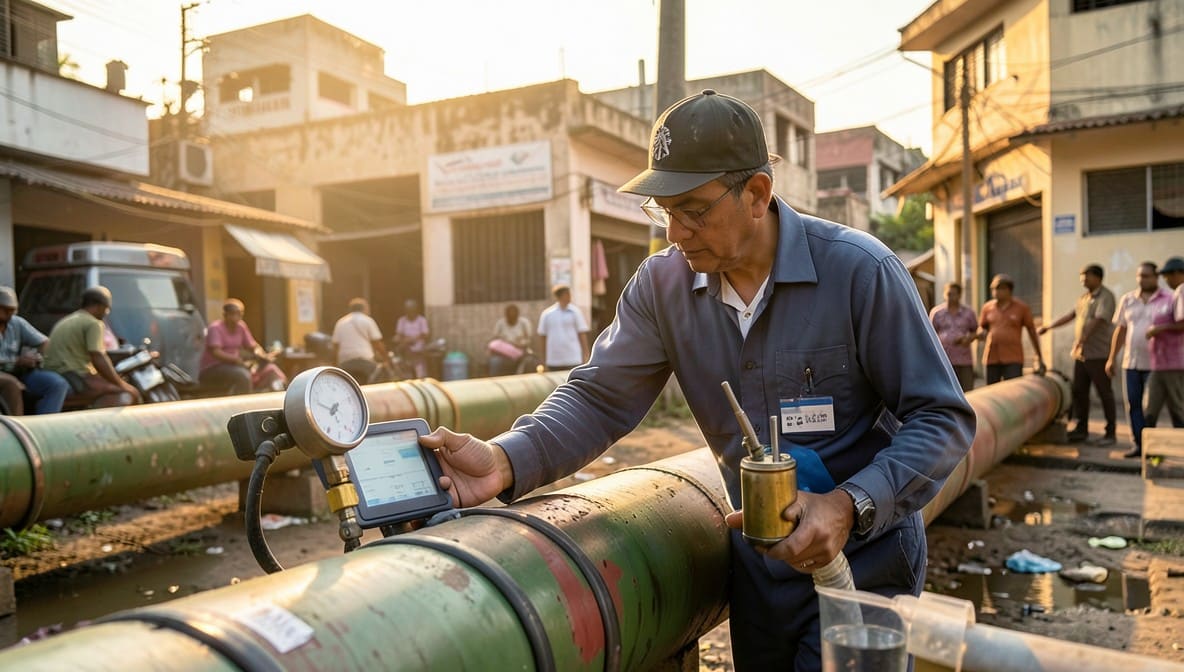
- Immediate measures: Shock chlorination, flushing of pipelines, and provision of alternate potable water through tankers/packaged supply in affected areas.
- Infrastructure reforms: Replacement of damaged pipelines, adherence to CPHEEO guidelines for pipeline separation (minimum 3.0 m horizontal separation, 0.5 m vertical separation), and maintenance of continuous positive pressure in the distribution network.
- Monitoring and transparency: Establishment of a citizen-centric mobile application and 24x7 helpline for complaints, real-time monitoring systems, GIS-based mapping of water supply and sewerage networks, and publication of water quality reports in the public domain.
- Regulatory compliance: Strict adherence to Water (Prevention and Control of Pollution) Act, 1974, Environment (Protection) Act, 1986, BIS 10500, and MoHUA guidelines. All water quality testing must be conducted through NABL-accredited laboratories.
- Capacity building: Regular training programs for engineers and field staff, public awareness campaigns, and third-party audits of water supply systems.
- Sustainable practices: Implementation of rainwater harvesting systems, rejuvenation of traditional water sources (bawaris/wells), and expedited construction of sewage treatment plants (STPs).
The Tribunal directed the IMC to file a compliance report within three weeks and listed the matter for further hearing on 16.09.2026.
What This Means For Similar Cases
Proactive Environmental Oversight Is Non-Negotiable
- Municipal authorities must adopt a precautionary approach to environmental risks, even where harm is not yet manifest.
- Real-time monitoring systems and GIS-based mapping are now essential tools for compliance with environmental standards.
- Third-party audits and public disclosure of data are critical to ensure transparency and accountability.
Infrastructure Compliance Is a Statutory Imperative
- CPHEEO guidelines and MoHUA benchmarks are not optional; they are statutory standards that municipal authorities must adhere to.
- Pipeline separation norms (horizontal and vertical) must be strictly followed to prevent contamination.
- Continuous positive pressure in the distribution network is mandatory to safeguard water quality.
Judicial Commission Reports Are Binding
- Reports by Judicial Commissions investigating environmental disasters carry significant weight and can form the basis for NGT directives.
- Courts are increasingly directing specific, time-bound reforms rather than general oversight, particularly in cases involving public health risks.
Public Participation Is Central to Environmental Justice
- Citizen-centric applications and public interest litigation are powerful tools to hold authorities accountable for environmental violations.
- The NGT's directives emphasize public awareness campaigns and complaint redressal mechanisms to empower citizens in environmental governance.
Cost of Compliance Lies with the Polluter
- The polluter pays principle is now firmly embedded in environmental jurisprudence, with municipal authorities bearing the cost of remediation and systemic reforms.
- Third-party audits and NABL-accredited testing are mandatory to ensure impartiality and accuracy in environmental assessments.