The National Green Tribunal has taken suo moto cognizance of a newspaper report detailing the supply of sewage-contaminated water to households in Raipur, Chhattisgarh. This action underscores the Tribunal’s proactive role in enforcing the fundamental right to clean water as an essential component of the right to life under Article 21, and reinforces the state’s non-delegable duty to ensure safe public utilities.
Background & Facts
The Dispute
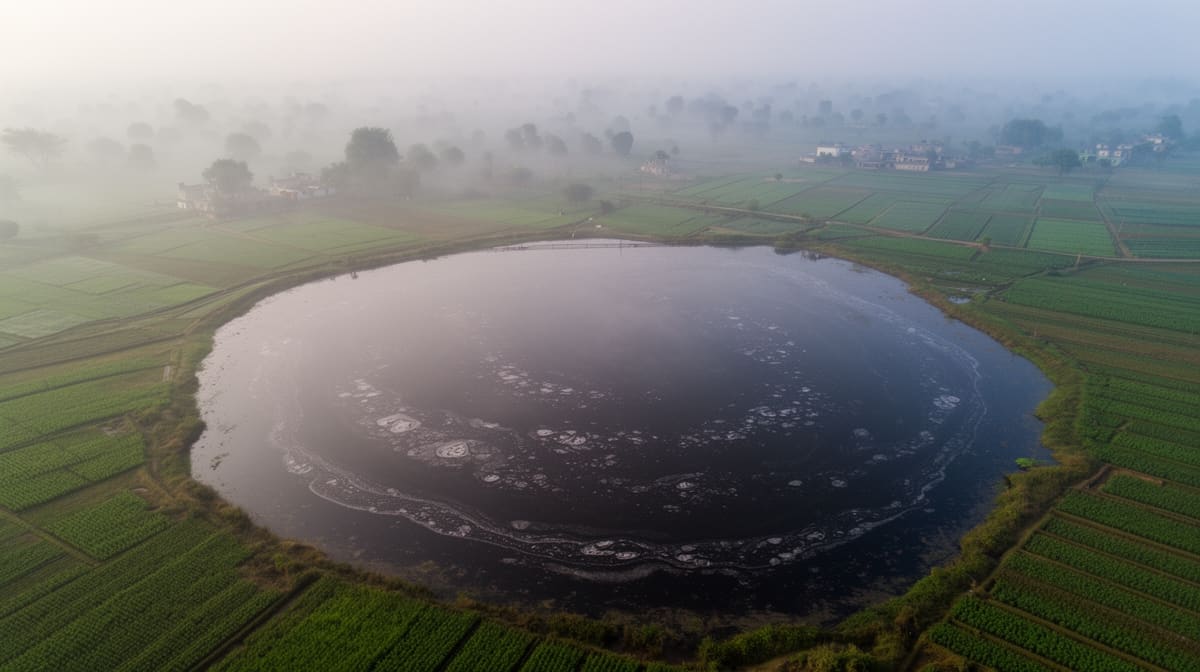
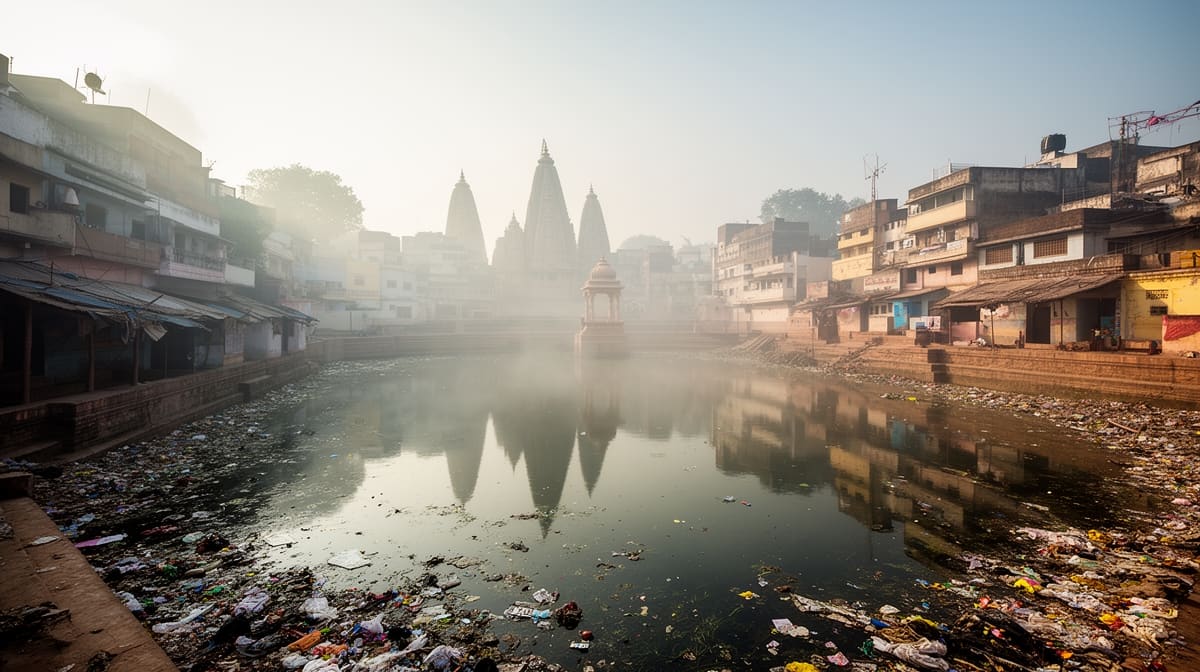
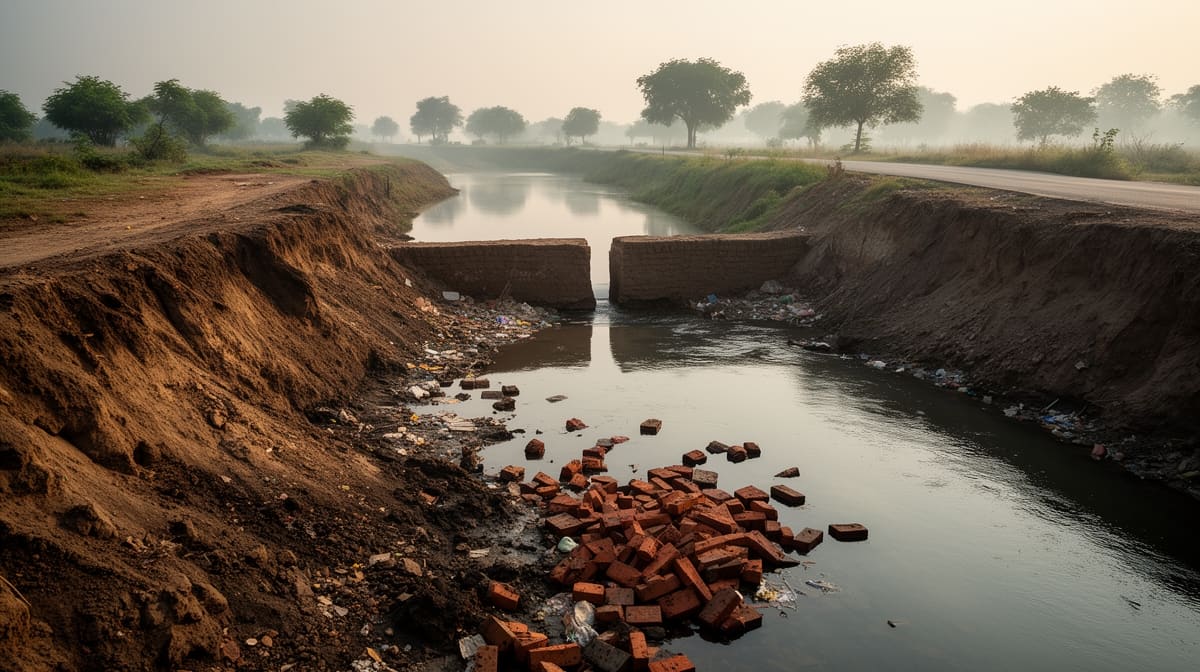
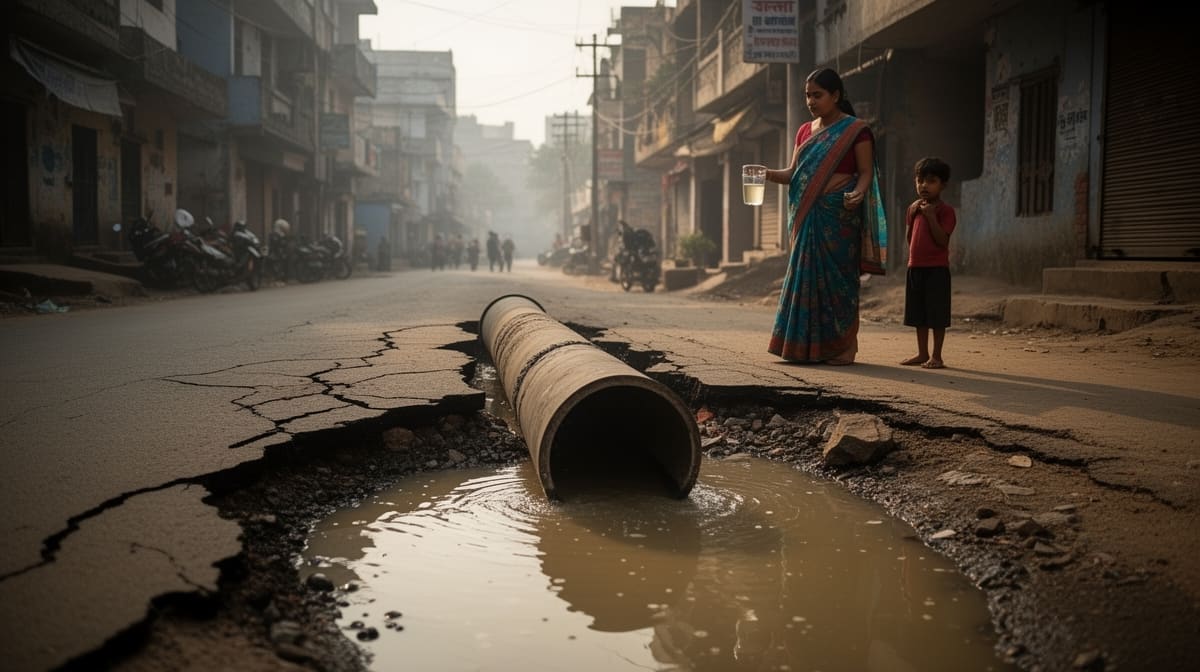
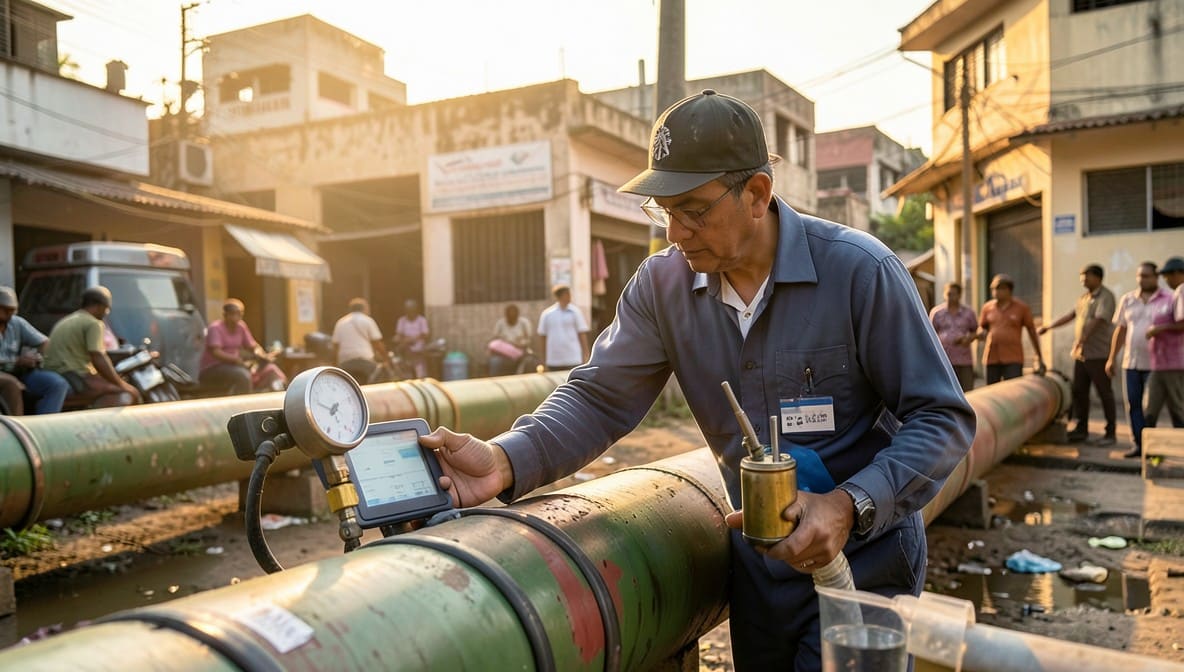
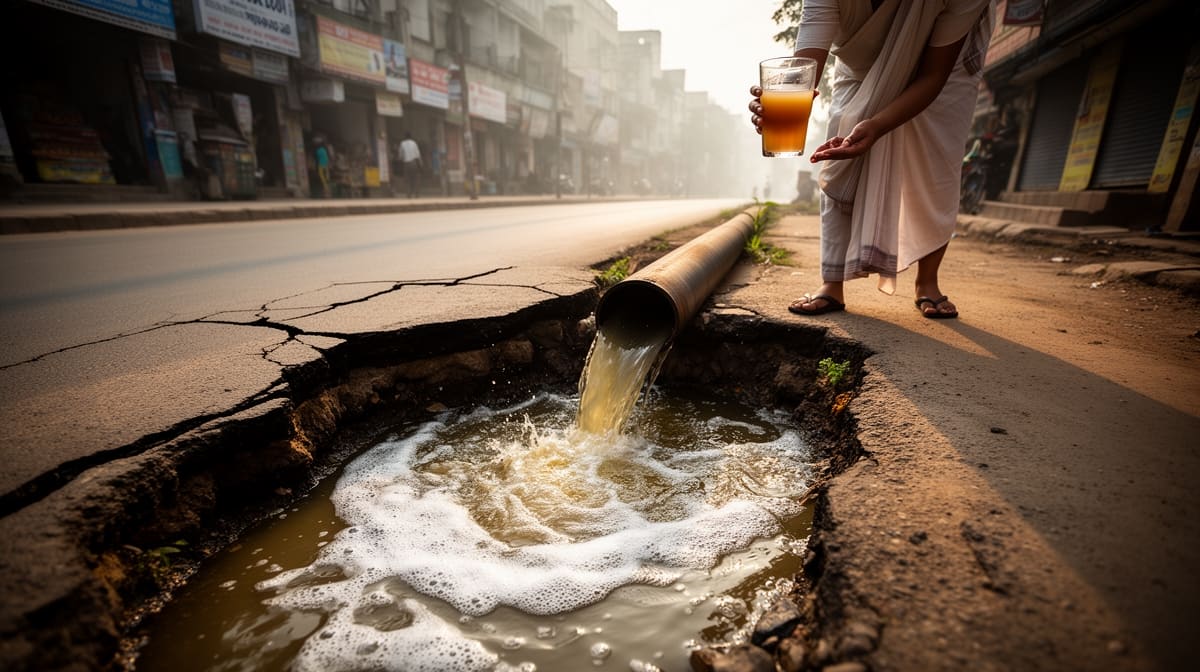
The dispute arose from a January 7, 2026, report in Dainik Bhaskar Star Raipur detailing persistent leakage of sewage into potable water pipelines in three residential areas: Ramnagar, Kachana, and Saddu Sector-10. Residents reported foul-smelling, foamy, and discolored water being supplied for domestic use. In Ramnagar, the issue had persisted for six months despite three excavation attempts to locate leaks. In Kachana’s EWS Colony, contaminated water occurred biannually, and in Saddu, the problem had emerged just 15 days prior to the report. Residents were forced to rely on borewell water for drinking and use home filtration systems, which the report noted could remove only 80-90% of contaminants, leaving dangerous pathogens like E. coli unaddressed.
Procedural History
The National Green Tribunal, Central Zone Bench, Bhopal, initiated proceedings suo moto based on the media report. No formal petition was filed. The Tribunal issued notice to the State of Chhattisgarh and directed the formation of a Joint Committee to investigate and submit a factual report.
Relief Sought
The Tribunal did not seek monetary compensation or punitive measures at this stage. Instead, it sought immediate remedial action, accountability, and a systemic plan to prevent recurrence through a fact-finding report and institutional coordination.
The Legal Issue
The central question was whether the supply of sewage-contaminated water to households constitutes a violation of the right to clean water under Article 21 of the Constitution and whether the state’s failure to prevent such contamination breaches its obligations under the Environment (Protection) Act, 1986 and the National Green Tribunal Act, 2010.
Arguments Presented
For the Applicant (Suo Moto)
Though no formal petitioner appeared, the Tribunal relied on the media report as a credible trigger for public interest. It invoked the principle that environmental harm affecting public health triggers the Tribunal’s suo moto jurisdiction, as affirmed in M.C. Mehta v. Union of India. The Tribunal emphasized that the state’s failure to segregate sewage and potable water infrastructure, despite repeated complaints, amounted to a continuing violation of environmental and public health norms.
For the Respondent (State of Chhattisgarh)
No written submissions were filed prior to the order. The Tribunal noted the absence of any prior remedial action or preventive measures by the Water Works Department or Urban Development Department, implying a failure of due diligence.
The Court's Analysis
The Tribunal grounded its reasoning in the fundamental right to water as an inseparable facet of the right to life under Article 21, as established in Subhash Kumar v. State of Bihar and Bandhua Mukti Morcha v. Union of India. It held that the state cannot outsource its duty to provide safe drinking water to municipal bodies without ensuring oversight and accountability.
"The supply of water contaminated with sewage is not merely a municipal nuisance - it is a public health emergency that violates the constitutional guarantee of life with dignity."
The Tribunal further cited the polluter pays principle and the precautionary principle under the Environment (Protection) Act, 1986, noting that the state’s inaction despite visible harm constituted a failure to prevent environmental degradation. It rejected the notion that media reports are insufficient to trigger judicial intervention, affirming that suo moto jurisdiction is a vital tool for environmental justice, especially when vulnerable populations lack access to legal recourse.
The Tribunal emphasized that the state’s obligation extends beyond infrastructure installation to include continuous monitoring, timely repair, and public communication. The repeated excavation without resolution indicated systemic negligence, not mere administrative inefficiency.
The Verdict
The National Green Tribunal ruled in favor of the public interest. It held that the supply of sewage-contaminated water violates constitutional and statutory obligations. The Court directed the formation of a Joint Committee to investigate, submit a report within six weeks, and recommend corrective measures. No punitive orders were issued at this stage, but the Tribunal reserved the right to proceed against defaulting officials if compliance is inadequate.
What This Means For Similar Cases
Clean Water Is a Non-Negotiable Public Right
- Practitioners must treat any report of contaminated public water supply as a potential Article 21 violation, not merely a municipal issue
- Legal action can be initiated under the NGT Act even without a formal petitioner, if the harm is demonstrable and widespread
- Municipal corporations and state departments are jointly liable for failures in water infrastructure management
Suo Moto Powers Are a Vital Environmental Tool
- NGT can act on credible media reports, citizen complaints, or satellite imagery without waiting for formal petitions
- This precedent empowers lawyers to use media documentation as a trigger for environmental litigation
- NGOs and public interest groups should systematically archive such reports to support future NGT applications
Infrastructure Accountability Must Be Systemic
- Water and sewer lines must be designed and maintained with physical separation
- Regular water quality testing at distribution points is mandatory under the Bureau of Indian Standards
- Failure to act on repeated complaints constitutes negligence under the Public Liability Insurance Act, 1991 and Water (Prevention and Control of Pollution) Act, 1974