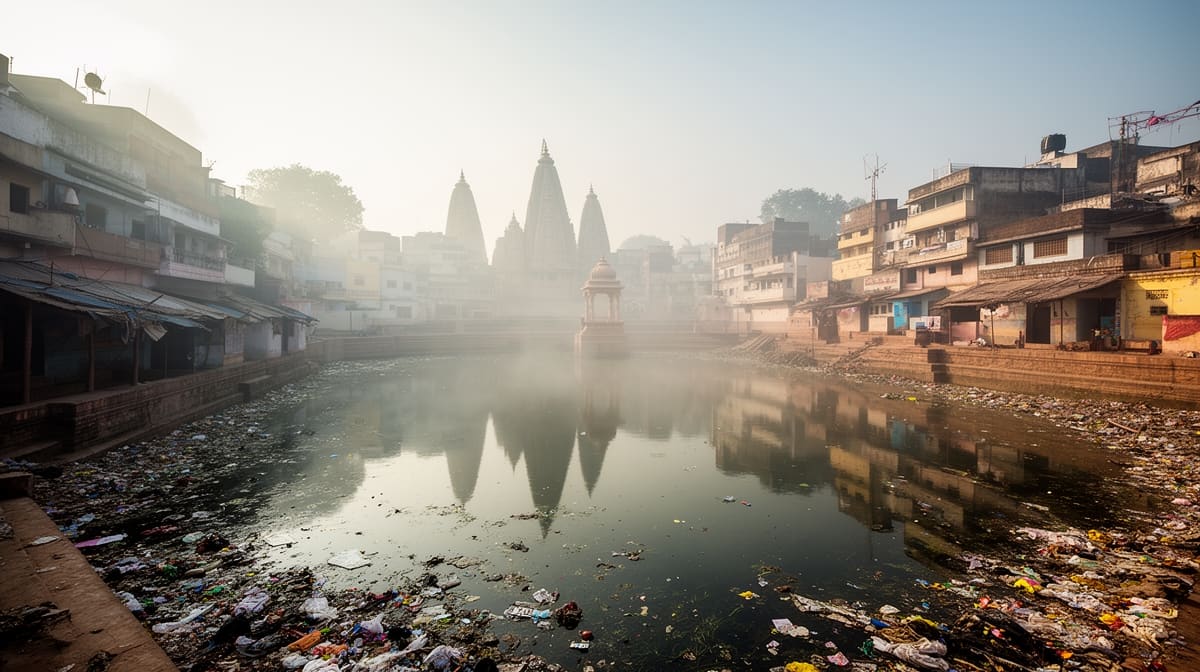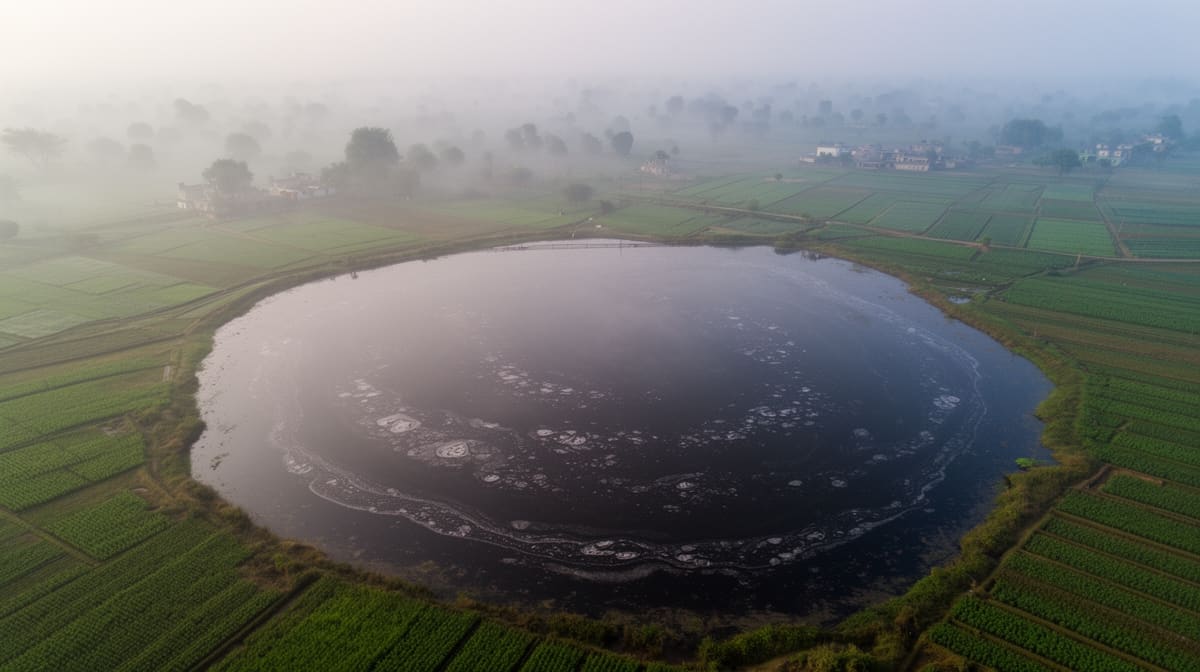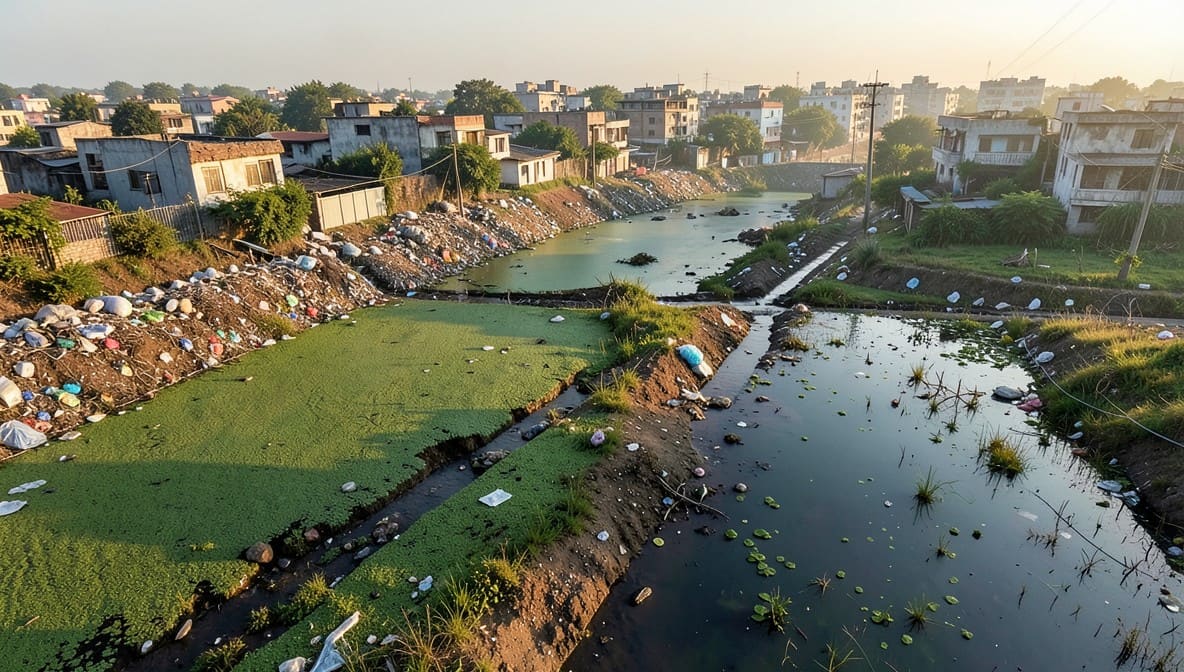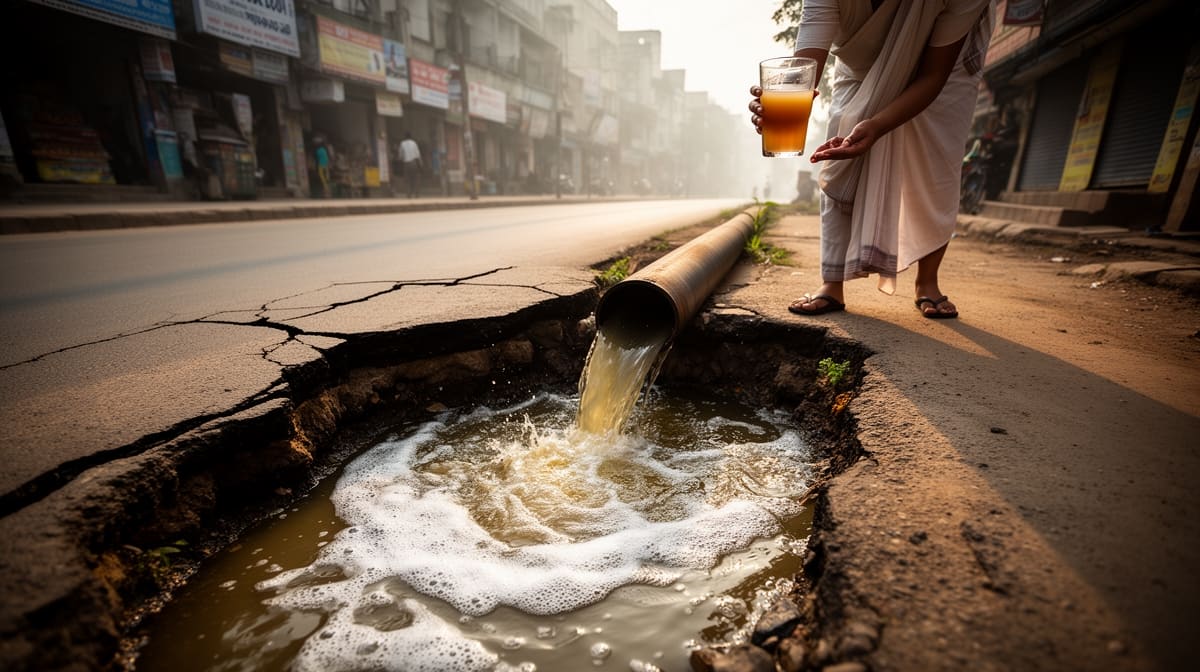
The National Green Tribunal Southern Zone has delivered a landmark ruling affirming that untreated domestic sewage from unsewered residential areas, not industrial effluents, is the primary cause of pollution in Korattur Lake, Chennai. While industrial compliance has been substantially achieved, the Tribunal emphasized that failure to address sewage inflow, encroachments, and invasive species undermines ecological restoration efforts.
Background & Facts
The Dispute
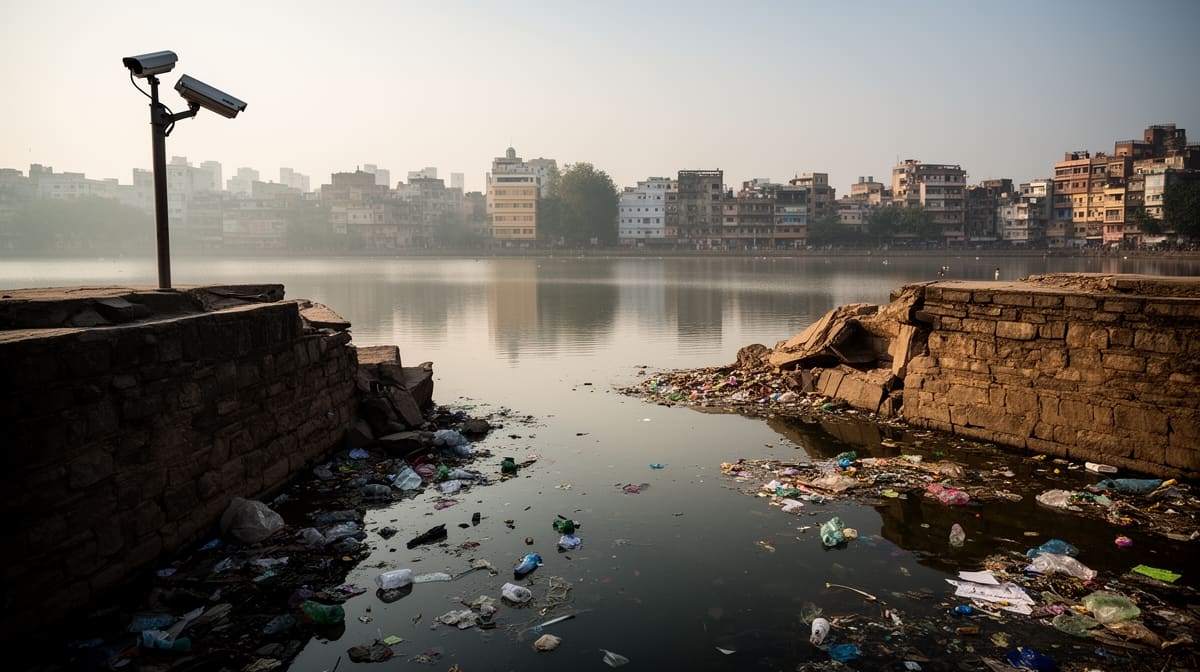
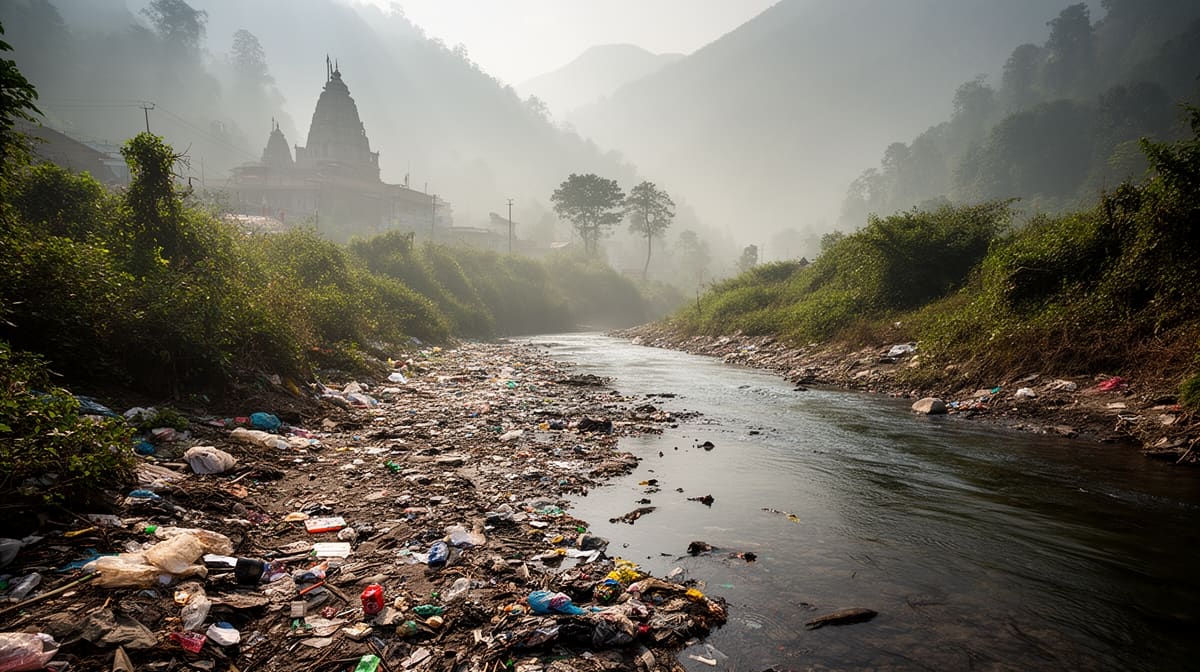
The applicant, Korattur Lake Protecting People's Movement, filed Original Application No.125 of 2022 (SZ) before the National Green Tribunal Southern Zone, seeking remedial action against the degradation, pollution, and encroachment of TNHB Korattur Lake, a 6-acre, 16.5-cent water body located in Korattur, Chennai. The lake, situated in Survey No.959 with associated bund and pathway areas in Surveys No.960, 1052/1 and 1052/2, has suffered prolonged ecological damage due to untreated sewage discharge, solid waste dumping, and proliferation of water hyacinth.
Key Facts
- The lake is bordered by the Ambattur Industrial Estate to the south and west, the Chennai-Arakkonam railway line to the north, and residential zones of Greater Chennai Corporation Zone VII to the east.
- The lake was previously the subject of Original Application No.268 of 2016 (SZ), which resulted in an order dated 01.07.2022 directing authorities to protect the lake.
- The lake water is heavily contaminated with BOD, COD, Faecal Coliform, and Total Coliform, with Dissolved Oxygen levels below 6 mg/L.
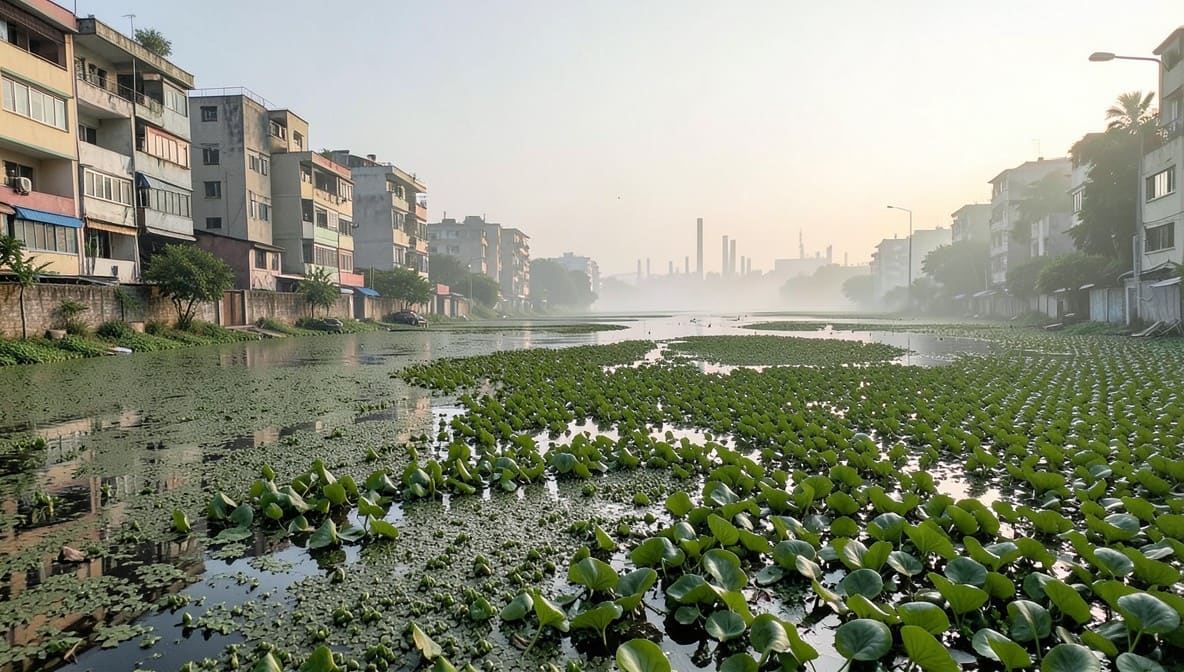
- Water hyacinth (Eichhornia crassipes) covers a major portion of the lake surface, impeding oxygenation and biodiversity.
- The Ambattur Industrial Estate comprises 1,800 industrial units, with 2 Common Sewage Treatment Plants (CSTPs) of 2 MLD and 3 MLD capacity operated by CAAIIUC.
- A Common Effluent Treatment Plant (CETP) with Zero Liquid Discharge (ZLD) system serves 178 electroplating units.
- The 11th Respondent, M/s. Aavin (Tamil Nadu Cooperative Milk Producers Federation Ltd.), operates two dairy units in Ambattur with a combined effluent generation of approximately 6.5 lakh litres per day.
- The Greater Chennai Corporation (GCC) and Chennai Metropolitan Water Supply and Sewerage Board (CMWSSB) have implemented the Underground Sewerage Scheme (UGSS), providing 1,620 House Sewer Connections (HSCs) in Zone VII.
- The TNPCB imposed an Environmental Compensation of Rs. 5.10 Crores on M/s. Aavin for prior violations.
Procedural History
- 01.07.2022: NGT Southern Zone passed order in O.A. No.268 of 2016 directing protection of Korattur Lake.
- 12.06.2022: Original Application No.125 of 2022 (SZ) filed by Korattur Lake Protecting People's Movement.
- 23.09.2023: GCC submitted report stating PWD is responsible for lake bund maintenance.
- 26.01.2023: CMWSSB submitted report on UGSS implementation and sewer tanker operations.
- 28.02.2023: TNPCB submitted report identifying domestic sewage as primary pollution source.
- 18.04.2023: CMWSSB confirmed no sewage leakage from its pumping stations.
- 05.01.2024: NGT directed TNPCB to inspect Aavin’s ETP.
- 06.02.2024: TNPCB inspection revealed partial ETP functionality at Aavin.
- 13.03.2024: NGT directed further inspection of Aavin’s ETP.
- 09.05.2025: Joint inspection by TNPCB, GCC, CMWSSB, SIDCO and CAAIIUC after The Hindu report on sewage discharge.
- 06.06.2025: TNPCB granted Consent to Operate (Expansion) to Aavin for 5 lakh litres/day production.
- 22.03.2024, 28.02.2025, 15.04.2025, 12.05.2025: Multiple inspections by District Environmental Engineer.
- 26.04.2026: Aavin submitted compliance report (not e-filed).
- 27.04.2026: Judgment reserved.
- 09.06.2026: Judgment delivered.
The Parties' Positions
Applicant: Alleged that industrial units (Respondents 7 - 11) are discharging untreated effluents and solid waste into the lake; that encroachments are ongoing; and that authorities have failed to enforce environmental norms despite prior orders.
Respondents (State Agencies): Contended that industrial units are compliant, with functioning ETPs and STPs; that pollution stems from untreated domestic sewage from unsewered residential areas; and that culverts were plugged as per prior order, leading to upstream stagnation.
Respondents (Industrial Units): All denied direct discharge into the lake. Tube Investments, Godrej & Boyce, and Universal Engineers submitted compliance reports, testing data, and consent orders. Aavin admitted prior non-compliance but detailed ETP renovation, cessation of external effluent receipt, and attainment of new consent.
Relief Sought
The applicant sought:
- Immediate cessation of all industrial and domestic discharge into the lake.
- Removal of encroachments on lake bund and surrounding areas.
- Restoration of the lake’s ecological balance, including removal of water hyacinth.
- Enforcement of environmental norms against non-compliant industries.
- Direction to authorities to ensure long-term sustainability of the lake.
The Legal Issue
The central question was whether industrial effluents remain the primary source of pollution in Korattur Lake, or whether untreated domestic sewage from unsewered residential areas, coupled with encroachments and invasive species, constitutes the dominant and unresolved cause of ecological degradation.
Arguments Presented
For the Petitioner
The applicant relied on the visible pollution, water hyacinth proliferation, and prior non-compliance by M/s. Aavin to argue that industrial units continue to discharge effluents despite claims of compliance. It contended that the authorities have failed to act on encroachments and that the plugging of culverts has caused upstream stagnation, worsening the situation. The applicant cited M.C. Mehta v. Kamal Nath to assert the state’s duty to protect natural resources and demanded strict enforcement of environmental norms.
For the Respondent
The state and industrial respondents submitted detailed reports from TNPCB, CMWSSB, and GCC demonstrating that:
- All listed industries (except Aavin, which has since remediated) operate compliant ETPs/STPs.
- No direct discharge of industrial effluent into the lake or its channels was detected in recent inspections.
- The 11th Respondent (Aavin) had ceased receiving external effluent, upgraded its ETP, and obtained new consent.
- The dominant pollution source is untreated sewage from unsewered residential pockets in Zone VII, including MKB Nagar, Teachers Colony, and Mangalapuram.
- The CMWSSB has completed UGSS in key areas and provided 1,620 HSCs.
- The PWD had plugged culverts as directed in 2016, but this led to unintended water stagnation.
The Court's Analysis
The Tribunal undertook a meticulous review of inspection reports, water quality data, compliance records, and expert submissions. It noted that while earlier violations by M/s. Aavin were serious, subsequent actions - including ETP renovation, cessation of external effluent receipt, and attainment of CTO-Expansion - demonstrated a clear trajectory toward compliance.
"The materials placed on record, including the joint inspection conducted by the GCC and the CMWSSB pursuant to the news report published in The Hindu dated 09.05.2025, reveal that the predominant cause of the continuing pollution of the lake is the inflow of untreated or partially treated domestic sewage from unsewered and inadequately sewered residential localities situated in and around Zone VII of the Greater Chennai Corporation."
The Tribunal accepted the TNPCB’s water quality analysis showing elevated BOD, COD, and coliform levels as conclusive evidence that domestic sewage - not industrial effluent - is the primary pollutant. It further noted that the Common Effluent Treatment Plant (CETP) for electroplating units operates under a Zero Liquid Discharge system, and hazardous waste is disposed of through authorized channels.
The Court observed that while the PWD had acted to plug culverts as per its 2016 order, this action inadvertently contributed to upstream stagnation, which then flowed into the lake via storm drains. The Tribunal also found that the reports from the respondents were silent on encroachments on the lake bund, a critical failure given the legal obligation to maintain a 10-foot protective buffer under environmental norms.
"Such omission assumes significance in light of the necessity to preserve the physical integrity of water bodies, maintain protective bunds for ecological conservation and flood mitigation, and safeguard the lake from further degradation and encroachment."
The Tribunal rejected the notion that industrial units remain the principal violators, distinguishing between past non-compliance and current remediation. It emphasized that the burden of proof lies with the applicant to establish ongoing violations, which was not met for the majority of respondents.
The Verdict
The applicant succeeded in part. The Tribunal directed:
- The Chennai Metropolitan Water Supply and Sewerage Board (CMWSSB) to identify and close all illegal sewage outfalls and connections entering the lake or its storm drains within six months.
- The Water Resources Department (WRD) to undertake desilting, strengthen and restore the lake bund, ensure a minimum 10-foot protective buffer, and clear inlet channels within six months.
- The District Collector, Chennai, in coordination with PWD and GCC, to conduct a comprehensive survey of encroachments and initiate removal within six months.
- The Greater Chennai Corporation and WRD to undertake periodic removal of water hyacinth and implement ecological restoration measures.
- The Tamil Nadu Pollution Control Board (TNPCB) to continue monitoring water quality and ensure strict compliance by all industrial units.
- The ongoing ETP renovation of the 11th Respondent (Aavin) to be completed within the stipulated timeline, with TNPCB to verify compliance.
- All private respondents (Respondents 8 - 11) to cooperate in beautification and ecological maintenance under Corporate Environmental Responsibility.
No monetary compensation was awarded. The application was disposed of with the above directions.
What This Means For Similar Cases
Domestic Sewage Is the New Frontline in Urban Lake Litigation
- Practitioners must now prioritize sewage infrastructure gaps over industrial discharge when litigating urban lake degradation cases.
- Water quality reports showing high BOD, COD, and coliform levels are now prima facie evidence of domestic sewage contamination.
- Authorities cannot rely on industrial compliance alone; they must demonstrate active sewage network expansion and illegal connection enforcement.
Encroachments on Lake Bund Are Legally Unacceptable
- Failure by authorities to survey or remove encroachments on lake bunds constitutes a breach of the public trust doctrine.
- The 10-foot buffer requirement is not discretionary - it is a mandatory ecological safeguard under environmental jurisprudence.
- Petitioners should now routinely seek court-directed surveys and removal timelines for encroachments in all water body cases.
Remediation Can Defeat Liability, But Monitoring Is Non-Negotiable
-
Industrial units that demonstrate corrective action - such as ETP upgrades, consent renewals, and cessation of non-compliant practices - can avoid punitive orders.
-
However, courts will require continuous verification by regulatory bodies (e.g., TNPCB) to ensure sustainability.
-
Environmental compensation imposed for past violations does not absolve future obligations; compliance must be ongoing and documented.
-
Industrial units must proactively document ETP upgrades, tender processes, and compliance reports to preempt litigation.
-
Municipal bodies must prioritize UGSS and HSC implementation in unsewered zones adjacent to water bodies.
-
NGOs and citizen groups should use joint inspection reports and water testing data as key evidence in future applications.