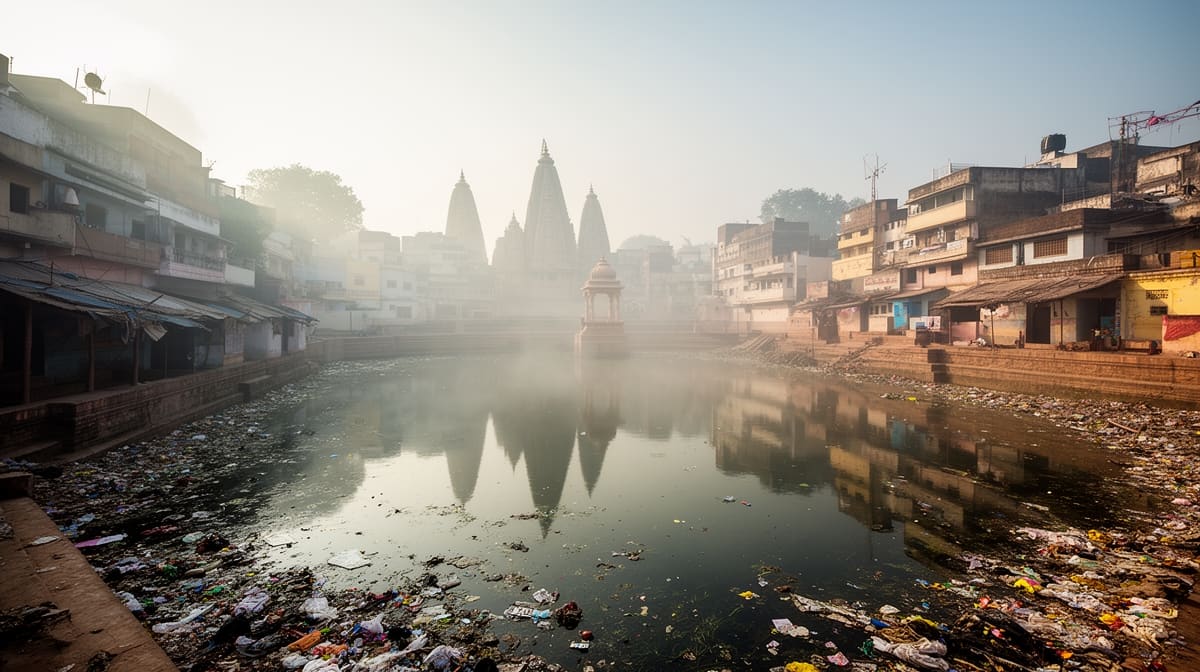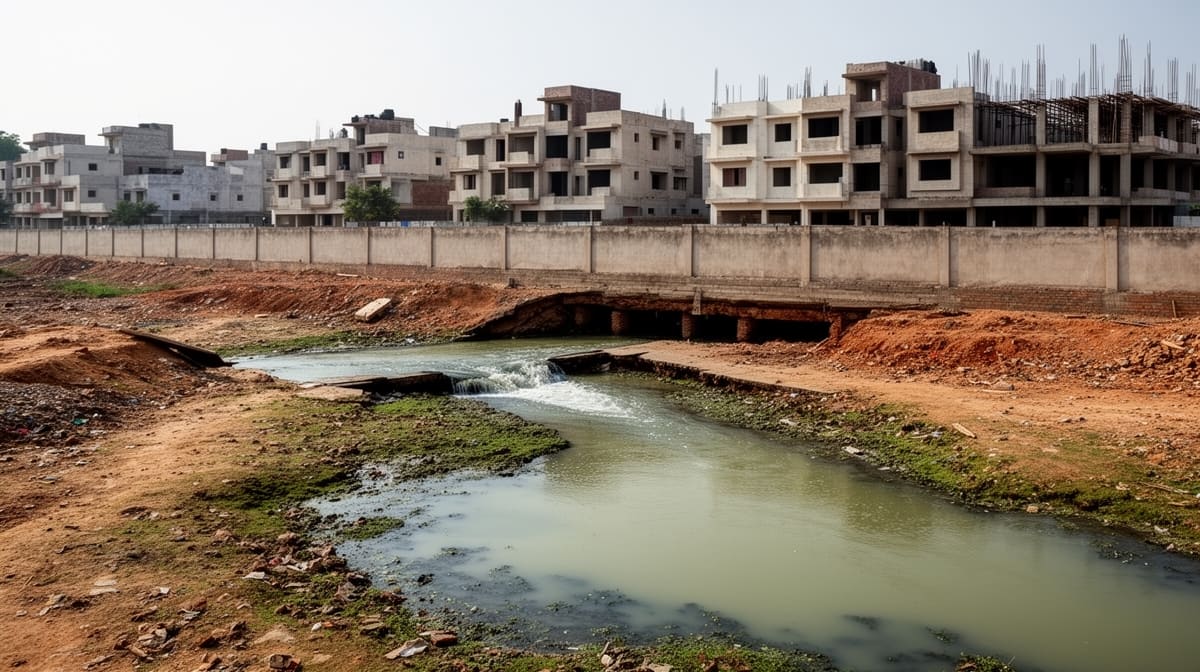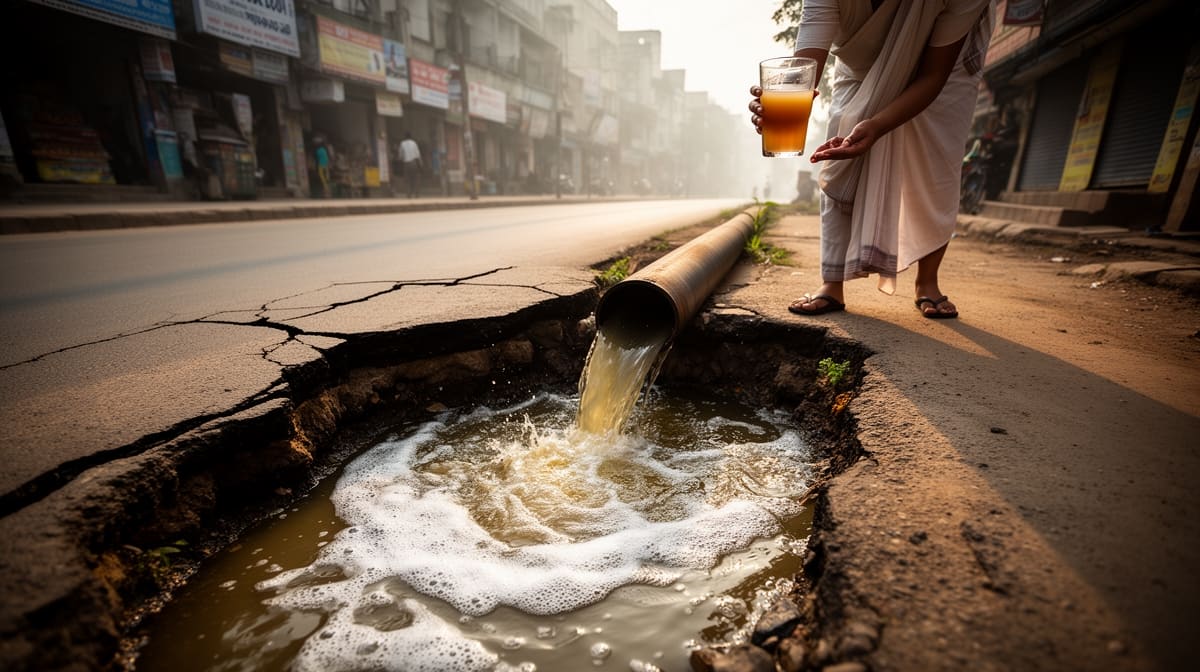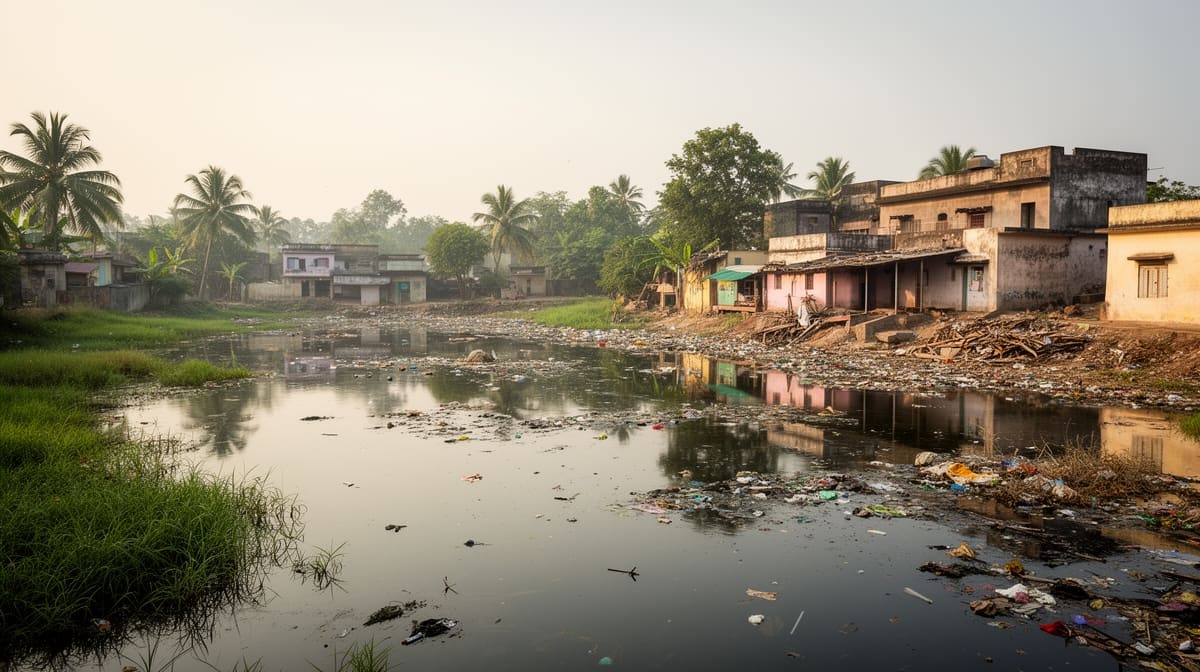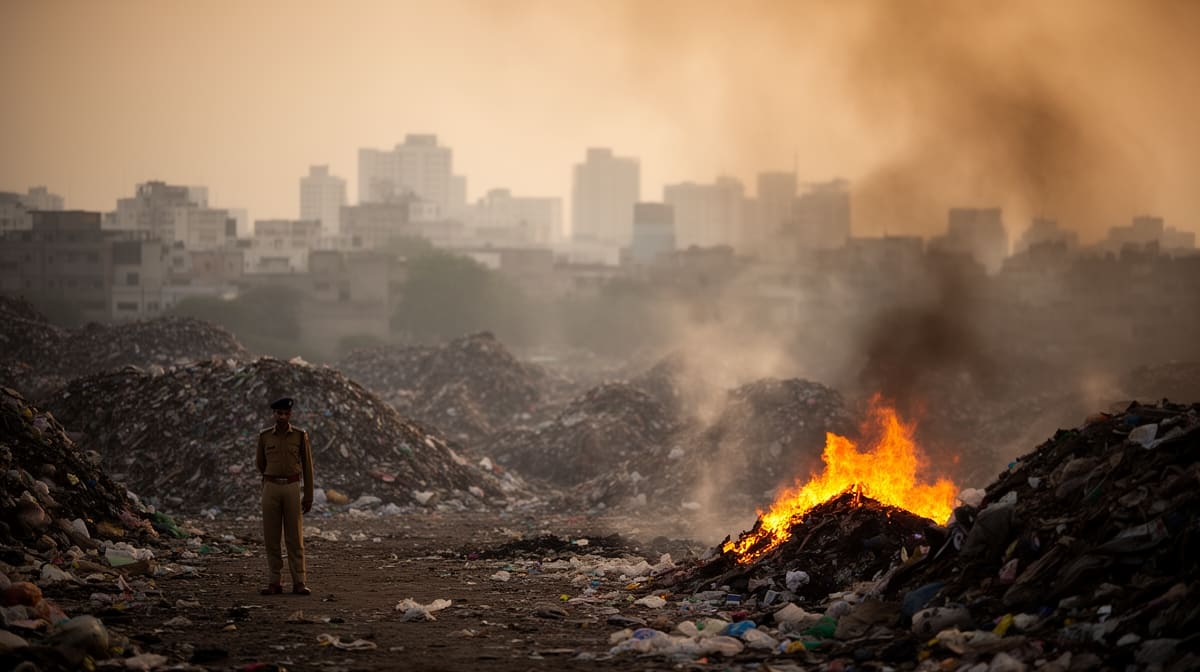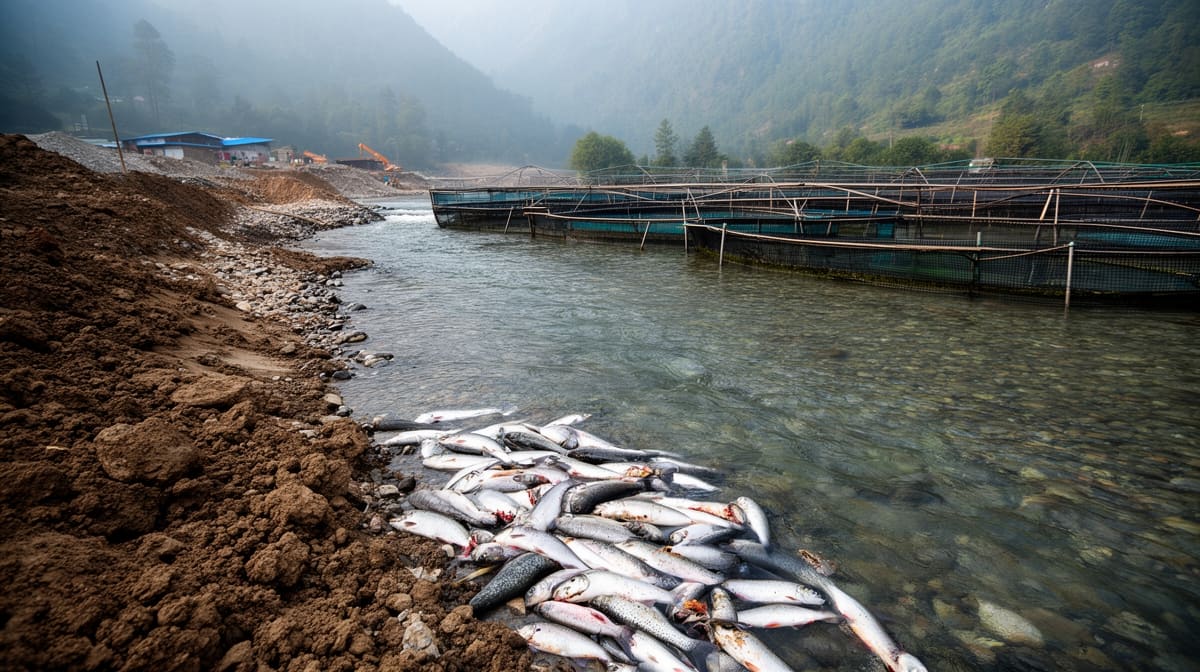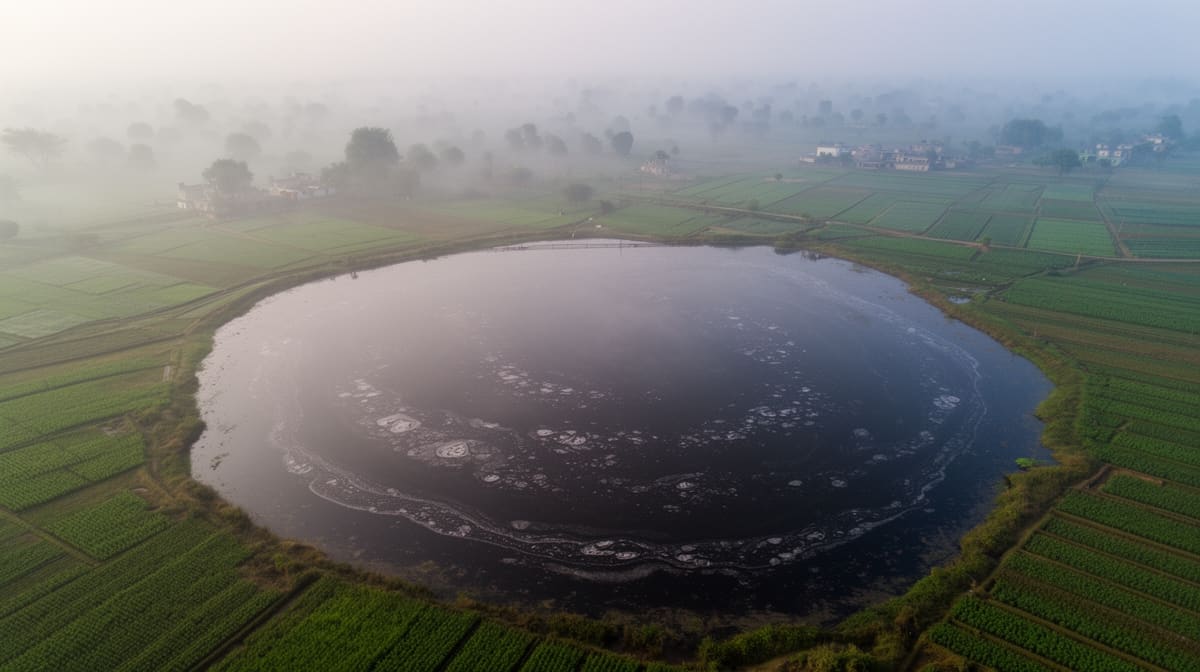
The National Green Tribunal has taken suo moto cognizance of the transformation of Laharpur Dam in Bhopal into a toxic sewage reservoir, highlighting a systemic failure in environmental governance. The Tribunal’s intervention underscores the non-negotiable duty of state agencies to prevent the use of contaminated water for agriculture, reinforcing the primacy of public health and ecological integrity under India’s environmental statutes.
Background & Facts
The Dispute
The Laharpur Dam, constructed at a cost of ₹278 crore and inaugurated in 1979, was designed as a water conservation structure. Instead, it has become a receptacle for untreated municipal sewage from four major drains and dozens of smaller sewers in Bhopal. The water has turned black, foaming, and highly toxic, with heavy metal contamination rendering it unfit for any human, animal, or ecological use.
Procedural History
The matter came to the Tribunal’s attention through a news report published in Patrika on 16 January 2026, which documented:
- The dam’s water being used to irrigate approximately 2,500 acres of farmland across 10 - 12 villages
- The presence of cancer-causing toxins and foul odor extending up to 600 meters into residential areas
- Complete loss of aquatic biodiversity
- No functional sewage treatment infrastructure despite statutory obligations
Relief Sought
The Tribunal, acting suo moto, sought immediate cessation of sewage discharge into the dam and demanded accountability from state agencies responsible for water management, pollution control, and urban planning.
The Legal Issue
The central question was whether the discharge of untreated sewage into a water body used for irrigation constitutes a violation of Section 3 of the Environmental (Protection) Act, 1986, and Section 24 of the Water (Prevention and Control of Pollution) Act, 1974, and whether state authorities can be held liable for permitting such use despite clear environmental hazards.
Arguments Presented
For the Applicant (Suo Moto)
The Tribunal, acting on the basis of public interest and media evidence, argued that:
- The use of toxic sewage water for agriculture violates the right to a healthy environment under Article 21 of the Constitution
- The polluter pays principle and precautionary principle under environmental jurisprudence demand immediate intervention
- The State’s failure to enforce existing infrastructure mandates under the Municipal Corporation Act and Water Act amounts to administrative negligence
For the Respondent/State
No formal response was filed prior to the order, as the matter was taken up suo moto. The Tribunal noted the absence of any documented remedial measures or compliance reports from the respondents.
The Court's Analysis
The Tribunal examined the statutory framework under the Environmental (Protection) Act, 1986, particularly Section 3, which empowers the Central Government to take measures to protect and improve environmental quality. It held that the discharge of untreated sewage into a water body intended for irrigation is a per se violation, irrespective of intent or economic benefit.
"The use of water contaminated with human and industrial effluents for agricultural purposes is not merely irresponsible - it is a direct assault on public health and ecological balance, and cannot be justified under any economic or administrative convenience."
The Tribunal distinguished prior cases where incidental contamination occurred due to infrastructure failure, noting that here, the discharge was continuous, systemic, and unmitigated for decades. It emphasized that Section 24 of the Water Act prohibits the discharge of polluting matter into streams or wells without consent, and that the State’s failure to obtain or enforce such consent renders it liable.
The Tribunal further held that the doctrine of public trust applies to Laharpur Dam, which, as a public water body, cannot be permitted to serve as a dumping ground for urban waste. The continued irrigation of crops with this water constitutes a violation of food safety norms under the Food Safety and Standards Act, 2006, even if not explicitly invoked.
The Verdict
The National Green Tribunal ruled in favor of environmental protection. It held that the use of sewage-contaminated water for irrigation is illegal, and directed immediate cessation of discharge into Laharpur Dam. The State and its agencies were held accountable for systemic failure.
What This Means For Similar Cases
Sewage Irrigation Is Per Se Illegal
- Practitioners must now treat any instance of sewage-fed agriculture as a prima facie violation of Section 3 of EPA 1986
- No court or tribunal will accept economic necessity or lack of infrastructure as a defense for toxic water use in farming
- Legal notices under Section 5 of EPA can be issued immediately upon detection
State Agencies Bear Joint Liability
- District Collectors, Municipal Corporations, and Pollution Control Boards are now jointly liable for environmental degradation caused by untreated sewage
- Failure to coordinate between Water Resources, Urban Development, and Pollution Control departments constitutes administrative negligence
- NGOs and citizens may file applications under Section 19 of EPA for enforcement
Documentation Standards Are Non-Negotiable
- All submissions to the NGT must be in searchable PDF/OCR format - image-based PDFs will be rejected
- Delayed or non-compliant filings by state agencies will be viewed as contempt of tribunal orders
- Digital evidence (satellite imagery, water test reports) must accompany applications