The Patna High Court has set a precedent for procedural transparency in environmental inspections by quashing a Rs. 12,20,000 environmental compensation order imposed by the Bihar State Pollution Control Board. The Court held that inspections conducted without the presence of the petitioner's representative and without providing an inspection report violate principles of natural justice, mandating videography and immediate disclosure of inspection materials.
Background & Facts
The Dispute
The petitioner, Toshiba Water Solutions Pvt. Ltd. in JV with Chevrox Constructions Pvt. Ltd., operates a Sewage Treatment Plant (STP) in Chapra, Saran district, Bihar. The Bihar State Pollution Control Board (BSPCB) conducted an inspection of the petitioner's premises on 01.02.2025 and subsequently imposed an environmental compensation of Rs. 12,20,000 via order dated 27.08.2025. The petitioner challenged this order on grounds of procedural irregularities, alleging that the inspection was conducted without its representative's presence and no inspection report was provided.
Key Facts
- The petitioner is engaged in the operation of an STP under the Bihar Urban Infrastructure Development Corporation Ltd. (BUIDCO)
- The BSPCB inspection team visited the petitioner's premises on 01.02.2025
- The petitioner was not provided with the inspection report or any opportunity to present its case before the compensation order was passed
- The BSPCB issued Reference No. 224633 dated 03.04.2025 (show-cause notice) and Reference No. 285955 dated 27.08.2025 (compensation order)
- The compensation amount was calculated as Rs. 12,20,000
Procedural History
- 01.02.2025: BSPCB inspection conducted without petitioner's representative
- 03.04.2025: Show-cause notice issued (Ref. No. 224633)
- 27.08.2025: Compensation order passed (Ref. No. 285955) directing deposit of Rs. 12,20,000
- 2026: Writ petition (CWJC No. 761 of 2026) filed before Patna High Court
- 09.04.2026: Interim order passed directing reply to counter-affidavits
- 30.04.2026: Final order disposing of the writ petition
The Parties' Positions
For the Petitioner:
- The inspection was conducted behind the petitioner's back without its representative's presence
- No inspection report was provided, violating principles of natural justice
- The compensation order was passed without addressing the petitioner's submissions
For the Respondents (BSPCB & BUIDCO):
- The respondents defended the compensation order, relying on the inspection findings
- No specific counter-arguments were recorded in the judgment regarding procedural compliance
Relief Sought
The petitioner sought:
- Quashing of the compensation order dated 27.08.2025
- Setting aside the inspection report dated 01.02.2025
- Stay on the operation of the compensation order
- Any other relief deemed appropriate
The Legal Issue
The central question was whether the Bihar State Pollution Control Board could impose environmental compensation under the Water (Prevention & Control of Pollution) Act, 1974 without:
- Conducting the inspection in the presence of the petitioner's representative
- Providing the inspection report to the petitioner
- Ensuring transparency through videography of the inspection process
Arguments Presented
For the Petitioner
- Violation of Natural Justice: The petitioner argued that the inspection was conducted ex parte, without its representative's presence, and no report was provided, denying it an opportunity to respond
- Non-Application of Mind: The compensation order was passed without addressing the petitioner's submissions, indicating non-application of mind by the BSPCB
- Procedural Irregularities: The petitioner relied on the principle that due process must be followed before imposing penalties, citing the lack of transparency in the inspection process
For the Respondents
- The respondents did not present substantive arguments in the judgment text, focusing instead on defending the compensation order based on inspection findings
The Court's Analysis
The Court critically examined the procedural lapses by the BSPCB and emphasized the need for transparency and fairness in environmental inspections. Key observations include:
-
Failure of Duty by BSPCB: The Court held that the BSPCB utterly failed in its duty by conducting the inspection without the petitioner's representative and not providing the inspection report. This violated the principles of natural justice and procedural fairness.
"Having heard the parties and perusing the records, it is clear that ‘the Board’ has utterly failed in its duty. The inspection was done behind the back of the petitioner/his representative, no inspection report was handed over but on the basis of the said report, a fine was imposed."
-
Non-Application of Mind: The Court noted that the compensation order dated 27.08.2025 was passed without addressing the points raised by the petitioner, indicating a lack of application of mind by the BSPCB.
"However, in complete non-application of mind and without answering to the points raised by the petitioner, an order dated 27.08.2025 was passed by the Chairman of ‘the Board’ reiterating its earlier stand."
-
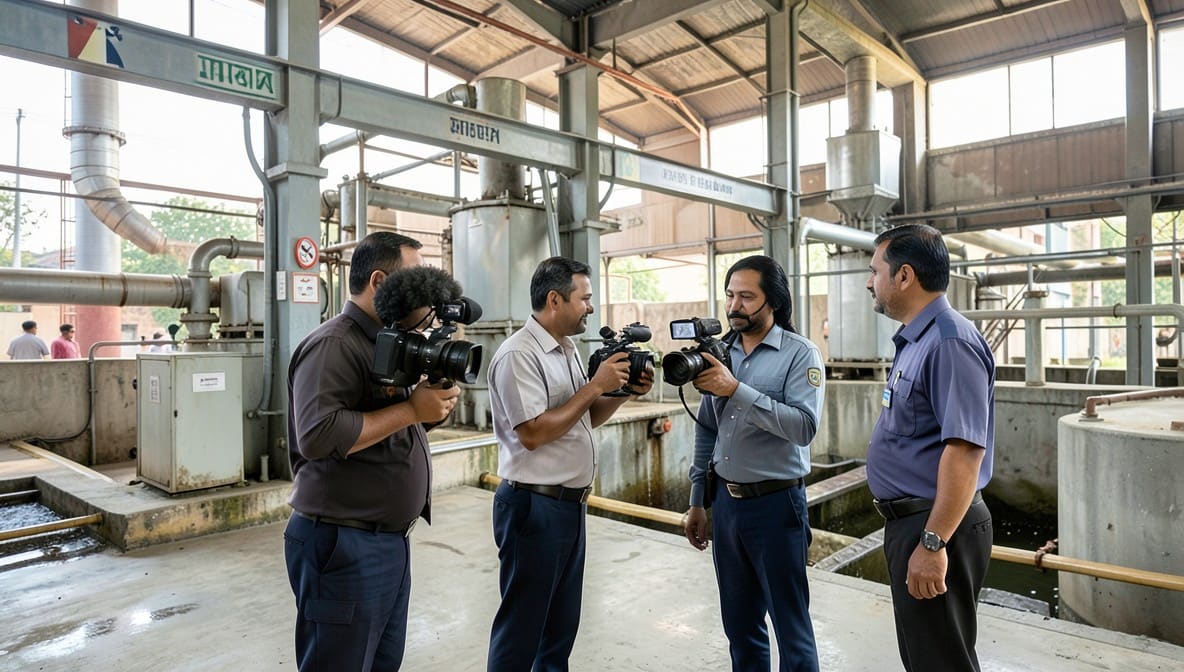
Mandate for Videography: The Court directed that videography of the entire inspection process is mandatory to ensure transparency. The BSPCB must provide a pen drive of the inspection along with the inspection report to the petitioner.
"From now on, it will be mandatory for the Bihar State Pollution Control Board to do the videography of the entire movement of their officials from the visit to the premises/inspection till the report is prepared, signed and they leave the place. This is needed for the complete transparency both on the part of the person/premises where the visit/inspection takes place as also ‘the Board’ to show their bona-fide that they have acted in accordance with law. ‘The Board’ shall be duty bound to provide pen drive of the inspection alongwith the inspection report."
-
Compliance with Water Act: The Court reiterated that inspections must be conducted in accordance with the Water (Prevention & Control of Pollution) Act, 1974, ensuring the presence of the petitioner's representative during the inspection.
The Verdict
The Court allowed the writ petition and:
- Quashed the compensation order dated 27.08.2025 (Ref. No. 285955) and the show-cause notice dated 03.04.2025 (Ref. No. 224633)
- Directed the BSPCB to re-inspect the petitioner's premises with the following conditions:
- The petitioner's representative must be present during the inspection
- The entire inspection must be videographed without interruption
- The inspection report and pen drive must be provided to the petitioner immediately
- Disposed of the writ petition with the above directions
What This Means For Similar Cases
Transparency in Environmental Inspections Is Non-Negotiable
- Videography Mandated: The judgment establishes that videography of inspections is not merely a best practice but a legal requirement for transparency. Practitioners should argue that any inspection conducted without videography is procedurally flawed and liable to be set aside
- Report Disclosure: The BSPCB is now duty-bound to provide the inspection report and pen drive to the inspected party. Failure to do so violates natural justice and can be grounds for quashing compensation orders
Natural Justice Applies to Administrative Actions
- Right to Representation: The Court emphasized that inspections must be conducted in the presence of the inspected party's representative. This aligns with the principle that no person should be condemned unheard
- Burden on Regulatory Bodies: Regulatory bodies like the BSPCB must ensure procedural compliance before imposing penalties. Non-compliance with due process can render orders null and void
Re-Inspection Directions Set a Precedent
- Opportunity for Compliance: The Court's direction for re-inspection provides an opportunity for the petitioner to rectify any lapses and present its case afresh. Similar cases can cite this judgment to seek re-inspection where procedural irregularities are alleged
- Judicial Oversight: The judgment underscores the judiciary's role in overseeing regulatory actions, ensuring that administrative bodies do not act arbitrarily or without transparency
Practitioners should note that this judgment strengthens the rights of entities subject to environmental inspections, mandating strict adherence to procedural fairness and transparency.