The Allahabad High Court has affirmed that the statutory duty of municipal authorities to demolish structurally dangerous buildings supersedes private tenancy disputes, even where tenants have pending civil litigation. This ruling reinforces public safety as the paramount concern under urban building regulations, setting a clear precedent for handling hazardous structures across Uttar Pradesh.
Background & Facts
The Dispute
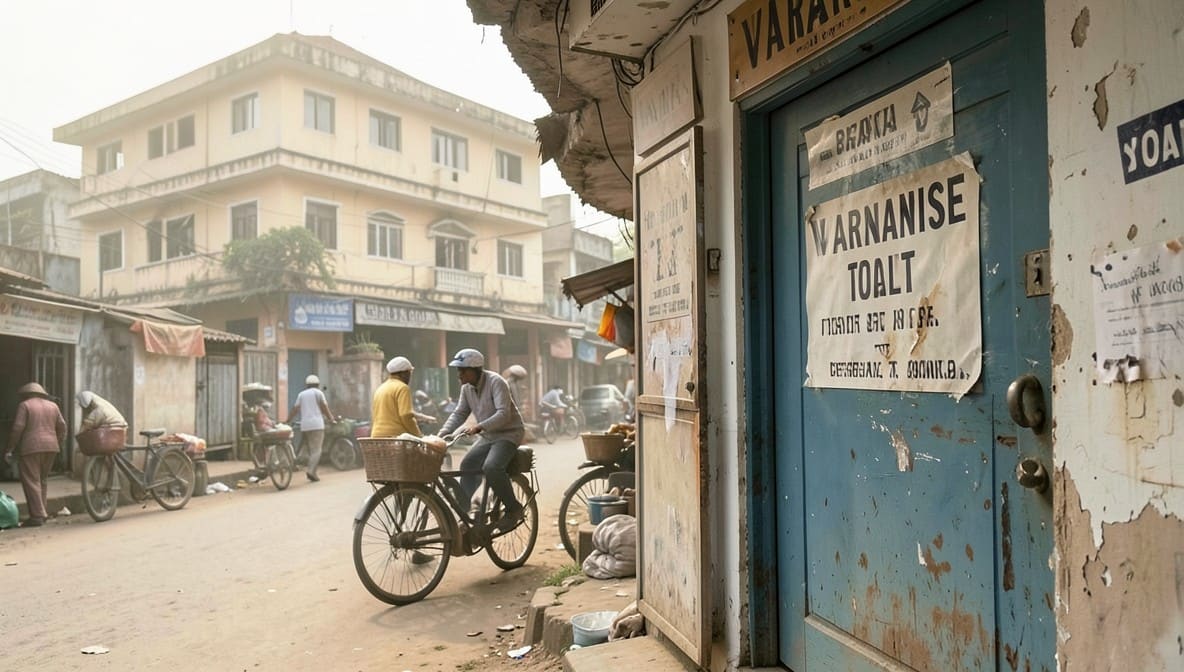
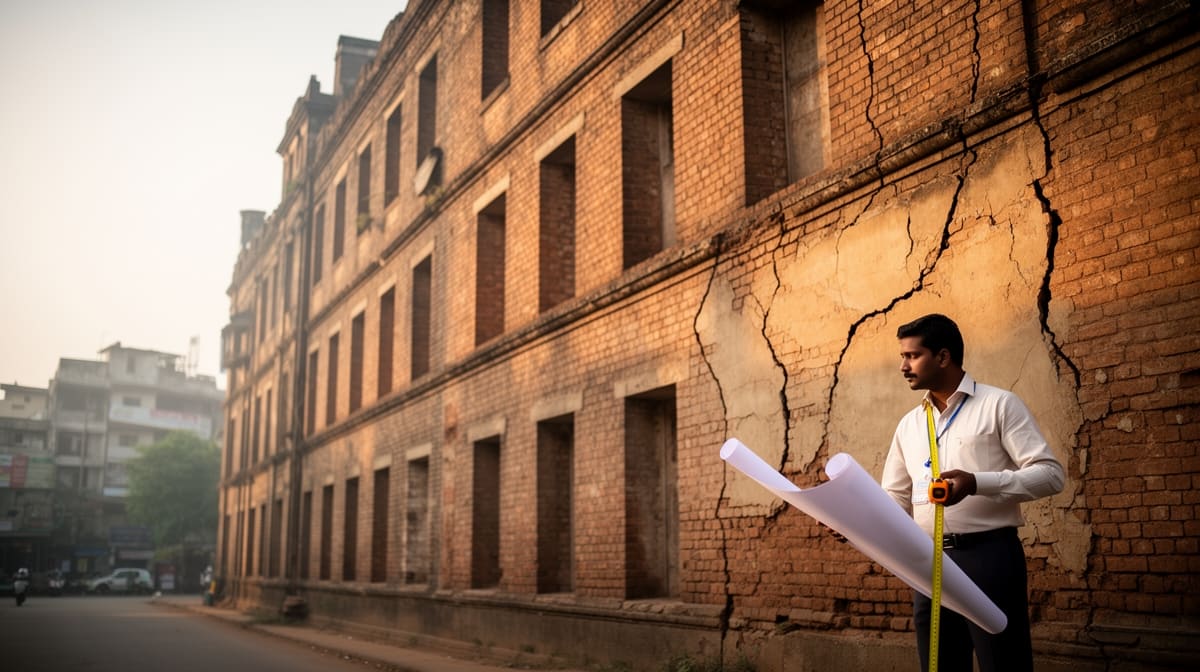
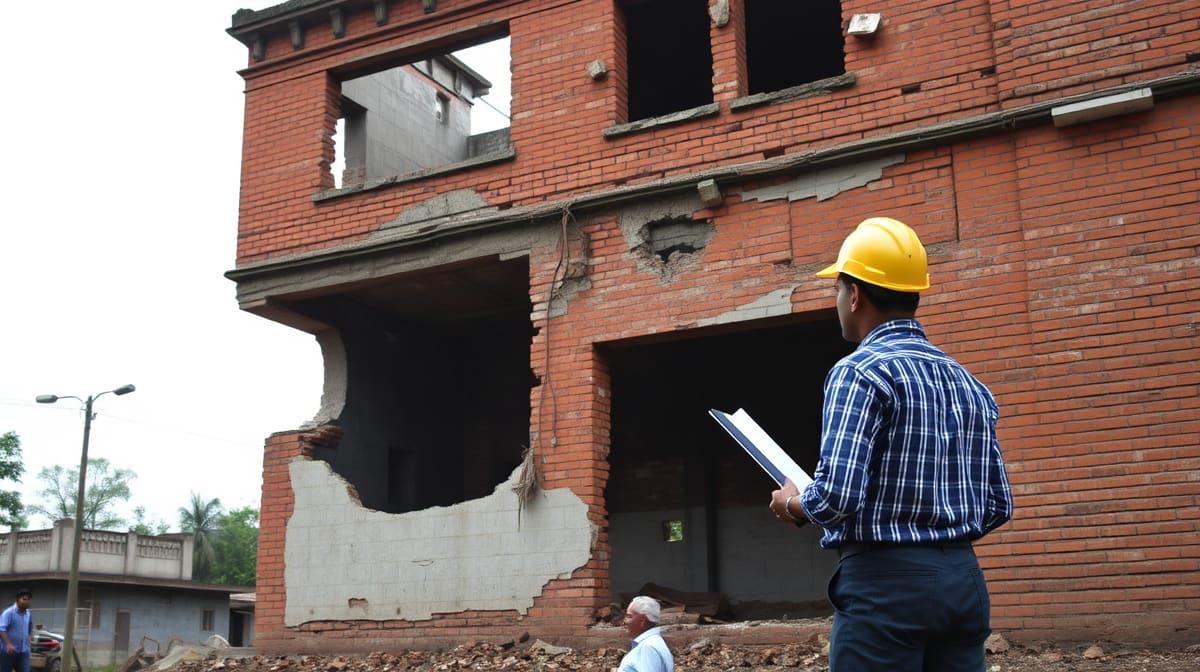
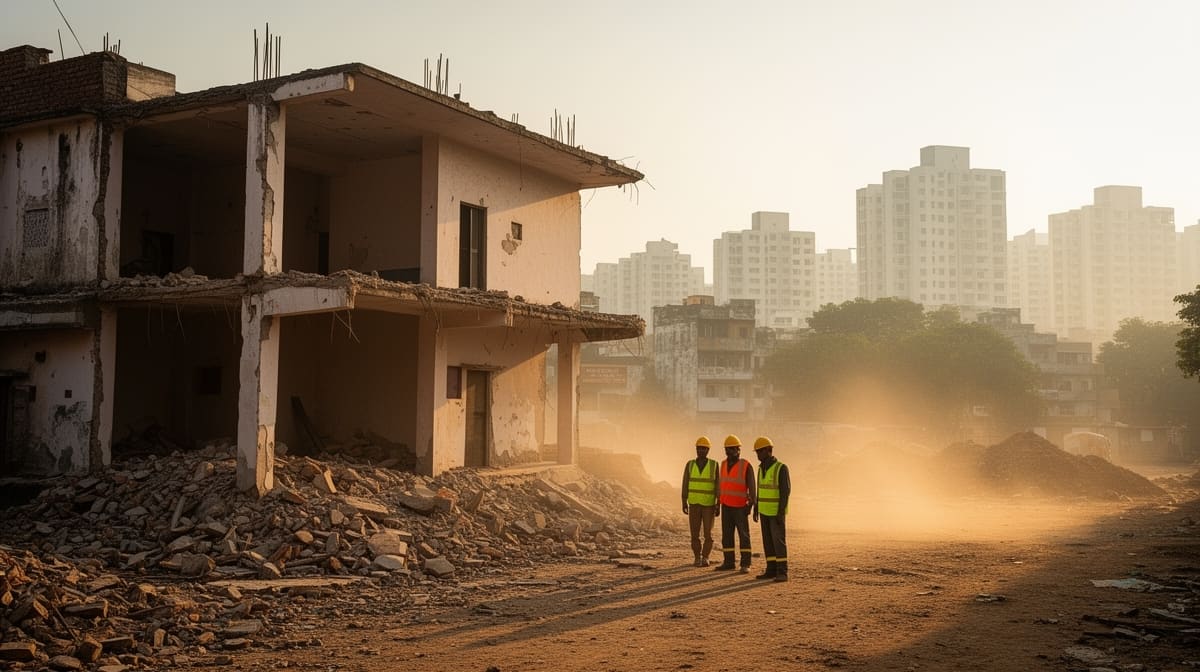
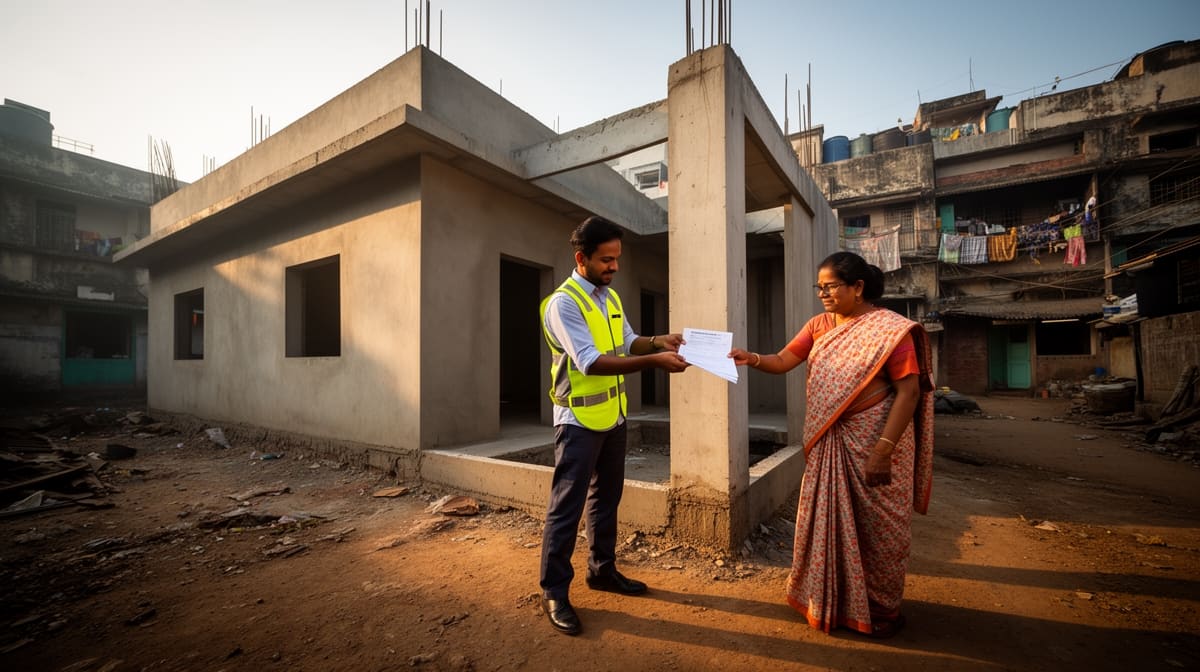
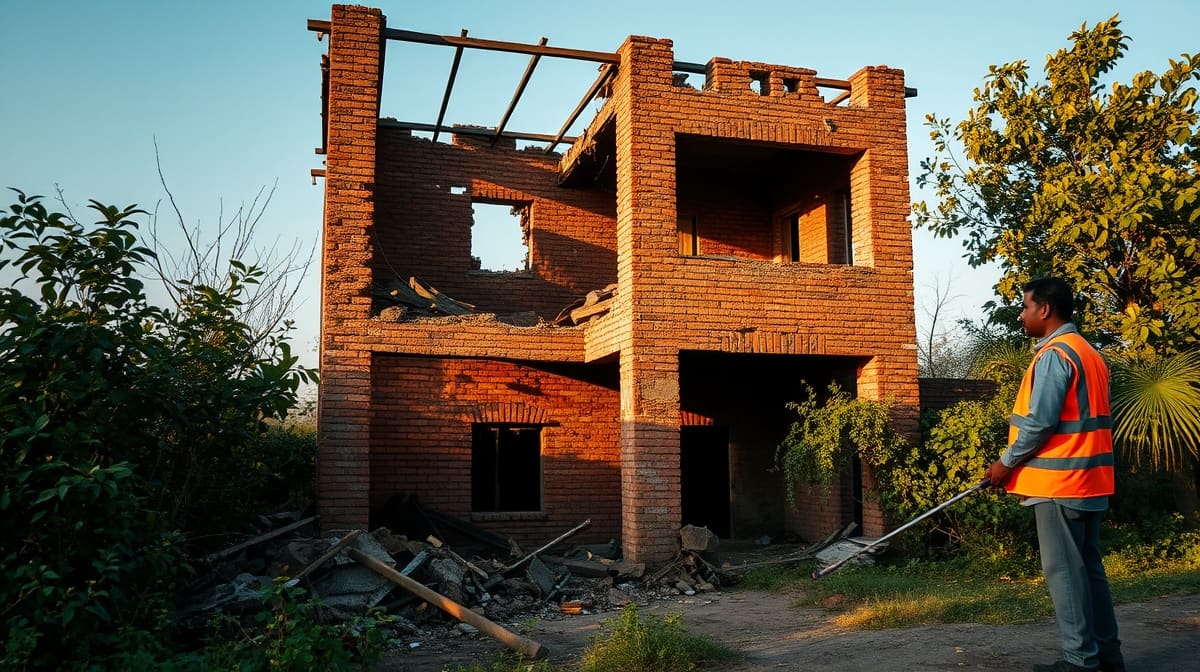
The petitioners, Hemant Garg and another, are the owners of a 65-year-old building in Babrala, District Sambhal, Uttar Pradesh, which has deteriorated to a state of severe structural instability. The building poses a demonstrable risk to life and property. On 21.01.2021, the Executive Officer, Nagar Panchayat Babrala (Respondent No. 4), issued a notice directing the petitioners to demolish the structure due to its dilapidated condition. The petitioners responded on 14.02.2021 via letter, acknowledging the danger but stating they lacked financial resources to undertake demolition themselves. They requested that the Nagar Panchayat carry out the demolition at their cost. Despite repeated written requests to the Nagar Panchayat and District Administration (Respondent No. 3), no action was taken.
Key Facts
- The building is approximately 65 years old and in a ruinous, unsafe condition
- Notice of demolition issued by Executive Officer, Nagar Panchayat Babrala on 21.01.2021
- Petitioners’ response dated 14.02.2021 offering to bear demolition costs if executed by authorities
- Multiple subsequent requests made to Respondent No. 3 (District Administration) between February 2021 and filing of petition
- Tenant Virendra has filed Original Suit No. 65 of 2023 for permanent injunction, but no interim order restraining demolition has been granted
- No evidence of any repair, reinforcement, or safety measures undertaken by owners or tenants
Procedural History
- 21.01.2021: Demolition notice issued by Executive Officer, Nagar Panchayat Babrala
- 14.02.2021: Petitioners respond offering to bear costs if authorities execute demolition
- Between February 2021 and March 2026: Repeated written requests to Respondent Nos. 3 and 4 remain unaddressed
- 20.02.2026: Judgment delivered in Mukteshwar Mahadev Mukteshwari Durga Dharmath Seva Samiti v. State of U.P. (Writ C No. 3256 of 2026), establishing legal principles on demolition of dangerous structures
- 15.04.2026: Writ Petition No. 18197 of 2026 filed before the Allahabad High Court
- 29.05.2026: Judgment delivered by Division Bench
The Parties' Positions
Petitioners: Argued that they are willing to bear the cost of demolition but lack the technical and logistical capacity to execute it. They sought a direction to the Nagar Panchayat to carry out the demolition and to the District Magistrate to provide police force for safe execution.
Respondents: Did not contest the dangerous condition of the building. Respondent Nos. 1, 2 and 5 (State and District Magistrate) did not oppose the petition. Respondent Nos. 3 and 4 (District Administration and Nagar Panchayat) did not file a detailed counter, but implicitly resisted action by inaction.
Relief Sought
The petitioners sought:
- A direction to the Executive Officer, Nagar Panchayat Babrala, to demolish the building at the petitioners’ cost
- A direction to the District Magistrate, Sambhal, to provide police force during demolition
- Assurance that the demolition would proceed without delay despite pending civil litigation by the tenant
The Legal Issue
The central question was whether the statutory duty of a municipal authority to demolish a dangerous structure can be delayed or obstructed by the existence of a pending civil suit by a tenant, and whether the owner’s willingness to bear costs obligates the authority to act.
Arguments Presented
For the Petitioner
The petitioners relied on the recent judgment of this Court in Mukteshwar Mahadev Mukteshwari Durga Dharmath Seva Samiti v. State of U.P. (Writ C No. 3256 of 2026), which held that public safety under the Uttar Pradesh Municipal Corporation Act, 1959, overrides private tenancy rights. They argued that their repeated requests and willingness to pay for demolition constituted sufficient compliance, and that the authority’s inaction violated the duty to protect life under Article 21 of the Constitution. They emphasized that the tenant had not obtained any interim injunction, and therefore, no legal bar existed to demolition.
For the Respondent
The respondents did not file substantive opposition. The standing counsel for Respondent Nos. 1, 2 and 5 did not contest the petition. Counsel for Respondent Nos. 3 and 4 appeared but did not dispute the dangerous condition of the building or the legal principles cited. The absence of a formal counter-affidavit indicated tacit acceptance of the petitioners’ position.
The Court's Analysis
The Court examined the judgment in Mukteshwar Mahadev Mukteshwari Durga Dharmath Seva Samiti v. State of U.P. and found its reasoning directly applicable. The Court noted that the building’s age and structural condition posed an imminent threat to public safety, and that the existence of a civil suit by a tenant did not create a legal impediment to demolition in the absence of an interim order.
"The applicable scheme under the Act, 1959 for protection of life of individuals on account of building being dilapidated and posing threat to life of individuals will have to be given primacy over the protection of tenancy rights of individual applicants."
The Court held that the right to life under Article 21 imposes a non-negotiable duty on municipal authorities to act expeditiously in cases of hazardous structures. The petitioners’ offer to bear the cost was not merely a gesture but a legally sufficient condition for the authority to proceed. The Court emphasized that procedural fairness requires only that occupants be given reasonable opportunity to remove personal belongings - a requirement that could be fulfilled during the demolition process without delaying the action.
The Court further clarified that the tenant’s pending suit for permanent injunction, without any stay, remains a civil dispute that cannot override the statutory mandate to protect public safety. The Tenancy Act, 2021, provides remedies for tenants post-demolition, including compensation or alternative accommodation, but does not grant a right to obstruct demolition of a dangerous structure.
The Verdict
The writ petition is allowed. The Executive Officer, Nagar Panchayat Babrala, is directed to inform the petitioners of the estimated expenditure for demolition within one week from the date of production of the certified copy of this order. The petitioners shall deposit the amount so communicated within two weeks thereafter. Upon deposit, the Nagar Panchayat shall complete the demolition within two months. The District Magistrate, Sambhal, is directed to provide necessary police assistance during the demolition. The petitioners shall bear all costs of demolition.
What This Means For Similar Cases
Municipal Duty to Demolish Is Non-Discretionary
- Practitioners must now argue that inaction by Nagar Panchayats or Municipal Bodies on dangerous structures constitutes a violation of Article 21
- A willingness by owners to pay for demolition removes any pretext for delay - authorities cannot claim lack of funds as an excuse
- No pending civil suit by a tenant, absent a court stay, can legally halt demolition
Tenants Have Remedies Post-Demolition, Not Pre-Demolition
- Tenants cannot use civil litigation to block demolition of hazardous buildings
- Remedies under the Tenancy Act, 2021, including compensation or relocation, are available after demolition
- Courts will not entertain claims of "loss of tenancy" as grounds to delay life-saving demolition
Police Support Is Mandatory for Execution
- District Magistrates must provide police cover during demolition of dangerous structures to prevent obstruction
- Failure to provide police assistance may render the authority liable for negligence under Article 21
- This direction is binding on all districts in Uttar Pradesh