The Bombay High Court has signaled a pragmatic approach to equitable relief in stalled real estate projects, holding that prolonged delay alone cannot defeat interim remedies when statutory violations - such as fire safety non-compliance - endanger public interest and investor rights. The order underscores that courts may intervene to prevent irreparable harm even where plaintiffs have waited decades for project completion.
Background & Facts
The Dispute
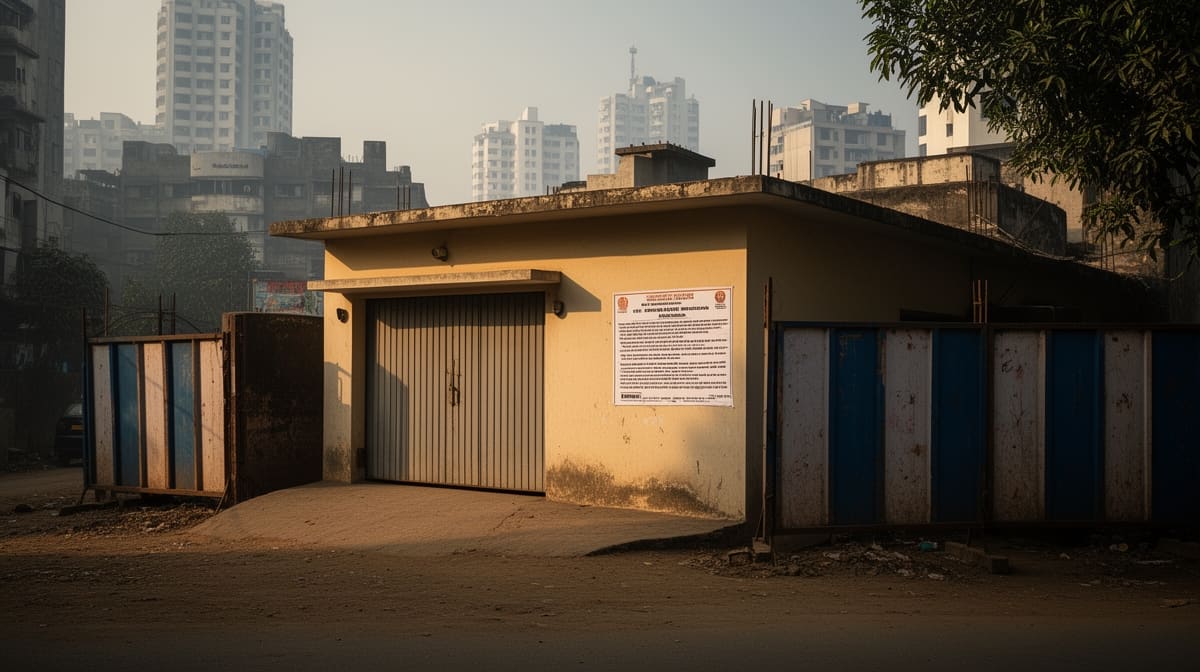
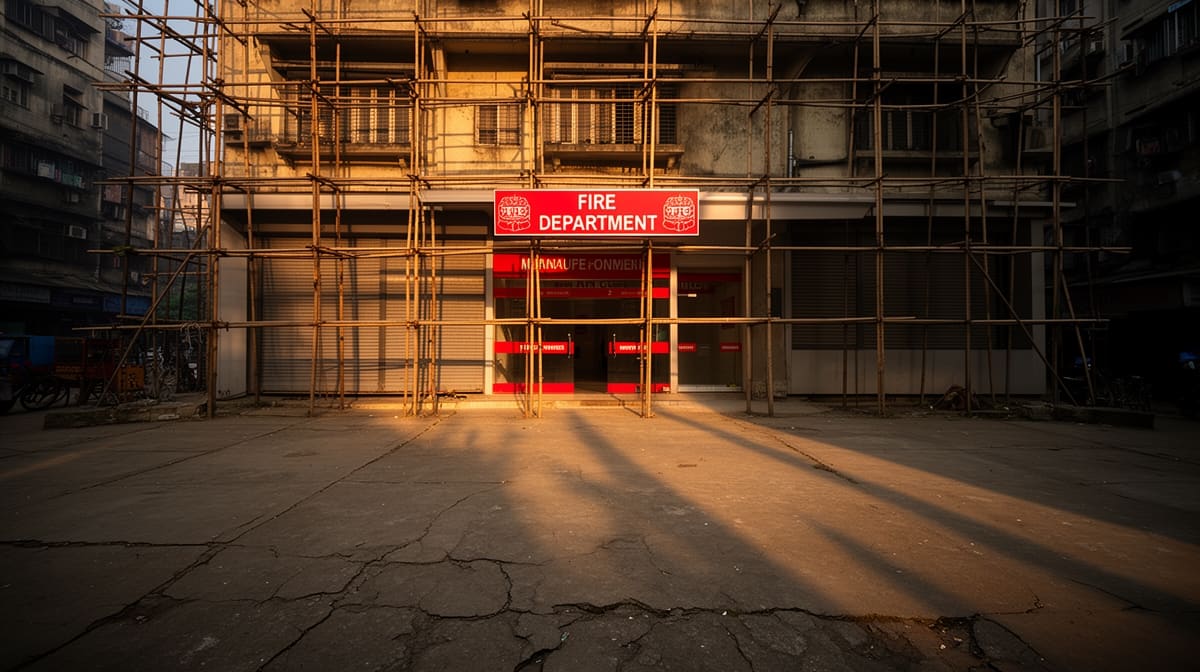
The plaintiffs, comprising a group of investors, hold nearly 50% ownership in commercial units of a commercial project initiated in 1982 by Defendant No. 1, JMS Realty. Despite the project’s long gestation, construction remained incomplete for over four decades. In October 2025, a major fire destroyed several units. Although the plaintiffs had been given physical possession, the official occupation certificate had not been issued. Post-fire inspections by the fire brigade and municipal corporation revealed serious breaches of fire safety norms, leading to the sealing of the entire building.
Procedural History
- The suit was filed in 2026 seeking urgent interim relief to unseal the building and enable completion of the project.
- Plaintiffs argued that continued sealing serves no purpose since the structure is otherwise complete and their financial interests are at stake.
- No prior litigation or formal complaint regarding the delay had been filed by the plaintiffs, though they claimed repeated verbal requests to the developer.
Relief Sought
The plaintiffs sought:
- Immediate unsealing of the building to allow resumption of construction and compliance work.
- Direction to the fire brigade and municipal corporation to cooperate in facilitating safety upgrades.
- An order permitting them to proceed with necessary repairs and obtain statutory clearances without further obstruction.
The Legal Issue
The central question was whether delay and laches can bar the grant of interim relief under Section 151 of the Code of Civil Procedure when statutory violations - such as non-compliance with fire safety norms - pose ongoing risks to public safety and substantial financial interests.
Arguments Presented
For the Petitioner
Mr. Tushar Gujjar, counsel for the plaintiffs, argued that:
- The doctrine of laches applies only where the delay prejudices the defendant or results in loss of evidence; here, the defendants had not demonstrated any such prejudice.
- The fire incident and subsequent sealing were direct consequences of the developer’s failure to comply with mandatory building and fire safety regulations, which are statutory obligations.
- The plaintiffs’ investment of nearly half the project’s commercial units constitutes a substantial stake warranting equitable intervention.
- The court’s inherent power under Section 151 CPC permits interim relief to prevent irreparable harm and ensure justice, even in delayed cases.
For the Respondent
The respondents did not appear or file written submissions. The court noted their absence and treated it as non-opposition to the prayer, though it proceeded to evaluate the merits independently.
The Court's Analysis
The Court acknowledged the plaintiffs’ prolonged delay in initiating litigation but emphasized that delay alone is not a disqualifying factor when the subject matter involves statutory violations affecting public safety. The court observed:
"The building has been sealed by statutory authorities due to non-compliance with fire safety norms. To permit such a structure to remain sealed indefinitely, while the plaintiffs have already invested heavily and the project is otherwise complete, would be to perpetuate a state of legal and physical limbo that serves no public or private interest."
The Court distinguished between laches as a defense to permanent relief and the court’s discretionary power to grant interim measures to preserve the status quo or prevent irreparable harm. It held that Section 151 CPC empowers courts to act in the interest of justice, particularly where statutory authorities have already identified violations requiring remediation. The court further noted that the plaintiffs’ interest in 39 out of 120 units was not speculative but concrete and substantial, warranting protection.
The Court also rejected the notion that the plaintiffs’ inaction over decades negated their right to seek corrective measures now, especially since the fire incident created a new and urgent legal and safety imperative.
The Verdict
The plaintiffs succeeded. The Court issued notice to the defendants, particularly the fire brigade and municipal corporation, and directed them to respond to the prayer for unsealing and facilitating compliance. The interim relief sought was not granted outright but was made conditional upon the defendants’ response, ensuring due process while recognizing the urgency.
What This Means For Similar Cases
Delay Does Not Automatically Bar Interim Relief
- Practitioners may now argue that prolonged inaction does not preclude interim remedies under Section 151 CPC if a new, urgent harm arises - such as statutory sealing due to safety violations.
- Courts are likely to prioritize public safety and statutory compliance over technical delays, especially in real estate projects with significant investor participation.
Statutory Violations Trump Equitable Defenses
- When authorities have already identified non-compliance with building or fire codes, courts may treat such violations as independent grounds for intervention, irrespective of prior delay.
- Plaintiffs should document all communications with statutory bodies and developers to establish that the delay was not due to negligence but systemic obstruction.
Interim Relief Can Be Conditional and Procedural
-
Courts may issue notices and direct responses rather than grant immediate relief, preserving procedural fairness while acknowledging urgency.
-
Practitioners must ensure service of orders is properly documented with affidavits of service, as the court explicitly mandated in this case.
-
File affidavits of service with tangible proof (e.g., WhatsApp receipts, courier slips, email logs)
-
Highlight statutory notices issued by authorities as independent triggers for judicial intervention
-
Frame interim applications around preventing irreparable harm, not merely recovering lost time