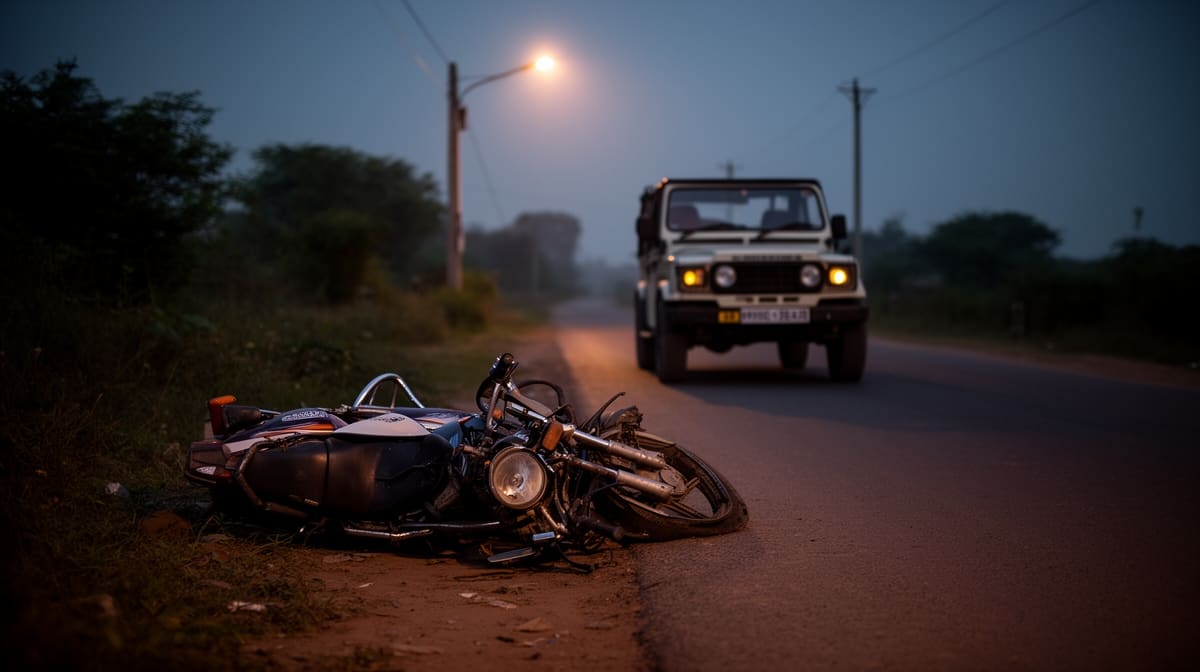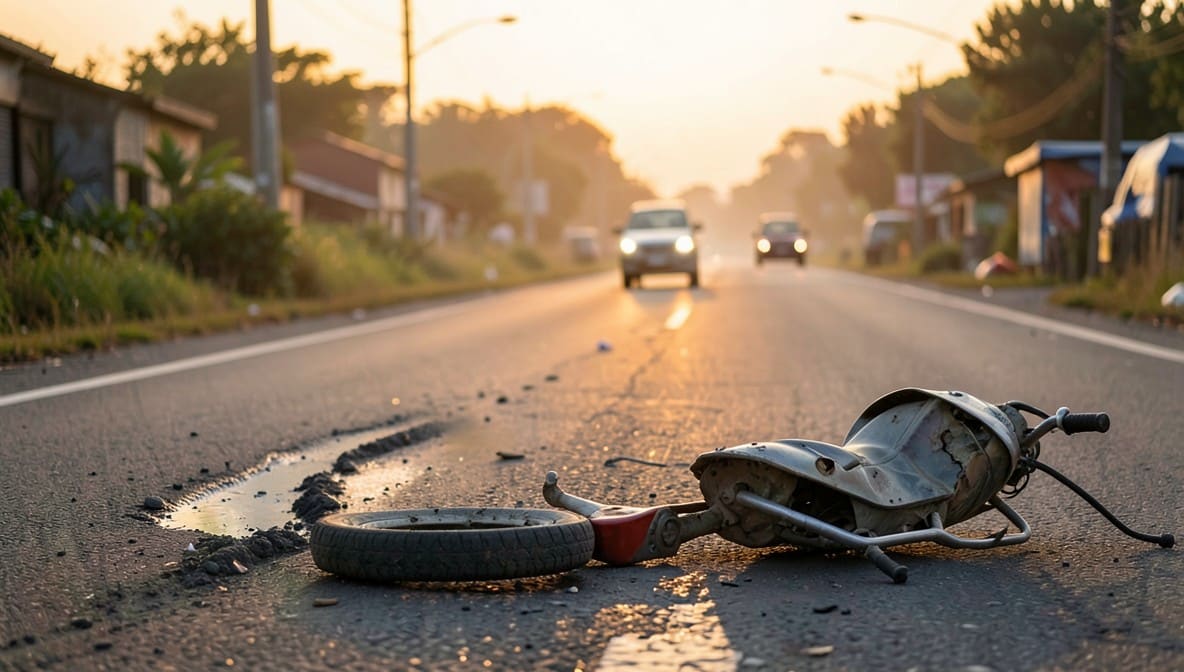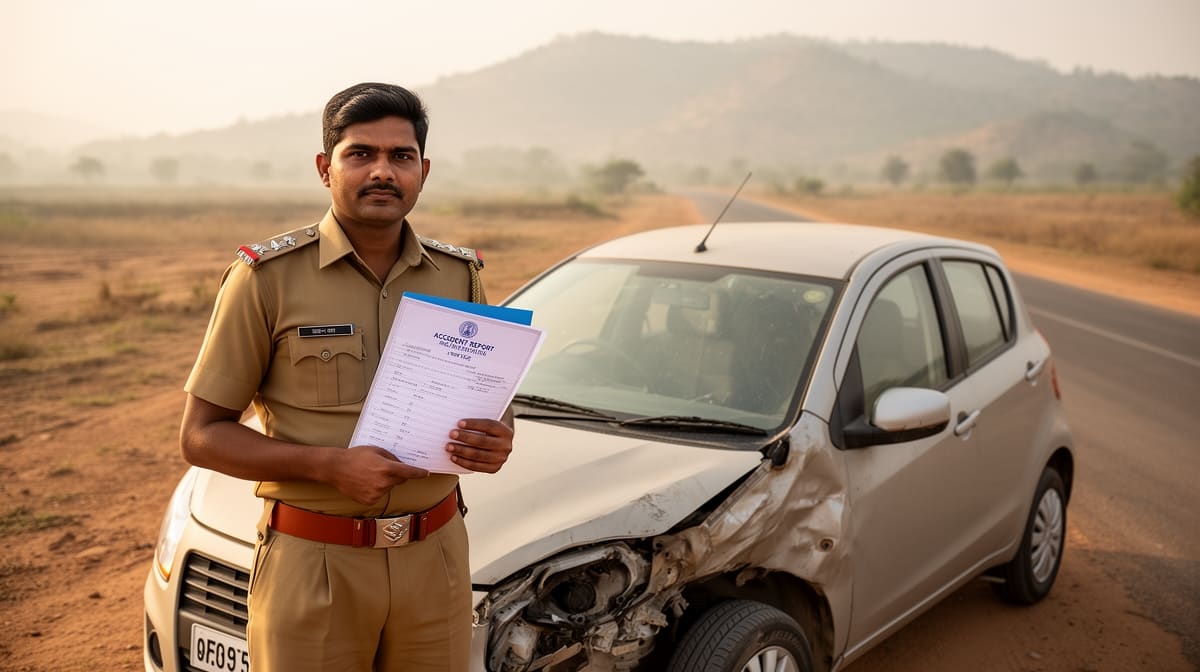
The Bombay High Court has reaffirmed that insurance companies cannot evade liability in motor accident claims merely due to delayed reporting or absence of direct eyewitnesses, where circumstantial evidence, investigative findings, and the insured party’s own admission collectively establish involvement. This ruling reinforces the principle that compensation tribunals are empowered to assess probability over strict evidentiary standards in accident cases.
Background & Facts
The Dispute
The claim arose from a fatal road accident on 21 December 2010, when Chandrabhan Shirsath, a college professor, was riding his motorcycle on the Shirpur-Sulwade Road and was struck by a truck. He succumbed to his injuries. The claimants, his legal heirs, filed a compensation petition under Section 166 of the Motor Vehicles Act, 1988, naming the truck’s owner, driver, and insurer - Bajaj Allianz General Insurance Co. Ltd. - as respondents.
Procedural History
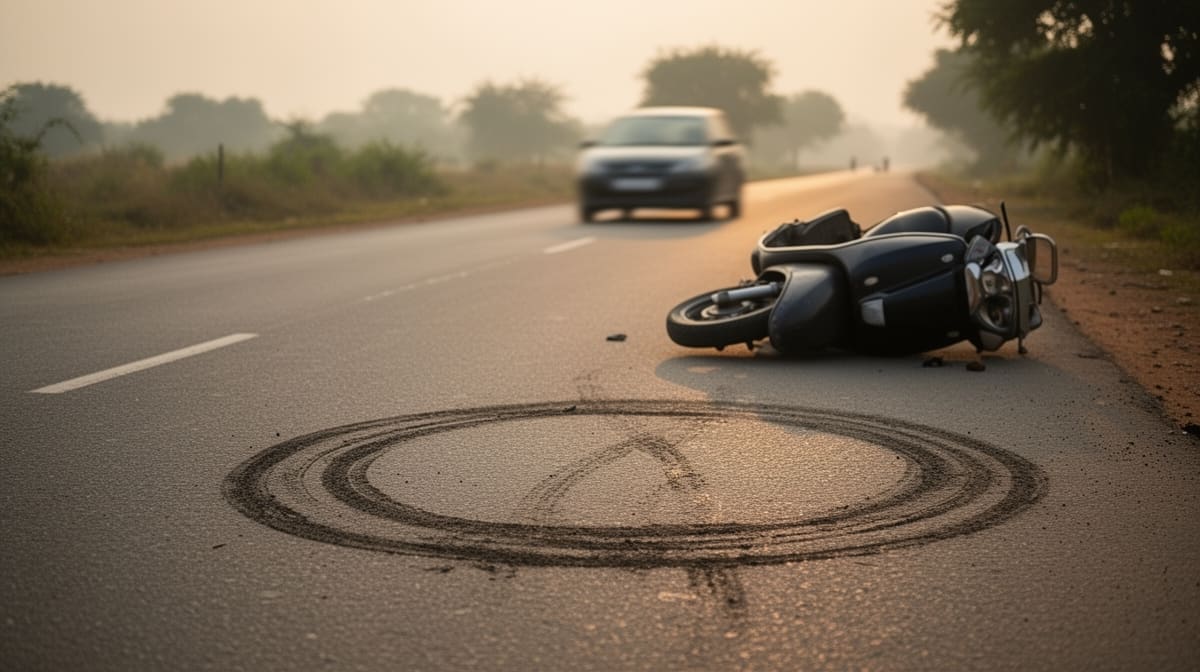
- 21 December 2010: Accident occurred; patrolling officer filed a khabar noting a motorcycle lying on the road with an injured rider, but no vehicle identified.
- 23 December 2010: FIR registered, naming an "unknown vehicle."
- 25 December 2010: Witness Manoj Wagh provided a statement identifying the truck as MH-18-M-4652, owned by respondent no. 2.
- 25 May 2011: Charge sheet filed, incorporating witness statements and forensic evidence.
- 7 December 2015: Motor Accident Claims Tribunal awarded compensation of Rs. 49,06,412/- with 8% interest.
- 2016: Insurance company filed First Appeal challenging the award on grounds of non-involvement.
Relief Sought
The claimants sought full compensation for loss of dependency, medical expenses, and funeral costs. The insurer sought to overturn the award, arguing that the truck’s involvement was unproven and that witness statements were fabricated.
The Legal Issue
The central question was whether insurance liability under Section 166 of the Motor Vehicles Act can be negated solely on the basis of delayed FIR, absence of immediate eyewitnesses, or alleged inconsistencies in witness testimony, when other circumstantial evidence - including the owner’s non-denial and forensic panchanama - supports involvement.
Arguments Presented
For the Appellant
The insurer contended that the truck’s involvement was not established. It relied on:
- Delayed FIR and witness statements (recorded two days after the accident).
- Lack of brake marks in the spot panchanama, contradicting witness claims of sudden braking.
- Alleged fabrication by witnesses Manoj Wagh and Pramod Pawar, who were acquaintances of the deceased.
- Reliance on Sithara N.S. v. Sai Ram General Insurance, Vanita v. Shriram Insurance, and HDFC ERGO v. Ramesh Chemte to argue that mere mention of a vehicle number without corroboration is insufficient.
For the Respondent
The claimants argued that:
- The truck owner’s written statement did not deny involvement but only pleaded contributory negligence.
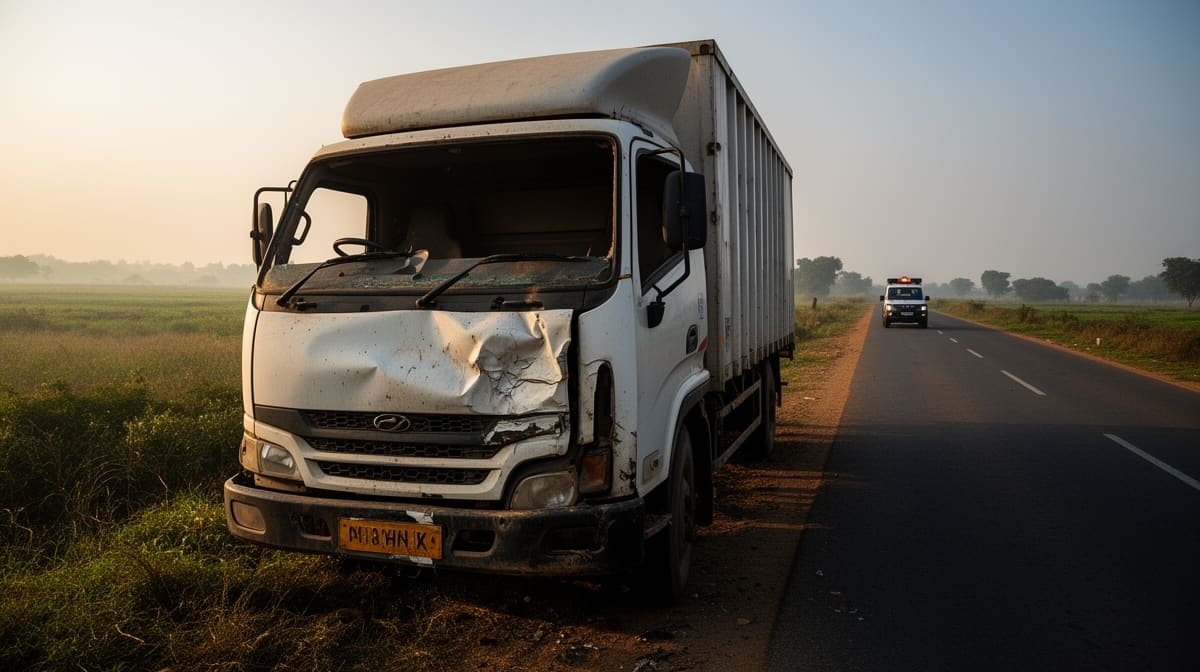
- The panchanama of the truck revealed dents consistent with impact.
- Witnesses provided plausible explanations for delay: they learned of the accident only after hearing of the death and promptly reported to police.
- In motor accident claims, the standard of proof is relaxed, and findings based on preponderance of probabilities must be upheld.
- The insurer failed to adduce any rebuttal evidence.
The Court's Analysis
The Court examined the totality of evidence and rejected the insurer’s attempt to dismiss the claim on technical grounds. It emphasized that motor accident claims are quasi-civil proceedings where rigid rules of evidence do not apply, and the tribunal’s role is to determine liability based on probability.
"Mere typographical mistake in the date itself would not be sufficient to discard other above discussed evidence."
The Court noted that the truck owner’s written statement, while denying negligence, did not dispute the truck’s presence at the scene. This non-denial, coupled with the forensic panchanama showing impact damage on the truck’s bonnet, formed a critical evidentiary link. The Court further held that the witnesses’ delay in reporting was not unnatural, given they were unaware of the fatality until days later and acted promptly upon learning of it.
The Court distinguished the cited precedents:
- In Sithara N.S., the vehicle was recovered after 1.5 months with no forensic link.
- In Vanita, the vehicle was not clearly identified in the inquest panchanama.
- In HDFC ERGO, no eyewitnesses provided vehicle details and no station diary corroborated the claim.
Here, by contrast, the vehicle was seized promptly, its damage documented, and two independent witnesses provided consistent accounts corroborated by the charge sheet and the owner’s conduct.
The Court concluded that the tribunal’s finding was neither perverse nor unsupported, and that the insurer’s failure to adduce contrary evidence rendered its denial legally unsustainable.
The Verdict
The appeal was dismissed. The Court upheld the tribunal’s award of Rs. 49,06,412/- with 8% interest. It held that insurance liability is established when circumstantial evidence, owner’s non-denial, and forensic findings collectively support involvement, even in the absence of direct eyewitnesses or immediate FIR.
What This Means For Similar Cases
Circumstantial Evidence Can Sustain Liability
- Practitioners must now argue that delayed witness statements do not automatically invalidate claims if explanations are plausible and corroborated by other evidence.
- Insurers cannot rely on technicalities alone; they must actively rebut evidence with independent proof.
- Tribunals are entitled to rely on the preponderance of probabilities in accident cases.
Owner’s Non-Denial Is a Critical Factor
- When the insured owner admits the vehicle’s presence at the scene - even while denying negligence - the insurer’s blanket denial of involvement becomes legally untenable.
- Written statements must be scrutinized for implied admissions; silence on key facts may constitute acquiescence.
Forensic Evidence Trumps Oral Contradictions
- Panchanamas showing physical damage to the vehicle carry substantial weight.
- Absence of brake marks or minor inconsistencies in witness accounts do not override corroborative physical evidence.
- Practitioners should prioritize securing and presenting forensic reports early in litigation.