The Bombay High Court has reaffirmed that in claims under the Motor Vehicles Act, the standard of proof is not equivalent to that in criminal trials. A credible witness account, even if marred by minor inconsistencies or delayed reporting, can sustain a finding of liability if it remains unshaken in cross-examination. This decision clarifies the evidentiary threshold for claimants seeking compensation from insurers.
Background & Facts
The Dispute
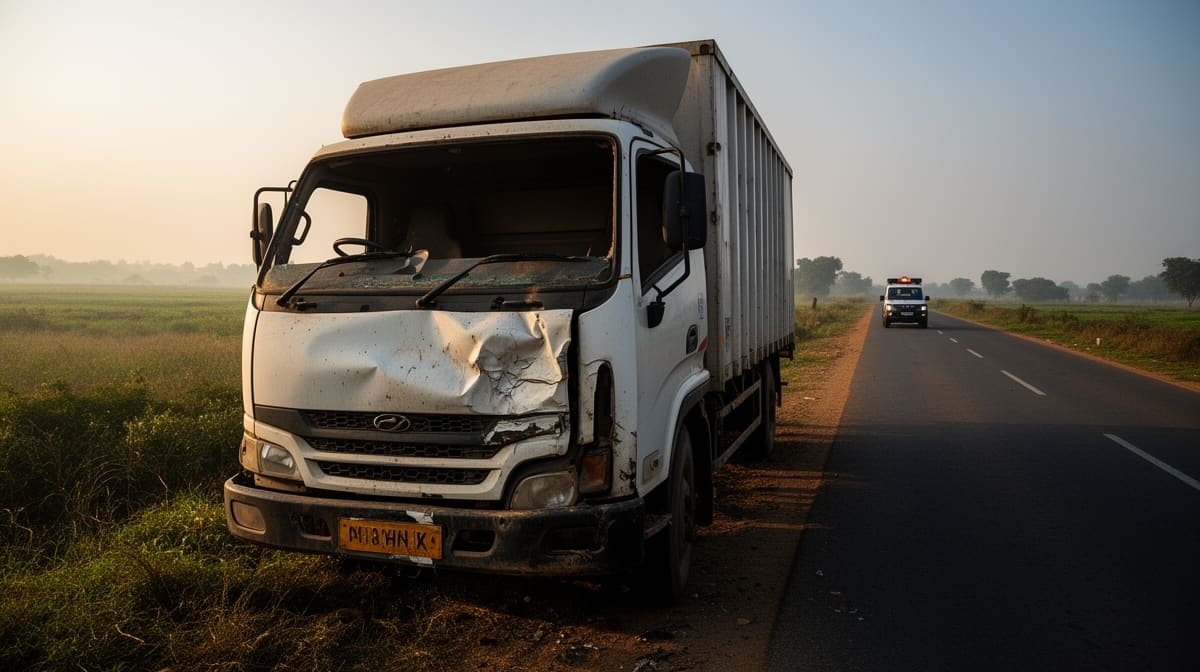
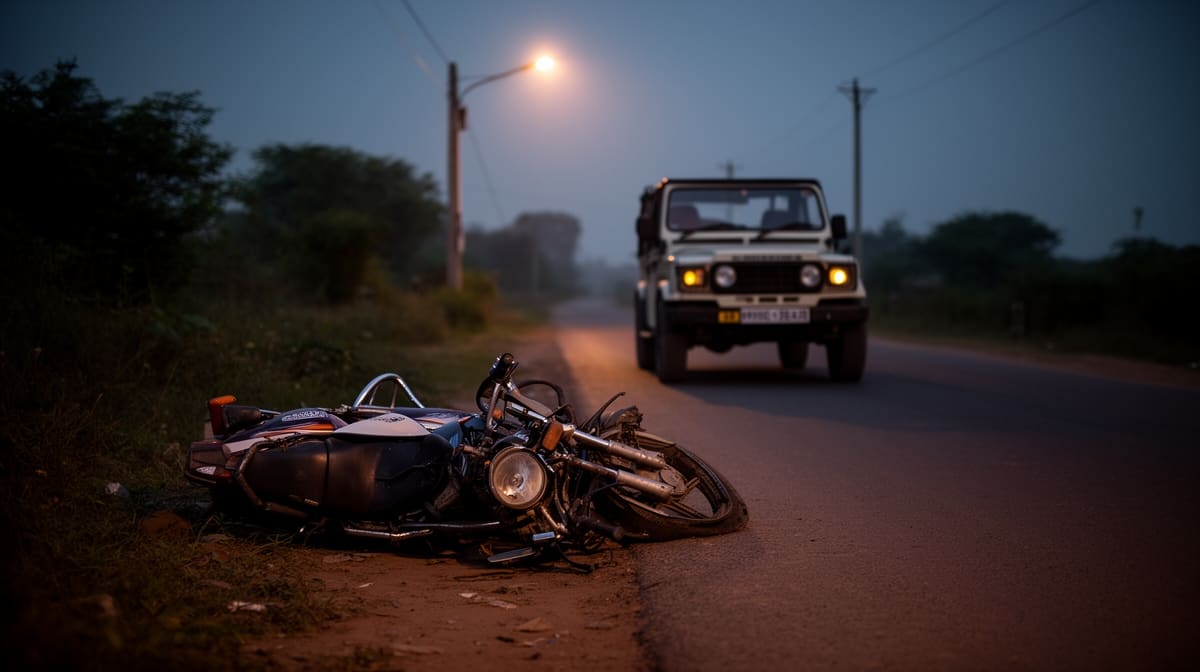
On 6 December 2007, Ramdas Bhamburkar, a police officer, was killed when his motorcycle was struck by a jeep bearing registration number MH-32/C-26. The vehicle was owned by Respondent No. 4 and insured with the Appellant, Bajaj Allianz General Insurance Co. Ltd. The accident was reported to police, and an FIR was registered under the Indian Penal Code and the Motor Vehicles Act. The deceased’s widow and son filed a claim petition before the Motor Accident Claims Tribunal, Amravati.
Procedural History
- 2008: Claim Petition No. 173/2008 filed before the Motor Accident Claims Tribunal
- 2012: Tribunal awarded Rs. 11,90,188/- to the claimants based on testimonial evidence
- 2015: Insurance Company filed First Appeal No. 790/2015 challenging the award
- 2026: Bombay High Court heard the appeal and dismissed it
Relief Sought
The Appellant sought to set aside the Tribunal’s award, arguing that the claimants failed to establish the jeep’s involvement in the accident. The claimants sought confirmation of the award and payment of compensation with interest.
The Legal Issue
The central question was whether the burden of proving involvement of the insured vehicle in a motor accident under the Motor Vehicles Act requires corroboration or strict criminal standard of proof, or whether a credible, unshaken witness testimony suffices despite procedural delays or inconsistencies.
Arguments Presented
For the Appellant
The Insurance Company contended that the claimants failed to establish the jeep’s involvement. It highlighted that PW 4, who claimed to have been in the jeep at the time of the accident, did not report the incident immediately and waited one and a half months before approaching police. The appellant argued that this delay, coupled with the failure to examine the mechanic who allegedly repaired the vehicle, rendered the evidence unreliable. It relied on principles from State of Maharashtra v. Suresh to argue that unexplained delays vitiate claims.
For the Respondent/Claimants
The claimants argued that the Motor Vehicles Act is a social welfare legislation, and the standard of proof is lower than in criminal cases. They emphasized that PW 4’s testimony remained unshaken in cross-examination and that the Tribunal had rightly accepted his account. They further pointed out that efforts were made to summon the mechanic, but his premises had been demolished and he could not be located, making his non-examination unavoidable.
The Court's Analysis
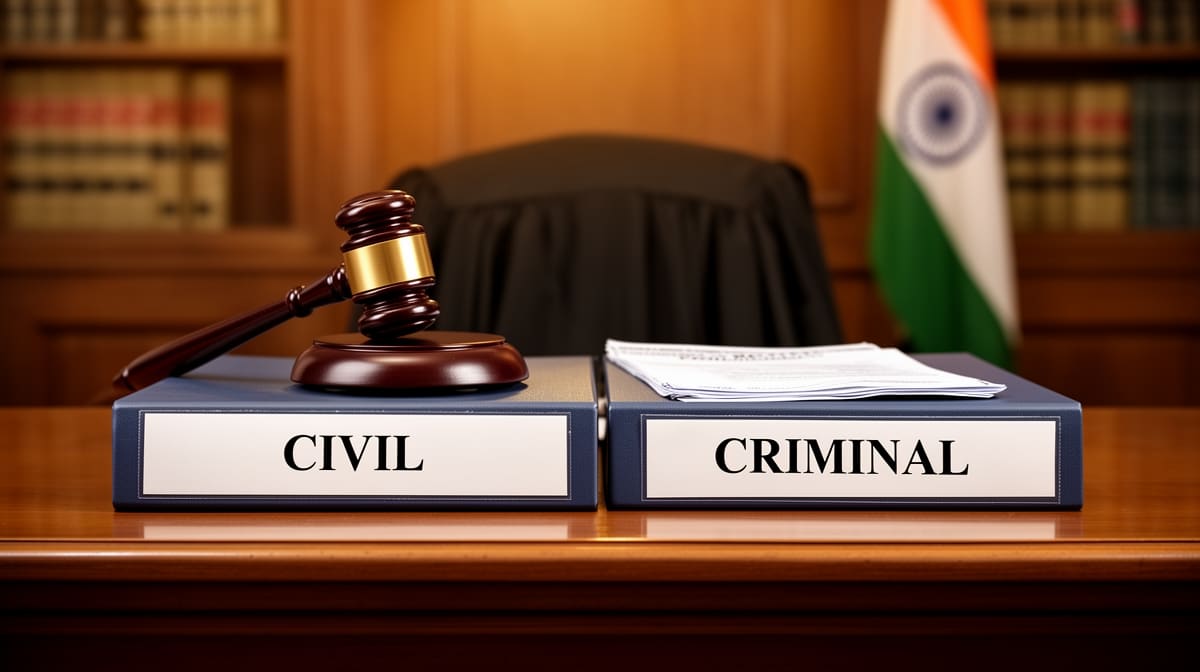
The Court emphasized that proceedings under the Motor Vehicles Act are civil in nature and governed by the principle of preponderance of probabilities, not beyond reasonable doubt. The Court noted that while the delay in reporting the accident was unusual, it was not fatal to the claim. The witness PW 4, who testified under oath that he was in the jeep at the time of the accident, was not impeached on material points. His testimony that the jeep struck the motorcycle, stopped briefly, and then repaired the damage was internally consistent.
"The said evidence of witness no.4 was on Oath. Nothing has come in the cross-examination so as to create any dent in his evidence that, he witnessed the accident."
The Court further held that the failure to examine the mechanic, Wahidkha, was not attributable to the claimants. The Tribunal had issued summons, and the unavailability of the witness was due to the demolition of his garage and his subsequent disappearance. The Court cited Union of India v. Tarsem Singh to affirm that non-examination of a witness does not automatically invalidate a claim if the available evidence is otherwise credible.
The Court also distinguished criminal liability from civil compensation claims, noting that the latter seeks redress for loss, not punishment. The Tribunal’s appreciation of evidence was found to be reasonable, balanced, and grounded in the record.
The Verdict
The claimants won. The Court held that a credible, unshaken witness testimony under oath suffices to establish involvement of a vehicle in a motor accident, even if there are delays in reporting or unexamined third parties. The appeal was dismissed, and the compensation award was upheld.
What This Means For Similar Cases
Credible Testimony Trumps Procedural Irregularities
- Practitioners must argue that delay in reporting or failure to immediately approach police does not invalidate a claim under the MV Act
- Focus on whether the witness’s core account remains intact in cross-examination, not on minor inconsistencies
- Highlight that the Act is remedial and should be interpreted liberally in favor of victims
Non-Examination of Third Parties Is Not Fatal
- If a potential witness (e.g., mechanic, bystander) cannot be located despite due diligence, the claimant must document efforts to serve summons
- Courts will not penalize claimants for unavailability caused by third-party actions (e.g., relocation, demolition of premises)
- Maintain a paper trail of summons, affidavits of service attempts, and local inquiries
Insurance Companies Cannot Rely on Criminal Standards
- Insurers must avoid arguing that claims fail due to "lack of criminal proof"
- The burden is on insurers to rebut credible testimony, not on claimants to meet evidentiary thresholds of IPC cases
- Use of Arnesh Kumar or similar criminal precedents to challenge MV Act claims is legally misplaced