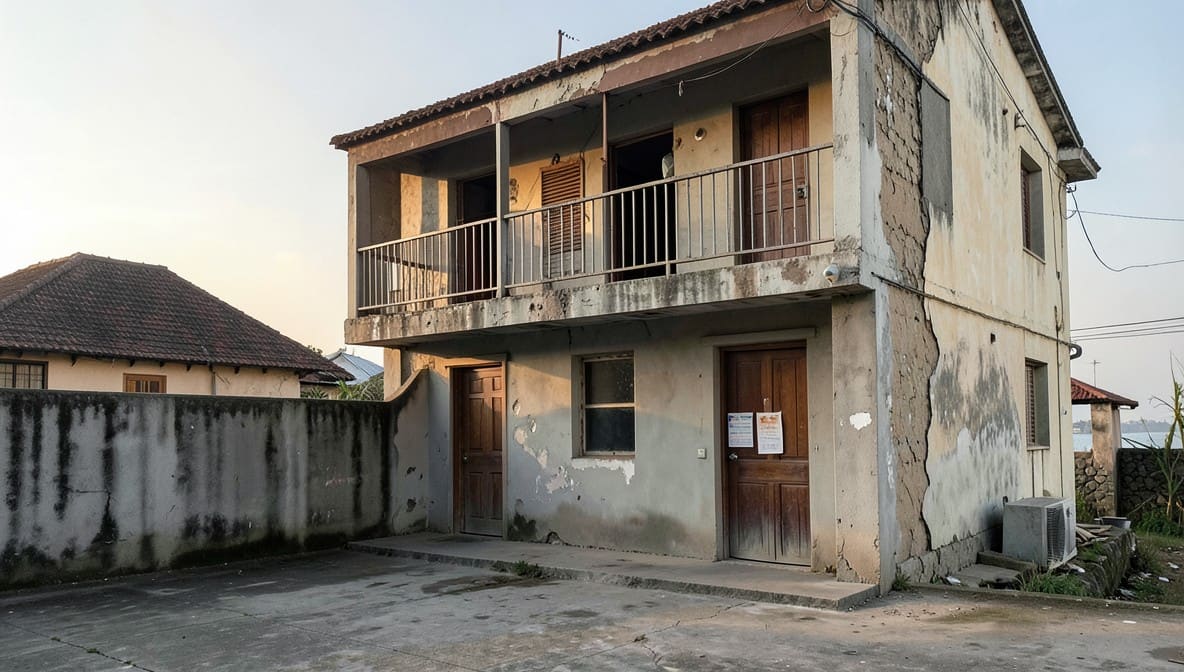
The Bombay High Court has affirmed that unauthorized structural alterations by a tenant and prolonged non-occupancy of leased premises constitute valid grounds for eviction under the Goa, Daman and Diu Buildings (Lease, Rent and Eviction) Control Act, 1968, even where compensation has been accepted in prior proceedings. The judgment reinforces the limited scope of judicial review under Article 227 and the binding nature of concurrent factual findings by lower courts.
Background & Facts
The Dispute
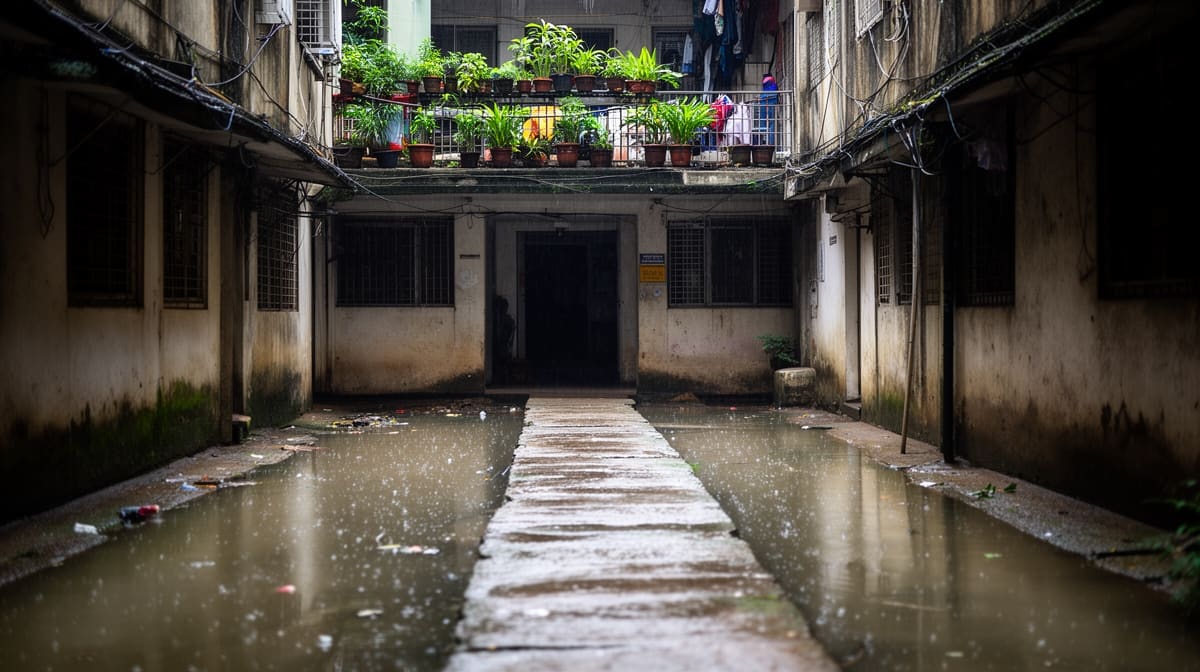
The dispute arose between the late Mrs. Angela Fernandes, the tenant, and Mrs. Maria Carmelina Almeida, the landlord, over a leased property located in St. Inez, Panaji, Goa. The property, surveyed under Chalta No. 14, comprised a balcony (2x4 mtrs), a room (6.5x4 mtrs), and a kitchen (2x4 mtrs). The lease rent was fixed at Rs. 60 per month, and the tenant had occupied the premises since at least 1978.
Key Facts
- The landlord, appointed as Cabeca de Casal in inventory proceedings following the death of her parents on 23.03.1978, claimed ownership and entitlement to rent.
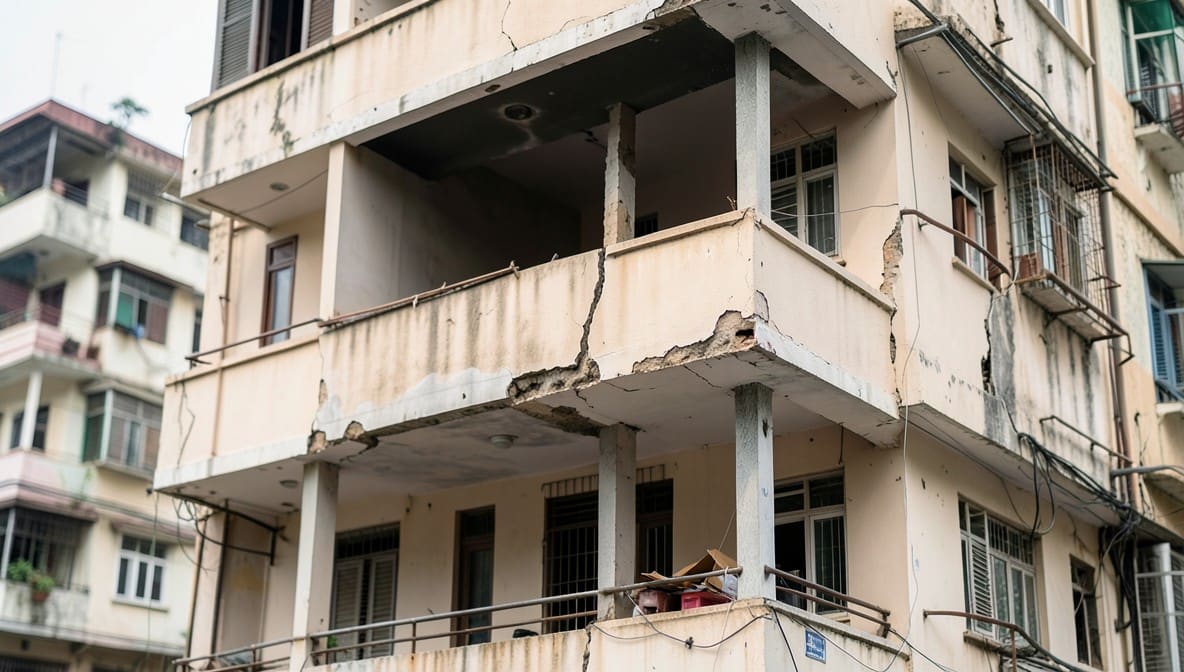
- The tenant undertook extensive renovations without the landlord’s consent, including: enclosing the balcony, replacing mud walls with cement, demolishing parts of the compound wall, raising the ground level using demolition debris, opening new doors, and constructing a new wall with mixed masonry and cement blocks.
- The landlord issued a legal notice on 09.01.1992 demanding restoration of the premises and payment of rent arrears for July - December 1991.
- The tenant filed an application under Section 18 of the Rent Act to deposit rent, which the court found to be mischievous and inconsistent with her claim of regular payment.
- The tenant paid rent to Mr. Xavier Almeida, the landlord’s brother, who was not a co-owner entitled to receive rent under the lease.
- The tenant constructed a new bungalow at Corlim, Goa, in her own name, and has resided there since 2001 - 2002.
- Electoral rolls from Cumbharjua Assembly Constituency listed the tenant and her husband as residents of Corlim, not the leased premises.
- The tenant failed to produce rebuttal evidence when confronted with property documents, electricity bills, and water bills in her name for the Corlim house.
Procedural History
- 1996: Landlord filed Special Civil Suit No. 123/1996/B seeking injunction and restoration of premises.
- 2010: Appellate Court decreed the suit, awarding Rs. 10,000 as compensation and directing restoration of premises.
- 2014: Eviction proceedings transferred to Civil Judge, Junior Division, and registered as Rent Case No. 46/2014/D.
- 17.01.2015: Civil Judge, Junior Division, ordered eviction on grounds of rent default, material impairment of premises, and non-occupancy.
- 17.03.2015: Appellate Court stayed eviction order pending appeal.
- 11.11.2021: Appellate Court dismissed the tenant’s appeal, upholding eviction and directing vacating within 30 days.
- 24.03.2023: Writ Petition No. 577 of 2023 filed before Bombay High Court.
- 09.12.2021: High Court directed tenant to pay Rs. 15,000/month as occupation charges during pendency.
- 31.08.2023: Rule issued and notice served.
Relief Sought
The petitioner sought quashing of the Appellate Court’s order dated 11.11.2021, restoration of possession, and stay of eviction on grounds that: (1) rent was paid to a co-owner, (2) compensation of Rs. 25,000 waived the eviction ground, (3) no material impairment was proved, and (4) non-occupancy was not established.
The Legal Issue
The central question was whether Section 22 of the Goa, Daman and Diu Buildings (Lease, Rent and Eviction) Control Act, 1968 permits eviction of a tenant based on (1) unauthorized structural alterations materially impairing the value or utility of the premises, and (2) prolonged non-occupancy, even where the landlord has accepted monetary compensation in prior proceedings and the tenant has resided elsewhere for over two decades.
Arguments Presented
For the Petitioner
Mr. Somnath Karpe argued that: (1) the landlord’s acceptance of Rs. 25,000 in the Second Appeal constituted a waiver of the ground of eviction for alterations; (2) the tenant had paid rent regularly to Mr. Xavier Almeida, a co-owner, making the landlord’s claim for arrears invalid; (3) the alleged alterations did not materially impair the value or utility of the building from the landlord’s perspective; and (4) the tenant’s residence at Corlim was not within the 5-kilometer radius of Panaji, negating the non-occupancy ground under Section 22(2)(f). He relied on Deepak Tandon v. Rajesh Kumar Gupta and Rajani Manohar Kuntha v. Parshuram Chunilal Kanojiya to argue that the High Court should not interfere with concurrent findings unless perverse.
For the Respondent
Mr. F. E. Noronha contended that: (1) acceptance of compensation does not extinguish the statutory right to evict under Section 22; (2) the tenant’s payment to a non-entitled co-owner does not discharge her obligation to the landlord; (3) the alterations - enclosing balconies, demolishing walls, raising ground levels - materially impaired the structure and utility of the premises from the landlord’s viewpoint; and (4) the tenant’s continuous non-occupancy since 2001 - 2002, confirmed by electoral rolls and property documents, independently justified eviction under Section 22(2)(f). He emphasized that the High Court’s jurisdiction under Article 227 is limited to correcting perversity, not re-appreciating evidence.
The Court's Analysis
The Court began by reaffirming the well-settled principle that under Article 227 of the Constitution, the High Court cannot re-appreciate evidence or substitute its own findings for those of concurrent courts unless the findings are perverse. The Court cited Deepak Tandon v. Rajesh Kumar Gupta and Rajani Manohar Kuntha v. Parshuram Chunilal Kanojiya to underscore that microscopic scrutiny of evidence is impermissible in writ jurisdiction.
The Court examined the four issues framed by the Civil Judge and found that the findings on all grounds were supported by material evidence. Regarding the alterations, the Appellate Court had meticulously listed the tenant’s acts: enclosing the balcony, replacing mud walls with cement, demolishing compound walls, raising ground levels, and constructing new doors. The Court held that these were not mere repairs but structural modifications altering the form and utility of the building. The Court emphasized that material impairment must be judged from the landlord’s perspective, not the tenant’s, and cited Om Prakash v. Amar Singh to affirm this legal standard.
"The acts of the tenants, more specifically pertaining to enclosing the balcony; replacing one of the mud wall with a cement wall, demolition a part of the southern compound wall and creating a separate access for herself; raising the level of the land by using the stones from the demolished compound wall... are substantial in nature, altering the form, front and structure of the leased premises."
The Court rejected the tenant’s argument that the Rs. 25,000 compensation in the Second Appeal amounted to a waiver of the eviction ground. No written agreement or clear intention to relinquish statutory rights was established. The Court noted that the permanent injunction remained in force, indicating the landlord’s continued assertion of her rights.
On non-occupancy, the Court found that while the Appellate Court had technically held against the landlord on the 5-kilometer radius issue, the evidence overwhelmingly showed the tenant had ceased to occupy the premises since 2001 - 2002. The tenant’s failure to rebut electoral rolls, property documents, and utility bills in her name for the Corlim house amounted to suppression of material facts. The Court held that the tenant’s prolonged absence from the leased premises, coupled with her residence in a self-constructed house, satisfied the conditions of Section 22(2)(f).
The Court concluded that the concurrent findings of the lower courts were neither perverse nor based on impermissible inferences. The tenant’s 45-year occupancy on Rs. 60/month rent did not confer a right to retain possession indefinitely, especially when statutory grounds for eviction were fully established.
The Verdict
The writ petition was dismissed. The Court upheld the eviction order dated 11.11.2021 and directed the petitioner to vacate the premises and deliver peaceful, vacant possession to the respondent within four months from the date of judgment. The Court discharged the rule and confirmed that occupation charges of Rs. 15,000 per month paid during pendency shall be adjusted against any outstanding rent or damages.
What This Means For Similar Cases
Unauthorized Alterations Are Sufficient Grounds for Eviction
- Practitioners must now argue that even if compensation is accepted, it does not extinguish the landlord’s statutory right to evict under Section 22 of the Rent Act.
- Structural changes that alter the form, front, or utility of the premises - such as enclosing balconies, replacing load-bearing walls, or raising ground levels - constitute material impairment regardless of the tenant’s intent.
- Landlords should document alterations with photographs, inspection reports, and expert affidavits to establish impairment.
Non-Occupancy Must Be Proven Through Documentary Evidence
- Electoral rolls, property tax receipts, utility bills, and mutation entries are decisive evidence of non-occupancy.
- A tenant’s claim of temporary absence or residence with family is insufficient without corroborating documentation.
- Courts will infer non-occupancy from consistent, verifiable records showing the tenant’s primary residence elsewhere.
Article 227 Jurisdiction Is Not a Second Appeal
- Writ petitions under Article 227 cannot be used to re-appreciate evidence or challenge factual findings.
- Only perversity - where findings are unsupported by evidence or based on legally impermissible inferences - justifies interference.
- Practitioners must focus on procedural irregularities or legal errors, not factual disputes, when filing writs against Rent Tribunal orders.