The Bombay High Court has affirmed that prolonged non-use of rented commercial premises, without reasonable cause, constitutes a valid ground for eviction under the Maharashtra Rent Control Act, 1999. The judgment reinforces the principle that a tenant’s failure to contest allegations of non-use, coupled with documentary evidence, suffices to discharge the landlord’s initial burden of proof.
Background & Facts
The Dispute
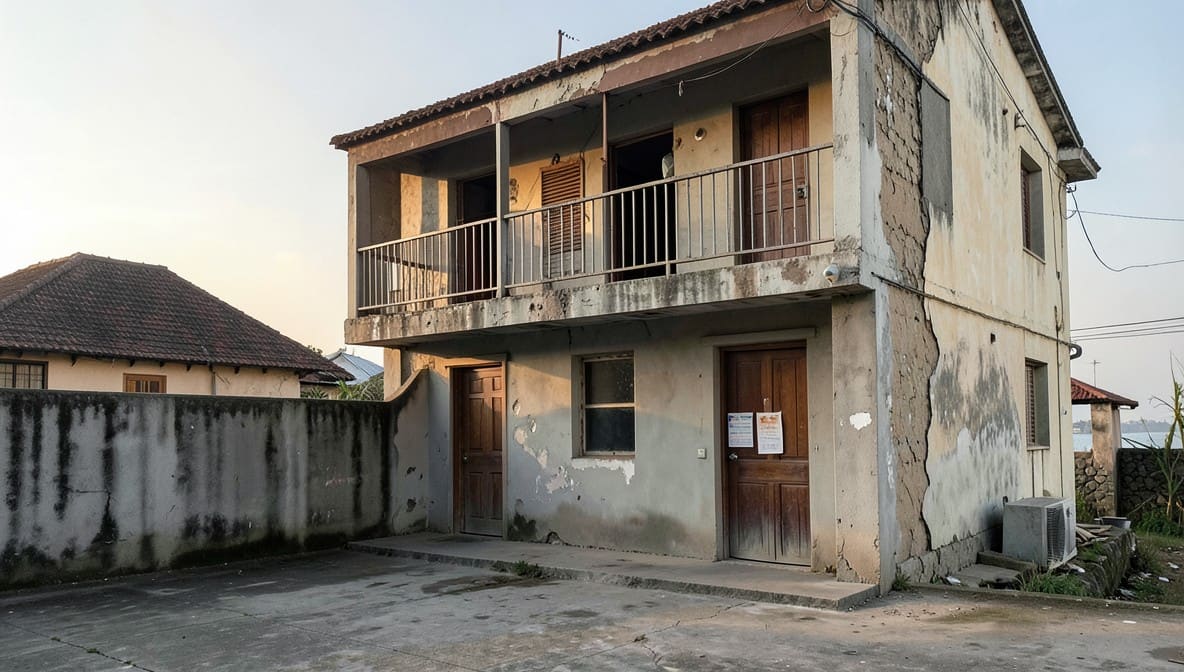
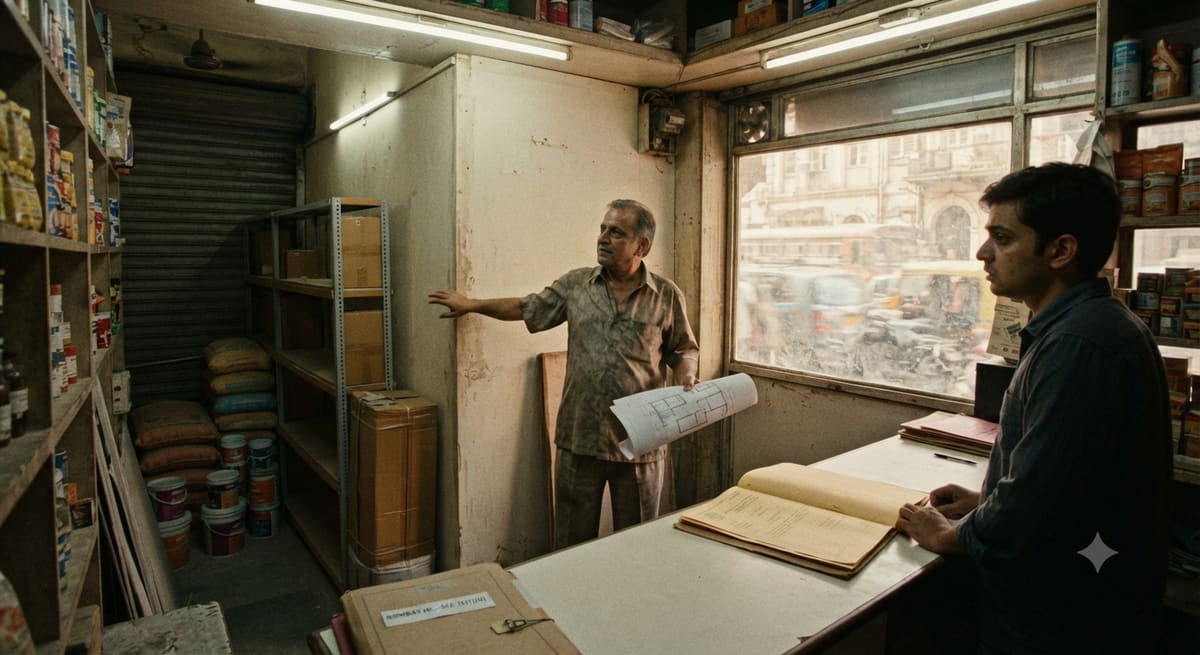
The respondent, Smt. Sagira T.A. Amil (deceased), was the landlord of a shop located in Amravati, Maharashtra. The petitioner, Gazamfarbhai Sajjadbhai Holawala, was the tenant of the suit property. The landlord filed a civil suit seeking eviction on the ground that the shop had remained closed and unused for the purpose for which it was let out - namely, commercial activity - for a continuous period exceeding six months, without reasonable cause. This ground is specified under Section 16(1)(m) of the Maharashtra Rent Control Act, 1999.
Key Facts
- The suit property is a commercial shop in Amravati.
- The landlord filed Regular Civil Suit No. 105 of 2019 on or before the date of institution, alleging non-use for approximately three years prior to filing.
- The tenant did not file a written statement, did not appear in court, did not cross-examine the landlord’s witnesses, and did not lead any evidence.
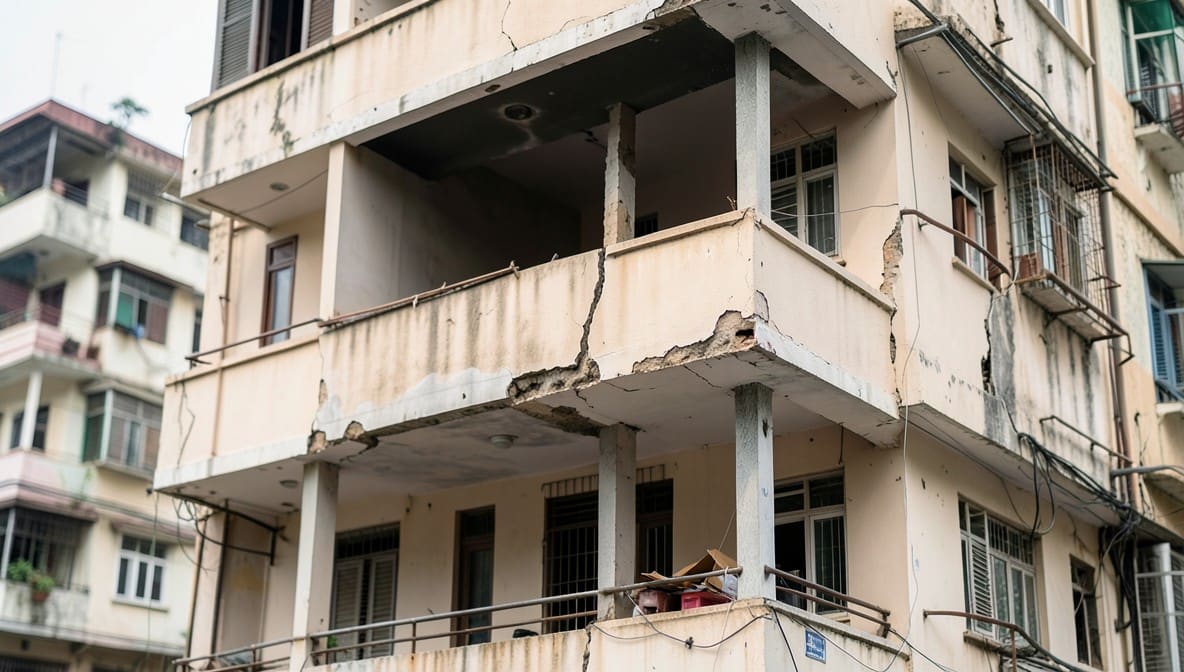
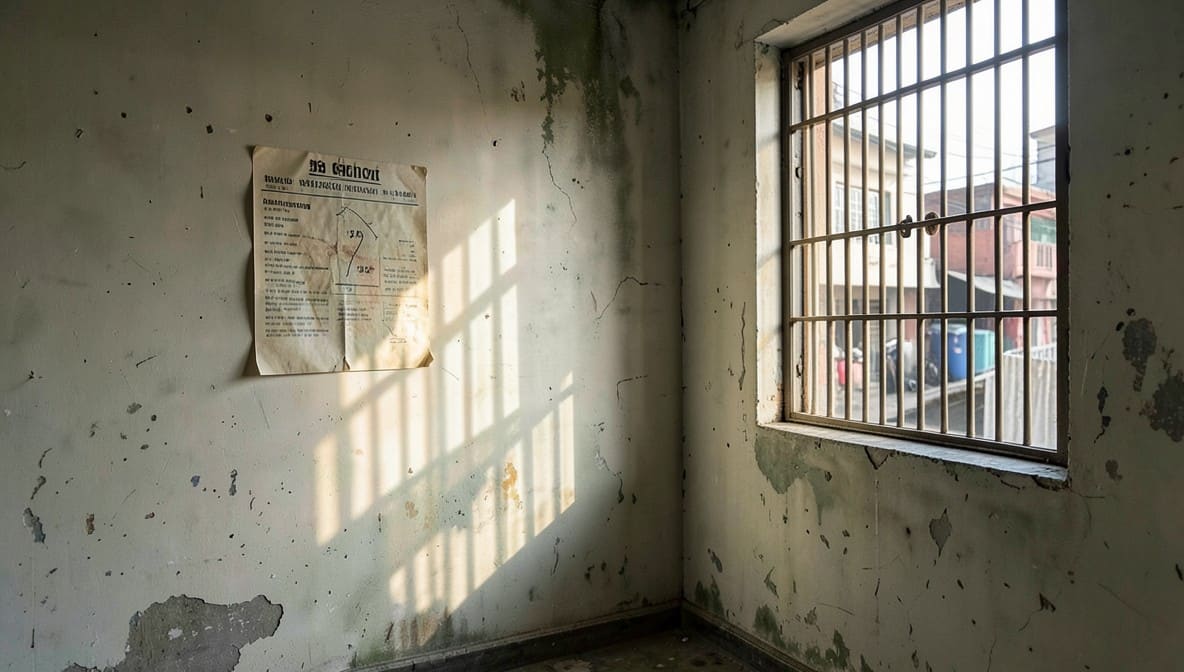
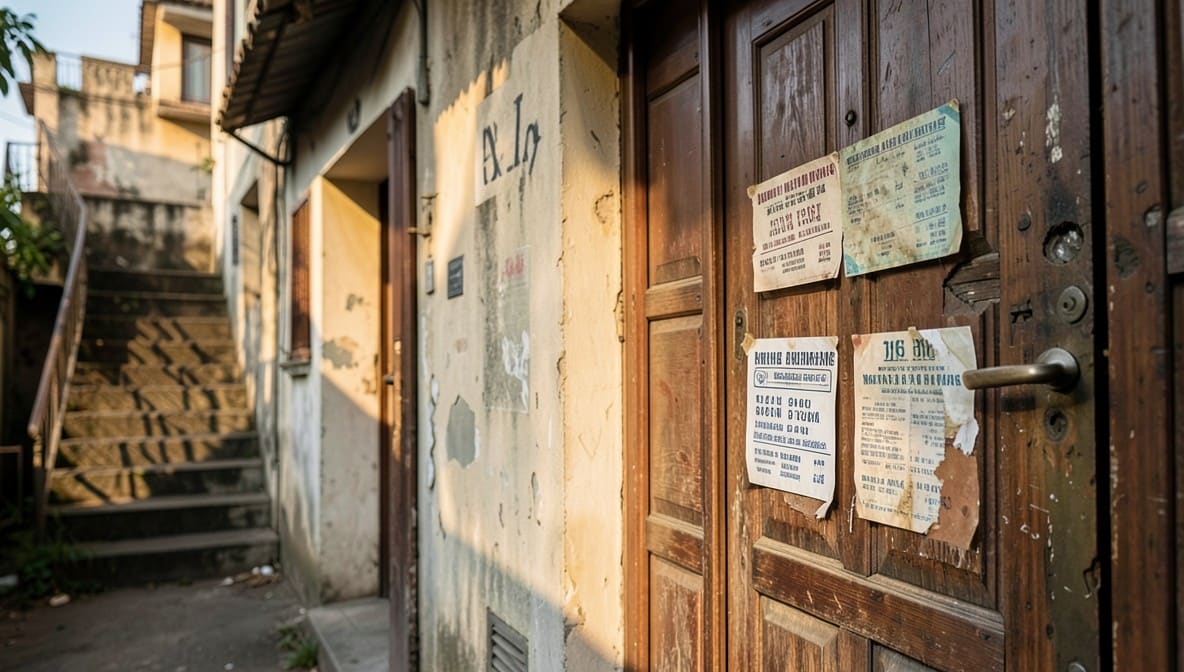
- The landlord submitted photographs of the shop taken on his cellphone, showing it closed, boarded, and unused.
- Two notices were issued to the tenant: one by the court through process server, and another via registered post to the suit premises. Both were returned unserved.
- The landlord did not produce the negative of the photographs, nor did he examine any independent witness to corroborate the condition of the shop.
Procedural History
- 27.11.2020: Trial Court (10th Joint Civil Judge, Junior Division, Amravati) dismissed the suit, holding that the plaintiff failed to prove non-use due to absence of negative photographs and independent witness testimony.
- 27.07.2022: First Appellate Court (Principal District Judge, Amravati) allowed the appeal, reversed the trial court’s order, and decreed the suit for eviction.
- 22.08.2022: Petitioner filed Writ Petition No. 7783 of 2022 before the Bombay High Court, Nagpur Bench, challenging the appellate judgment.
- 07.05.2026: Judgment delivered by the High Court.
Relief Sought
The petitioner sought quashing of the First Appellate Court’s order dated 27.07.2022 and restoration of the trial court’s dismissal of the suit. The petitioner also requested time to vacate the premises.
The Legal Issue
The central question was whether Section 16(1)(m) of the Maharashtra Rent Control Act, 1999 permits eviction when the landlord proves non-use of commercial premises for over six months through circumstantial evidence, including photographs and unserved notices, and the tenant remains absent and unresponsive throughout the proceedings.
Arguments Presented
For the Petitioner
The petitioner’s counsel, Mr. C.A. Babrekar, argued that the landlord failed to discharge the initial burden of proof under Section 16(1)(m) because: (1) the photographs submitted were not accompanied by their negatives, violating evidentiary norms; (2) no independent witness was examined to verify the condition of the shop; and (3) the trial court’s cautious approach was legally sound. He contended that the appellate court erred in reversing the trial court’s finding without compelling evidence.
For the Respondent
The respondents’ counsel, Mr. M.R. Khan, argued that the tenant’s complete absence from the proceedings amounted to a waiver of right to contest. The plaint averments remained uncontroverted, and the photographs, though not corroborated by independent testimony, were consistent with the unserved notices - demonstrating the shop’s physical closure. The appellate court correctly held that the burden shifted to the tenant to explain non-use, which he failed to do.
The Court's Analysis
The Court examined the nature of the burden under Section 16(1)(m) and the evidentiary standards applicable in rent control proceedings. It observed that while the landlord bears the initial burden of proving non-use, this burden is not absolute and may be discharged through circumstantial evidence.
"The plaint averments remained uncontroverted and the evidence led by the plaintiff was also not challenged."
The Court emphasized that the tenant’s failure to appear, file a written statement, or offer any rebuttal - even after being served with court notices - constituted a clear admission by silence. The unserved notices, coupled with the photographs, formed a coherent chain of evidence indicating prolonged non-use.
The Court distinguished this case from those requiring strict documentary proof, noting that rent control proceedings are summary in nature and must balance procedural fairness with practical realities. The trial court’s insistence on negatives and independent witnesses was deemed overly rigid in light of the tenant’s default.
The appellate court’s conclusion - that the landlord discharged the initial burden and the tenant failed to rebut it - was found to be legally sound and factually supported.
The Verdict
The writ petition was dismissed. The High Court upheld the First Appellate Court’s order dated 27.07.2022, confirming eviction under Section 16(1)(m) of the Maharashtra Rent Control Act, 1999. The petitioner was granted one month to vacate the premises, with a specific deadline of 15.06.2026 to remove belongings and deliver peaceful vacant possession to the respondents. No order as to costs was made.
What This Means For Similar Cases
Non-Use Can Be Proved by Circumstantial Evidence
- Landlords may rely on photographs, unserved notices, and tenant silence to establish non-use under Section 16(1)(m).
- Absence of negatives or independent witnesses does not automatically invalidate the claim if the totality of evidence supports non-use.
Tenant Default Shifts the Burden
- A tenant’s failure to appear, file a written statement, or lead evidence constitutes a waiver of defense.
- Courts may infer admission of allegations from prolonged non-participation, especially in summary proceedings.
Procedural Flexibility in Rent Control Cases
-
Rent control courts are not bound by rigid civil procedure rules.
-
Practical evidence, such as visual documentation and service records, may suffice where the tenant does not contest.
-
Practitioners should advise landlords to document property condition with dated photographs and maintain proof of service attempts.
-
Tenants must be cautioned that non-appearance in rent control suits may result in automatic eviction without further inquiry.
-
In future cases, courts may treat non-use claims under Section 16(1)(m) as presumptively valid if unchallenged, shifting the onus to the tenant to justify occupancy.