The Bombay High Court has issued notice in a batch of writ petitions challenging the Kalyan Dombivali Municipal Corporation’s attempt to compensate landowners with Transferable Development Rights (TDR) or Floor Space Index (FSI) for land utilized in road widening projects. Relying on the Full Bench judgment in Shree Vinayak Builders and Developers, Nagpur v. State of Maharashtra, the Court prima facie held that monetary compensation is mandatory, and directed status quo until the next hearing.
Background & Facts
The Dispute
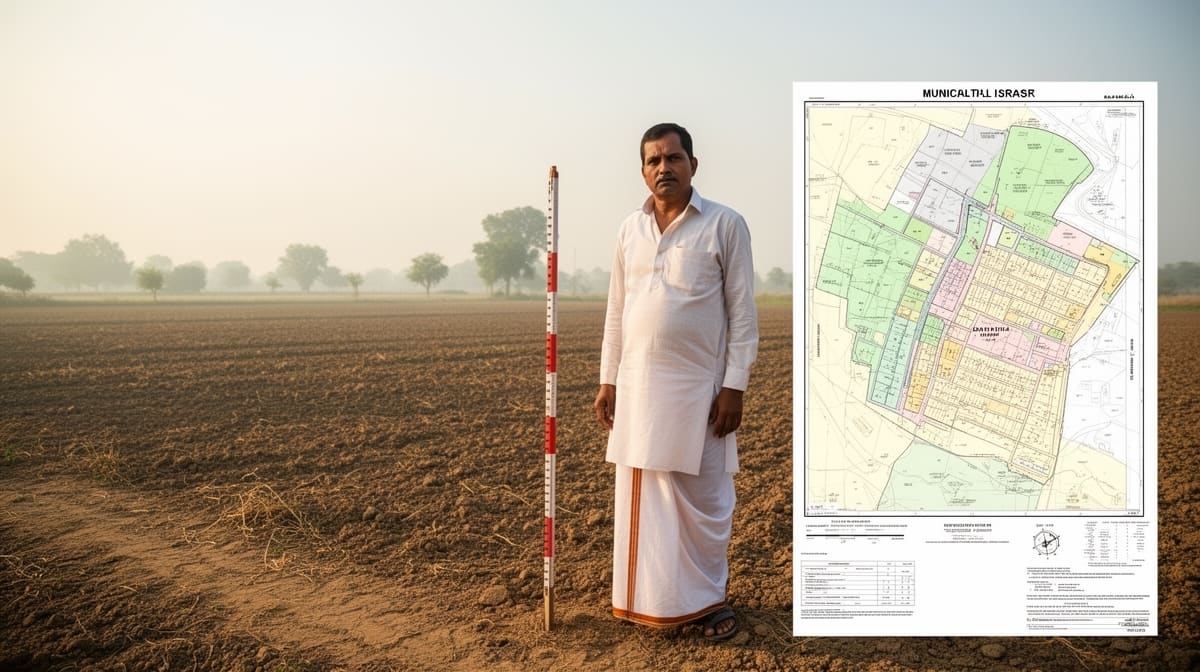
The petitioners, landowners in Kalyan-Dombivali, Maharashtra, challenged the respondent Municipal Corporation’s policy of compensating them with TDR/FSI for lands acquired for road widening under the Development Plan (DP). The petitioners contended that this practice violates the legal position established by the Bombay High Court’s Full Bench in Shree Vinayak Builders and Developers, Nagpur v. State of Maharashtra, which mandates monetary compensation for such acquisitions.
Key Facts
The petitioners’ lands were earmarked for road widening under the DP Road project
The Municipal Corporation insisted on compensating them with TDR/FSI instead of monetary payment
The petitioners relied on the Full Bench judgment in Shree Vinayak Builders and Developers, which held that TDR/FSI cannot substitute monetary compensation for land acquisition
The Commissioner of the Municipal Corporation, in a communication dated 12.02.2024 to the Chief Secretary, State of Maharashtra, acknowledged the legal position but failed to implement it
The petitioners filed repeated representations demanding compliance with the Full Bench ruling
Procedural History
Multiple writ petitions (WP Nos. 8390, 8392, 8394, 8396, and 8397 of 2026) were filed before the Bombay High Court
10.07.2026: The Court granted leave to amend the petitions to implead the State of Maharashtra as a respondent
10.07.2026: Notice issued, returnable on 11.08.2026
10.07.2026: Petitioners permitted to serve respondents privately and file an affidavit of service within three weeks
10.07.2026: Interim order directing status quo to be maintained until the next hearing
Relief Sought
The petitioners sought:
A declaration that the Municipal Corporation’s policy of compensating with TDR/FSI violates the Full Bench judgment
An injunction restraining the Corporation from taking coercive steps against their lands
Monetary compensation for the acquired lands as per the legal position established in Shree Vinayak Builders and Developers
The Legal Issue
The central question was whether the Kalyan Dombivali Municipal Corporation could lawfully compensate landowners with TDR/FSI for lands acquired for road widening, in contravention of the Full Bench judgment in Shree Vinayak Builders and Developers, Nagpur v. State of Maharashtra, which mandates monetary compensation.
Arguments Presented
For the Petitioners
Relied on the Full Bench judgment in Shree Vinayak Builders and Developers, Nagpur v. State of Maharashtra, which held that TDR/FSI cannot substitute monetary compensation for land acquisition
Argued that the Municipal Corporation’s policy was arbitrary and illegal, as it ignored the binding precedent
Highlighted the Commissioner’s communication dated 12.02.2024, wherein the Corporation acknowledged the legal position but failed to act
Expressed apprehension that coercive steps might be taken against their lands without due process or monetary compensation
For the Respondents
No arguments were presented on behalf of the respondents, as none appeared at the hearing.
The Court's Analysis
The Court observed that the issue was prima facie covered in favour of the petitioners by the Full Bench judgment in Shree Vinayak Builders and Developers, Nagpur v. State of Maharashtra. The judgment had categorically held that monetary compensation is mandatory for land acquisition, and TDR/FSI cannot be imposed as an alternative.
"Prima facie, the issue appears to be covered in favour of the petitioners as per the said Full Bench Judgement of this Court."
The Court noted that the Commissioner of the Municipal Corporation had, in a communication dated 12.02.2024, acknowledged the legal position but failed to implement it. Despite this, the petitioners were forced to approach the writ court for relief, indicating non-compliance by the Corporation.
The Court also expressed concern over the apprehension of coercive steps being taken against the petitioners’ lands without following due process or providing monetary compensation. In light of these observations, the Court deemed it necessary to maintain status quo until the next hearing.
The Verdict
The Court issued the following directions:
Notice issued to the respondents, returnable on 11.08.2026
Status quo to be maintained as on 10.07.2026 until the next hearing
Petitioners permitted to serve the respondents privately and file an affidavit of service within three weeks
State of Maharashtra impleaded as a respondent, with leave granted to amend the petitions accordingly
What This Means For Similar Cases
Binding Precedent Must Be Followed
Municipal corporations and government authorities cannot ignore Full Bench judgments or binding precedents
If a legal position is established by a higher court, non-compliance constitutes contempt of court and arbitrary action
Landowners can challenge TDR/FSI compensation policies if they violate established legal principles
Interim Relief as a Safeguard
Courts are inclined to grant status quo orders where coercive action is apprehended
Landowners facing imminent acquisition can seek injunctions to prevent illegal dispossession
Private service of notice is permitted where respondents fail to appear, ensuring due process
Role of Administrative Communications
Internal communications (e.g., the Commissioner’s letter dated 12.02.2024) can be used as evidence of knowledge of legal obligations
Failure to act on such communications can be construed as deliberate non-compliance, strengthening the case for judicial intervention