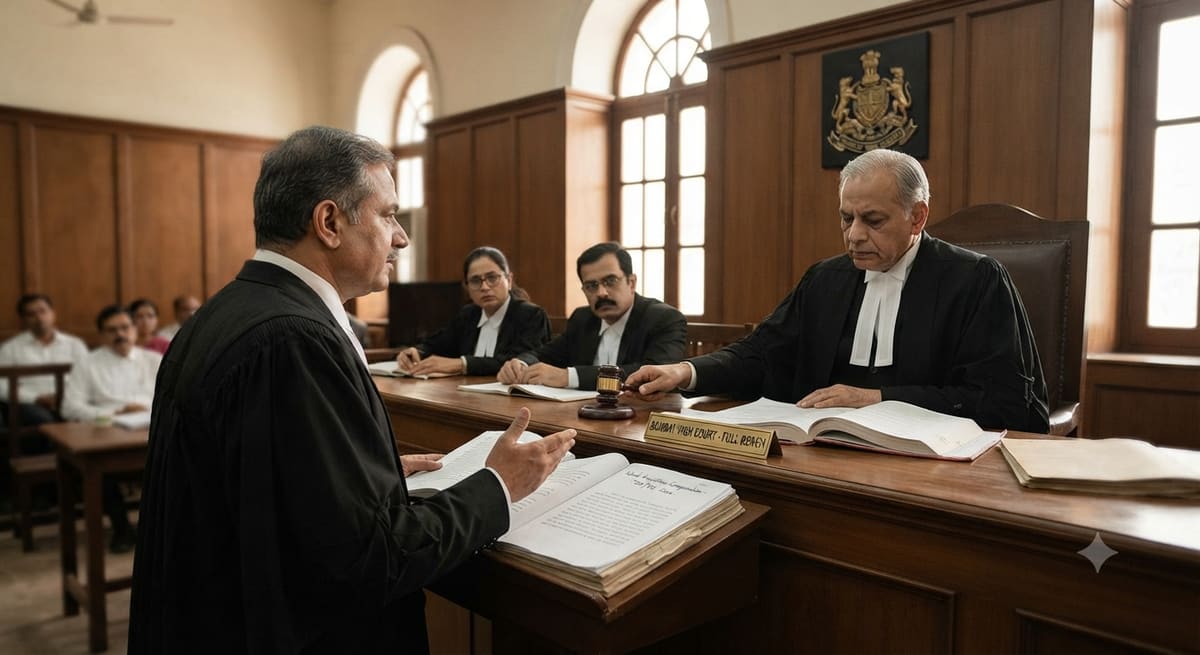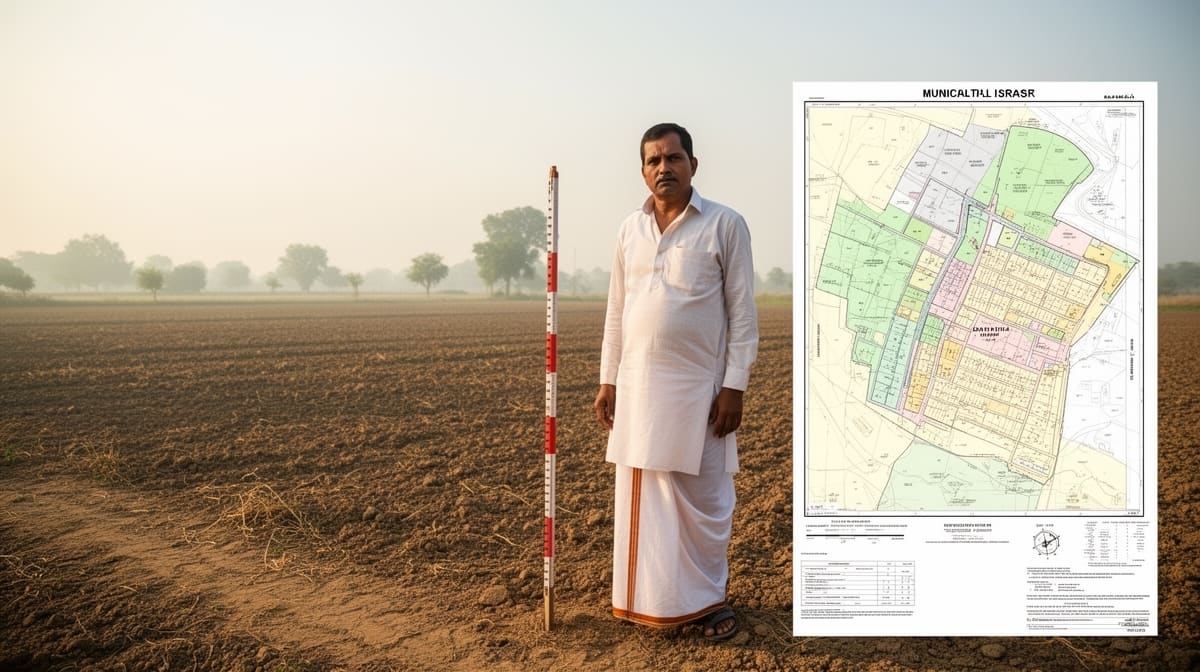
The Bombay High Court has clarified that compensation in the form of Transferable Development Rights (TDR) cannot be unilaterally imposed on landowners during acquisition for public infrastructure. This judgment reinforces the principle that consent, not coercion, governs compensation mechanisms under the Maharashtra Regional and Town Planning Act, 1966.
Background & Facts
The Dispute
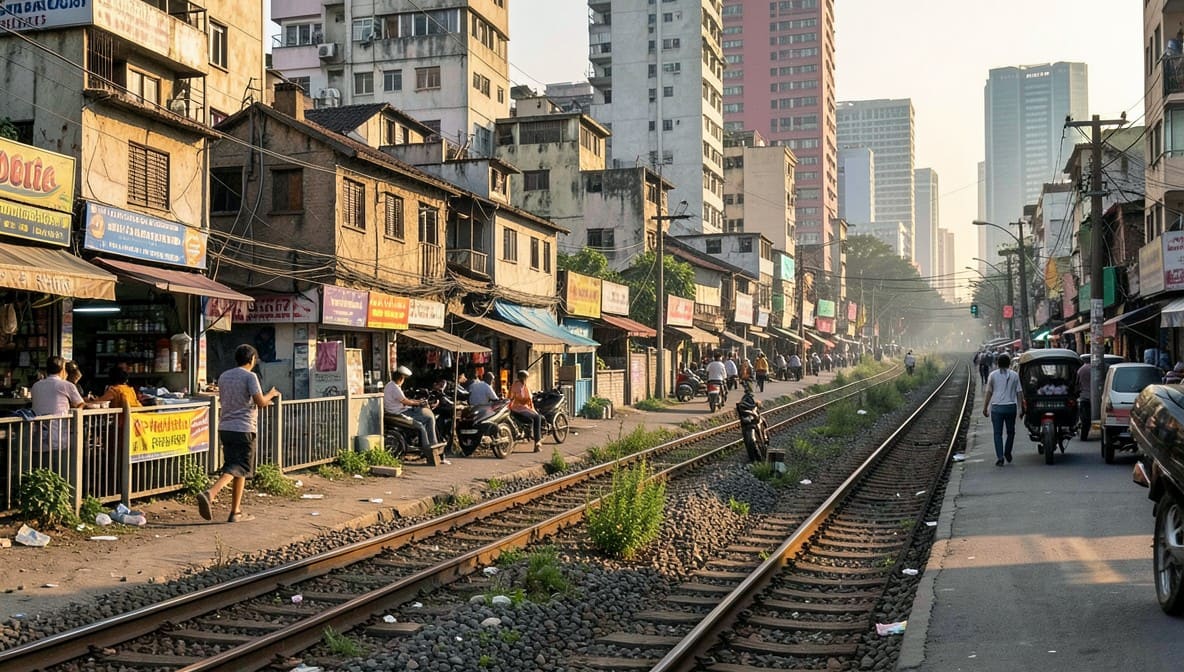
The petitioners, Gaurav Sameer Phadtare and another, challenged the proposed acquisition of their land by the Baramati Municipal Council for a 24-meter-wide road connecting Nira Road to Jamdar Road. They alleged that the Municipal Council intended to take forcible possession without providing statutory compensation under the Right to Fair Compensation and Transparency in Land Acquisition, Rehabilitation and Resettlement Act, 2013, and sought to prevent any such action.
Procedural History
- The writ petition was filed in 2023 seeking immediate restraint on forcible acquisition.
- The Municipal Council filed an affidavit in reply, explicitly stating that no forcible possession was planned.
- The Council confirmed that acquisition, if pursued, would strictly follow due process under law.
- The petitioners’ primary concern shifted from prevention of forcible takeover to the nature of compensation - specifically, whether TDR could be imposed without consent.
Relief Sought
The petitioners sought two principal reliefs: (A) a writ restraining forcible possession without due process and compensation, and (B) a direction that the Municipal Council cannot compel TDR as compensation, and must instead provide monetary compensation as mandated by the 2013 Act.
The Legal Issue
The central question was whether the acquiring authority under Section 126(1)(a) and (b) of the Maharashtra Regional and Town Planning Act, 1966 can unilaterally impose Transferable Development Rights (TDR) as compensation, or whether such compensation requires the prior consent of the landowner.
Arguments Presented
For the Petitioners
The petitioners relied on the Right to Fair Compensation Act, 2013, which mandates monetary compensation as the primary mode of reparation for land acquisition. They argued that TDR, being a non-monetary, speculative benefit, cannot substitute statutory compensation unless expressly agreed upon. They further contended that imposing TDR without consent violates the right to property under Article 300A of the Constitution and the principle of natural justice.
For the Respondent
The State and Municipal Council conceded that no forcible possession was intended and that due process would be followed. However, they initially maintained that TDR was a permissible mode of compensation under the MRTP Act, 1966, and that the petitioners’ concerns were premature since no formal acquisition notice had been issued.
The Court's Analysis
The Court did not need to adjudicate the issue of forcible possession, as the Municipal Council’s affidavit constituted a binding undertaking that no such action would occur. The Court therefore focused on the second prayer concerning TDR.
The Court turned to the binding precedent of Shree Vinayak Builders and Developers, Nagpur v. State of Maharashtra & Ors., where a Full Bench had squarely addressed the nature of acquisition under Section 126(1)(a) and (b) of the MRTP Act. The Full Bench held that acquisition under these provisions requires consensus between the landowner and the authority - it is not a unilateral power.
"This Court holds that the acquisition under section 126(1)(a) and (b) of the Maharashtra Regional and Town Planning Act, 1966 has to be consensus between both the parties and not only at the option of the Acquiring Authority."
The Court emphasized that this principle applies equally to the form of compensation. TDR, being a substitute for monetary compensation, cannot be imposed as a condition of acquisition. The landowner must voluntarily agree to accept TDR in lieu of cash compensation. Any attempt to compel TDR would effectively nullify the statutory right to fair compensation under the 2013 Act.
The Verdict
The petitioners succeeded. The Court held that TDR cannot be imposed as compensation without the landowner’s consent, and that any acquisition under the MRTP Act requires mutual agreement. The petition was disposed of with the understanding that the Municipal Council will not take forcible possession and will follow due process, including offering fair monetary compensation unless the landowner consents to TDR.
What This Means For Similar Cases
Consent Is Non-Negotiable for TDR Compensation
- Practitioners must now insist that any offer of TDR be documented as a voluntary agreement, not a condition of acquisition.
- Municipalities cannot use TDR as a tool to circumvent statutory compensation obligations under the 2013 Act.
- Landowners may refuse TDR without forfeiting their right to monetary compensation.
Acquisition Under MRTP Act Requires Mutual Agreement
- The Shree Vinayak Builders precedent now governs all acquisition proceedings under Section 126(1)(a) and (b).
- Authorities must initiate negotiations with landowners before issuing any notice of acquisition.
- Legal challenges to unilateral TDR offers will now be upheld on the basis of this binding precedent.
Fair Compensation Remains the Default
- Monetary compensation remains the primary and presumptive remedy under the 2013 Act.
- TDR is a permissible alternative only if the landowner consents in writing after full disclosure of its value and limitations.
- Courts will not permit authorities to frame TDR as a "benefit" to mask undercompensation.