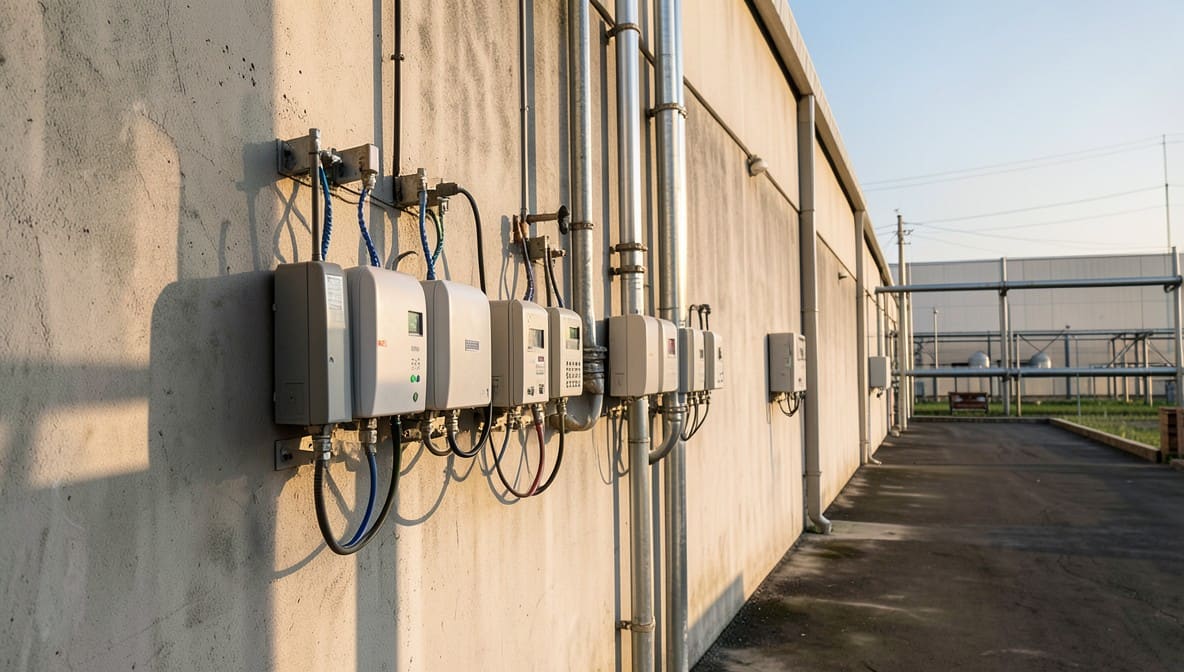
The Bombay High Court has clarified a critical procedural aspect of electricity law, holding that assessment under Section 126 of the Electricity Act, 2003 for unauthorized use of electricity does not mandatorily require laboratory testing of the disputed meter. The judgment underscores that contemporaneous inspection reports, panchanamas, and connected load discrepancies can suffice to establish civil liability, distinguishing this from the higher burden of proof required for criminal prosecution under Section 135 of the Act.
Background & Facts
The Dispute
The petitioner, Brihan Mumbai Municipal Corporation (BMC), through its Brihan Mumbai Electric Supply and Transport Undertaking (BEST), challenged an order dated 3 October 2017 passed by the Appellate Authority in Appeal Nos. 9 and 10 of 2015. The appeals arose from a dispute involving the respondent, Mustaffa Saqib Khan, who operates an electroplating business in Mumbai. BEST alleged that the respondent had tampered with an electricity meter (Meter No. Q971100), leading to unauthorized use of electricity.
Key Facts
- 11 March 2008: Meter No. Q971100 was installed at the respondent’s premises for commercial electricity supply.
- 9 September 2009: BEST’s Vigilance Team inspected the respondent’s factory and noticed irregularities:
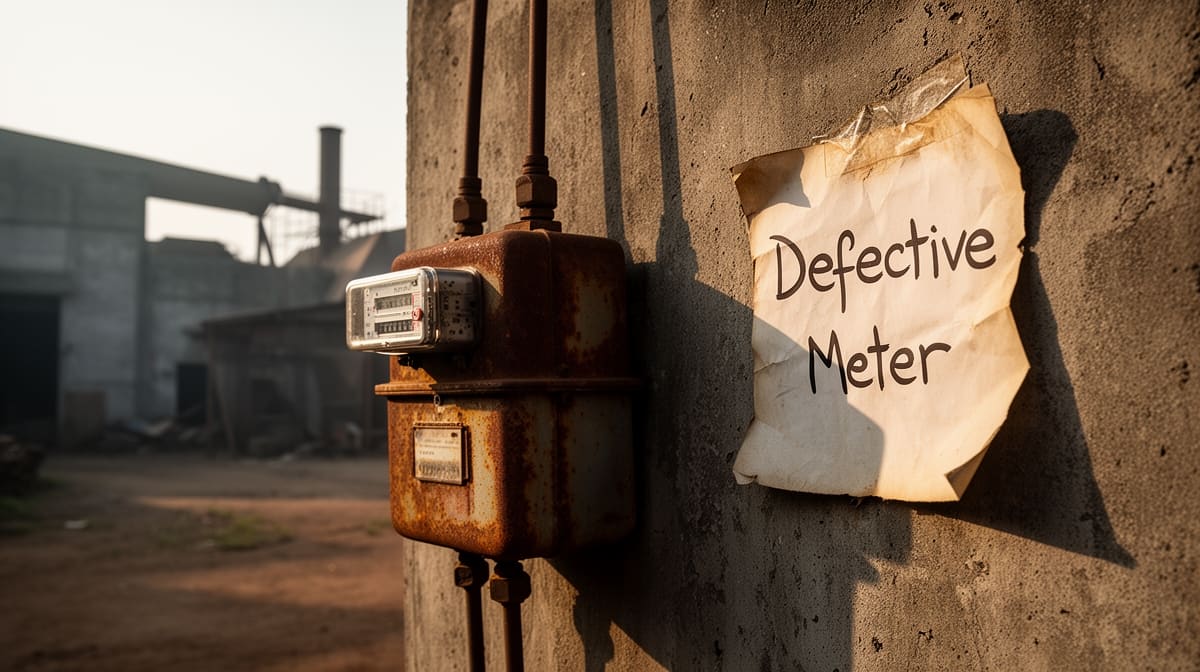
- The terminal block seal of the meter was missing.
- Both pink acrylic seals on the meter body were tampered with.
- Scratch marks were found on the reading counter.
- The electricity consumption recorded by the meter did not match the connected load installed at the premises.
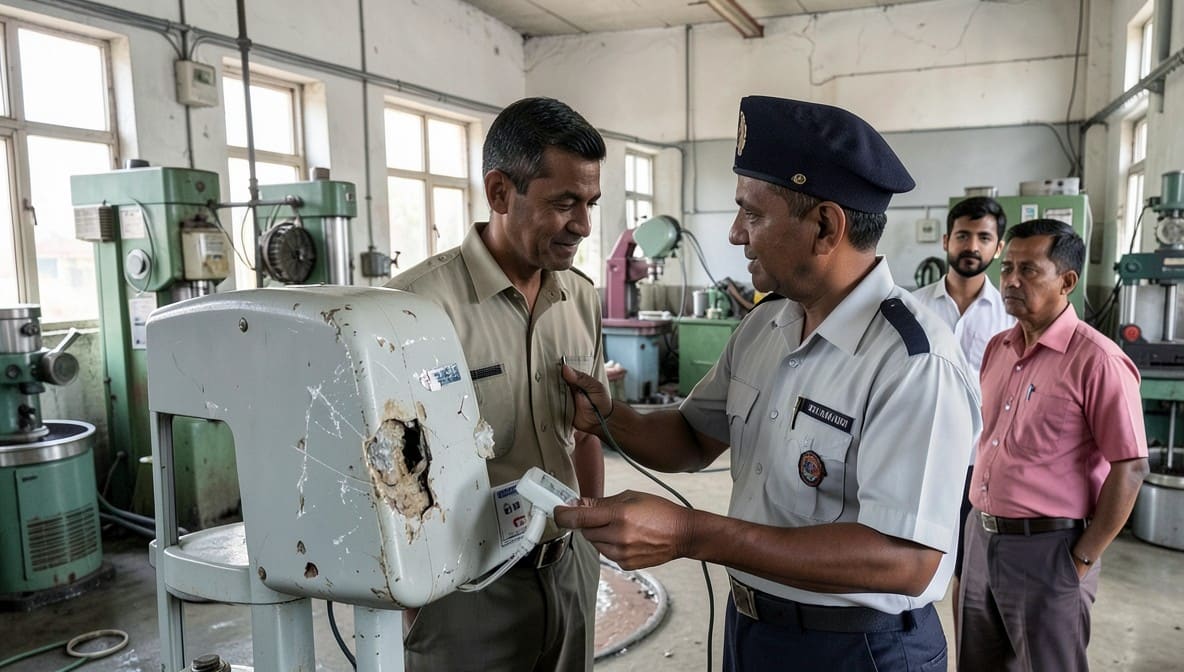
- The Vigilance Team prepared an inspection report and a panchanama in the presence of two workers from the respondent’s factory.
- The connected load during inspection was 20.595 KW, exceeding the sanctioned load of 18.70 KW.
- 9 September 2009: BEST issued a provisional assessment bill of Rs. 12,36,670/- for alleged loss of 66,847 KWH units of electricity over 601 days (from 18 January 2008 to 9 September 2009).
- The respondent voluntarily paid Rs. 3,00,000/- towards the assessed liability, as reflected in a letter dated 13 September 2009.
- BEST initiated criminal proceedings under Section 135 of the Electricity Act, 2003, and a complaint was registered at the police station on 9 September 2009.
- The respondent refused to sign the inspection report, alleging that the petitioner obtained signatures from a relative under pressure.
- Under the Right to Information Act, the respondent discovered that the disputed meter:
- Had been manufactured in 1996.
- Was previously installed at another consumer’s premises (Consumer No. 329513033) until 6 February 2006.
- Was never sent for laboratory testing after removal during the inspection.
Procedural History
- 9 September 2009: Provisional assessment issued by BEST.
- Post-September 2009: BEST’s Review Committee examined the case and passed a final assessment order under Section 126 of the Electricity Act, 2003.
- Appeal Nos. 9 and 10 of 2015: The respondent challenged the assessment before the Appellate Authority.
- 3 October 2017: The Appellate Authority set aside the assessment, holding that the absence of laboratory testing of the meter invalidated the proceedings.
- 2019: BEST filed Writ Petition Nos. 2195 and 2196 of 2019 before the Bombay High Court, challenging the Appellate Authority’s order.
Relief Sought
The petitioner sought:
- Quashing of the Appellate Authority’s order dated 3 October 2017.
- Restoration of the final assessment order passed by the Assessing Officer under Section 126 of the Electricity Act, 2003.
- No order as to costs.
The Legal Issue
The central question before the Court was: Whether the Appellate Authority was justified in setting aside the assessment under Section 126 of the Electricity Act, 2003, solely on the ground that the disputed meter was not subjected to laboratory testing?
Arguments Presented
For the Petitioner (BEST)
- The Appellate Authority erred in setting aside the assessment merely because no laboratory test was conducted.
- The Electricity Supply Code, 2005 and Section 8 thereof do not mandate laboratory testing or installation of a check meter for valid assessment.
- The inspection report and panchanama provided sufficient evidence of tampering, including:
- Missing terminal block seal.
- Tampered pink acrylic seals on the meter body.
- Scratch marks on the reading counter.
- Discrepancy between recorded consumption and connected load.
- The connected load (20.595 KW) exceeded the sanctioned load (18.70 KW), attracting Section 126 of the Electricity Act, 2003.
- The respondent voluntarily paid Rs. 3,00,000/- towards the assessed liability, indicating willingness to settle.
- The Assessing Officer calculated the assessment based on 14 working hours per day, considering factors like diversity, workload, and business requirements, which was less than the actual usage for an electroplating business.
For the Respondent
- The inspection was pre-planned and conducted with mala fide intent, as BEST arrived with 32 representatives despite the respondent’s prior request for meter inspection (letter dated 17 August 2009).
- There was no proof of reverse reading or actual theft of electricity.
- The meter was never sent for laboratory testing, casting doubt on the allegations of tampering.
- The assessment was based on incorrect assumptions, as the factory operated for only 8.5 hours per day (due to water supply constraints from the Municipal Corporation).
- The provisional assessment of Rs. 12,36,670/- was excessive and unrealistic.
- The payment of Rs. 3,00,000/- was made under coercion, as BEST threatened disconnection and criminal prosecution.
- The Appellate Authority correctly set aside the assessment due to the absence of laboratory testing.
The Court's Analysis
The Court conducted a detailed examination of the statutory framework, evidentiary record, and precedents to resolve the dispute. Key aspects of the analysis included:
Evidentiary Value of Contemporaneous Documents
The Court emphasized that the inspection report and panchanama, prepared at the time of inspection, carried significant evidentiary weight. These documents recorded:
- The missing terminal block seal.
- Tampered pink acrylic seals on the meter body.
- Scratch marks on the reading counter.
- Discrepancy between recorded consumption and connected load.
"Such contemporaneous documents carry their evidentiary value and cannot be brushed aside unless there is material showing that they were incorrectly prepared or fabricated."
The Court rejected the respondent’s argument that the use of the word "suspected" in BEST’s reply before the Appellate Authority invalidated the assessment. While the term indicated uncertainty, it did not disprove the irregularities recorded during inspection.
Allegations of Mala Fide Action
The respondents alleged that the inspection was fabricated and conducted with mala fide intent, citing:
- The large number of officers (32) present during inspection.
- The prior request for meter inspection (letter dated 17 August 2009).
- The absence of proof of reverse reading.
- The obtaining of signatures under pressure.
The Court held that mere allegations were insufficient to establish mala fides. The burden of proof lay on the respondents, who failed to produce material showing fabrication or incorrect recording of defects. The Court noted:
"Serious allegations require satisfactory material. Mere allegations are not sufficient. The burden to establish such allegations lies upon the party making them."
The presence of 32 officers was not unusual for inspections involving suspected unauthorized use of electricity, and the prior request for inspection did not render the proceedings illegal.
Distinction Between Civil and Criminal Proceedings
The Court reiterated the distinction between Section 126 (civil assessment for unauthorized use) and Section 135 (criminal offence of theft). The Supreme Court’s decision in Southern Electricity Supply Co. of Orissa Ltd. v. Sri Seetaram Rice Mill, (2012) 2 SCC 108, was cited to clarify:
- Section 126 deals with civil liability arising from unauthorized use, where the standard of proof is lower than in criminal cases.
- Section 135 requires proof of dishonest intent and theft, which must be established beyond reasonable doubt.
"Proceedings under Section 126 are intended to determine civil liability arising from unauthorized use of electricity. The Assessing Officer is required to inspect the premises, collect the material and form his opinion. A provisional assessment is then issued. The consumer is given an opportunity to file objections and to be heard. Thereafter, a final assessment order is passed."
The Court held that the Appellate Authority erred in applying the higher standard of proof required for criminal proceedings to a civil assessment under Section 126.
Connected Load and Unauthorized Use
The Court relied on the connected load found during inspection (20.595 KW) exceeding the sanctioned load (18.70 KW). This circumstance, combined with the irregularities in the meter, was sufficient to establish unauthorized use under Section 126. The Supreme Court’s ruling in Southern Electricity Supply Co. of Orissa Ltd. was applied, where it was held that excess connected load amounts to unauthorized use.
Voluntary Payment and Admission of Liability
The Court noted the conflicting versions regarding the payment of Rs. 3,00,000/- by the respondent:
- The petitioner claimed it was a voluntary payment to settle the dispute.
- The respondent alleged it was made under coercion due to threats of disconnection and criminal prosecution.
The Court held that neither version was conclusively established and declined to treat the payment as an admission of liability or proof of coercion.
Laboratory Testing Not Mandatory
The core legal issue was whether laboratory testing of the meter was a mandatory requirement for a valid assessment under Section 126. The Court held:
"Neither Section 126 of the Electricity Act nor the applicable Electricity Supply Code provides that laboratory testing is an essential requirement before an assessment can be made. The statute nowhere states that unless the meter is examined in a laboratory, the assessment must fail."
The Assessing Officer is required to consider all available material, including:
- Inspection report.
- Panchanama.
- Physical condition of the meter.
- Connected load.
- Consumption pattern.
- Surrounding circumstances.
The Court emphasized that laboratory testing could strengthen the evidence, but its absence did not invalidate the assessment if other material was available. The Appellate Authority’s approach of attaching undue importance to laboratory testing was contrary to the statutory scheme and unsustainable.
The Verdict
The Bombay High Court allowed both writ petitions and passed the following orders:
- Quashed and set aside the Appellate Authority’s order dated 3 October 2017 in Appeal Nos. 9 and 10 of 2015.
- Restored the final assessment order passed by the Assessing Officer under Section 126 of the Electricity Act, 2003.
- Rule made absolute in the above terms.
- No order as to costs.
- Pending interim applications, if any, disposed of.
What This Means For Similar Cases
Assessment Under Section 126 Does Not Require Laboratory Testing
- Practitioners can argue that assessment under Section 126 is valid even if the disputed meter is not sent for laboratory testing, provided other contemporaneous evidence (e.g., inspection reports, panchanamas, connected load discrepancies) exists.
- Electricity distribution companies can rely on inspection reports and panchanamas to establish unauthorized use, without mandatorily requiring laboratory testing.
- Consumers challenging assessments must produce substantial material to disprove the evidentiary value of inspection reports, rather than merely alleging the absence of laboratory testing.
Distinction Between Civil and Criminal Liability Is Crucial
- Section 126 (civil assessment) and Section 135 (criminal theft) serve different purposes and require different standards of proof.
- Assessing Officers are not required to prove theft beyond reasonable doubt under Section 126. The burden is lower, focusing on unauthorized use rather than dishonest intent.
- Consumers cannot challenge civil assessments by arguing that the evidence would be insufficient for criminal prosecution.
Connected Load Discrepancies Can Establish Unauthorized Use
- Excess connected load (beyond sanctioned load) is sufficient to attract Section 126, as held in Southern Electricity Supply Co. of Orissa Ltd. v. Sri Seetaram Rice Mill.
- Electricity suppliers should document connected load during inspections to strengthen assessments.
- Consumers must ensure their connected load does not exceed sanctioned limits to avoid liability under Section 126.
Allegations of Mala Fide Action Require Substantial Proof
- Mere allegations of mala fide intent or fabrication are insufficient. The burden of proof lies on the party making such claims.
- Large teams of officers during inspections are not unusual in cases of suspected unauthorized use.
- Prior requests for inspection do not render subsequent proceedings illegal or mala fide.
Voluntary Payments Are Not Conclusive of Liability
- Payments made under pressure (e.g., to avoid disconnection) are not admissions of liability.
- Voluntary payments to settle disputes are not conclusive proof of unauthorized use.
- Electricity suppliers should document the circumstances of payments to avoid disputes over coercion.