The Delhi State Consumer Disputes Redressal Commission has held that a public sector undertaking qualifies as a consumer under the Consumer Protection Act, 2019, and that a mere five-day delay in intimating a theft loss does not justify repudiation of an insurance claim. The Commission awarded Rs 25,61,229 as per the surveyor's report, with interest at 6% per annum from the date of theft, escalating to 9% if not paid within eight weeks.
Background & Facts
The Dispute
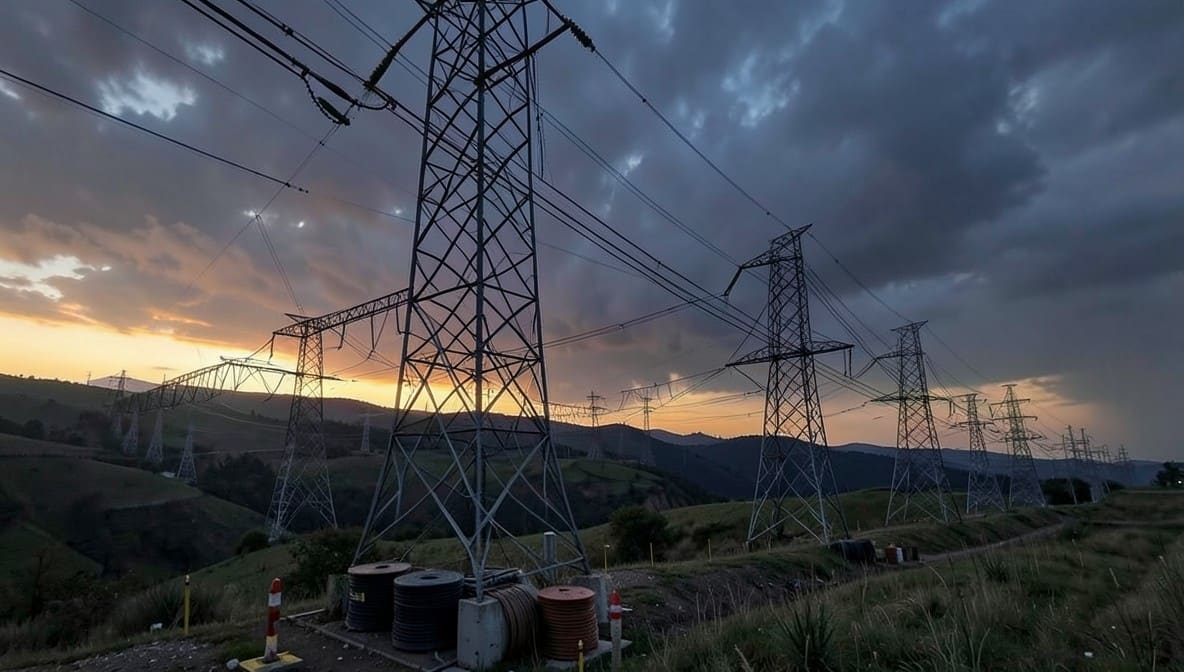
The complainant, M/S. TEE STA VALLEY POWER TRANSMISSION LTD., a joint venture company formed for setting up 400 KV D/c power transmission lines covering 215 km, had insured the project under an All Risk Insurance Policy issued by the opposite party, M/S. NATIONAL INSURANCE CO. LTD. The policy, bearing number 351200/44/14/5500000015, was issued on 31.03.2016 for a sum insured of Rs 5,80,00,00,000 (Rupees Five Hundred Eighty Crore) against a premium of Rs 1,31,77,918. A theft occurred on 25.03.2017, resulting in a claim of Rs 54,40,813. The opposite party repudiated the claim vide letter dated 05.10.2020, citing delayed intimation. The complainant approached the Commission seeking recovery of the claim amount with interest, compensation for mental agony, and litigation costs.
Key Facts
- The complainant is a joint venture company with its registered office at 604, 6th Floor, Bhikaji Cama Bhawan, Bhikaji Cama Place, New Delhi-110066
- All Risk Insurance Policy issued on 31.03.2016 for sum insured of Rs 5,80,00,00,000
- Premium paid: Rs 1,31,77,918
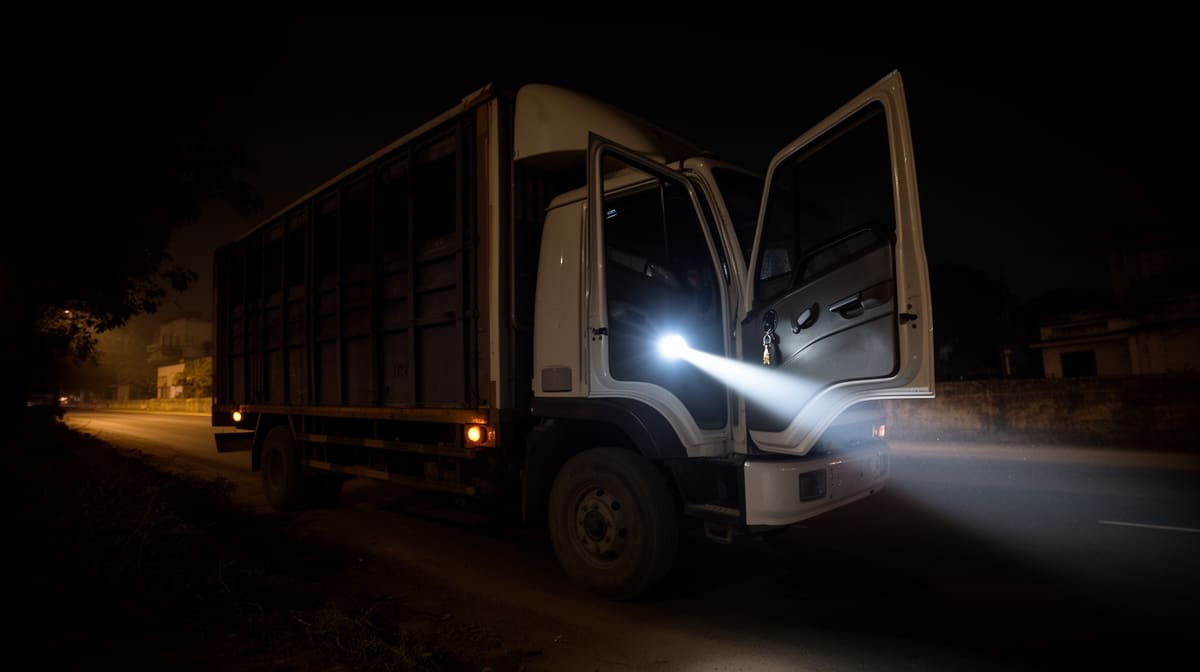
- Theft occurred on 25.03.2017 at two stretches (A and B) of the 215 km project
- FIR No. 23/17 registered on 30.03.2017
- Opposite party informed of loss on 01.04.2017; claim number 351200/44/17/55900000002 issued
- Stretch A loss (~Rs 38 lakh) intimated within 14 days as per policy Clause 5
- Stretch B loss (~Rs 42 lakh) intimated on 19.04.2017, a delay of 25 days from detection
- Opposite party repudiated claim vide letter dated 05.10.2020
- Survey Report dated 09.10.2018 by Mr. Chandra Chura Mani Upadhyay assessed loss at Rs 25,61,229
Procedural History
- 28.07.2021: Complaint filed under Section 35 of the Consumer Protection Act, 2021 (Complaint Case No. 133/2021)
- 18.11.2025: Date of hearing
- 07.09.2026: Date of decision/judgment pronounced
The Parties' Positions
Complainant: Contended that the opposite party repeatedly delayed settlement and repudiated the claim on unreasonable grounds. Argued that territorial jurisdiction vests in this Commission as its registered office is in Delhi. Submitted that being a PSU does not make the policy acquisition a commercial purpose. Relied on Harsolia Motors vs. National Insurance Co. Ltd. (I (2205) CPJ 27 (NC)) and Punj Lloyd vs. Corporate Risks India Pvt. Ltd. (I (2009) CPJ 10 SC).
Opposite Party: Denied all allegations. Contended complainant is not a "consumer" under CPA 2019 as it is a PSU with public money. Challenged territorial jurisdiction. Argued no deficiency in service as complainant violated policy terms by not intimating theft immediately - 5 days gap for stretch A and 6 days for stretch B to police; 7 days for stretch A and 25 days for stretch B to insurer. Relied on General Assurance Society Ltd. vs. Chandumull Jain (AIR 1966 SC 1644), Suraj Mal Ram Niwas Oil Mills Pvt. Ltd. vs. United India Insurance Co. Ltd. (2010 (10) SCC 567), Branch Manager, Bajaj Allianz Insurance Company Ltd. & Others vs. Dalbir Kour ((2020) 8 SCC 401), United India Insurance Co. Ltd. vs. Shushil Kumar Godara (Civil Appeal No. 5887 of 2021, decided 30.09.2021), and Lilavati Kirtilal Mehta Medical Trust vs. Ms. Unique Shanti Developers & Ors. (2020 (2) SCC 265).
Relief Sought
The complainant prayed for: (i) Rs 54,40,813 with interest @ 24% p.a. from date of claim till realization; (ii) Rs 7,00,000 for losses, mental pain, torture and agony with interest @ 24% p.a.; (iii) Rs 30,000 for litigation costs including professional fees; (iv) any other order deemed fit.
The Legal Issue
The Commission framed three questions: (1) Whether territorial jurisdiction to adjudicate the complaint rests with this Commission; (2) Whether the complainant falls within the definition of "consumer" under Section 2(7) of the Consumer Protection Act, 2019; (3) Whether the opposite party is deficient in providing its services to the complainant.
Arguments Presented
For the Complainant
The complainant argued that Section 47(4)(d) of the CPA 2019 expressly permits filing a complaint where the complainant resides or personally works for gain, and its registered office is in Delhi. On consumer status, it submitted that Section 2(7)(ii) covers any person who hires or avails services for consideration paid or promised, excluding only those availing services for commercial purpose. Being a PSU does not equate to commercial purpose. On deficiency, it argued that a mere 5-day delay in intimation for stretch A is not a sufficient cause for repudiation, especially given the scale of the 215 km project and time needed to compute losses.
For the Opposite Party
The opposite party contended that the complainant, as a PSU, is not a consumer under CPA 2019. It challenged territorial jurisdiction. On merits, it argued that Clause 5 of the policy requires immediate notification and the insurer has no liability if notice is not received within 14 days of detection. The 25-day delay for stretch B and 5-7 day delays for stretch A constitute wilful negligence and breach of policy terms, justifying repudiation.
The Court's Analysis
On territorial jurisdiction, the Commission referred to Section 47(4)(d) of the Consumer Protection Act, 2019, which provides that a complaint may be instituted where the complainant resides or personally works for gain. The Commission held:
"On perusal of the aforesaid statutory position, it is clear that a Complaint may be filed where the Complainant resides or personally works for gain, therefore this Commission has the territorial jurisdiction to adjudicate the present Complaint, as the registered office of the Complainant is presently at 604, 6th Floor, Bhikaji Cama Bhawan, Bhikaji Cama Place, New Delhi-110066."
On consumer status, the Commission examined Section 2(7)(ii) of the CPA 2019, which defines a consumer as any person who hires or avails services for consideration paid or promised, excluding only those availing services for commercial purpose. The Commission observed:
"On perusal of the aforesaid statutory position, it is clear that any person who hires or avails of any services for a consideration which has been paid or promised or partly paid and partly promised is a consumer under the Consumer Protection Act, 2019, provided that such services are not availed for any commercial purpose."
The Commission found that the opposite party merely asserted the complainant is not a consumer without explaining or adducing evidence that the policy was taken for commercial purpose. It held:
"Additionally, the Complainant being a public sector undertaking does not make the purpose of availing the policy to be a means of profit, therefore, the submission of the Opposite Party that the Complainant is not a consumer is a bald averment."
On deficiency in service, the Commission referred to Section 2(11) defining "deficiency" and Clause 5 of the policy requiring immediate notification and providing that the insurer shall not be liable if no notice is received within 14 days of detection. The Commission noted that stretch A loss (~Rs 38 lakh) was intimated within 14 days, while stretch B loss (~Rs 42 lakh) was intimated after 25 days. However, it held:
"Moreover, we find that a mere delay of 5 days in intimation is not a sufficient cause for repudiation of the claim of the Complainant. The theft took place at two stretches, and accounting for mobile components such as conductor wire and space dumper also takes time, computing the total loss suffered by the Complainant could delay the intimation along with the estimated cost of material stolen from the stretches in the entire area of 215 kms of the project in question. Therefore, repudiation of the claim of the Complainant on the ground of a violation of policy terms and conditions in the form of delay in intimation is a bald averment and amounts to unfair trade practice and deficiency in service on the part of the Opposite Party."
The Commission relied on the Survey Report dated 09.10.2018 by Mr. Chandra Chura Mani Upadhyay, which assessed the loss at Rs 25,61,229, and directed payment accordingly.
The Verdict
The complainant succeeded in part. The Commission allowed the complaint and directed the opposite party to pay Rs 25,61,229 (Rupees Twenty-Five Lakh Sixty-One Thousand Two Hundred Twenty-Nine) as per the Survey Report dated 09.10.2018, along with simple interest at 6% per annum from the date of theft (25.03.2017) till 07.09.2026 (date of judgment), provided the amount is paid on or before 07.11.2026. If the opposite party fails to pay by 07.11.2026, the entire amount shall carry interest at 9% per annum from the date of theft till actual realization. Additionally, the opposite party was directed to pay Rs 1,00,000 for mental agony and harassment, and Rs 50,000 towards litigation costs. All pending applications were disposed of.
What This Means For Similar Cases
PSU Status Does Not Bar Consumer Protection
Public sector undertakings and government companies remain entitled to consumer protection under the CPA 2019 when they avail services for consideration, unless the service is availed for a commercial purpose aimed at profit generation. The mere fact that an entity uses public funds or performs public functions does not automatically classify its insurance procurement as a commercial purpose. Practitioners should challenge blanket objections to consumer status based solely on PSU character.
Delay in Intimation Must Be Assessed Contextually
A mechanical application of policy notification clauses without regard to the scale and complexity of the loss is impermissible. For large infrastructure projects spanning hundreds of kilometres, computing the extent of theft loss legitimately takes time. A short delay (here, 5 days for stretch A) that does not prejudice the insurer's investigation cannot be a ground for total repudiation. The Commission's approach requires insurers to demonstrate actual prejudice from delayed intimation rather than relying on technical breaches.
Territorial Jurisdiction Anchored on Complainant's Location
Section 47(4)(d) of the CPA 2019 provides a clear statutory basis for filing at the complainant's place of residence or work. This provision overrides objections based on the opposite party's location or the cause of action's situs. Practitioners should routinely invoke this provision when forum convenience is challenged, especially for corporate complainants with registered offices in the forum state.
- Actionable Takeaway: When defending insurance claims for infrastructure projects, document the timeline of loss assessment and communicate proactively with the insurer about the time needed for quantification.
- Actionable Takeaway: In consumer complaints by PSUs or government entities, lead with the statutory definition under Section 2(7)(ii) and require the opposite party to prove commercial purpose with evidence, not assertions.
- Actionable Takeaway: For territorial jurisdiction challenges, cite Section 47(4)(d) and establish the complainant's registered office or place of work within the forum's limits at the time of filing.