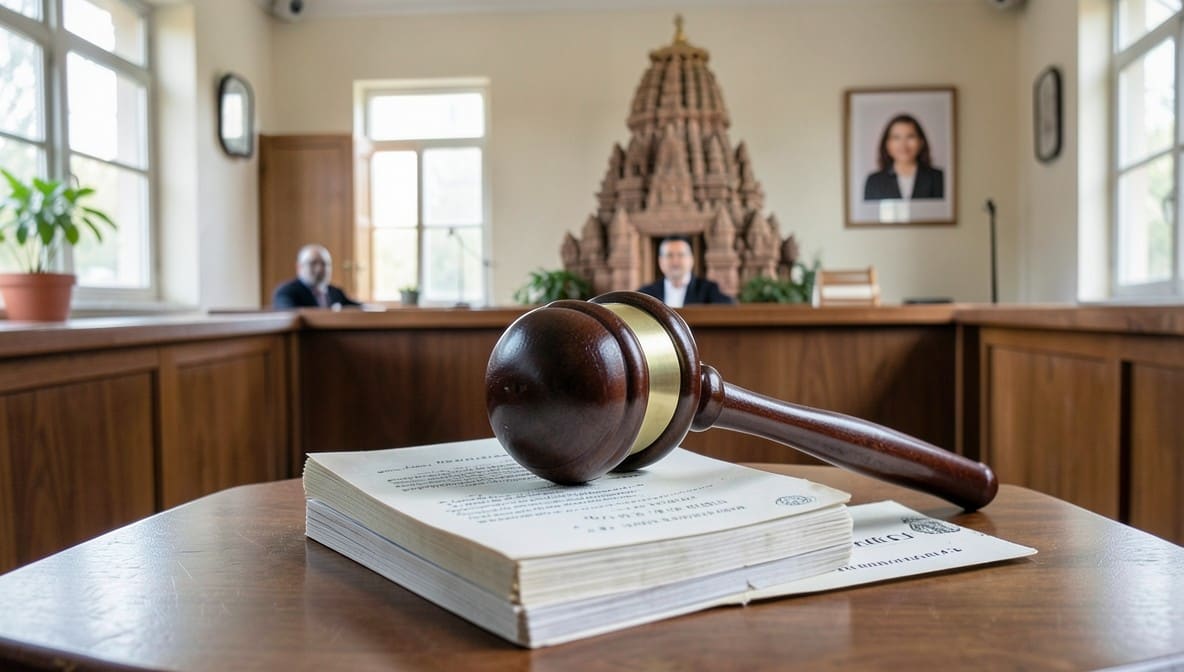
High Courts judgments

10232 High Courts judgments explained in plain English: what was decided, the law applied and why it matters. Page 66 of 427.

Carriers Act 1865, Section 7 | Absolute Liability for Transit Damage + Automatic Subrogation Valid Without Formal Assignment : Kerala HC
Case Law Analysis
|Kerala High Court

Carriers Act 1865, Section 7 | Absolute Liability for Transit Damage + Automatic Subrogation Valid Without Formal Assignment : Kerala HC

The Kerala High Court affirmed that common carriers are absolutely liable for goods damage during transit under Section 7 of the Carriers Act 1865, and that insurers automatically acquire subrogation rights upon indemnifying the consignor -无需 formal subrogation letters. This clarifies a critical procedural shortcut for insurance claims in logistics disputes, reducing litigation barriers for carriers and insurers alike.

Certificate of Altruism Not Automatically Mandatory for Organ Donation | Case-by-Case Assessment Required Under THOA : Kerala HC
Case Law Analysis
|Kerala High Court

Certificate of Altruism Not Automatically Mandatory for Organ Donation | Case-by-Case Assessment Required Under THOA : Kerala HC

The Kerala High Court ruled that authorities cannot impose a Certificate of Altruism as a blanket requirement for organ donation. Each application must be evaluated individually under the Transplantation of Human Organs Act, ensuring procedural fairness and protecting donors from unnecessary bureaucratic barriers without evidence of commercial intent.

Section 483 BNSS | Statutory Bail Mandatory When Final Report Not Filed Within 90 Days of Arrest : Kerala HC
Case Law Analysis
|Kerala High Court

Section 483 BNSS | Statutory Bail Mandatory When Final Report Not Filed Within 90 Days of Arrest : Kerala HC

The Kerala High Court held that failure to file a chargesheet within 90 days of arrest under Section 483 of the Bharatiya Nagarik Suraksha Sanhita automatically entitles the accused to statutory bail, reinforcing that procedural delays cannot justify continued pre-trial detention. This ruling strengthens the right to liberty for under-trials and imposes a strict timeline on prosecution diligence.

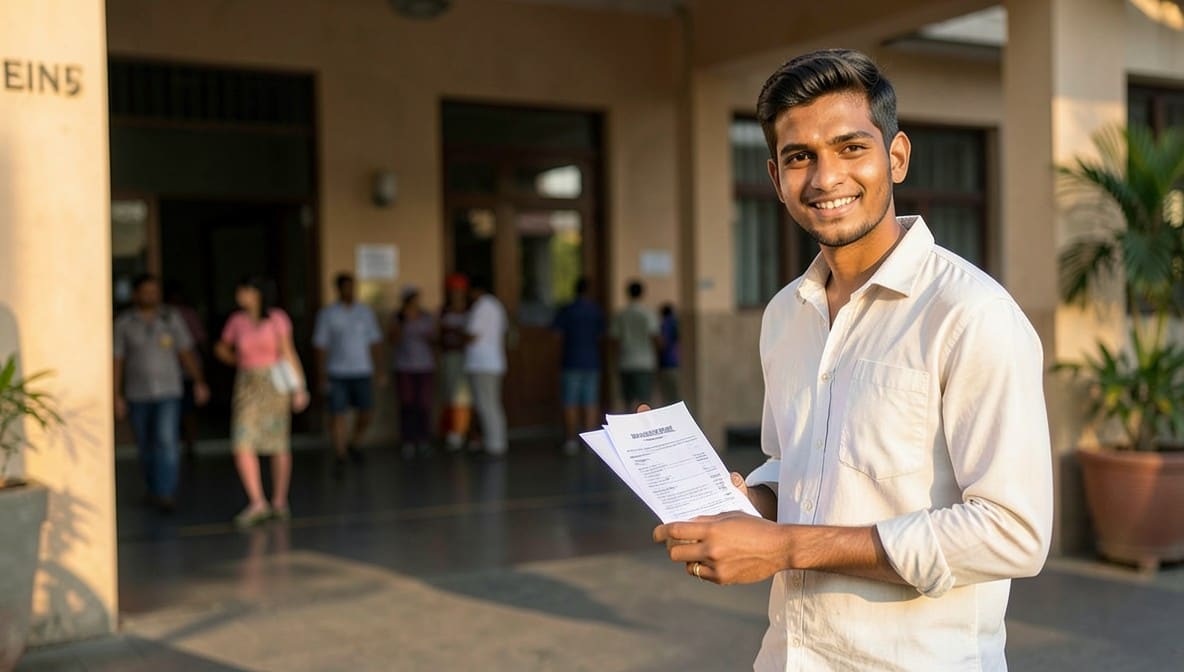
Educational Institutions Cannot Withhold Original Academic Records for Unpaid Fees | Writ Petition Under Article 226 : Kerala HC
Case Law Analysis
|Kerala High Court

Educational Institutions Cannot Withhold Original Academic Records for Unpaid Fees | Writ Petition Under Article 226 : Kerala HC

The Kerala High Court has ruled that retaining original academic documents like mark sheets, transfer certificates, and conduct certificates due to unpaid fees violates students' fundamental rights to education and dignity. This binding precedent empowers students to demand immediate return of their records, regardless of financial disputes, and holds institutions liable for obstructing academic continuity.

Non-Bailable Warrant Stayed Pending Surrender | Accused Abroad Must Appear Within Week, Bail Hearing Mandated on Return : Kerala HC
Case Law Analysis
|Kerala High Court

Non-Bailable Warrant Stayed Pending Surrender | Accused Abroad Must Appear Within Week, Bail Hearing Mandated on Return : Kerala HC

The Kerala High Court has stayed a non-bailable warrant against an accused abroad, directing her to surrender within a week of return and mandating an immediate bail hearing upon appearance. This sets a clear precedent for procedural fairness in transnational criminal cases, ensuring accused persons are not remanded without judicial review upon voluntary return.

Section 77 Juvenile Justice Act | Possession of Tobacco Products Without Proof of Supply to Minors Does Not Constitute Offence : Kerala HC
|Kerala High Court

Section 77 Juvenile Justice Act | Possession of Tobacco Products Without Proof of Supply to Minors Does Not Constitute Offence : Kerala HC

The Kerala High Court has ruled that merely storing tobacco products at home, even in bulk, cannot trigger criminal liability under Section 77 of the Juvenile Justice Act unless there is concrete evidence linking the accused to supplying those products to minors. This clarifies the boundary between mere possession and intentional violation, protecting innocent retailers from overbroad prosecution.

Relinquishment of Promotion Requires Formal Acceptance by Competent Authority to Affect Seniority : Kerala HC
Case Law Analysis
|Kerala High Court

Relinquishment of Promotion Requires Formal Acceptance by Competent Authority to Affect Seniority : Kerala HC

The Kerala High Court has ruled that a government employee’s voluntary relinquishment of a promotional post does not automatically alter seniority unless formally accepted by the competent authority. This clarifies a critical procedural safeguard for service candidates, ensuring promotions are governed by official record, not unilateral intent, and prevents arbitrary seniority adjustments in public employment.

BNS Section 118(1) | Plastic Chair Not a 'Deadly Weapon' for Non-Bailable Assault: Kerala HC
Case Law Analysis
|Kerala High Court

BNS Section 118(1) | Plastic Chair Not a 'Deadly Weapon' for Non-Bailable Assault: Kerala HC

The Kerala High Court ruled that using a plastic chair in an assault does not meet the threshold of a 'deadly weapon' under BNS Section 118(1), making the offence bailable and setting a critical precedent for how everyday objects are interpreted in criminal liability. This clarifies the scope of non-bailable offences and protects accused persons from disproportionate pre-arrest detention over minor altercations.

Saved Permits Renewal Not Barred by 140km Limit if KSRTC Has Not Applied for New Service | Kerala HC
Case Law Analysis
|Kerala High Court

Saved Permits Renewal Not Barred by 140km Limit if KSRTC Has Not Applied for New Service | Kerala HC

Holders of saved permits issued before 9 May 2006 retain the right to renew their stage carriage permits regardless of route length, provided the Kerala State Road Transport Corporation has not applied for a new service on the same route. This ruling protects private operators from arbitrary denial of renewal and reinforces the conditional nature of KSRTC’s priority under the permit regime.

RS-CIT Certification Satisfies Computer Proficiency for LDCs Appointed Post-2010 | Type Test Condition Void: Rajasthan HC
Case Law Analysis
|Rajasthan High Court

RS-CIT Certification Satisfies Computer Proficiency for LDCs Appointed Post-2010 | Type Test Condition Void: Rajasthan HC

The Rajasthan High Court has declared that requiring a separate typing test for Lower Division Clerks appointed after July 5, 2010, is illegal, holding that RS-CIT certification fully satisfies the computer proficiency requirement under the amended service rules. This ruling directly impacts thousands of state employees entitled to seniority, promotions, and arrears without additional testing, reinforcing parity in recruitment conditions.

BNS 2023 Section 272 | Bail Granted When FSL Report Refutes Causation for Culpable Homicide: Rajasthan HC
Case Law Analysis
|Rajasthan High Court

BNS 2023 Section 272 | Bail Granted When FSL Report Refutes Causation for Culpable Homicide: Rajasthan HC

The Rajasthan High Court granted bail to a compounder accused of culpable homicide after the FSL report conclusively established sudden cardiac failure as the cause of death, not the alleged injection. This ruling reinforces that prosecutorial allegations unsupported by medical evidence cannot sustain a prima facie case under BNS 2023, protecting healthcare providers from baseless criminal liability.

Section 483 BNSS | Bail Granted for MDMA Possession Below Commercial Quantity Where Trial Delay and No Flight Risk Exist : Rajasthan HC
Case Law Analysis
|Rajasthan High Court

Section 483 BNSS | Bail Granted for MDMA Possession Below Commercial Quantity Where Trial Delay and No Flight Risk Exist : Rajasthan HC

The Rajasthan High Court granted bail to an accused possessing 9.43 grams of MDMA, ruling that possession below the commercial quantity threshold, combined with prolonged pre-trial detention and absence of flight risk, justifies release under Section 483 BNSS. This reinforces that statutory bail thresholds and procedural delays can override strict NDPS Act presumptions, benefiting first-time offenders in delayed prosecutions.

Section 47 Persons with Disabilities Act | Termination Without Suitable Alternative Posting Violates Disability Rights : Bombay HC Orders Compassionate Appointment
|Bombay High Court

Section 47 Persons with Disabilities Act | Termination Without Suitable Alternative Posting Violates Disability Rights : Bombay HC Orders Compassionate Appointment

Bombay High Court rules that terminating a disabled employee without offering a suitable alternative posting breaches Section 47 of the Persons with Disabilities Act, 1995. The Court directed compassionate appointment for the deceased employee’s son and release of leave encashment benefits, reinforcing disability rights in employment.

Article 14 & Hereditary Temple Rights | Non-Contagious Vitiligo Cannot Disqualify Sannidhi Paricharaka Duties : Karnataka HC
Case Law Analysis
|Karnataka High Court

Article 14 & Hereditary Temple Rights | Non-Contagious Vitiligo Cannot Disqualify Sannidhi Paricharaka Duties : Karnataka HC

Karnataka High Court rules that hereditary temple servants (Sannidhi Paricharaka) cannot be barred from performing religious duties due to non-contagious vitiligo, reinforcing constitutional equality under Article 14. The court permits regulated delegation of duties while prohibiting discrimination based on medical conditions unrelated to ritual competence.

Section 9-A(2) U.P. Consolidation of Holdings Act | Co-Tenancy Rights Require Proof of Joint Acquisition or Blending, Not Presumption : Allahabad HC
Case Law Analysis
|Allahabad High Court

Section 9-A(2) U.P. Consolidation of Holdings Act | Co-Tenancy Rights Require Proof of Joint Acquisition or Blending, Not Presumption : Allahabad HC

Allahabad High Court rules that co-tenancy rights in joint Hindu family property cannot be presumed merely based on family ties. Claimants must prove joint acquisition or blending of property into joint family funds to establish co-tenancy under the U.P. Consolidation of Holdings Act, setting a precedent for evidentiary standards in property disputes.

Article 14 & Tender Arbitrariness | Karnataka HC Strikes Down Dual Experience Requirement, Upholds Three-Year Cap Under Limited Judicial Review : Karnataka HC
Case Law Analysis
|Karnataka High Court

Article 14 & Tender Arbitrariness | Karnataka HC Strikes Down Dual Experience Requirement, Upholds Three-Year Cap Under Limited Judicial Review : Karnataka HC

Karnataka High Court ruled that requiring experience in both entry and parking fee collection under a tender is arbitrary and violates Article 14, though it upheld a three-year experience requirement as a valid policy decision. The judgment underscores that while courts defer to administrative discretion, unreasonable or discriminatory tender conditions will be struck down.

G.O.Ms.No.98 Employment Scheme | Cut-off Date Cannot Bar Displaced Persons' Employment Claims Under Land Acquisition : AP HC
Case Law Analysis
|Andhra Pradesh High Court

G.O.Ms.No.98 Employment Scheme | Cut-off Date Cannot Bar Displaced Persons' Employment Claims Under Land Acquisition : AP HC

Andhra Pradesh High Court rules that displaced persons whose lands were acquired before the implementation of G.O.Ms.No.98 cannot be denied employment benefits based on arbitrary cut-off dates. The Court directed appointment within four months, emphasizing that procedural limitations cannot override substantive rights of displaced families.

Promotion Quota Under Service Law | Seniority-Cum-Merit Must Precede Compassionate Appointments Under Karnataka Electricity Board Regulations : Karnataka HC
Case Law Analysis
|Karnataka High Court

Promotion Quota Under Service Law | Seniority-Cum-Merit Must Precede Compassionate Appointments Under Karnataka Electricity Board Regulations : Karnataka HC

Karnataka High Court mandates that promotions under the 75% seniority-cum-merit quota must be exhausted before filling vacancies through compassionate appointments, reinforcing compliance with service regulations. This ruling protects the rights of existing employees and sets a precedent for prioritizing merit-based promotions in public employment.

Section 47 CPC | Executing Court's Inherent Power to Correct Clerical Errors in Decrees Without Fresh Suit : Allahabad HC
Case Law Analysis
|Allahabad High Court

Section 47 CPC | Executing Court's Inherent Power to Correct Clerical Errors in Decrees Without Fresh Suit : Allahabad HC

Allahabad High Court affirms that executing courts can rectify clerical errors in decrees under Section 47 CPC, ensuring substantive justice prevails over procedural technicalities. This ruling prevents parties from being denied the fruits of a decree due to minor inaccuracies, reinforcing the court's inherent powers to uphold the true intent of judgments.

Res Judicata Bars Prohibition Under Section 22A(1)(c) Registration Act | AP HC Quashes Arbitrary Property Blacklisting
Case Law Analysis
|Andhra Pradesh High Court

Res Judicata Bars Prohibition Under Section 22A(1)(c) Registration Act | AP HC Quashes Arbitrary Property Blacklisting

Andhra Pradesh High Court rules that once a court conclusively settles a title dispute, administrative authorities cannot prohibit property registration under Section 22A(1)(c) of the Registration Act. The judgment directs removal of the petitioner’s property from the prohibited list, reinforcing that res judicata prevails over administrative overreach in property registration matters.