High Courts judgments

10211 High Courts judgments explained in plain English: what was decided, the law applied and why it matters. Page 4 of 426.

Retrospective IPR 2015 amendment excluding cement units from SGST reimbursement violates legitimate expectation : Orissa HC
Case Law Analysis
|Orissa High Court

Retrospective IPR 2015 amendment excluding cement units from SGST reimbursement violates legitimate expectation : Orissa HC

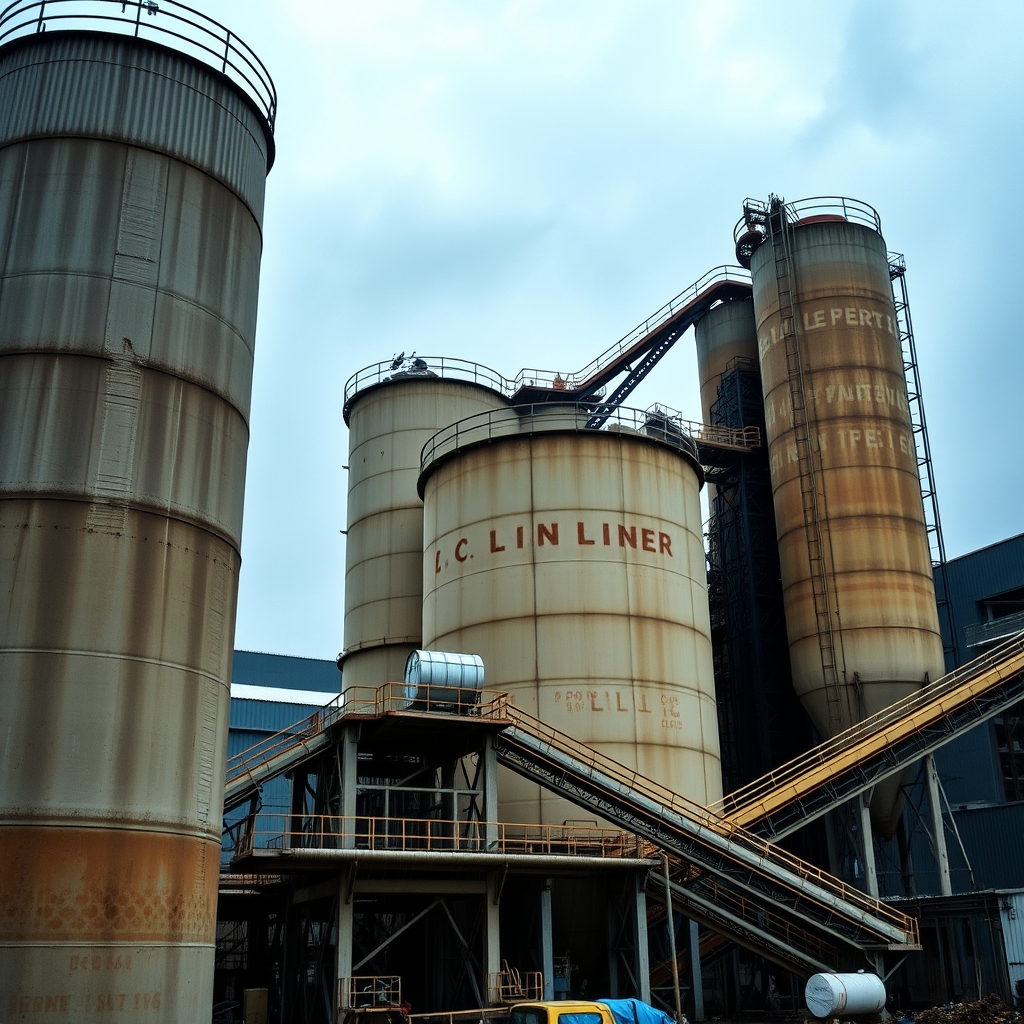
The Orissa High Court struck down the August 18, 2020 resolution withdrawing SGST reimbursement for cement units under IPR 2015, calling it arbitrary and unconstitutional. The ruling safeguards investors who had undertaken substantial investments based on the original incentive, reinforcing the doctrine of legitimate expectation.


Defective Section 21 Notice Does Not Oust Arbitral Tribunal's Jurisdiction | Where Arbitration Agreement Exists : Delhi HC
Case Law Analysis
|Delhi High Court

Defective Section 21 Notice Does Not Oust Arbitral Tribunal's Jurisdiction | Where Arbitration Agreement Exists : Delhi HC

The Delhi High Court ruled that a flawed Section 21 notice under the Arbitration and Conciliation Act, 1996 does not strip an arbitral tribunal of its jurisdiction when a valid arbitration agreement is in place. The court proceeded to appoint a sole arbitrator, clarifying that procedural defects in notice service cannot override the parties’ arbitration agreement.

Gift deed between family not 'transfer' under DRC Act Sec 14(6) | Review petition only for error apparent on record : Delhi HC
Case Law Analysis
|Delhi High Court

Gift deed between family not 'transfer' under DRC Act Sec 14(6) | Review petition only for error apparent on record : Delhi HC

The Delhi High Court held that a gift deed between family members is not a 'transfer' under Section 14(6) of the Delhi Rent Control Act, barring eviction claims based on such deed. It also clarified that a review petition under Section 114 CPC lies only for errors apparent on the face of the record, affecting landlords and tenants in family-settlement disputes under rent control law.

Limitation for Maintenance Arrears Under Section 125(3) CrPC Starts from Date of Order | Rajasthan High Court Clarifies : Raj HC
Case Law Analysis
|Rajasthan High Court

Limitation for Maintenance Arrears Under Section 125(3) CrPC Starts from Date of Order | Rajasthan High Court Clarifies : Raj HC

The Rajasthan High Court ruled that the twelve-month limitation for recovering maintenance arrears under Section 125(3) CrPC begins from the date of the maintenance order, not from when each arrear accrued. This allows claimants to recover arrears for up to a year preceding the order, even if the arrears span a longer period, benefiting maintenance seekers and defining the liability of payers.

Section 11(6A) limits referral court to agreement existence & timeliness | Non-consumer claims arbitrable despite consumer forum order : Calcutta HC
Case Law Analysis
|Calcutta High Court

Section 11(6A) limits referral court to agreement existence & timeliness | Non-consumer claims arbitrable despite consumer forum order : Calcutta HC

Under Section 11(6A) the Calcutta HC limited the referral court’s role to checking arbitration agreement existence and timeliness, barring inquiry into merits or consumer forum orders. Thus the developer’s non consumer claims remain arbitrable despite any consumer forum order, affecting developers and homebuyers.

Notice must specify cheque amount under Section 138 NI Act; alteration initialled by accused not fatal : HP HC
Case Law Analysis
|Himachal Pradesh High Court

Notice must specify cheque amount under Section 138 NI Act; alteration initialled by accused not fatal : HP HC

The Himachal Pradesh High Court upheld the acquittal under Section 138 of the NI Act, holding that a notice must specify the exact cheque amount to be valid. It further clarified that any alteration in the cheque initialled by the accused does not void the instrument, refining the evidentiary requirements for dishonoured cheque cases.

Independent Judicial Scrutiny Required at Cognizance Stage | Summoning Orders Under Sections 409/120-B IPC : Delhi HC
Case Law Analysis
|Delhi High Court

Independent Judicial Scrutiny Required at Cognizance Stage | Summoning Orders Under Sections 409/120-B IPC : Delhi HC

The Delhi High Court held that magistrates must independently apply their judicial mind before issuing summoning orders at the cognizance stage, upholding the summons against a director accused of diverting business proceeds under Sections 409 and 120-B IPC. This ruling reinforces procedural safeguards against mechanical issuance of process and affects magistrates, accused, and complainants in criminal proceedings.

Maintenance under PWDV Act requires affidavit of assets and liabilities | Financial disclosure mandate : Calcutta HC
Case Law Analysis
|Calcutta High Court

Maintenance under PWDV Act requires affidavit of assets and liabilities | Financial disclosure mandate : Calcutta HC

The Calcutta High Court quashed lower maintenance orders, ruling that any award under the PWDV Act must be grounded in sworn affidavits of both parties’ assets and liabilities. The decision forces litigants in domestic violence cases to furnish full financial disclosures before maintenance can be granted, impacting spouses and children seeking support.