The Delhi High Court refused to interfere with a trial court’s summoning order against a director of a company alleged to have diverted business proceeds, emphasizing that a magistrate must independently apply judicial mind to the material on record before issuing process, even when the investigating agency did not array the person as an accused.
Background & Facts
The Dispute
The petitioner, Manish Srichand Pardasani, a director of Living Liquidz Foods and Beverages Pvt. Ltd., challenged the summoning order dated 06.02.2025 passed by the Chief Judicial Magistrate, South District, Saket Courts, which directed him to face trial for offences under Sections 409 read with Section 120-B of the Indian Penal Code, 1860, arising out of FIR No. 169/2019 registered on 23.08.2019 at the Economic Offences Wing, Delhi.
Key Facts
- FIR No. 169/2019 was registered on 23.08.2019 on the complaint of respondent No. 2, Anurag Chandra, who alleged investment of approximately Rs. 7.50 crore in M/s Affinity Beauty Salon Pvt. Ltd. (ABSPL) in 2016.
- On 08.03.2016, M/s M.S. Luvish Construction Pvt. Ltd. (MSLCPL), with which the petitioner was associated, entered into a Leave and Licence Agreement with ABSPL for commercial premises measuring approximately 2,100 square feet at M-Square, Dr. Ambedkar Road, Khar (West), Mumbai.
- ABSPL defaulted in payment of licence fees; a legal notice dated 17.10.2018 was issued, leaving an outstanding amount of Rs. 29,08,967/- as on 31.01.2019.
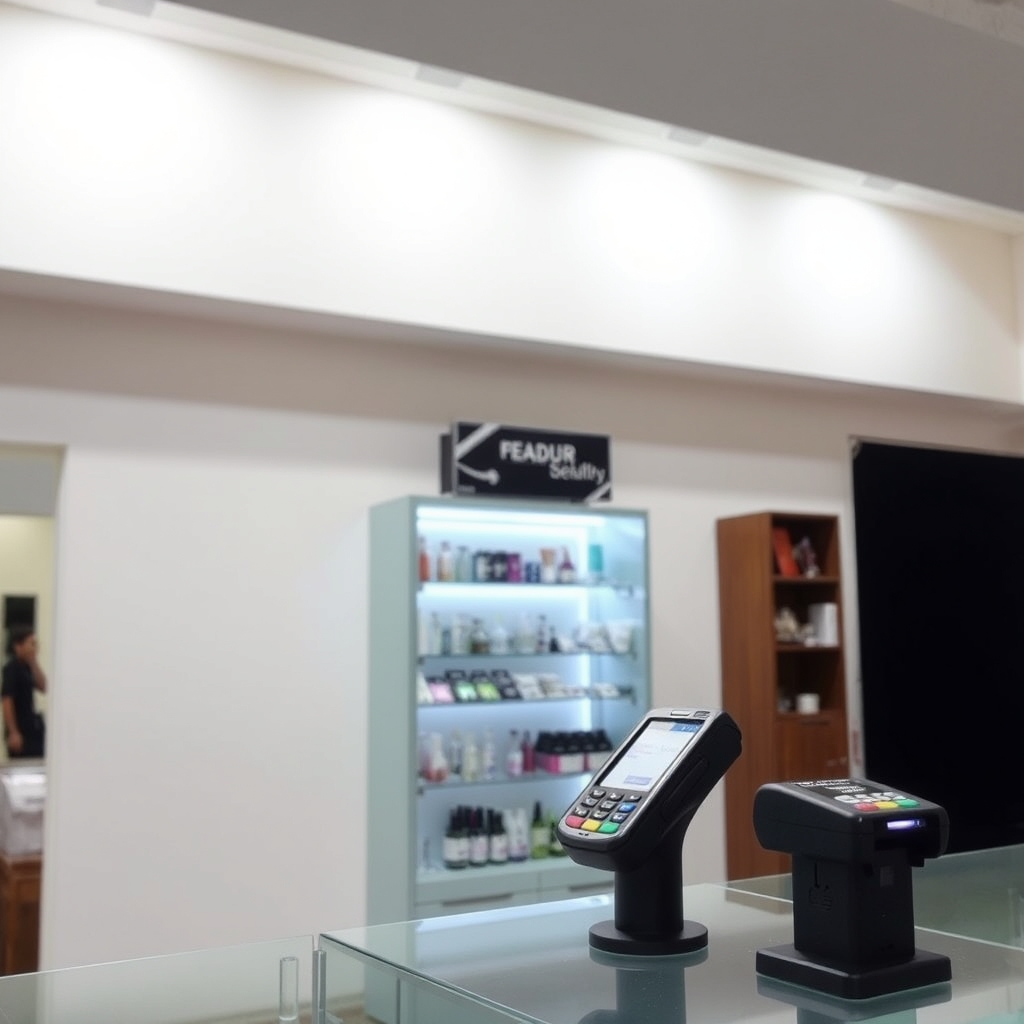
- In November 2018, Vishal Sharma, a director of ABSPL, approached the petitioner to temporarily use card-swipe machines belonging to Living Liquidz (of which the petitioner was a director) because the machines at the ABSPL outlet were allegedly non-functional.
- The petitioner claimed that amounts received through the swipe machines (approximately Rs. 16.76 lakh between 08.12.2018 and the first week of January 2019) were to be adjusted against the outstanding licence fees.
- Respondent No. 2 alleged that the arrangement was used to divert business proceeds of ABSPL into the accounts of Living Liquidz, with the knowledge and involvement of the petitioner and Vishal Sharma.
- Police completed investigation and filed a final report dated 16.08.2024 without arraying the petitioner as an accused.
- Despite the report, the Learned Trial Court, vide order dated 06.02.2025, summoned the petitioner for offences under Sections 409 and 120-B IPC, primarily on the basis of the swipe-machine arrangement and the allegation of diversion of business proceeds.
Procedural History
- 23.08.2019: FIR No. 169/2019 registered at Police Station Economic Offences Wing, Delhi.
- 08.03.2016: Leave and Licence Agreement between MSLCPL and ABSPL executed.
- 17.10.2018: Legal notice issued for non-payment of licence fees.
- 31.01.2019: Outstanding licence fees quantified at Rs. 29,08,967/-.
- 08.12.2018 - first week of Jan 2019: Swipe-machine transactions aggregating approx. Rs. 16.76 lakh recorded.
- 16.08.2024: Police final report filed (no accusation against petitioner).
- 06.02.2025: Learned Trial Court summons petitioner under Sections 409/120-B IPC.
- 14.10.2026: Judgment of the High Court of Delhi delivered.
Relief Sought
The petitioner sought quashing of the summoning order dated 06.02.2025 exercised under the inherent jurisdiction of the High Court under Section 528 of the Bharatiya Nagarik Suraksha Sanhita, 2023 (BNSS), and consequential relief.
The Legal Issue
The central question was whether the Learned Trial Court was justified in summoning the petitioner for offences under Sections 409 and 120-B IPC despite his name not appearing in the charge-sheet, and whether the material on record disclosed sufficient grounds for proceeding against him at the cognizance stage.
Arguments Presented
For the Petitioner
Learned counsel submitted that the petitioner was neither named as an accused in the FIR nor sent up for trial upon completion of investigation; the investigating agency examined his explanations and documents (including the Leave and Licence Agreement and outstanding dues) and found no material warranting prosecution. It was contended that the Trial Court proceeded to summon him without identifying any additional material establishing his involvement, that he was neither a director nor a shareholder of ABSPL and had no dealings with respondent No. 2 concerning the 2016 investment, and that the swipe-machine arrangement was solely for adjustment of outstanding licence fees. Counsel further argued that the essential ingredients of Section 409 IPC (entrustment of property and dishonest misappropriation) were not satisfied, and that mere directorship of Living Liquidz could not attract personal criminal liability. Lastly, reliance was placed on State of Haryana v. Bhajan Lal, 1992 Supp (1) SCC 335, to assert that the Trial Court could not have invoked Section 319 CrPC without evidence having been recorded during an inquiry or trial.
For the Respondents
The learned APP for the State opposed the petition, contending that the investigating agency’s decision not to array a person as an accused does not bind the Trial Court. It was submitted that where the material accompanying the police report discloses prima facie involvement, the Trial Court is competent to summon such a person at the stage of taking cognizance. The APP further argued that the allegations extended beyond the initial investment to the subsequent diversion of business proceeds, and that the installation of Living Liquidz swipe machines at the ABSPL outlet and the receipt of approximately Rs. 16.76 lakh through those machines constituted a specific transaction indicating the petitioner’s involvement, disputing the explanation that the amount was adjusted against outstanding licence fees as a matter to be examined at trial.
The Court's Analysis
The Court first noted that the power to issue process at the cognizance stage is distinct from the power to summon an additional accused under Section 319 CrPC during inquiry or trial, relying on M/s SWIL Ltd. v. State of Delhi, (2001) 6 SCC 670 and Nahar Singh v. State of Uttar Pradesh, (2022) 5 SCC 295. It emphasized that summoning an accused is a serious matter requiring judicial application of mind, quoting Pepsi Foods Ltd. v. Special Judicial Magistrate, (1998) 5 SCC 749: “Summoning of an accused in a criminal cases is a serious matter. Criminal law cannot be set into motion as a matter of course… The order of the magistrate summoning the accused must reflect that he has applied his mind to the facts of the case and the law applicable thereto.” The Court further cited Lalankumar Singh v. State of Maharashtra (2022) 14 SCR 573, holding that an order issuing process must indicate sufficient grounds for proceeding against the accused.
Turning to the merits, the Court observed that the material relied upon concerned the installation and use of swipe machines belonging to Living Liquidz at the Pali Hill outlet of ABSPL, with approximately Rs. 16.76 lakh received between December 2018 and January 2019. While the petitioner offered an explanation that the amounts were adjusted against outstanding licence fees under the Leave and Licence Agreement, the explanation was disputed by respondent No. 2, and its correctness could not be conclusively determined at that stage. The Court held that the question whether the petitioner exercised dominion over the relevant proceeds in a capacity contemplated under Section 409 IPC, and whether the amounts were dishonestly diverted, required examination of the material at the appropriate trial stage.
Regarding Section 120-B IPC, the Court noted that the existence of an agreement to commit an illegal act is essential and may be inferred from conduct, but cannot be presumed from mere business association. The allegation that the swipe-machine arrangement was used in concert with Vishal Sharma to divert business proceeds remained a disputed question requiring evidence.
Finally, the Court considered the scope of interference under Section 528 BNSS, referencing State of Haryana v. Bhajan Lal (supra), and held that while the High Court may quash proceedings where allegations, even if accepted in their entirety, do not disclose the commission of an offence, its inherent jurisdiction is not intended to substitute a detailed examination of disputed evidence at the threshold of criminal proceedings. The impugned order, though brief, referred to the swipe-machine transaction and the allegation of diversion; the Court was not persuaded that the petitioner’s commercial explanation, which was disputed, furnished sufficient ground to quash the summoning order at this stage.
The Verdict
The Court found no ground to interfere with the impugned summoning order dated 06.02.2025 in exercise of its inherent jurisdiction under Section 528 BNSS. Accordingly, the present petition was dismissed. No monetary relief, interest, or costs were awarded; the order of the Trial Court stands confirmed.
What This Means For Similar Cases
Summoning at Cognizance Stage Requires Independent Judicial Scrutiny
- Magistrates must independently apply judicial mind to the material on record before issuing process, even if the investigating agency did not array the person as an accused.
- The order must reflect consideration of the facts and law, and not be a mechanical act.
- Mere reliance on police report conclusions is insufficient; the court must satisfy itself that prima facie grounds exist.
Mere Association or Directorship Does Not Satisfy Sections 409/120-B IPC
- Entrustment of property or dominion over property, coupled with dishonest misappropriation, is essential for criminal breach of trust under Section 409 IPC.
- A director’s position alone, without proof of entrustment and dishonest conduct, does not attract personal liability.
- For conspiracy under Section 120-B IPC, proof of an agreement to commit an illegal act is required; mere business association is inadequate.
Inherent Jurisdiction of High Courts Is Limited to Threshold Examination
- Under Section 528 BNSS, the High Court may intervene only where the allegations, even if accepted, fail to disclose an offence.
- The Court cannot substitute a detailed evaluation of disputed evidence at the cognizance stage; such examination is reserved for trial.
- Interference is warranted only when the summoning order lacks any indicia of judicial application of mind or prima facie involvement.